

Music therapy, a therapeutic approach that harnesses the power of music to address various health issues, has gained recognition for its effectiveness across mental, emotional, and physical domains. At its core, music therapy uses music-based interventions to improve an individual’s health and well-being. Managed by qualified therapists, these interventions can vary widely but are all aimed at achieving personalized care goals.
Understanding Music Therapy
Music therapy involves structured sessions where music is the medium of therapeutic interaction. These sessions might include creating, singing, moving to, or simply listening to music, depending on the objectives set by the therapist and the client’s needs. This therapeutic form is recognized as an allied health profession and has been rigorously developed to cater to various patient needs, whether in hospitals, schools, residential treatment facilities, or community centers.
There are two primary forms of music therapy: active and passive. Active music therapy invites the client to partake in creating music, like playing instruments or using their voice, facilitating a hands-on engagement with the therapy. Passive music therapy, on the other hand, involves the client in listening experiences where the therapist plays or selects music to provoke a psychological, emotional, or physical response that is beneficial to the client’s condition.
The role of a music therapist is multifaceted, requiring a deep understanding of music’s psychological impacts and proficient skills in therapeutic practices. These professionals are trained to tailor their musical interventions to align closely with their clients’ personal health goals, which could range from managing stress, enhancing communication skills, to promoting physical rehabilitation.
Music Therapy and Mental Well-being
Mental well-being is perhaps the most recognized benefit of music therapy. Through targeted interventions, music therapy can significantly alleviate symptoms of stress and anxiety. Listening to soothing music, for instance, has been shown to lower cortisol levels, a hormone closely linked to stress. Similarly, engaging in active music creation can serve as a healthy outlet for expressing feelings and reducing overall anxiety.
The role of music therapy in combating depression is another area where its benefits are highly visible. By fostering an environment of safety and encouragement, music therapy sessions help individuals explore and express their emotions, which can be particularly therapeutic for those feeling isolated or withdrawn due to depression. Furthermore, the structured yet flexible nature of music therapy allows it to be adapted to individual needs, making it an effective support alongside more traditional treatments like medication and psychotherapy.
Music therapy also offers significant benefits to other mental health conditions, providing a unique source of support for people dealing with emotional challenges. Whether it’s helping children with developmental delays enhance their communication skills or assisting adults in managing acute mental health episodes, the adaptability of music therapy makes it a valuable tool in mental health care.
Music Therapy and Emotional Well-being
Music therapy uniquely supports emotional health by facilitating the expression and processing of complex feelings. The act of engaging with music, whether by playing an instrument or listening, can help individuals articulate feelings they might find difficult to express otherwise. This process can lead to significant breakthroughs in therapy, where clients find new ways to articulate their emotional experiences and insights.
Furthermore, music therapy can bolster self-esteem and confidence. For many, mastering a musical instrument or vocal performance within the therapeutic setting can provide a profound sense of accomplishment and self-worth. These experiences are especially beneficial for individuals struggling with self-image or confidence issues, providing them with tangible successes and positive feedback in a supportive environment.
Lastly, music therapy aids in building emotional resilience, equipping individuals to better handle life’s ups and downs. Through repeated exposure to therapeutic music experiences, individuals can learn coping strategies that help moderate emotional responses to stressors. This aspect of music therapy is crucial in building a more emotionally resilient and balanced life.
Music Therapy and Physical Well-being
The benefits of music therapy extend beyond mental and emotional health, touching on physical wellness too. Many people are surprised to learn that music can play a significant role in managing physical pain and aiding bodily healing. The soothing qualities of music help to distract from pain, lower stress levels, and induce a meditative state, which can all contribute to a higher pain threshold.
One notable area where music therapy has made strides is in the management of chronic pain. Patients dealing with long-term pain from conditions like arthritis or back problems have reported significant reductions in their pain levels during and after music therapy sessions. The rhythm and melody can help redirect the patient’s focus away from the pain, offering a form of escape that painkillers might not always provide.
Music therapy also supports physical rehabilitation efforts. For those recovering from strokes or traumatic injuries, music can stimulate neural pathways involved in muscle coordination and mobility. Engaging with music—especially playing instruments—can improve fine motor skills and coordination in a way that feels more like play and less like therapy, which can boost motivation and engagement.
Additionally, the influence of music on physiological factors like blood pressure and heart rate is well-documented. Slow, calming music can help to slow the heartbeat and lower blood pressure, creating physical conditions conducive to healing and recovery. This physiological response also supports better sleep patterns and reduced anxiety, further aiding physical health.
Integrating Music Therapy in Everyday Life
Bringing music therapy into everyday life doesn’t necessarily require a music therapist. For those interested in the benefits but unable to access professional services, there are ways to incorporate elements of music therapy at home. It starts with choosing the right type of music. Not all music works equally well for everyone; what soothes one person might energize another. It’s important to experiment with different genres and styles to discover what works best for your specific needs.
For relaxation and stress relief, many find slow, lyrical pieces effective, especially classical, jazz, or soft pop. On the other hand, if you’re using music to boost your mood or energy levels, something with a faster tempo might be more appropriate. Creating playlists for different purposes—relaxation, concentration, mood enhancement—can help you use music intentionally throughout your day.
Practicing DIY music therapy techniques can also be simple. Engaging in regular, mindful listening sessions—paying close attention to the different instruments and lyrics—can be a meditative and therapeutic exercise. For those who are more hands-on, trying out instruments like the keyboard, guitar, or even digital music software can be both therapeutic and enriching.
Lastly, consider the environment in which you listen to music. A quiet, comfortable space can enhance the therapeutic effects of music. Whether it’s a dedicated corner of your home with a comfy chair and headphones or a more communal space where you can share the experience with family, setting matters. The goal is to create a setting that supports relaxation and reflection, maximizing the therapeutic benefits of your music listening experience.
Enhancing Communication Through Music
Music therapy can play a pivotal role in improving communication skills, especially for those who find verbal communication challenging. This is particularly evident in working with children and adults with developmental disabilities, where music acts as a universal language. By engaging in singing or music-making activities, individuals may experience improvements in articulation, rhythm, and vocal expression, which directly translate to better verbal communication.
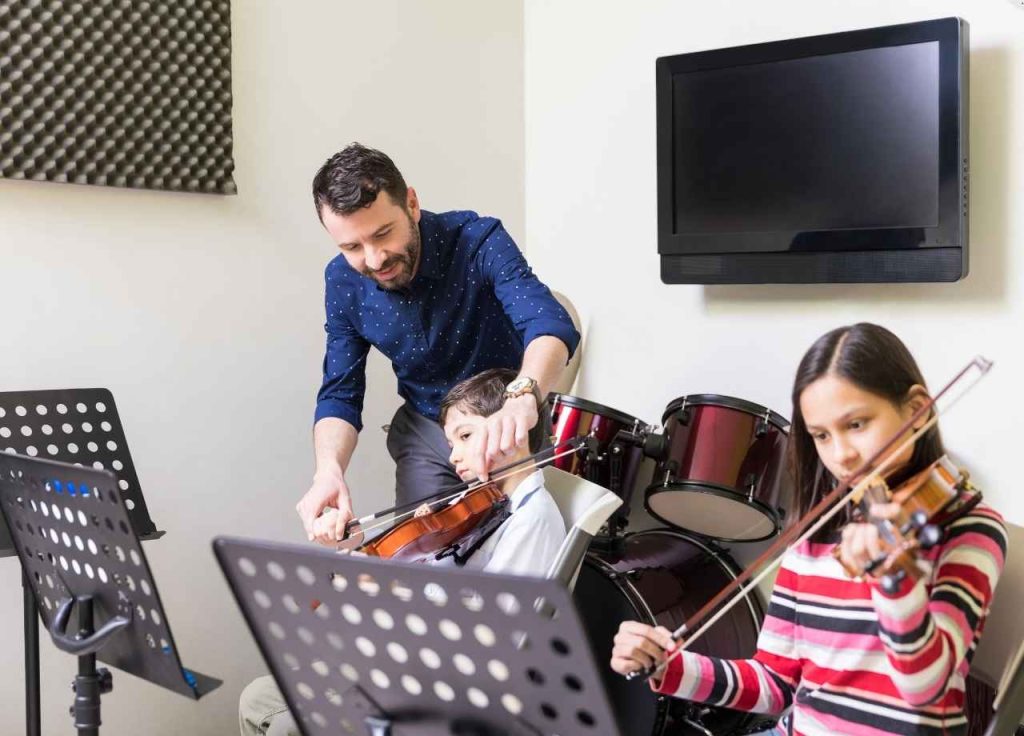
Moreover, music can encourage social interaction, which is essential for building relationships and community ties. Group music therapy sessions provide a safe environment for people to connect with others, share experiences, and express themselves in ways that words sometimes cannot capture. This social aspect of music therapy not only enhances communication skills but also fosters a sense of belonging and community among participants.
Coping with Life’s Challenges
Life throws various challenges our way, and music therapy can equip us with the emotional resilience to face them. Regular engagement with music can help manage stress, provide emotional release, and maintain a positive outlook. The therapeutic process of creating or listening to music can make it easier to navigate life’s ups and downs, offering a stable and comforting presence in times of change or uncertainty.
For those going through significant life transitions, such as moving to a new city, starting a new job, or dealing with loss, music therapy can be a supportive resource. It offers a creative outlet for processing emotions and adapting to new circumstances, helping individuals to move forward with confidence and strength.
Music Therapy By Professionals
At the Ballet Centre Dubai, music therapy sessions are thoughtfully crafted by skilled professionals to harness the power of music for holistic well-being. These sessions blend therapeutic techniques with engaging musical activities, offering benefits that range from reducing stress to improving communication and emotional resilience. Whether through active participation or calming listening exercises, the Centre provides a nurturing environment where individuals can heal, grow, and thrive through the transformative power of music.
Conclusion
Music therapy is more than just a way to pass the time; it’s a profound therapeutic tool that offers wide-ranging benefits for people of all ages and backgrounds. Whether you’re looking to improve your mental and emotional well-being, enhance your physical health, or simply find new ways to communicate and express yourself, music therapy provides a unique and effective solution.
Why not give music therapy a try in your own life? Start by exploring different genres and styles to find what resonates with you, or consider joining a community music group to experience the benefits of shared musical interaction. The simple act of integrating more music into your daily routine can be a significant step toward enhanced well-being and happiness. Remember, in music therapy, there’s no right or wrong music—there’s only your music, your journey, and your healing.