Ballet, a dance form steeped in tradition, has been captivating audiences for centuries with its unique blend of artistry and athleticism. From its origins in the Italian Renaissance to the sophisticated stages of modern-day theaters, ballet has a rich history that reflects the evolving tastes and social changes of its times.
Origins Of Ballet
The story of ballet begins in the lavish courts of the Italian Renaissance where it was first developed as a form of entertainment for the aristocracy during the 15th century. The early performances were grand events, where dancing was just one of many entertainments, including music, poetry readings, and pageants. As these ballets grew in popularity, they began to incorporate more narrative and design elements, setting the stage for a form of art that was as much about storytelling as it was about movement.
Catherine de’ Medici, an Italian noblewoman who became the queen of France, is credited with introducing ballet to the French court. Her influence was pivotal as she brought her enthusiasm for dance along with her when she married King Henry II of France. It was in France that ballet began to flourish, developing its own language and etiquette. The first recorded formal ballet, “Ballet Comique de la Reine,” was performed in 1581, choreographed by Balthasar de Beaujoyeulx. This performance is often regarded as a turning point, marking ballet’s transformation into a more structured art form that emphasized the skill and grace of its dancers.
The Language Of Ballet
As ballet took root in France, it adopted French as the language of its technique. Today, regardless of where they are in the world, ballet dancers use French terminology to describe their movements and techniques. This tradition not only ties modern ballet dancers to their historical counterparts but also adds a layer of linguistic elegance to the physical elegance of ballet itself. Terms like “plié” (to bend), “jeté” (to throw), and “pirouette” (to spin) convey the precise and beautiful movements that ballet dancers strive to master.
This common vocabulary creates a universal language for ballet dancers, allowing them to train and perform anywhere in the world. It’s fascinating how a dance form that started in Italian courts and flourished in French palaces has now spread to all corners of the globe, yet still retains the French language as its medium of communication.
Ballet Shoes: Pointe And Flat
The evolution of ballet shoes is a testament to the changing demands and aesthetics of the dance. Originally, dancers wore heeled shoes, which suited the formal dances of the 16th and 17th centuries. However, as ballet evolved and the movement became more complex, the need for more flexible and accommodating footwear became apparent. By the 18th century, dancers had largely switched to soft, flat slippers, which allowed for a greater range of motion and more intricate footwork.
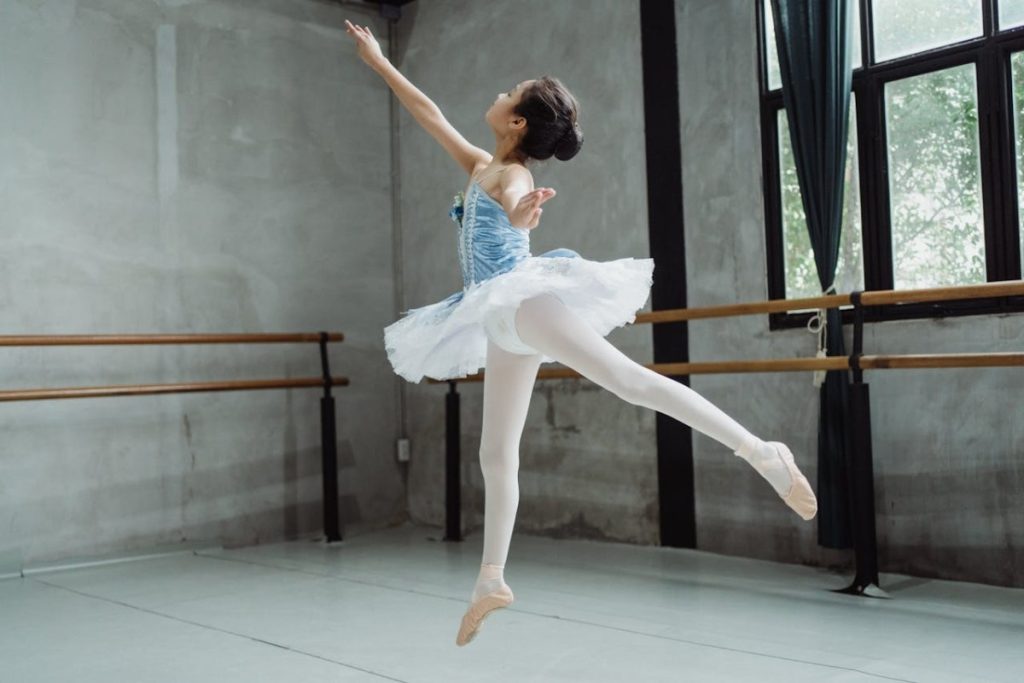
The introduction of pointe shoes in the early 19th century marked another significant evolution in ballet. These shoes, with their stiffened soles and structured boxes at the tips, allow dancers to rise to the tips of their toes, creating an ethereal, floating effect that has become synonymous with ballet. Pointe shoes elevated the aesthetic of ballet, enabling new choreographic possibilities and highlighting the superhuman grace and strength of ballet dancers.
The Physical Extremes Of Ballet
The elegance seen on stage belies the intense, often grueling physical effort that ballet requires. Dancers typically train for hours daily, honing their technique and building the stamina and strength necessary for their performances. This level of commitment to physical excellence is akin to that of professional athletes. Yet, unlike in many sports, ballet dancers must mask their effort, embodying grace and ease even in the most physically demanding sequences.
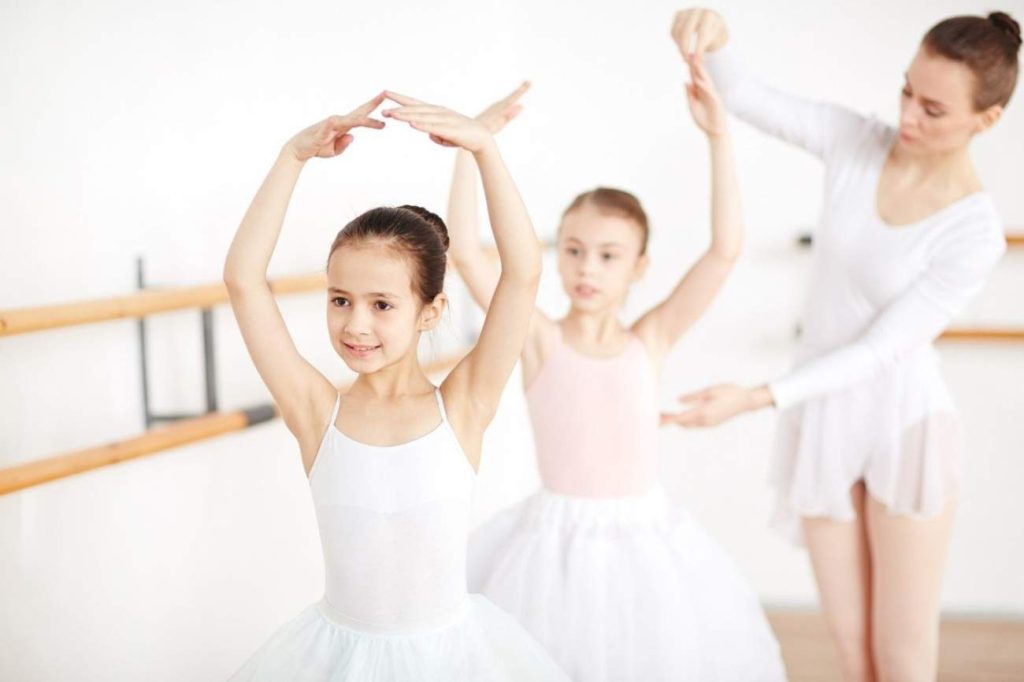
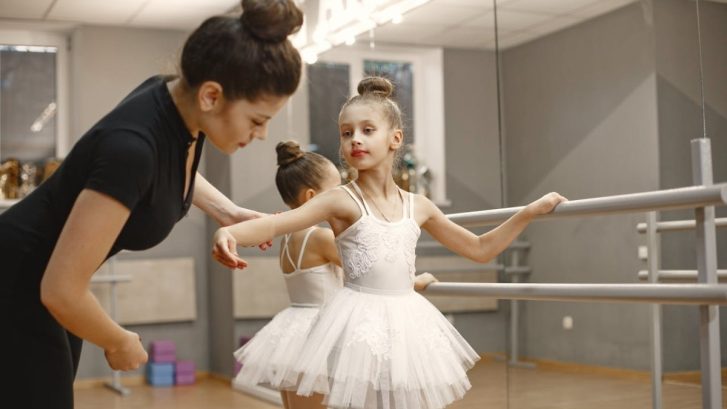
The training starts young, often in childhood, to mold the body’s flexibility and align it with ballet’s strict aesthetic requirements. This early start is crucial because it develops not only the physical capabilities required but also the muscle memory that allows dancers to perform complex combinations of steps with precision. The physical toll, however, is significant. Ballet dancers often face a high risk of injuries such as sprains, fractures, and chronic stress injuries, particularly to the feet, ankles, and spine, due to the repetitive strain of jumps and pointe work.
Role Of Male Dancers
Historically, ballet might conjure images of women in tutus and pointe shoes, but the role of male dancers has been just as pivotal. Originally, men dominated the stage, and it wasn’t until the 19th century that female dancers began to gain prominence. Today, male dancers are celebrated for their strength, agility, and ability to perform complex lifts and powerful jumps. They bring a dynamic presence to ballet that complements the elegance and finesse typically attributed to female dancers.
Great male ballet dancers like Rudolf Nureyev and Mikhail Baryshnikov have become legends, known not just for their technical prowess but for their ability to convey deep emotion and storytelling through dance. They have expanded the roles for men in ballet, moving beyond mere support to becoming central figures in performances. Their contributions have also helped to evolve ballet choreography and technique, pushing the envelope on what can be achieved on stage.
Pioneering Ballet Techniques And Styles
As ballet has evolved, so too have the techniques and styles that dancers learn and perform. Each school or style of ballet comes with its own set of principles and focuses that influence how dancers move and express themselves. For instance, the Vaganova method, developed in Russia, emphasizes the versatility and expressiveness of the upper body and arms, creating a fluid and dramatic style that is visually striking. This method has produced some of the world’s most famous dancers, who are known for their comprehensive ability to convey the story and emotion of the dance.
On the other hand, the Cecchetti method, Italian in its origins, focuses on the precision of movements and the purity of lines, and is celebrated for its detailed and meticulous technique. This method trains dancers to maintain balance and symmetry, which are crucial for executing the intricate choreography that ballet often demands.
In America, the Balanchine technique reshaped ballet with its emphasis on speed, athleticism, and clarity. Developed by George Balanchine, the Russian-born choreographer who co-founded the New York City Ballet, this style is characterized by its explosive jumps and extended lines, pushing dancers to new physical limits while maintaining a distinct aesthetic sharpness.
Iconic Ballets and Their Histories
“Swan Lake,” “The Nutcracker,” and “Giselle” stand as pillars of the ballet repertoire, cherished not just for their aesthetic and technical merits but also for their rich storytelling. “Swan Lake” offers a deep dive into themes of romance, deception, and duality, compelling audiences with its emotional resonance and the technical challenge of the lead’s dual role. “The Nutcracker,” with its magical Christmas setting, transforms theaters into winter wonderlands, appealing to families and introducing many to ballet for the first time.
“Giselle” transports audiences into a world of romantic tragedy and spectral beauty, showcasing ballet’s ability to explore complex emotional landscapes. The historical depth of these ballets reflects the changing tastes and societal attitudes over the centuries, offering a window into the past while remaining timeless in their appeal. Their continued popularity underscores ballet’s capacity to connect with audiences on a profound level, transcending cultural and temporal boundaries.
Ballet In Popular Culture
Ballet’s influence extends far beyond the stage, seeping into movies and television, where it often serves as a backdrop for exploring deeper psychological and social issues. Films like “Black Swan” have brought the rigor and intensity of ballet to the forefront, showcasing the demanding nature of the art and the dedication required of its practitioners. This portrayal helps demystify the art form and broadens its appeal, attracting viewers who might not typically attend a ballet.
Television series and documentaries about ballet also play a crucial role in bringing the nuances of this art form to a broader audience. They highlight the behind-the-scenes work and the personal stories of dancers, presenting ballet as an accessible and relatable form of expression. By showcasing the dedication and resilience of ballet dancers, these media help foster a deeper appreciation and understanding of ballet as a demanding physical and artistic pursuit.
Ballet Companies Around The World
The world’s leading ballet companies, such as the Bolshoi Ballet, The Royal Ballet, and American Ballet Theatre, are custodians of the ballet tradition, dedicated to preserving its heritage and advancing the art form. These institutions not only perform the classic repertoires but also commission new works that reflect contemporary themes and experiment with modern choreography. This balance between tradition and innovation helps keep ballet vibrant and relevant in the global arts scene.
These companies also act as cultural ambassadors, bringing ballet to international audiences and facilitating cultural exchange. Their tours and performances around the globe play a vital role in spreading ballet’s aesthetic and educational value, making it a global art form. Through their commitment to excellence and creativity, these companies inspire new generations of dancers and choreographers, ensuring the continued evolution and longevity of ballet.
Modern Ballet: Evolution And Innovation
Contemporary ballet represents a dynamic evolution of the form, as choreographers integrate modern dance elements and push the boundaries of traditional ballet. This innovation is not just about new movements but also includes using technology to create multimedia performances, enhancing both the storytelling and visual impact. These contemporary productions make ballet relevant to today’s audiences, who appreciate seeing current societal themes reflected on stage.
This modern approach also helps attract a younger, more diverse audience, ensuring the future sustainability of ballet. By embracing change and reflecting contemporary life, ballet remains a compelling and vibrant form of artistic expression. Choreographers like Wayne McGregor and Crystal Pite, known for their innovative approaches, have been instrumental in this modern transformation, ensuring that ballet continues to be a dynamic and evolving art form.
Conclusion
Ballet is more than just a dance form; it’s a dynamic art that has adapted and evolved through the ages, appealing to people across the globe and from all walks of life. Whether you’re a long-time aficionado or new to the world of ballet, there’s always something new and exciting to discover. So why not catch a performance or explore some ballet history online? Dive into the beautiful, challenging world of ballet and see for yourself how this art form continues to inspire and captivate.