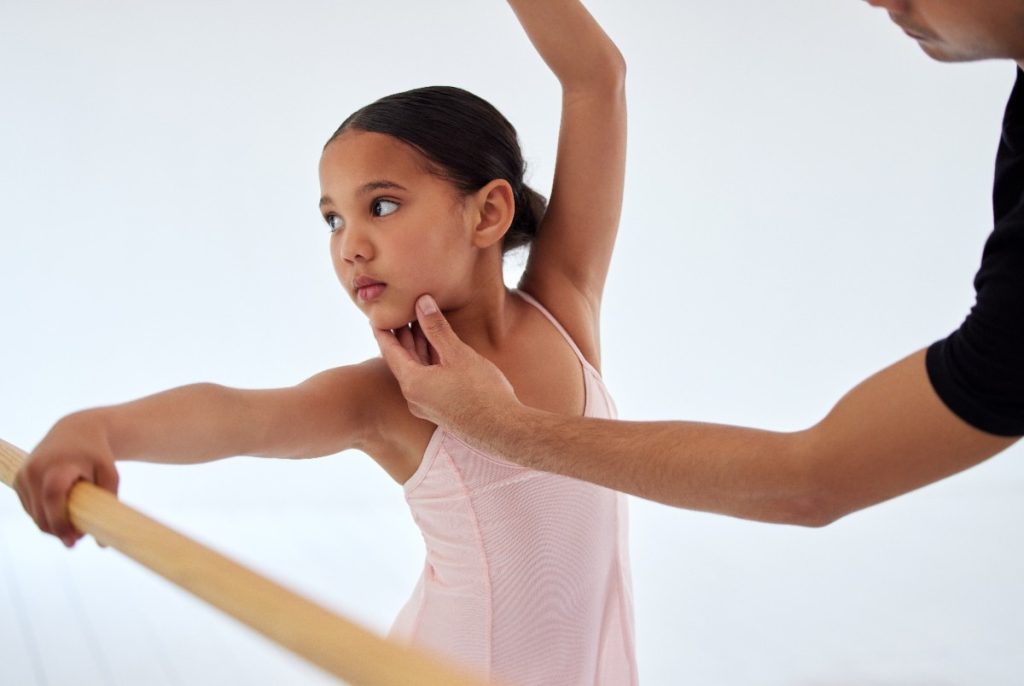
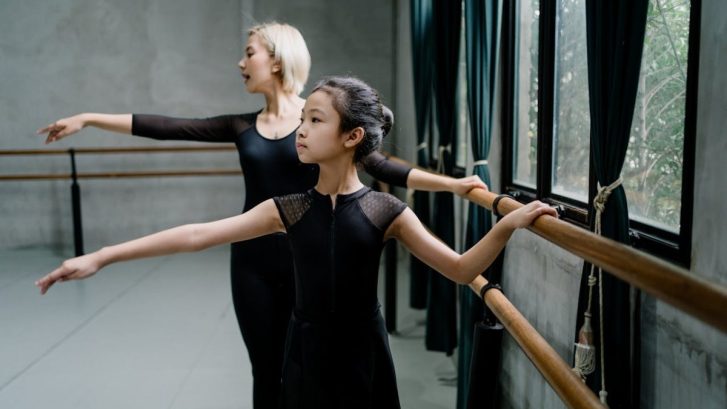
Young ballerina with trainer practicing ballet near barres

Master the Basics: Essential Beginner Ballet Moves You Need to Know

Welcome to the world of ballet—a dance form renowned for its grace and technical precision. If you’re just stepping into your ballet shoes, mastering the basics is your first leap toward becoming proficient in this classic art. This guide will walk you through the essential beginner ballet moves, giving you a solid foundation to build upon.

Ballet Terms and Meanings: The Language of Dance

Before mastering the moves, it’s essential to learn ballet’s vocabulary—a French-rooted language that defines every step and position. Key terms like plié (to bend), tendu (to stretch), and relevé (to rise) aren’t just words; they’re the building blocks of technique. Understanding these terms will help you follow instructions in class and connect movements with precision. As you progress, you’ll discover how terms like arabesque (a poised one-legged balance) and glissade (a gliding step) translate into the graceful storytelling ballet is known for.

Understanding Ballet Foundations

Ballet isn’t just a dance; it’s a language spoken through movements that convey stories and emotions. For beginners, appreciating the structure of a ballet class can significantly enhance learning efficiency. Classes typically start at the barre, where dancers practice basic exercises before moving to the center, where they perform without support. This progression not only helps in building strength and technique but also instills discipline, a quality as crucial as physical agility in ballet.

Ballet Warm-Up Exercises

Before you dive into ballet footwork or attempt any positions, warming up is crucial. Skipping this step can lead to injuries, and that’s the last thing you want. A good warm-up routine begins with gentle stretches to loosen your muscles. Start with neck rolls, shoulder shrugs, and arm circles to release tension in your upper body. Progress to leg stretches and gentle bends. Not only do these exercises prepare your muscles and joints for the strains of ballet, but they also set the stage for a session where body awareness is paramount.

After stretching, incorporate some basic Pilates or yoga moves into your routine. Exercises like the plank, downward dog, or even simple leg lifts improve your core strength, balance, and overall body alignment. These qualities are vital as they form the basis of all ballet movements. Remember, each exercise should be performed with the utmost care to form and posture, setting a high standard for the training session ahead.

Basic Ballet Positions

Once your body is warmed up, it’s time to tackle the basic ballet positions. These foundational stances are crucial; think of them as your ABCs in the language of ballet.

First Position

Start by placing your heels together, toes pointing outwards making a wide angle. Your arms should be rounded with the palms facing inward, as if hugging a giant beach ball. This position teaches balance and alignment.

Second Position

From first, step your feet apart (about a foot or so), still keeping your toes pointing out. Arms extend to the sides, curved slightly, strong but graceful. This position enhances your sense of space and lateral balance.

Third Position

Here, one foot crosses in front of the other, heel to arch. Arms remain curved—one held overhead, the other extended forward. Third position is less commonly used but serves as a good stepping stone to more complex positions and movements.

Fourth Position

Move your front foot about 12 inches forward from third, toes pointing out. One arm is overhead, the other in front with both curved. This position challenges your balance and prepares you for fluid motion in dance sequences.

Fifth Position

Bring your front foot to meet the back foot, heel to toe. Both arms are rounded above your head, closing the circle. This position demands a high degree of discipline and control as it forms the basis for many turns and elegant poses in ballet.

Each position requires careful attention to form—misalignment can lead to habits that are hard to break and can hinder your progression in more advanced techniques.

Ballet Footwork for Beginners

Now that you’re familiar with the basic positions, let’s transition into actual footwork, which brings the dance to life. Understanding and mastering these initial steps will pave the way for more complex sequences as you progress.

Ballerina stands on one foot and holds the other behind her head

Plie

This is essentially a ballet squat. Starting in first or second position, bend your knees over your toes, keeping your heels on the floor as long as possible. The plie is foundational for almost every jump in ballet, helping to absorb shock and provide power.

Tendu

From any of the five positions, slide your foot out along the floor until it is fully extended with only the toes touching, then slide it back in. Tendus train foot articulation, a critical element for fluid, graceful movements.

Glissade

This is a slide rather than a step. Start in fifth position, plie slightly, then glide one foot to the side, followed by the other, to land softly in fifth again. It’s a connecting step that teaches you to move smoothly and maintain poise between more dramatic movements.

Pas de bourrée

This involves a sequence of steps usually executed in three parts: back, side, front. It’s a staple in choreographies for navigating small distances elegantly. Start with the right foot behind, step onto it, bring your left foot to the side, and then step your right foot in front. Reverse the order for the opposite direction.

These steps might seem minor, but they are building blocks for all ballet choreography. Practice them slowly and deliberately, focusing on precision and fluidity. As your confidence grows, so will your ability to execute these steps with the effortless appearance that ballet is known for.

Core Ballet Movements and Sequences

After mastering basic footwork, integrating core ballet movements into sequences can begin. These are more about the artistry of ballet—the expressive movements that often captivate audiences.

Arabesque

In this position, balance on one leg while extending the other behind you at hip height, toes pointed, creating a beautiful long line from your fingertips down to your toes. Your arms can vary in position, but typically one arm extends forward and the other aligns with your leg. The arabesque tests balance and strength and is fundamental for developing a dancer’s center.

Échappé

This jump involves moving from a closed position (like fifth) to an open one (like second) and back again. It’s a lively movement that helps build leg strength and agility. Start with a plie in fifth, then jump and slide your feet out to second, landing with soft knees, and then spring back to the starting position.

Relevé

Literally meaning ‘raised,’ this involves rising onto the balls of your feet (demi-pointe) or full pointe for more advanced dancers. You can perform relevé from any position, and it’s essential for developing calf strength and stability.

By integrating these movements into sequences, you begin to see how individual elements blend into the fluid dance that ballet is celebrated for. For instance, a simple combination could start with a plie, transition into a tendu to the side, move into an arabesque, and finish with a graceful échappé. Each sequence teaches transitions and how to maintain grace under the physical demands of dance.

Building a Practice Routine

Consistency is key when it comes to mastering ballet. Establishing a regular practice routine not only sharpens your skills but also deepens your understanding of the dance. Start with setting a specific time each day for your ballet practice. This helps create a habit and a rhythm, making it easier to stay committed.

Begin every session with a thorough warm-up to prepare your body, focusing on stretches that enhance flexibility and exercises that strengthen your core and legs. This preparation is crucial in preventing injuries and ensuring your body can handle the physical demands of ballet.

After warming up, spend significant time at the barre. Here, you’ll practice the basic positions and fundamental footwork you’ve learned. This repetition is vital; it reinforces muscle memory and helps refine your technique. As you become more comfortable with the basics, gradually introduce more complex combinations and sequences, pushing your limits but always mindful of maintaining proper form.

Once you’ve covered technique practice, devote some time to learning and rehearsing choreographies. This is where you can apply the moves and combinations you’ve practiced into fluid, expressive dance sequences. It’s also a chance to inject some creativity into your routine, experimenting with different expressions and emotional deliveries through your movements.

Finally, end each session with a cool-down. Gentle stretching helps relax your muscles and reduce soreness, ensuring you’re ready for your next practice. Reflect on what went well and identify areas where you might need more focus next time, setting goals for your upcoming sessions.

Conclusion

Mastering the basics of ballet is a journey that involves patience, persistence, and a lot of practice. Whether you’re dreaming of taking the stage or simply looking to embrace the art form as a new hobby, remember that every dancer started where you are now. Keep pushing your limits, practicing regularly, and embracing each new challenge with an open heart.

And if you ever feel stuck, remember: every plié and tendu takes you one step closer to your dance goals. So, lace up those ballet shoes, hit the barre, and let’s dance our way to grace and finesse. Ready to take the next step in your ballet journey? Keep practicing, and maybe I’ll see you at the barre!
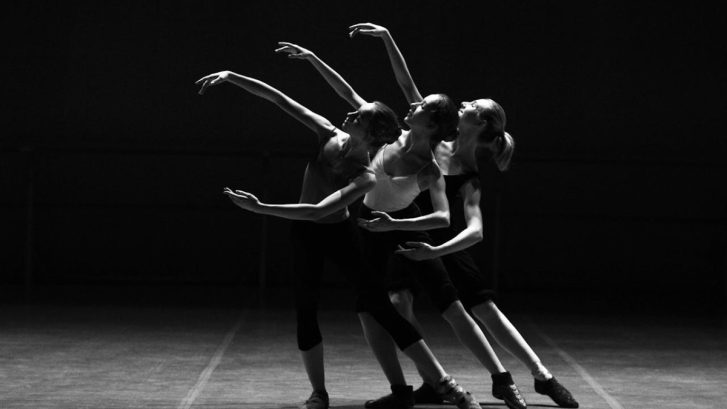
Top 10 Ballet Dancers You Should Know in 2024

Ballet has always held a special place in the hearts of those who appreciate the arts. This year, as we look at the scene, a new wave of talent is making its mark. The world of ballet is alive with artists who not only honor the rich traditions of the dance but also push boundaries to create something truly exciting. As we spotlight the top ballet dancers of 2024, we find individuals who blend athleticism with artistry, bringing fresh creativity and passion to stages across America.

The Current State Of Ballet

This year has seen ballet leap into the forefront of the performing arts, thanks to the daring and innovative efforts of today’s dancers. These artists have managed to keep the traditional essence of ballet alive while weaving in modern elements that resonate with today’s audiences. This blend of old and new keeps ballet relevant and thrilling, allowing it to appeal to a wider audience. The dancers we celebrate today are not just performers; they are ambassadors of an art form that continues to evolve and inspire.

Ballet companies across the nation are supporting this evolution with new productions that challenge the norms and encourage a dialogue between the classical and the contemporary. This willingness to experiment and embrace change is what makes the current ballet scene so vibrant. Each performance is a conversation between dancer and viewer, a narrative told through movement and music.

The Evolution of Ballet In The Modern Era

The journey of ballet into the modern era is marked by an ever-growing interest in fusing genres and exploring new storytelling techniques. This has expanded the scope of what ballet can convey and the themes it can explore. From incorporating technology on stage to adopting themes that speak directly to contemporary issues, ballet is stretching its wings. Today’s top performers are not only skilled in the technical aspects of dance but also in connecting with their audiences on an emotional level.

The role of technology in transforming performances cannot be overstressed. With advancements in stage design, lighting, and sound, ballet performances have become more immersive. Dancers now perform in settings that enhance their storytelling, making each leap and twirl more impactful. This technological support does not overshadow the dancer’s skill but instead enhances the audience’s experience, making each performance a memorable spectacle.

Criteria For Selection

Selecting the top 10 ballet dancers of 2024 was no small feat. The criteria focused on a blend of technical excellence, creative innovation, and the ability to engage and inspire audiences. Each dancer on this list has made significant contributions to the ballet world this year, through standout performances and a commitment to pushing the artistic limits of the form.

These dancers have also been chosen for their role in elevating ballet’s profile in the broader cultural conversation. They are the ones who have stood out in prestigious national competitions, headlined major ballet events, and garnered critical acclaim for their performances. Their work is a testament to their dedication and their drive to keep ballet a dynamic and captivating art form.

Top 10 Ballet Dancers You Should Know In 2024

As we dive into the lives and careers of the dancers who are redefining ballet in 2024, it becomes clear just how much talent and passion drives this art form forward. Here’s a look at some of the standout artists making waves this year.

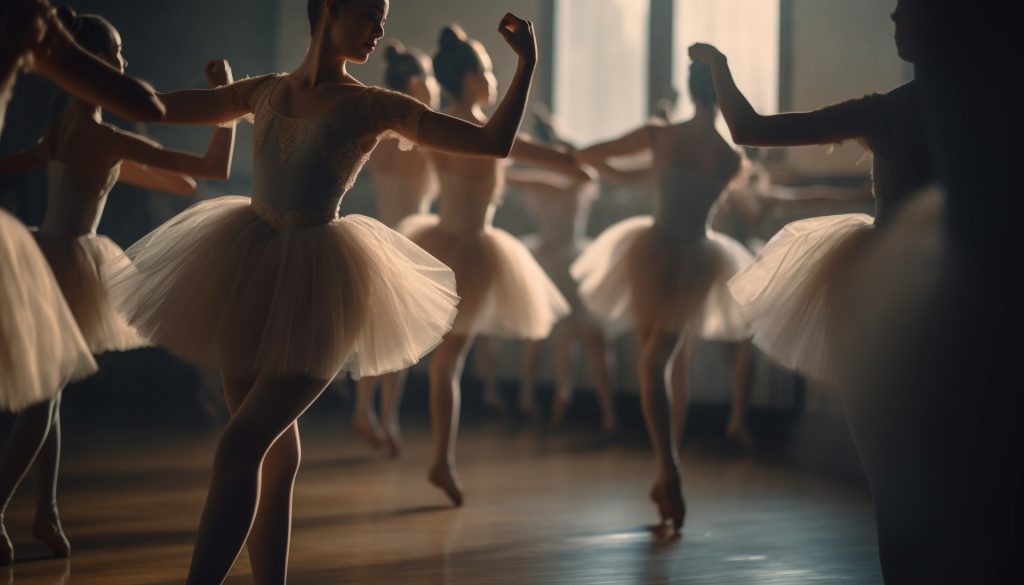
Ballerinas on their toes performing in class

Misty Copeland

Still an influential figure, Misty Copeland continues to captivate audiences as a principal dancer with the American Ballet Theatre. Her pioneering journey and ongoing commitment to the arts make her performances a must-see, and she remains a powerful advocate for diversity and inclusion in ballet.

Isabella Boylston

As a principal dancer with the American Ballet Theatre, Isabella Boylston is celebrated for her impeccable technique and emotional expressiveness. Her performances are noted for their clarity and intensity, making her one of the top ballet performers of 2024.

Precious Adams

An advocate for diversity, Precious Adams’ performances are as compelling as her advocacy. Dancing with the English National Ballet, she brings a unique blend of grace and strength to her roles, pushing the boundaries of traditional ballet narratives.

Madison Keesler

Having performed with the San Francisco Ballet and the English National Ballet, Madison Keesler is known for her versatility and deep artistic expression. Her dedication to exploring complex characters and stories through ballet has earned her critical acclaim.

Yasmine Naghdi

Principal at The Royal Ballet, Yasmine Naghdi is known for her technical precision and emotional depth. Her performances are marked by a remarkable ability to convey deep feelings through movement, making her one of the modern ballet stars of today.

Daniil Simkin

Originally a standout at American Ballet Theatre and now with Staatsballett Berlin, Daniil Simkin is known for his exceptional technical skills and magnetic stage presence. His performances are a blend of athleticism and precision, capturing the essence of modern ballet.

Kimin Kim

A principal dancer with the Mariinsky Ballet, Kimin Kim, originally from South Korea, is celebrated for his breathtaking leaps and profound technical prowess. His performances are a testament to his dedication and skill, making him one of the top ballet performers of 2024.

Olga Smirnova

Having transitioned from the Bolshoi Ballet to the Dutch National Ballet, Olga Smirnova is renowned for her classical technique and commanding stage presence. Her performances are deeply moving, characterized by a mastery of the traditional ballet repertoire and innovative modern works.

Cesar Corrales

Now a principal dancer at The Royal Ballet, Canadian-born Cesar Corrales is celebrated for his dynamic energy and compelling performances. His ability to infuse traditional roles with new life and interpretation makes him a standout figure in the ballet world.

Francesca Hayward

A principal dancer with The Royal Ballet in London, Francesca Hayward is acclaimed for her lyrical performances and versatility. Her ability to adapt to a wide range of styles makes her a pivotal figure in the current ballet scene, bridging classical and contemporary with finesse.

The Impact of These Dancers on the World of Ballet

When we think about the influence these ten ballet dancers have on the world of dance, it’s clear they’re not just part of the conversation—they’re leading it. Their unique approaches and undeniable skills have not only enriched the performances they partake in but have also encouraged a wave of innovation within the ballet community. They inspire young dancers to push their limits and redefine what’s possible in ballet. These artists have sparked new interest in ballet schools, increased attendance at performances, and expanded ballet’s reach through social media and other digital platforms, making ballet more accessible and relatable than ever.

Each dancer’s impact extends beyond their physical performances. They serve as role models, teaching workshops, participating in community outreach, and often speaking about the importance of arts in education. Their influence helps ensure that ballet is seen as a dynamic, evolving art form that is relevant in any era. By challenging traditional norms and integrating modern influences, they keep ballet vibrant and exciting for new generations of audiences and performers alike.

Conclusion

This year’s top ballet dancers have set the stage for a thrilling future in dance. They bring a combination of raw talent, innovative thinking, and a deep passion for the arts, which is evident in every performance. Watching them perform is a reminder of the power of dance to convey emotion, tell stories, and bring people together.

If you’re inspired by the art of movement, take the time to see these performers in action. Whether you’re a longtime ballet enthusiast or just getting interested in the world of dance, their performances are not to be missed. Let’s continue to support and celebrate the remarkable talents that keep the art of ballet alive and thriving. After all, ballet is more than just a dance—it’s a celebration of human expression at its most profound. So grab a ticket, take a seat, and prepare to be moved.

music schools in dubai

How To Choose Music Schools In Dubai

Choosing the right music school in Dubai is a significant decision that can shape your or your child’s artistic future. This vibrant city is renowned for its diverse cultural landscape, which includes a thriving music education scene. Whether you’re a budding classical musician or an aspiring producer, the choice of school can profoundly influence your skills development, network, and career trajectory. In this guide, we delve into the key considerations to help you navigate the decision-making process with confidence.

Understanding Music Education in Dubai

Music education in Dubai is as diverse as the city itself, catering to a broad range of musical interests and career aspirations. The landscape of music schools in Dubai includes everything from small, focused institutions dedicated solely to music, to comprehensive academies that offer both music and dance programs. Additionally, some schools are integrated within larger educational institutions offering a broad array of extracurricular activities.

Before diving into your options, it’s important to understand what each type of school offers. Dedicated music schools typically provide a rich, immersive experience in music education, with programs tailored to serious students seeking intensive training. On the other hand, music and dance schools in Dubai offer a more rounded approach, ideal for students interested in exploring multiple performing arts disciplines simultaneously. Those embedded within larger institutions might offer greater flexibility and resources but could have less specialized programs in music.

Factors to Consider When Choosing a Music School

Selecting the right music school involves more than just opting for the most renowned or conveniently located institution. Several critical factors should influence your decision, ensuring that the chosen school aligns with your educational and career goals.

Curriculum and Programs Offered

The curriculum is the backbone of any educational institution, and in music schools, it dictates the scope and depth of your learning experience. Prospective students should look for a curriculum that not only covers the basics of music theory and practice but also offers advanced courses in specific areas of interest. For instance, if you’re interested in contemporary music, seek out programs that offer courses in modern music styles, music production, and technology.

The best music schools in Dubai will offer a blend of classical training and innovative courses, preparing students for a dynamic musical environment. Look for programs that provide a balanced approach, with both individual instrument training and ensemble participation, as well as opportunities for composing and arranging music.

Faculty and Teaching Staff

The quality of the faculty can significantly impact your learning experience. A school with experienced and highly qualified instructors, who are active musicians or respected figures in the music industry, can offer invaluable insights and mentorship. Investigate the faculty’s credentials and their engagement in the music scene, both locally and internationally. Learning from accomplished musicians who share real-world experiences can provide a deeper understanding and appreciation of the craft.

Facilities and Resources

The availability of high-quality facilities is crucial in music education. State-of-the-art facilities like soundproof practice rooms, recording studios, and concert halls not only enhance the learning experience but also prepare students for the professional environment. Additionally, access to a variety of musical instruments and the latest music technology can significantly enrich the educational process.

Evaluating Music Schools in Dubai

After considering the practicalities, it’s essential to evaluate the music schools on your list critically.

Reputation and Reviews

A school’s reputation can speak volumes about the quality of its programs and the success of its graduates. Researching reviews and feedback from current students and alumni can provide insight into the real-world experiences and satisfaction levels within the school community. Online forums, social media, and education websites often feature discussions that can reveal the strengths and potential weaknesses of each institution.

Performance and Opportunities

The opportunities a school provides can significantly enhance your educational experience. Look for schools that actively organize recitals, invite guest artists, and facilitate student participation in local and international music competitions. These experiences are invaluable for growing your skills and building a comprehensive portfolio.

Community and Networking

The music community you immerse yourself in can greatly influence your career opportunities. Schools with strong industry connections often facilitate networking events, master classes with music professionals, and internships at local music companies. Such environments can be pivotal in launching a successful music career by connecting you with mentors and industry insiders.

Practical Considerations

Selecting the right music school is not just about the quality of education you will receive. There are also practical matters to consider that will affect your daily life and overall experience.

Location and Accessibility

The location of the school is more important than it might initially seem. You’ll want to consider how easy it is to get to the school from your home or work. Is it accessible by Dubai’s public transportation, or will you need a car? The answers to these questions can significantly impact your daily routine and the convenience of attending classes, especially if you or your child are juggling multiple commitments.

Additionally, the environment surrounding the school can play a role in your education. A location in a vibrant, culturally rich area may offer more opportunities for live performances and artistic inspiration. Conversely, a school situated in a quieter, more secluded area might provide the calm necessary for focused study. Each has its benefits depending on your personal preferences and lifestyle.

Tuition and Financial Aid

Cost is often one of the most significant factors in choosing a music school. Tuition for music schools in Dubai can vary widely based on the prestige of the institution, the type of program, and the facilities offered. It’s essential to get a clear picture of the tuition fees and any additional costs such as for materials, instruments, or performance trips.

However, don’t let the sticker price deter you without first exploring financial aid opportunities. Many of the best music schools in Dubai offer scholarships, bursaries, or payment plans that can make the fees more manageable. Some schools also offer merit-based scholarships, which can be a great way to reduce costs if you or your child has a strong music background.

best music schools in dubai

How to Make the Final Decision

With all this information in hand, you are well-equipped to make a well-informed decision. However, there are a few more steps you can take to ensure you choose the right school.

Visiting Schools

Nothing can replace the experience of actually visiting a school. This visit can provide insight into the atmosphere and dynamics of the place. Observe the interaction between students and teachers, check out the facilities, and get a feel for the overall environment. Are the practice rooms bustling with activity? Is the equipment well-maintained? These observations can tell you a lot about how the school is run and its priorities.

Trial Lessons and Workshops

Many schools offer trial lessons or free workshops for prospective students. These opportunities allow you to experience the teaching style first-hand and see how you connect with the faculty. They can also be a great way to assess the level of instruction and whether it matches your expectations and needs.

Consulting with Current Students and Alumni

Speaking with current students and alumni can give you invaluable insights that you cannot get from a brochure or website. They can provide honest feedback about their experiences, the challenges they faced, and what they like most about their school. Alumni success stories can also be a testament to the school’s efficacy and the opportunities it can provide post-graduation.

Choosing the right music school in Dubai involves a blend of personal, practical, and professional considerations. From the quality of the curriculum and faculty to the school’s culture and networking opportunities, every aspect plays a crucial role in your music education journey. By visiting schools, attending trial sessions, and speaking with current students and alumni, you’ll gather the insights needed to make an informed decision.

centre for musical arts dubai

Centre for Musical Arts Dubai

The importance of creative outlets for children cannot be overstated in today’s fast-paced world. From developing cognitive abilities to enhancing emotional well-being, engaging in the arts provides children with a well-rounded education that extends far beyond the confines of traditional academic subjects.

Among the many forms of artistic expression, music stands out as a universal language that transcends cultural and linguistic barriers. As a result, centers for musical arts have become invaluable institutions, offering young minds the opportunity to explore and cultivate their musical talents. This blog post delves into the significance of such centers, the benefits they provide to children, and why they are essential for fostering a lifelong love for the arts.

The Role of Music in Child Development

Music is more than just a form of entertainment; it is a powerful tool for child development. Studies have shown that children who engage in musical activities from a young age demonstrate improved language skills, better memory retention, and enhanced spatial-temporal skills. Learning to play an instrument or sing in a choir also promotes discipline, patience, and perseverance—qualities that are essential for success in all areas of life.

Moreover, music has a profound impact on a child’s emotional development. It serves as a medium for self-expression, allowing children to explore and communicate their feelings in a safe and supportive environment. Whether through the soothing melodies of a piano or the energetic beats of a drum, music enables children to connect with their emotions and develop a deeper understanding of themselves and others.

Why Centers for Musical Arts Matter

Centers for musical arts play a crucial role in providing children with access to high-quality music education. These institutions are dedicated to nurturing the musical abilities of young learners, offering a structured yet creative environment where they can thrive. Unlike private lessons or school-based music programs, centers for musical arts often offer a wide range of classes and programs tailored to different age groups, skill levels, and musical interests.

One of the key advantages of enrolling a child in a center for musical arts is the opportunity for social interaction. Music is inherently collaborative, and participating in group classes, ensembles, or orchestras helps children develop teamwork and communication skills. They learn to listen to others, synchronize their efforts, and contribute to a collective goal—all while building lasting friendships with their peers.

In addition to social benefits, centers for musical arts provide children with access to experienced instructors who are passionate about teaching. These educators are often accomplished musicians themselves, bringing a wealth of knowledge and expertise to their classes. Their guidance not only helps students develop technical skills but also fosters a deep appreciation for music as an art form. Whether it’s mastering the basics of an instrument or exploring advanced techniques, the personalized attention and encouragement from skilled instructors make a significant difference in a child’s musical journey.

A Safe and Supportive Learning Environment

One of the hallmarks of a center for musical arts is its commitment to creating a safe and supportive learning environment. These institutions understand that every child is unique, with their own strengths, challenges, and learning styles. As such, they offer a nurturing atmosphere where students are encouraged to take risks, make mistakes, and learn at their own pace.

For many children, the fear of failure can be a significant barrier to learning. However, in a supportive environment, mistakes are viewed as valuable learning opportunities rather than setbacks. This approach not only builds confidence but also fosters a growth mindset—an essential trait for success in both music and life.

Centers for musical arts often emphasize the importance of holistic education. This means that in addition to developing technical skills, students are encouraged to explore the broader aspects of music, such as composition, improvisation, and music theory. This well-rounded approach ensures that children not only become proficient musicians but also develop a deep understanding and appreciation of the art form.

Fostering Creativity and Imagination

One of the most significant benefits of attending a center for musical arts is the opportunity to foster creativity and imagination. Music, by its very nature, encourages children to think outside the box and explore new ideas. Whether it’s composing a piece of music, improvising a melody, or interpreting a song in their unique way, children are constantly challenged to use their creativity.

This creative process is not only enjoyable but also immensely beneficial for cognitive development. It encourages critical thinking, problem-solving, and innovation—skills that are highly valued in today’s rapidly changing world. Moreover, the ability to think creatively and express oneself through music can have a positive impact on a child’s self-esteem and confidence.

In addition to fostering creativity, centers for musical arts often provide opportunities for performance. Recitals, concerts, and other events allow children to showcase their talents and share their music with others. These experiences are invaluable, as they help students develop stage presence, overcome performance anxiety, and gain a sense of accomplishment.

pianos music & art centre

The Long-Term Benefits of Music Education

The benefits of music education extend far beyond childhood. Research has shown that individuals who engage in music from a young age continue to reap the rewards throughout their lives. For instance, adults with a background in music are often more adept at managing stress, have better memory retention, and exhibit higher levels of creativity.

Moreover, the discipline and perseverance required to master a musical instrument can translate into success in other areas of life. Whether it’s excelling in academics, pursuing a career, or maintaining healthy relationships, the skills and qualities developed through music education are invaluable.

Additionally, music has the power to bring joy and fulfillment throughout one’s life. For many, playing an instrument or singing provides a lifelong source of relaxation, self-expression, and connection with others. Whether as a hobby, a profession, or a means of personal growth, music remains an integral part of many people’s lives.

Conclusion: The Importance of Centers for Musical Arts

In conclusion, centers for musical arts play a vital role in nurturing the musical talents and creative potential of children. These institutions offer a structured and supportive environment where young learners can explore their passion for music, develop essential life skills, and build a lifelong appreciation for the arts. By providing high-quality music education, experienced instructors, and opportunities for social interaction and performance, centers for musical arts help shape well-rounded individuals who are not only skilled musicians but also confident, creative, and emotionally resilient.

For parents seeking to enrich their child’s education and provide them with the tools for personal and academic success, enrolling in a center for musical arts is an investment that pays dividends for a lifetime. Whether your child dreams of becoming a professional musician or simply enjoys making music as a hobby, the experiences and lessons gained at a center for musical arts will leave a lasting impact on their lives.

music classes in dubai

Music Classes in Dubai

Dubai, a city known for its vibrant culture and cosmopolitan lifestyle, has seen a growing interest in music education over the past decade. As a hub of cultural exchange, Dubai offers a unique environment where individuals can explore a wide range of musical traditions from around the world. Whether you’re a beginner looking to discover a new hobby or an experienced musician aiming to hone your skills, the music classes in Dubai provide opportunities for people of all ages and backgrounds to engage with music in meaningful ways.

Music education is more than just learning to play an instrument or sing a song. It’s about developing a deeper understanding of the art form, improving cognitive abilities, and fostering personal growth. In Dubai, music classes are not only about skill acquisition but also about cultivating creativity and discipline. The city’s diverse and multicultural population makes it an ideal place to learn and experience different music styles, offering a rich educational journey that goes beyond traditional learning.

Why Choose Music Classes in Dubai?

Choosing to enroll in music classes in Dubai comes with a variety of benefits, thanks to the city’s unique attributes. Dubai is home to a melting pot of cultures, each bringing its own musical heritage. This cultural diversity is reflected in the variety of music classes available, allowing students to explore different genres and traditions from around the globe. Whether you’re interested in Western classical music, traditional Arabic music, or contemporary genres like jazz and rock, you can find a class that caters to your interests.

Another significant advantage of taking music classes in Dubai is the quality of instructors. Many music teachers in Dubai have international experience, having studied or performed in major music capitals around the world. This level of expertise ensures that students receive top-notch education, whether they are learning the basics or mastering advanced techniques. Moreover, the instructors often bring with them a wealth of knowledge about different teaching methodologies, allowing them to tailor their lessons to the individual needs of each student.

Dubai’s music schools are also known for their state-of-the-art facilities. From fully equipped music studios to acoustically designed classrooms, these institutions provide an environment conducive to learning and creativity. Students have access to high-quality instruments and technology, which enhances the learning experience. Additionally, many schools in Dubai offer opportunities for students to participate in public performances, recitals, and competitions. These events not only help students build confidence but also give them a platform to showcase their talents to a broader audience.

Types of Music Classes Available in Dubai

Dubai’s music schools and academies offer a wide range of classes to suit different interests and skill levels. Whether you want to learn to play an instrument, improve your vocal skills, or delve into music theory and composition, there is something for everyone.

Instrumental Music Classes are among the most popular options. These include classes for piano, guitar, violin, drums, and wind instruments like the flute and saxophone. Whether you’re drawn to the elegance of the piano or the energy of the drums, you can find classes that cater to both beginners and advanced players.

Vocal Music Classes are equally diverse. Students can choose between classical vocal training, which includes Western and Eastern traditions, and contemporary singing classes that focus on genres like pop, rock, and jazz. For those interested in group dynamics, choir and ensemble singing classes are also available, offering a collaborative and socially engaging way to learn.

For those with a more theoretical bent, Music Theory and Composition Classes provide the foundation needed to understand the structure and principles behind music. These classes cover everything from basic music theory to advanced composition techniques, making them ideal for aspiring composers and songwriters. Specialized courses in electronic music production and DJing are also available, reflecting Dubai’s dynamic music scene and its embrace of modern music trends.

In addition to these, Dubai also offers Specialized Music Classes that cater to specific needs and interests. For example, music therapy classes use music as a tool for healing and emotional well-being, while classes designed for children focus on early childhood music education, helping young learners develop a love for music from a young age.

Finding the Best Music Classes in Dubai

Finding the right music class in Dubai can feel overwhelming, especially with so many options available. However, with a few simple steps, you can ensure that you choose the best music classes in Dubai that align with your goals and interests.

Start by researching the different music schools and academies in the city. Look for institutions with a strong reputation and positive reviews from students. It’s also a good idea to check if the school is accredited or recognized by any international music education bodies. Accreditation can be a good indicator of quality, as it often means the school adheres to certain standards in teaching and facilities.

Once you have a list of potential schools, consider attending a trial class. Many music schools in Dubai offer trial sessions that allow you to experience their teaching style, facilities, and environment firsthand. This is an excellent way to get a feel for whether a particular class or instructor is the right fit for you. During the trial class, pay attention to how the instructor interacts with students and whether the teaching methods resonate with you.

Another crucial factor is location. Dubai is a large city, and traffic can be unpredictable, so it’s essential to choose a music school that is conveniently located, either near your home, workplace, or a place you frequent. This can make it easier to maintain a regular schedule, which is key to making progress in your music education.

Cost is another important consideration. While music education is an investment, it’s essential to compare prices to ensure you’re getting good value for your money. Some schools may charge higher fees because they offer additional benefits like performance opportunities, personalized lessons, or access to high-quality instruments. Make sure to weigh these factors against the cost to determine what works best for your budget.

Finally, take the time to evaluate the curriculum and teaching methods. Some schools follow a structured curriculum, which can be beneficial if you’re looking for a systematic approach to learning. Others may offer more flexible, student-centered teaching methods, which can be ideal if you prefer a more personalized learning experience. Understanding the curriculum can help you set realistic expectations and ensure that the class meets your learning objectives.

Popular Music Schools and Academies in Dubai

Dubai is home to several renowned music schools and academies, each offering unique programs and specialties. Some of the best music classes in Dubai are found in these institutions, known for their commitment to excellence in music education.

One of the most well-known music schools in Dubai is Melodica Music and Dance Institute. With multiple locations across the city, Melodica offers a wide range of classes, from piano and guitar to vocal training and dance. Their instructors are highly qualified, with many having international experience. Melodica is particularly noted for its focus on both classical and contemporary music, making it a great choice for students looking to explore different genres.

Centre for Musical Arts (CMA) is another top choice for music education in Dubai. Located in the heart of the city, CMA offers comprehensive programs for both children and adults. Their classes cover a broad spectrum of musical disciplines, including instrumental lessons, vocal training, and music theory. What sets CMA apart is their community-driven approach, offering numerous opportunities for students to perform and collaborate with others, which can be incredibly enriching for your musical journey.

For those interested in more specialized training, SAE Institute Dubai offers courses in electronic music production and audio engineering. Known for its industry-focused curriculum, SAE is ideal for students looking to pursue a career in music production or sound design. The institute’s facilities are top-notch, equipped with professional-grade studios and cutting-edge technology, providing an immersive learning experience that prepares students for the demands of the music industry.

Another noteworthy mention is The Dubai Music School, one of the oldest music institutions in the city. Established in 1979, the school has a long history of nurturing musical talent in Dubai. They offer a wide range of classes, including instrumental lessons, vocal training, and music theory. The Dubai Music School is particularly popular for its personalized approach, with instructors tailoring lessons to each student’s needs and goals.

Each of these schools brings something unique to the table, so it’s worth exploring them to find the one that aligns best with your musical aspirations.

Benefits of Enrolling in Music Classes in Dubai

Enrolling in music classes in Dubai offers a multitude of benefits that go beyond just learning to play an instrument or sing. One of the most significant advantages is personal development. Music education has been shown to boost confidence, improve discipline, and enhance creativity. As you progress in your music classes, you’ll likely notice these qualities growing in other areas of your life as well.

Academic advantages are another key benefit. Studies have consistently shown that music education can improve cognitive skills, such as memory, attention, and problem-solving abilities. These skills are transferable and can help you perform better in academic settings, whether you’re a student in school or someone pursuing further education.

Music classes also offer social benefits. By participating in group lessons, ensembles, or choirs, you’ll have the opportunity to meet new people and build connections with others who share your passion for music. This sense of community can be incredibly rewarding, offering both friendship and a support network as you progress in your musical journey.

For those considering a career in music, Dubai’s music classes can serve as a stepping stone to professional opportunities. Whether you aspire to be a performer, composer, or music producer, the skills and knowledge gained in these classes can help you achieve your goals. Many of Dubai’s music schools have connections with the broader music industry, providing students with valuable networking opportunities and exposure to potential career paths.

Enrolling in music classes in Dubai can also be a way to engage with the city’s rich cultural landscape. Dubai’s diverse population means that students have the chance to learn and perform a wide range of musical styles, from traditional Arabic music to Western classical and contemporary genres. This exposure to different musical traditions can broaden your horizons and deepen your appreciation for music as an art form.

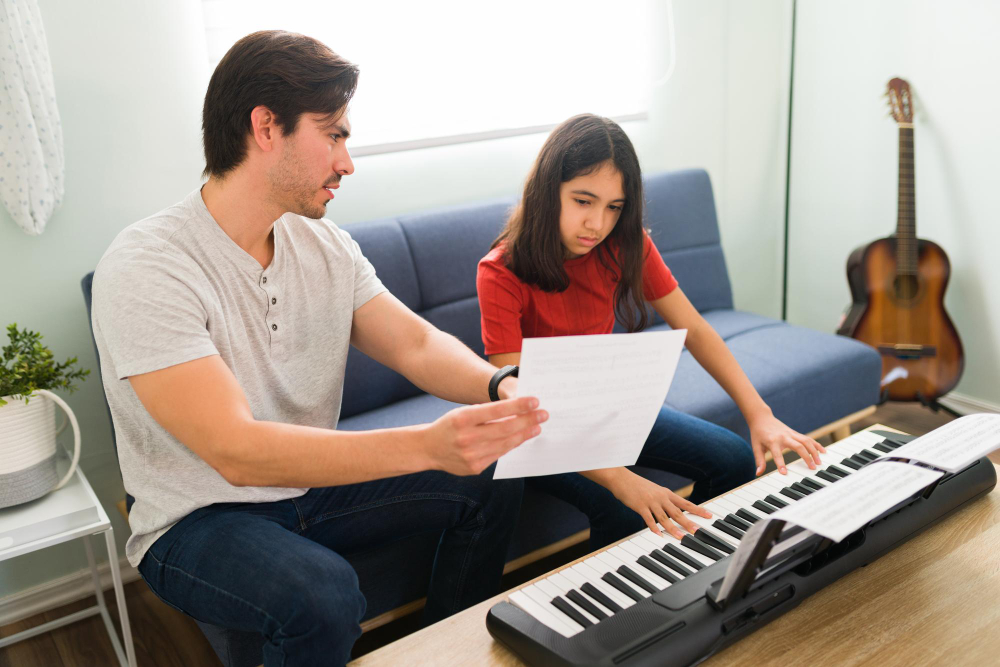
A father holds sheet music for his daughter who is playing a keyboard

Finding the Right Piano Teacher in Dubai for Personalized Learning

If you’re looking to master the piano, finding a piano teacher in Dubai who aligns with your learning style is key to success. Dubai offers a wealth of highly skilled instructors, many with international training, ensuring students receive top-quality musical education. Whether you’re a beginner seeking foundational skills or an advanced player refining your technique, a professional piano teacher can tailor lessons to your pace and goals. With options ranging from classical to contemporary styles, Dubai’s diverse music scene provides the perfect environment to nurture your passion for the piano.

What To Expect from Your First Music Class

Starting your first music class can be an exciting experience, but it’s natural to have a few questions about what to expect. Knowing what lies ahead can help you feel more prepared and confident as you begin your musical journey.

The enrollment process is typically straightforward. Once you’ve chosen a music school, you’ll likely go through a brief registration process, which may include selecting a class based on your skill level, choosing a preferred schedule, and discussing your musical goals with an instructor. Some schools also offer an assessment session to determine your current level, especially if you’re not a complete beginner.

When you attend your first lesson, it’s important to come prepared. Depending on the class, you may need to bring your instrument, a notebook for taking notes, and any materials the school has recommended, such as sheet music or textbooks. Don’t worry if you don’t own an instrument yet; many schools provide rental options or have instruments available for use during class.

A typical music class usually starts with a warm-up or introductory activity, especially in vocal or instrumental lessons. Your instructor will then guide you through the basics, whether it’s learning to hold the instrument correctly, understanding fundamental music theory, or starting with simple exercises. The first few lessons are often focused on building a solid foundation, so don’t be discouraged if you’re not playing full songs right away. This time is essential for developing the skills you’ll need as you progress.

Tips For Success In Music Classes

Succeeding in music classes requires more than just attending lessons; it involves dedication, practice, and a positive mindset. Here are a few tips to help you get the most out of your music education.

First and foremost, regular practice is crucial. While it might be tempting to only practice when you have a class coming up, consistent daily practice—even if it’s just for a short time—will help you improve faster. Try to establish a routine that fits into your schedule and stick to it.

Staying motivated can sometimes be a challenge, especially when you hit a plateau or face difficult concepts. To keep your enthusiasm alive, set small, achievable goals and celebrate your progress. Whether it’s mastering a new chord, hitting a high note, or composing a short melody, recognizing these milestones can keep you motivated.

Engaging with the local music community can also enhance your learning experience. Dubai has a vibrant music scene with various events, performances, and meet-ups. Joining a music group or attending local gigs can inspire you and provide additional learning opportunities outside the classroom.

Conclusion

Music classes in Dubai offer a wealth of opportunities for personal growth, skill development, and cultural exploration. Whether you’re a beginner or an experienced musician, the city’s diverse and high-quality music education scene has something to offer everyone. So why not take the next step? Explore the best music classes in Dubai, find the right fit for you, and start your musical journey today. The world of music is waiting for you—just a click or a call away.

piano lessons dubai

Piano Lessons Dubai

Dubai’s vibrant and diverse cultural landscape has seen a notable rise in the appreciation of arts and music. Among the many artistic pursuits available, piano lessons have become increasingly popular. In a city known for its cosmopolitan lifestyle, learning to play the piano offers residents both a creative outlet and a way to engage with a global community of musicians.

The interest in piano lessons in Dubai spans all age groups and backgrounds, reflecting the city’s dynamic population. From young children taking their first steps in music to adults looking to refine their skills or pick up a new hobby, the piano appeals to many. This growing demand has led to a flourishing of options for piano instruction, making it easier than ever to find the right lesson format to suit individual needs.

Importance of Learning Piano

Learning to play the piano is more than just mastering an instrument; it’s an enriching experience that contributes to personal development. For children, piano lessons can enhance cognitive abilities, improve concentration, and foster discipline. The process of learning to read music and translate it into the movement of fingers across keys is a complex task that strengthens neural connections in the brain.

Adults, too, can benefit significantly from learning the piano. It’s a fantastic way to relieve stress, improve memory, and enhance emotional well-being. The satisfaction that comes from progressing in one’s musical ability is immense, providing a sense of accomplishment and joy. In a fast-paced city like Dubai, where work and social commitments can be overwhelming, piano lessons offer a therapeutic escape and a chance to indulge in something deeply rewarding.

Understanding the Piano Lesson Landscape in Dubai

Types of Piano Lessons Available

When it comes to piano lessons in Dubai, the variety is as diverse as the city itself. Whether you’re looking for private lessons, group sessions, or the flexibility of online learning, Dubai has something to offer everyone.

Private Piano Lessons are ideal for those who prefer personalized instruction. These one-on-one sessions allow the teacher to tailor the lessons according to the student’s individual pace and learning style. This format is particularly beneficial for those who want focused attention on technique and theory, or for beginners who need a more guided approach to learning.

Group Piano Lessons offer a different dynamic, where students learn alongside peers. This format is great for those who enjoy a social learning environment. It encourages collaboration and friendly competition, which can be motivating for students. Group lessons are often more affordable than private ones, making them a good option for those looking to balance quality with cost.

Online Piano Lessons have gained popularity, especially in recent years. They provide the convenience of learning from the comfort of your home, making them a flexible option for busy professionals or those who prefer not to commute. The advancement in digital platforms has made online learning interactive and engaging, with many instructors using high-quality video calls and digital resources to deliver effective lessons.

Choosing the Right Piano Lesson Format

Selecting the right format for piano lessons is crucial to ensuring a positive and productive learning experience. The choice largely depends on your personal preferences, schedule, and budget. If you thrive in a social setting, group lessons might be your best bet. If you need flexibility, online lessons could be the perfect solution. And if you desire personalized attention to refine your skills, private lessons are the way to go.

Finding Affordable Piano Lessons in Dubai

Price Range for Piano Lessons

One of the first things people often consider when exploring piano lessons in Dubai is the cost. The good news is that there’s a wide range of pricing options available, catering to different budgets. Private piano lessons tend to be on the higher end, with prices typically ranging from AED 200 to AED 500 per hour, depending on the instructor’s experience and the location. Group lessons are generally more affordable, often costing between AED 100 and AED 300 per session. Online lessons can vary widely in price, but they often offer more flexibility and cost savings, with some packages available for as low as AED 50 per session.

It’s important to remember that while price is a key factor, it shouldn’t be the only consideration. The quality of instruction, the experience of the teacher, and the overall learning environment are equally important. A higher price often reflects the value of a well-qualified instructor who can offer a more structured and effective learning experience.

Tips for Finding Affordable Piano Lessons in Dubai

If you’re looking to find affordable piano lessons in Dubai without compromising on quality, there are several strategies you can use. First, do your research. Take the time to compare different music schools and freelance instructors. Many schools offer promotional deals or discounts for booking a package of lessons upfront, which can be a great way to save money in the long run.

Another option is to consider group lessons. Not only are they generally less expensive, but they also provide a supportive environment where you can learn alongside others. Group lessons often have the added benefit of fostering a sense of community and motivation among students, which can enhance the learning experience.

For those who prefer private lessons but are on a budget, consider looking for less experienced instructors who are still qualified. These teachers may charge lower rates but can still offer high-quality instruction, especially for beginners or intermediate students. Additionally, you might find that some instructors offer sliding scale fees or discounted rates for students who commit to regular sessions.

Balancing Cost and Quality

When it comes to piano lessons, striking the right balance between cost and quality is essential. While it might be tempting to opt for the cheapest option available, it’s important to ensure that the lessons still provide value. A lower cost doesn’t necessarily mean a lesser experience, but it does require you to be more diligent in selecting an instructor or school that meets your needs.

Look for teachers who have good reviews or come recommended by others. If possible, attend a trial lesson to gauge the teaching style and see if it aligns with your learning goals. The key is to find an instructor who can offer personalized feedback and guidance while keeping you motivated and engaged.

Identifying the Best Piano Lesson for Children in Dubai

Key Features to Look for in Children’s Piano Lessons

When it comes to choosing piano lessons for children, there are specific features that can make a big difference in the overall experience. The best piano lesson for children in Dubai should be both educational and enjoyable, fostering a love for music that will last a lifetime. Look for programs that use age-appropriate teaching methods, such as games, interactive exercises, and simple pieces that children can learn quickly. These approaches help keep young learners engaged and motivated.

Another important feature is the structure of the lessons. Children thrive on routine and consistency, so it’s beneficial to find lessons that offer a clear progression path. This includes setting achievable goals, tracking progress, and celebrating milestones. Programs that incorporate these elements tend to keep children more focused and excited about their learning journey.

Top Music Schools Offering Piano Lessons for Children

Dubai is home to several highly reputed music schools that specialize in piano lessons for children. These schools often have experienced instructors who are skilled in teaching young learners and creating a positive, encouraging environment. Schools like Melodica Music Center, Dubai Music School, and The Music Chamber are well-known for their comprehensive programs that cater specifically to children.

These institutions typically offer a variety of lesson formats, from individual sessions to small group classes, allowing you to choose the best fit for your child’s needs. Additionally, many of these schools provide performance opportunities, such as recitals and competitions, which can be incredibly motivating for children and give them a sense of achievement.

woman sitting on the floor with keyboard, guitar and mic beside her as she jots something in her notebook

What to Expect During Piano Lessons

The Typical Structure of a Piano Lesson

Whether you’re a beginner or someone returning to the piano after a break, knowing what to expect during a piano lesson can help you feel more prepared and at ease. Typically, a piano lesson starts with a warm-up, which might include finger exercises or scales to get your hands and mind ready to play. This is followed by a review of previous material, where you’ll go over pieces or techniques you’ve been working on.

Next, your instructor will introduce new material. This could be a new piece to learn, a specific technique, or a bit of music theory. The goal here is to build on what you’ve already learned, gradually increasing the complexity of the music and your understanding of how to play it. Your teacher might also spend some time focusing on areas where you need extra practice, offering personalized tips to help you improve.

Lessons often wrap up with a brief discussion of what you’ll work on before the next session. This might include specific practice goals, like mastering a particular section of a piece or improving a certain technique. A well-structured piano lesson leaves you feeling both challenged and motivated, with a clear idea of what to focus on during your practice sessions at home.

Progression Through Different Levels

Piano lessons are designed to take you on a journey from a complete beginner to a more advanced player, with each level introducing new challenges and rewards. As you progress, you’ll notice a shift in the complexity of the music you’re playing. Beginners start with simple pieces that teach the basics of reading music, hand positioning, and rhythm. These foundational skills are crucial as they set the stage for more advanced techniques.

As you move up to intermediate levels, you’ll begin to play more intricate pieces, incorporating different styles and genres of music. At this stage, lessons will likely focus more on expression and dynamics, helping you develop your unique musical voice. Advanced students tackle complex compositions, diving deeper into music theory and technique. This level is where all your hard work comes together, allowing you to perform challenging pieces with confidence and flair.

The Role of Practice in Mastering the Piano

Practice is where the real learning happens. While lessons provide you with the guidance and tools you need, regular practice is essential to mastering the piano. It’s during practice that you’ll solidify what you’ve learned, improve your muscle memory, and develop your own style.

A good practice routine doesn’t have to be long—consistency is key. Even 20 to 30 minutes a day can make a significant difference in your progress. During practice, it’s important to focus on specific goals, whether it’s perfecting a tricky passage, working on hand coordination, or simply playing through a piece to build confidence. Over time, you’ll see how consistent practice translates into noticeable improvement in your playing.

Tips for Maximizing the Benefits of Piano Lessons

Setting Realistic Goals

Setting goals is a great way to stay motivated and track your progress in piano lessons. Whether it’s learning to play a favorite song, mastering a new technique, or preparing for a recital, having a clear objective can help you stay focused. Start with small, achievable goals, like learning a few bars of a piece or improving your hand positioning, and gradually build up to larger milestones.

Remember, learning the piano is a journey. It’s important to celebrate your successes along the way, no matter how small they might seem. Each goal you achieve is a step forward in your musical journey, and recognizing these achievements can keep you motivated and excited about what’s to come.

Creating a Conducive Learning Environment at Home

Your home practice space plays a big role in your success as a piano student. It’s important to create a comfortable, distraction-free environment where you can focus on your practice. Make sure your piano or keyboard is set up in a quiet area with good lighting. Having all your materials—like sheet music, a metronome, and a notebook—easily accessible will help you stay organized and make the most of your practice time.

Consistency is also important when it comes to practicing at home. Try to set a regular practice schedule that fits into your daily routine. Whether it’s first thing in the morning or after school or work, having a set time to practice can help you develop a habit that’s easy to stick with.

Parental Involvement in Children’s Piano Education

For children, having supportive parents can make all the difference in their piano learning journey. As a parent, you can help by encouraging regular practice, attending lessons, and showing interest in what your child is learning. Even if you don’t play an instrument yourself, your involvement can motivate your child and help them stay engaged.

Simple actions, like asking your child to play a piece they’re working on or helping them set practice goals, can make piano lessons a more enjoyable and rewarding experience. Remember, the key is to keep the experience positive and stress-free, helping your child develop a lifelong love for music.

Conclusion

Piano lessons in Dubai offer a wealth of opportunities for learners of all ages and skill levels. Whether you’re looking for affordable options, the best lessons for your child, or a structured plan to progress as a musician, Dubai has something to offer. So why wait? Start your musical journey today, and discover the joy of playing the piano. It’s never too late—or too early—to learn!

dance classes for kids

Best Dance Classes for Kids in Dubai

Dance is more than just an art form; it’s a powerful tool for physical, emotional, and cognitive development in children. In Dubai, a city celebrated for its vibrant cultural scene, the options for junior dance classes are plentiful and diverse. Whether your child is stepping into a dance studio for the first time or they’re looking to refine their skills in a particular genre, finding the right class can be a transformative experience that nurtures their creativity and confidence.

Understanding the Types of Dance Classes Available

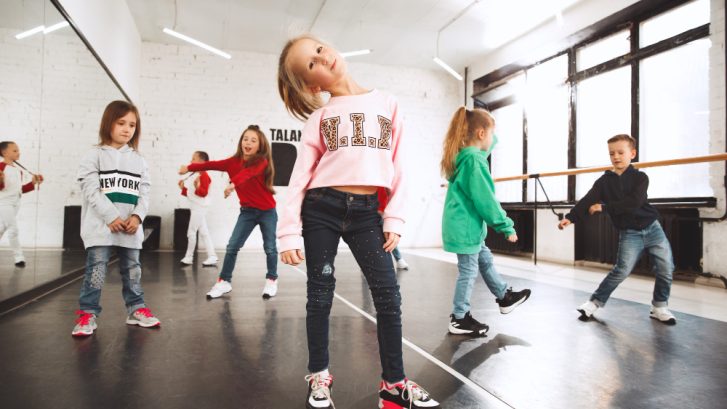
When considering dance classes for kids, Dubai offers a wide range of styles that cater to different interests and skill levels. Ballet remains a perennial favorite, known for its discipline and grace. It teaches children posture, alignment, and the foundational techniques required for many other dance forms. Hip hop is another popular choice, especially appealing to those who love to express themselves through more dynamic and energetic movements. For those interested in a blend of dance and storytelling, contemporary dance classes offer a way to explore expressive movements that convey emotions and narratives.

Each dance style offers unique benefits, making it important to match the child’s personality and interests with the appropriate class. Junior dance classes are designed to be age-appropriate, ensuring that children engage in activities that suit their developmental stage. For younger kids, classes often focus on basic steps and rhythms, while older children might engage in more complex routines that challenge their technical skills and creative expression.

Criteria for Choosing the Right Dance Class

Choosing the right dance class for your child involves more than just picking a style. The qualifications and experience of the instructor play a crucial role in how effectively they can teach and inspire young dancers. A good teacher does not only possess technical expertise but also has the patience and passion for teaching children. They should be able to create a positive learning environment where children feel safe, supported, and motivated to explore their potential.

The size of the class is another significant factor. Smaller class sizes ensure more personalized attention, which is essential for younger dancers. It allows instructors to provide immediate feedback and tailor their teaching methods to each student’s needs. Additionally, the quality and safety of the facilities cannot be overlooked. Properly maintained studios with adequate space and safe flooring are vital to prevent injuries and enable children to practice freely and confidently.

When selecting a dance class, also consider the school’s philosophy and the structure of their programs. Some schools focus on competition, while others emphasize personal growth and creativity. Understanding what the school values and how it aligns with your expectations for your child’s learning and development is key to making the right choice.

Top Dance Schools Offering Junior Dance Classes in Dubai

Dubai is home to numerous dance schools that cater to children of all ages, each with its unique approach and specialty. For parents seeking the best dance classes for kids in Dubai, here are a few notable schools that stand out due to their curriculum, experienced instructors, and excellent facilities:

The Ballet Centre

Renowned for its rigorous ballet training programs and other forms of dance The Ballet Centre offers classes for children as young as three years old. The school focuses on classical ballet but also provides lessons in modern dance and tap, catering to various interests and skill levels.

Step n Groove Dance Studio

This studio is a haven for kids who are energetic and passionate about hip hop and street styles. Step n Groove provides a vibrant learning environment where children can explore contemporary dance forms and even participate in dance battles and showcases.

What to Expect in a Junior Dance Class

Enrolling your child in a dance class involves more than just learning dance steps. A typical junior dance class in Dubai starts with a warm-up to prepare the body for movement, which helps prevent injuries and gets the kids focused. After warming up, instructors usually focus on teaching the fundamentals of dance technique, which can vary widely depending on the dance style.

For instance, in a ballet class, children might work at the barre learning positions and movements like pliés and tendus. In a hip hop class, the focus might be on rhythm, coordination, and attitude through energetic routines. Regardless of the style, the goal is to build a solid foundation that children can build upon as they advance.

Classes also often include choreography segments where kids learn routines that they can perform. This not only enhances their ability to remember sequences and timing but also boosts their confidence as they master a routine and perform it in front of peers and parents.

Benefits of Enrolling Your Child in Dance Classes

The advantages of dance go far beyond the physical benefits of improved flexibility and balance. Dance classes for kids in Dubai also offer substantial cognitive and emotional benefits. For one, dancing boosts cognitive development by improving memory and concentration through learning and remembering routines. It also encourages creativity and imagination as children interpret music and express themselves through movement.

Emotionally, dance is a powerful outlet for self-expression and can be a significant confidence builder. As children overcome challenges in learning complex dance moves, they develop a sense of accomplishment and self-esteem. Moreover, dance classes are a great social environment for kids. They provide an opportunity to interact with peers, work as a team, and develop interpersonal skills that are valuable throughout life.

Participating in dance classes can thus play a crucial role in a child’s overall development, providing them with skills and experiences that enrich their lives in many ways.

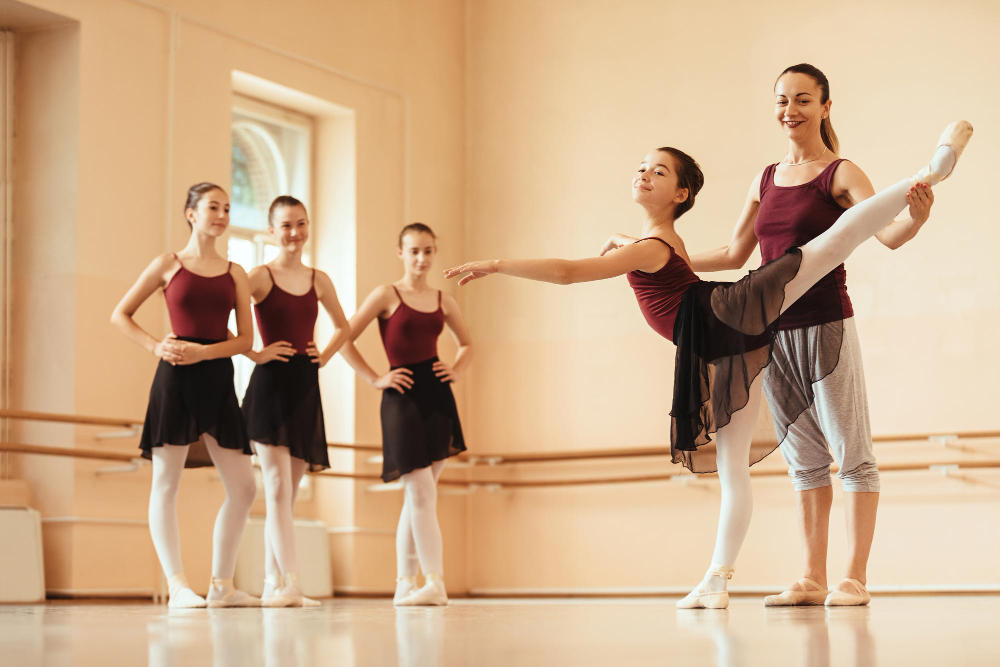
A gtoup of girls in ballet class, an older student helps a younger one with her pose.

Success Stories: How Dance Classes Have Transformed Kids in Dubai

Many families in Dubai have seen firsthand the transformative power of dance. From shy toddlers blossoming into confident performers to energetic youngsters learning the value of discipline and focus, the stories are as diverse as the dance styles themselves. Parents often share how their children have grown in confidence, improved their social skills, and developed a passion for the arts through their involvement in dance. These personal anecdotes not only highlight the emotional and social gains but also underscore the positive impact of dance on a child’s overall well-being and happiness.

Instructors also have their success stories, like seeing a student master a challenging routine after weeks of practice or witnessing a young dancer’s joy at their first recital. These moments are testaments to the resilience and dedication that dance instills in kids. They reflect not just the skill and creativity involved, but also the personal growth that accompanies learning and excelling in dance.

Conclusion

Enrolling your child in a dance class in Dubai could open the door to a world of benefits. Not only will they learn new dance moves and techniques, but they’ll also gain valuable life skills like teamwork, discipline, and self-expression. Whether your child is a budding ballerina, an aspiring hip hop artist, or just looking to have some fun and make new friends, there’s a dance class out there that’s perfect for them.

So why not take the next step? Explore the vibrant dance schools of Dubai and find the perfect match for your child’s interests and talents. It’s an investment in their happiness, health, and holistic development. Let them dance their way to a brighter, more confident self.

yoga classes

Yoga Classes – Why They’re Good For You

Yoga has become increasingly popular around the world, and Dubai is no exception. With its blend of ancient traditions and modern lifestyles, yoga offers a perfect balance that appeals to many. Whether you’re a seasoned yogi or a beginner looking to explore the benefits of yoga, there’s a lot to gain from attending yoga classes. In this post, we’ll explore why yoga classes are good for you, covering physical, mental, and social benefits, as well as tips for finding the right yoga class in Dubai.


Physical Benefits of Yoga


One of the most obvious benefits of yoga is its impact on physical health. Here’s how regular yoga practice can improve your body:


Increased Flexibility:

Yoga involves a lot of stretching and poses that gradually improve your flexibility. Over time, you’ll notice that your muscles become more supple, and your range of motion increases.


Improved Strength:

Many yoga poses require you to support your body weight in new ways, including balancing on one leg or supporting yourself with your arms. This helps to build muscle strength, particularly in the core, arms, and legs.


Better Posture:

Yoga teaches you to become more aware of your body. Through various poses and stretches, you learn to align your spine and improve your overall posture. This can help alleviate back pain and reduce the risk of injury.


Enhanced Balance:

Many yoga poses focus on balance. Improved balance not only helps with yoga but also makes everyday activities easier and reduces the risk of falls, especially as you age.


Increased Circulation:

Yoga improves blood circulation, ensuring that your organs and muscles receive more oxygen. This can lead to better overall health, more energy, and a glowing complexion.


Cardiovascular Health:

Certain styles of yoga, like Vinyasa or Ashtanga, can raise your heart rate and provide a cardiovascular workout. This helps to keep your heart healthy and improves your overall fitness.


Weight Management:

While yoga might not burn as many calories as high-intensity workouts, it helps in weight management by reducing stress, promoting mindful eating, and boosting metabolism.


Mental Benefits of Yoga


Yoga isn’t just about physical well-being; it’s also a powerful tool for mental health. Here’s how yoga can benefit your mind:


Stress Reduction:

Yoga emphasizes breathing techniques, meditation, and mindfulness, all of which help to reduce stress. Regular practice can lower cortisol levels (the stress hormone) and create a sense of calm and relaxation.


Improved Focus and Concentration:

The practice of yoga requires concentration to hold poses and follow sequences. This can enhance your ability to focus and concentrate in other areas of life as well.


Enhanced Mood:

Yoga promotes the release of endorphins, the body’s natural mood lifters. This can help alleviate symptoms of depression and anxiety, leading to a more positive outlook on life.


Better Sleep:

Many people find that practicing yoga helps them sleep better. The combination of physical activity, breathing exercises, and relaxation techniques can lead to deeper, more restful sleep.


Increased Mindfulness:

Yoga encourages mindfulness, the practice of being present in the moment. This can help you become more aware of your thoughts and feelings, leading to greater emotional intelligence and self-awareness.


Boosted Cognitive Function:

Some studies suggest that yoga can improve cognitive function, including memory, attention, and information processing speed. This is likely due to the combined physical and mental challenges posed by yoga.

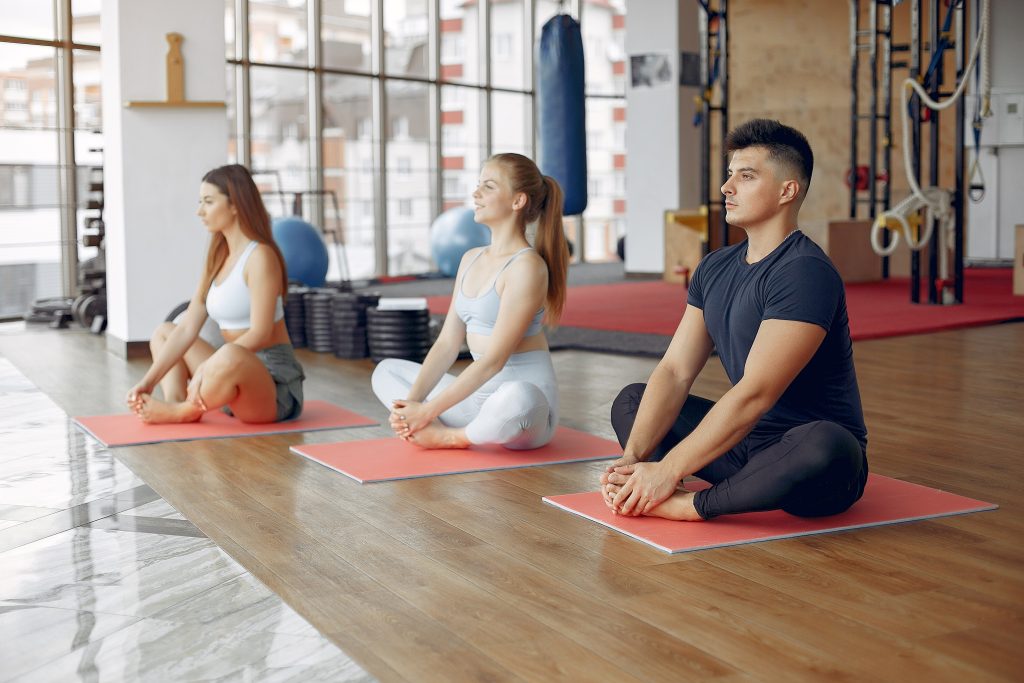
three people sitting in a gym on yoga mats


Social Benefits of Yoga


Joining a yoga class can also have significant social benefits. Here’s how:


Community and Support:

Yoga classes are a great place to meet like-minded people and build a sense of community. The supportive environment can motivate you to keep practicing and improve your skills.


Accountability:

When you join a class, you’re more likely to stick with your practice. The social aspect of a group class can hold you accountable and keep you motivated.


Shared Experience:

Practicing yoga with others creates a shared experience that can strengthen social bonds and lead to lasting friendships.


Learning from Others:

Being in a class with others allows you to learn from their experiences and insights. You can gain new perspectives and tips that you might not discover on your own.


Finding the Right Yoga Class in Dubai


Dubai offers a wide variety of yoga classes to suit different needs and preferences. Here are some tips to help you find the right class for you:


Determine Your Goals:

Are you looking to improve flexibility, reduce stress, lose weight, or find a community? Knowing your goals can help you choose the right type of yoga and class structure.


Research Different Styles:

Yoga comes in many styles, from the intense and fast-paced Vinyasa to the slow and meditative Yin Yoga. Research the different styles to find one that matches your interests and fitness level.


Check Instructor Qualifications:

Ensure that the instructors are certified and experienced. A good instructor will not only teach you the poses but also ensure that you’re practicing safely.


Visit the Studio:

If possible, visit the studio before committing to a class. Check the facilities, cleanliness, and overall environment to ensure it’s a place where you’ll feel comfortable.


Ask About Class Size:

Some people prefer smaller classes for more personalized attention, while others enjoy the energy of larger groups. Find out the typical class size and see what suits you best.


Look for Trial Classes:

Many studios offer trial classes or introductory offers. Take advantage of these to try out different classes and instructors before making a decision.


Consider Location and Schedule:

Choose a studio that’s conveniently located and has class times that fit your schedule. Consistency is key to reaping the benefits of yoga, so make sure it’s easy for you to attend regularly.


Popular Yoga Studios in Dubai


Here are a few well-regarded yoga studios in Dubai to get you started:


Zen Yoga:

With multiple locations across Dubai, Zen Yoga offers a variety of classes, including Vinyasa, Hatha, and Yin Yoga. They cater to all levels, from beginners to advanced practitioners.


Yoga House:

Located in The Greens, Yoga House is known for its welcoming atmosphere and diverse class offerings. They have everything from power yoga to restorative sessions.


Urban Yoga:

Situated in Downtown Dubai, Urban Yoga focuses on alignment-based Vinyasa classes. Their experienced instructors and beautiful studio space make it a popular choice.


Voyoga:

Located in JLT, Voyoga offers hot yoga classes, which are great for those looking to increase flexibility and detoxify the body. They also have traditional yoga classes and workshops.


Dryp:

Also in JLT, Dryp specializes in hot yoga and fitness classes. Their state-of-the-art studio provides a unique experience with infrared heating systems.


Tips for a Successful Yoga Practice


Once you’ve found the right class, here are some tips to help you get the most out of your yoga practice:


Be Consistent:

Regular practice is key to seeing the benefits of yoga. Try to attend classes consistently, whether it’s once a week or every day.


Listen to Your Body:

Yoga is about finding balance and listening to your body. Don’t push yourself too hard, and take modifications or rest when needed.


Stay Hydrated:

Especially if you’re practicing hot yoga, it’s important to stay hydrated. Drink plenty of water before and after your class.


Practice Mindfulness:

Focus on your breath and stay present during your practice. This mindfulness can enhance the physical and mental benefits of yoga.


Set Realistic Goals:

Progress in yoga can be slow and gradual. Set realistic goals and celebrate small achievements along the way.


Embrace the Journey:

Yoga is not just about the end result but the journey itself. Embrace each practice session, and enjoy the process of learning and growing.


Conclusion


Yoga classes offer a wealth of benefits for your physical, mental, and social well-being. From increased flexibility and strength to reduced stress and improved focus, the advantages of regular yoga practice are numerous. In a bustling city like Dubai, yoga provides a sanctuary of peace and balance, helping you navigate the demands of daily life.


Whether you’re a beginner or an experienced practitioner, finding the right yoga class can enhance your overall health and happiness. Take the time to explore different styles, visit studios, and find a class that aligns with your goals and lifestyle.


Remember, yoga is a personal journey that goes beyond the physical postures. It’s about connecting with yourself, finding inner peace, and building a community with others. So, roll out your mat, take a deep breath, and embark on the transformative journey of yoga. Your mind, body, and spirit will thank you for it.

dance classes

Why Dance Classes Are Good For You

If you’re a parent in Dubai considering dance classes for your kids, you’re in the right place. You might be wondering, “Are dance classes really worth it?” The short answer is: Absolutely! Dance classes, whether it’s ballet, hip-hop, jazz, or any other style, offer so many benefits that go beyond just learning to move gracefully. Let’s dive into why dance classes are fantastic for kids.

Physical Benefits – First off, let’s talk about the physical perks. Kids today often spend a lot of time sitting—whether it’s in school, at home doing homework, or playing video games. Dance classes are a great way to get them moving. Here’s why:

Improved Fitness – Dance is a full-body workout. It helps improve cardiovascular health, build muscle strength, and enhance flexibility. Kids who dance regularly are more likely to maintain a healthy weight and develop a love for physical activity that can last a lifetime.

Better Coordination and Balance – Dance routines require a lot of coordination. Kids learn to control their movements, which improves their overall balance and spatial awareness. This can be especially beneficial for young children who are still developing their motor skills.

Enhanced Posture – Many dance forms, especially ballet, focus on maintaining proper posture. Kids who practice dance learn to stand tall and carry themselves with confidence.

Mental Benefits

Dance isn’t just good for the body; it’s great for the mind too. Here’s how:

Boosts Memory – Learning dance routines and remembering choreography can help improve a child’s memory. It requires focus and concentration, which are skills that can be transferred to other areas of life, including school.

Encourages Creativity – Dance is a form of artistic expression. It allows kids to express themselves creatively and explore their emotions. This creative outlet can be incredibly fulfilling and help children develop a sense of individuality.

Reduces Stress – Physical activity, including dance, is known to reduce stress. It releases endorphins, which are the body’s natural feel-good chemicals. This can help kids manage stress and anxiety, making them happier and more relaxed.

A child in pink tutu in a ballet class with her position being corrected


Social Benefits

Dance classes are a great way for kids to make friends and develop social skills. Here’s why:

Teamwork and Cooperation – Dance often involves working with others, whether it’s in pairs or groups. Kids learn to work together to achieve a common goal, which teaches them valuable lessons about teamwork and cooperation.

Building Friendships – Dance classes are a social environment. Kids get to meet others with similar interests, which can lead to lasting friendships. It’s a great way for children to build their social network outside of school.

Improved Communication Skills – Through dance, kids learn to communicate non-verbally with their bodies. This can enhance their overall communication skills and help them become more confident in expressing themselves.

Emotional Benefits

Dance can have a profound impact on a child’s emotional well-being. Here are a few ways how:

Builds Confidence – Mastering new dance moves and performing in front of others can boost a child’s self-esteem. They learn to trust their abilities and gain confidence in their skills.

Encourages Discipline – Dance requires practice and dedication. Kids learn the value of hard work and perseverance, which are important life skills. They also learn to set goals and work towards achieving them.

Provides a Sense of Accomplishment – Performing a dance routine successfully can give kids a great sense of accomplishment. It teaches them that with effort and practice, they can achieve their goals.

Why Choose a Dance Class in Dubai?

Dubai is a vibrant city with a diverse cultural scene. Here’s why it’s an excellent place for your child to start their dance journey:

World-Class Facilities – Dubai offers state-of-the-art dance studios with top-notch facilities. Your child will have access to the best resources and training environments.

Qualified Instructors – The city attracts highly qualified dance instructors from around the world. Your child will be learning from some of the best in the industry, ensuring they receive high-quality training.

Cultural Diversity – Dubai is known for its cultural diversity. Enrolling your child in dance classes here exposes them to various dance styles and traditions from around the world. This cultural exposure can be enriching and broaden their horizons.

Opportunities for Performance – Dubai hosts numerous events and performances throughout the year. Dance schools often participate in these events, giving your child opportunities to perform on stage and showcase their skills.

Choosing the Right Dance Class

When selecting a dance class for your child, consider the following:

Age and Skill Level – Ensure the class is appropriate for your child’s age and skill level. Many schools offer beginner classes for young children and more advanced classes for older kids or those with some dance experience.

Dance Style – Think about what style of dance your child is interested in. Whether it’s ballet, hip-hop, jazz, or contemporary, choose a class that aligns with their interests.

Class Size – Smaller class sizes can provide more individual attention, which can be beneficial for your child’s development.

Trial Classes – Many dance schools offer trial classes. Take advantage of these to see if the class is a good fit for your child.

Conclusion

Dance classes offer numerous benefits for kids, from physical fitness to emotional well-being. They provide a fun and engaging way for children to stay active, express themselves, and build important life skills. If you’re in Dubai, you have access to excellent dance facilities and instructors, making it a great place to start your child’s dance journey. So, why wait? Enroll your child in a dance class today and watch them flourish!


Dance isn’t just about learning steps; it’s about growing, exploring, and having fun. Your child will thank you for it, and you’ll see them develop in ways you never imagined. Happy dancing!

Ballet Dancers Tall

Are Ballet Dancers Tall? Breaking Down the Ballet Stereotype

The image of the tall, willowy ballet dancer is one that has been etched into public consciousness for generations. However, is this representation a true reflection of the ballet world, or merely a stereotype? This blog post delves into the reality of ballet dancers’ heights, exploring how this art form accommodates a diverse range of body types and why the stereotype of the tall dancer persists.

The Stereotype: Origins and Perceptions

The idea that ballet dancers must be tall and slender has its roots in the aesthetic preferences that have historically dominated the ballet world. Historically, ballet has prized long lines and an ethereal, almost otherworldly appearance, qualities often associated with taller dancers. This preference has influenced casting decisions and shaped the aspirations of countless dancers.

Aesthetic Preferences:

Traditionally, ballet choreographers and directors have often favoured taller dancers for leading roles due to the elongated lines and graceful extensions they can achieve. This preference has inadvertently fostered a perception that height is a prerequisite for success in ballet.

Media Representation:

The portrayal of ballet in media and popular culture often reinforces the tall dancer stereotype. Movies and television shows about ballet frequently cast tall, slim actors in lead roles, perpetuating the notion that this is the ideal ballet body type.

Reality Check: Diversity in Body Types

Contrary to popular belief, professional ballet companies around the world feature dancers of various heights and builds. The reality is that skill, technique, and artistry are the primary criteria for success in ballet, not just physical attributes.

Variety in Professional Companies:

Professional ballet companies often boast a range of dancer heights. While some roles may be more suited to taller dancers, many parts are open to shorter dancers, particularly those with strong technical skills and expressive abilities.

Success Stories of Shorter Dancers:

Numerous professional dancers who do not fit the tall stereotype have achieved significant success. These dancers have been celebrated for their extraordinary talent, proving that height is not the sole determinant of success in ballet.

Evolution of Ballet: Changing Standards

The world of ballet is evolving, with an increasing emphasis on inclusivity and diversity. This evolution is reflected in the changing attitudes towards the ideal dancer’s body, including height.

Shift in Aesthetic Preferences:

The modern ballet scene is gradually moving away from rigid aesthetic standards, embracing a wider range of body types and appearances. This shift is making ballet more accessible and relatable to a broader audience.

Influence of Contemporary Ballet:

The rise of contemporary ballet has further challenged traditional notions of the ideal ballet body. Contemporary pieces often require different skill sets and body types, allowing dancers of various heights to showcase their unique strengths.

Training and Technique: The Real Focus

The primary focus in ballet training is on developing technique, artistry, and expression, rather than conforming to a specific body type. Skilled ballet instructors emphasise the importance of these elements over physical attributes.

Importance of Technique Over Height:

Ballet training centres around honing technique, including footwork, alignment, and musicality. These skills are crucial for success in ballet and are independent of a dancer’s height.

Artistry and Expression:

Ballet is an art form that values emotional expression and storytelling. Dancers of all heights can excel in conveying narratives and emotions through their movements, which is a vital aspect of ballet performances.

Height Diversity Enhancing Artistic Expression

Diversity in dancer heights adds a dynamic layer to ballet performances. Different heights among dancers can create interesting visual compositions and allow for a broader range of storytelling and expression.

Visual Variety in Performances:

A mix of heights within a ballet company adds depth and contrast to the visual presentation on stage. This variety can make choreography more visually captivating and can be used creatively by choreographers to enhance the storytelling aspect of a performance.

Unique Interpretations of Roles:

Dancers of varying heights bring their unique interpretations to roles, often redefining traditional expectations. For example, a shorter dancer in a principal role might bring a different energy and perspective to the character, offering fresh interpretations and experiences to audiences.

Role of Choreographers in Embracing Diversity

Choreographers play a pivotal role in embracing height diversity in ballet. By creating works that celebrate various body types, they are instrumental in breaking down stereotypes and expanding the art form.

Innovative Choreography:

Contemporary choreographers often design dances that highlight the unique strengths of dancers, regardless of their height. This inclusive approach allows dancers of all statues to shine, showcasing their individual talents.

Casting Choices:

Progressive choreographers and directors are increasingly casting roles based on talent and suitability rather than just height. This shift is slowly changing the narrative around the ideal ballet body and allowing more diverse representations on stage.

Training and Development: Nurturing All Talents

Training and Development Nurturing All Talents

Ballet schools and training programs play a crucial role in nurturing dancers of all heights, focusing on developing their strengths and helping them overcome any height-related challenges.

Adaptable Training Techniques:

Leading ballet academies are adopting more flexible training methods that cater to dancers’ individual physicalities. This approach helps all dancers, regardless of their height, to develop their full potential.

Encouraging Individual Strengths:

Instructors increasingly focus on each dancer’s unique strengths, whether it’s their technical prowess, expressive capabilities, or artistic interpretation. This focus helps build confidence and skill, irrespective of height.

The Changing Perception of Audiences

Audiences play a crucial role in the acceptance and celebration of height diversity in ballet. As public perceptions evolve, there is a growing appreciation for the variety and depth that dancers of all statues bring to the stage.

Broadening Audience Expectations:

Modern ballet audiences are becoming more open to seeing diverse body types in leading roles. This shift in expectation is crucial for the continued evolution of ballet as an inclusive and progressive art form.

Appreciation of Artistry Over Stereotypes:

There is an increasing recognition that artistry, technique, and emotional expression are far more important than fitting a physical stereotype. Audiences are learning to appreciate the unique qualities each dancer brings to a performance, regardless of their height.

Conclusion

The stereotype of the tall ballet dancer is gradually being dismantled as the ballet world embraces diversity in all its forms. Height diversity enriches ballet, offering a wider range of artistic expression and making the art form more accessible and relatable. As we move forward, the focus continues to shift towards recognizing and celebrating the individual talents and artistry of each dancer, creating a more inclusive and vibrant ballet community.

1 9 10 11 12 13 16