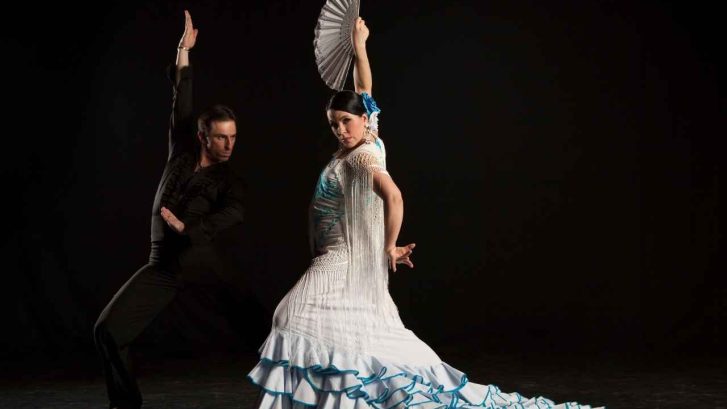
two flamenco dancer dancing.

Flamenco Dance for Beginners & What To Expect

The first few moments of a beginner flamenco class can be filled with curiosity, nerves, and excitement. Students may not know the names of the steps yet, but they immediately feel the character of the dance: grounded, expressive, unapologetically bold.

Flamenco isn’t about following patterns quietly—it invites students to take up space. It celebrates rhythm, power, and emotion. Beginners are not expected to arrive with perfect timing or polished footwork. They’re expected to arrive willing to try.

Posture, Pride, and the Power of Presence

Before students learn a single step, they learn how to stand. Flamenco posture is striking: the spine is tall, shoulders drawn back, chin lifted. It’s less about appearance and more about attitude. From the beginning, students are encouraged to feel proud in their stance, to claim the space they occupy.

Young dancers are often surprised by how much energy it takes to simply stand still in flamenco posture. Teachers guide them to feel the tension in their core, the control in their arms, the direction in their gaze. This body awareness is the foundation for everything else.

Footwork That Feels Like Percussion

Flamenco’s distinctive footwork—zapateado—is rhythmic, strong, and incredibly satisfying to learn. In the first few classes, students are introduced to basic strikes: heel, ball, toe. These strikes create a kind of music all on their own.

It’s common to hear a classroom filled with stomps, counts, and laughter. Children love the physicality of it. There’s a release in making noise with their feet. At first, the timing might be off, and the combinations can feel tricky. But the patterns come with repetition. Teachers often break things down slowly and turn clapping into a guide for the rhythm. It’s less about memorizing and more about feeling the beat in the body.

Hands That Speak with Elegance

Flamenco arms and hands are anything but passive. The wrists rotate, the fingers flow, the arms stretch into strong curves. This movement is known as braceo and floreo, and for beginners, it’s both beautiful and challenging.

Many students struggle to coordinate arm movements with footwork at the start. It’s like patting your head and rubbing your belly—confusing, then suddenly possible. With time and repetition, their hands start to “speak” in a way that complements the steps. And they love that moment when they realize their body is telling a story, not just doing steps.

Rhythm in the Body and the Room

Flamenco isn’t danced to music. It danced with music. Rhythm isn’t just a background element—it’s the pulse that drives the whole experience. Beginners are taught to clap specific patterns, called palmas, to support the dancers and internalize the beat.

In class, clapping becomes a shared language. It helps students stay connected with each other. This part of flamenco teaches them more than timing. It develops listening, teamwork, and sensitivity to the group. Every child learns to contribute not only as a dancer but as a rhythmic companion to others.

Emotion on Display

Children aren’t always encouraged to be intense or dramatic in daily life—but flamenco asks for it. It thrives on emotional expression. Whether it’s joy, strength, sorrow, or pride, the dance gives space to feel it and show it.

Teachers help beginners channel emotion into movement, whether through a sharp turn of the head or the way their arms slice through the air. Even shy students begin to tap into something expressive and strong. They don’t have to explain how they feel—they just have to move through it.

A Dance That Honors Individuality

Flamenco isn’t shaped around a single ideal body type. There’s room for everyone. Beginners are celebrated for their effort, their courage, and their energy—not their precision. This allows young dancers to feel accepted as they are while being motivated to improve.
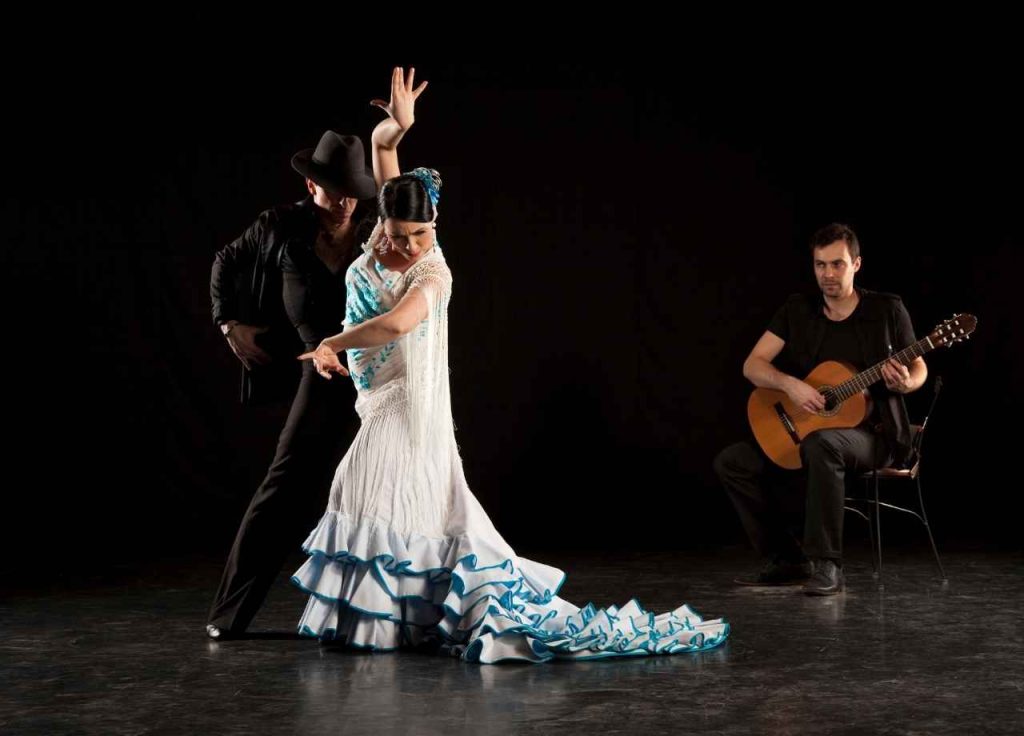
two flamenco dancers and a man sitting whilst playing the guitar.

Some students arrive with ballet or other dance experience; others walk into the studio with no background at all. Flamenco meets each of them where they are. Progress looks different for every dancer. What unites them is the sense of empowerment that grows from week to week.

Discipline with Room to Breathe

Flamenco may feel passionate and wild, but it’s also structured. There are rules. Timing matters. So does respect—for the teacher, the music, the group. Students are taught discipline through repetition and attention to detail. But unlike rigid dance forms, flamenco allows space for personality within that structure.

Teachers challenge beginners to stay consistent in their effort, to be patient with mistakes, and to celebrate progress. These lessons reach beyond the studio. Children develop patience, resilience, and confidence—not because they’re told to, but because the dance requires it.

Milestones That Stick

There’s a turning point for most beginners—usually a few months in—when they realize that their feet know what to do without thinking. Their arms move without hesitation. They finish a step and feel the rhythm land just right. That kind of progress is deeply satisfying.

It’s not about perfection. It’s about those moments when everything clicks. Parents often notice how their child starts to carry themselves differently. There’s a new kind of energy in their walk, a sense of pride in what they’ve accomplished.

A Supportive Place to Begin

Flamenco can seem intense from the outside, but in the right environment, it becomes something children look forward to every week. A warm, encouraging classroom makes all the difference.

At Ballet Centre Dubai, beginners are welcomed into flamenco with thoughtful instruction, age-appropriate challenges, and plenty of encouragement. Students are taught with respect, supported in their growth, and introduced to performance opportunities that build confidence over time. For parents looking to nurture their child’s creativity, focus, and self-expression, flamenco offers a rich and rewarding experience in a safe and professional setting.

The Lasting Impact

Ask a child after their first flamenco term what they’ve learned, and they might say “how to stomp,” or “how to twirl my hands,” but watch them move, and you’ll see more. They’ve learned how to stand tall. How to express something without words. How to listen deeply and respond with intention.

Flamenco gives children more than steps. It gives them a way to discover who they are when they move with courage and purpose.

What to Expect—And What They’ll Remember

Beginners can expect to be challenged. They can expect to get tired. They can expect moments of frustration followed by sudden progress. They can expect to laugh, to learn, and to grow in ways they didn’t anticipate.

What they’ll remember, though, is the feeling.

The sound of their shoes striking the floor in time. The confidence of a strong pose. The joy of being part of a rhythm that’s bigger than themselves. Flamenco leaves an impression—not just on the stage, but in the heart of every dancer who dares to begin.
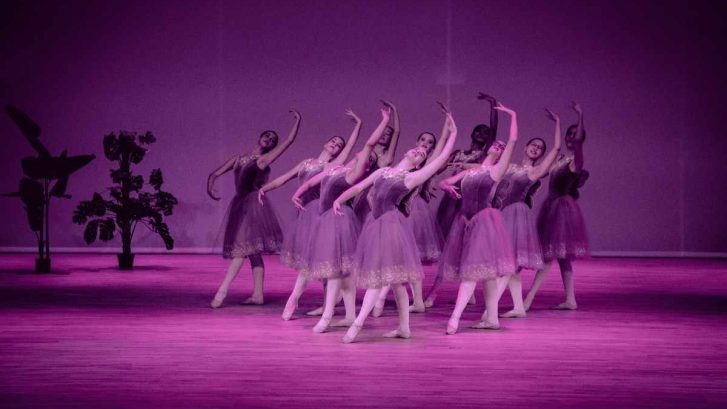
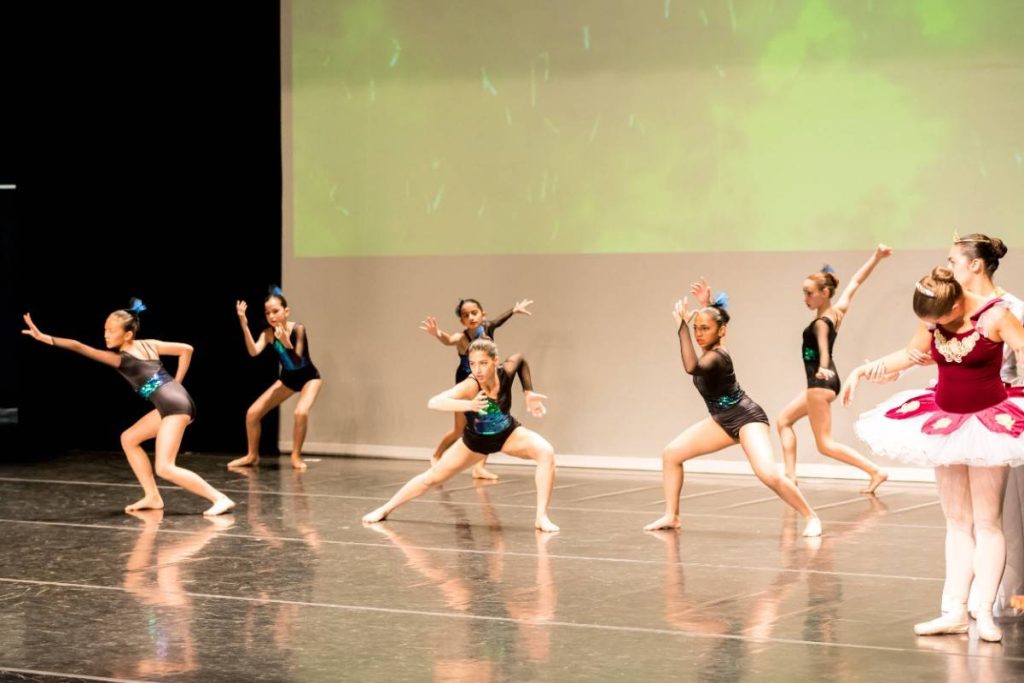
Group of girls performing ballet dance on stage

What Kids Learn in Musical Theatre Classes

A six-year-old in a glittery headband stands on stage, waiting for her cue. She’s been practicing for weeks — memorizing lines, remembering when to twirl, when to sing, how to hold her gaze just long enough to tell the story. The lights go up, and her nervous smile transforms into something steadier, something brave. This is musical theatre class in motion. And behind the curtain is something far richer than stage directions and show tunes.

What children actually learn in musical theatre classes reaches far beyond performance. Yes, there’s music, movement, and acting. But there’s also teamwork, timing, empathy, confidence, discipline — the sort of things that quietly build strong foundations in young minds.

At Ballet Centre Dubai, musical theatre training begins as early as age five, in a warm environment where children explore creativity in a structured and encouraging setting. The classes combine singing, dancing, and acting into one integrated experience, which makes them incredibly fun — but also deeply valuable.

They Learn How to Be Part of a Team

A solo can be dazzling, but most moments in a musical involve working closely with others. Group numbers, scene transitions, even warm-up games require kids to listen, support, and sync with their classmates. For younger children, this is often their first encounter with ensemble thinking: being responsible not only for their role but also for how that role contributes to something bigger.

It’s not unusual for a teacher to stop a rehearsal to point out a missed cue, not with criticism but with the reminder that when one person is off, the whole group feels it. In those small reminders, children begin to understand accountability in a way that feels empowering rather than punishing.

They Discover Emotional Expression Without Fear

Musical theatre doesn’t shy away from feelings. A scene might call for exaggerated joy, deep sadness, awkward nervousness, or loud frustration — all within minutes. The stage becomes a place where emotions are safe, expected, and welcomed.

This kind of emotional literacy is especially meaningful for children who might struggle with expression in everyday settings. On stage, there’s permission to shout or cry or burst into laughter — in fact, it’s often required. Teachers at Ballet Centre Dubai guide students in accessing those feelings authentically, helping even the shyest children learn to speak up, literally and emotionally.

They Learn to Use Their Whole Body to Tell a Story

Musical theatre students aren’t just acting — they’re moving constantly. Whether it’s a choreographed tap routine or a gesture that matches a line of dialogue, they’re learning how to be physically expressive. This combination of movement and storytelling enhances coordination and body awareness.

The dance elements in musical theatre classes are closely tied to the Centre’s broader curriculum, where students often transition into ISTD Tap or Modern Dance. This crossover helps children develop strong technical skills while staying connected to the playful, imaginative world of performance.

They Strengthen Memory and Focus

Children might start a term unsure about even a single line. By the end, they’ve memorized entire scripts, choreography sequences, vocal harmonies — and they’ve done it in stages, practicing repetition, focus, and mental discipline. This kind of learning builds concentration skills that translate well into the classroom.

At Ballet Centre Dubai, children often prepare for annual performances or graded Trinity exams, which gives their learning a clear purpose. It’s not uncommon to see a once-distracted eight-year-old suddenly laser-focused, determined to remember the exact beat where she needs to freeze before the spotlight hits.

They Build Self-Trust and Stage Presence

There’s a small but powerful moment that happens when a child steps forward alone and begins to sing. It’s not always pitch-perfect. Sometimes their voice shakes or their hands fidget. But by the end of the term, that same child might beam with calm assurance, standing tall, hearing applause with pride.


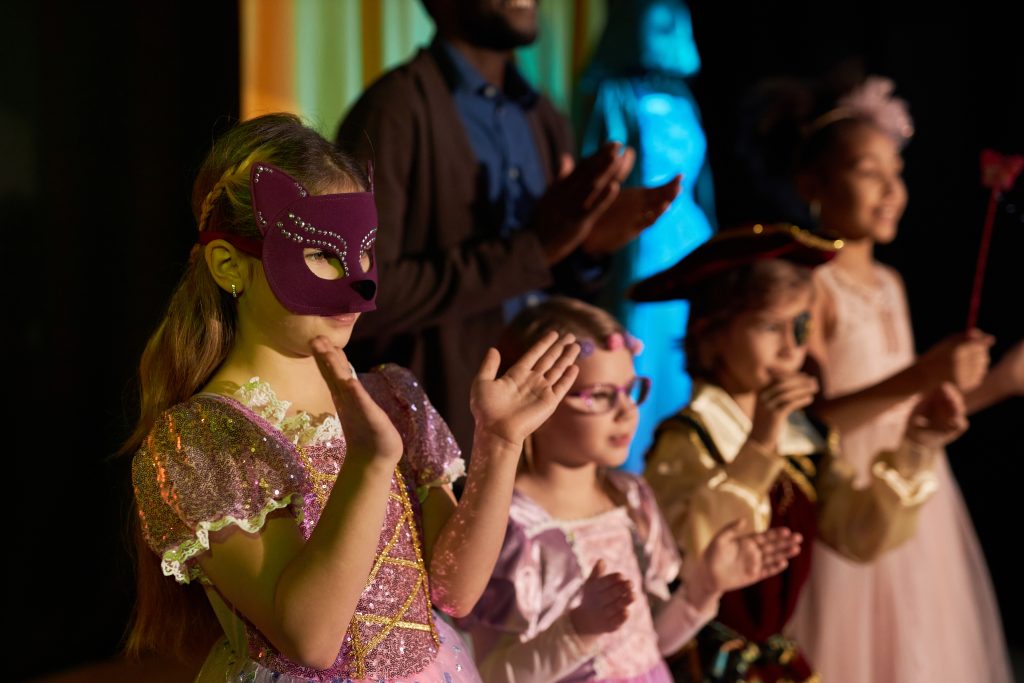
teen-girl-wearing-mask-and-costume-standing-on-stage
Portrait of teen girl wearing mask and costume standing on stage in theater and applauding with group of children copy space

This transformation doesn’t happen overnight, and it isn’t the result of pressure. It’s the steady encouragement of teachers who know when to push and when to reassure. It’s the camaraderie of classmates who celebrate each other’s growth. It’s the Centre’s emphasis on nurturing confidence gently and consistently, not forcing it.

They Embrace Mistakes as Part of the Process

Every child forgets a line. Trips over their own foot. Comes in late on a song. And each time, they get back up, laugh it off, try again. Musical theatre classes normalize this — not in a careless way, but with the understanding that mistakes are expected and even useful.

This attitude, more than anything, sets young performers up for long-term resilience. They learn to bounce back, to revise, to trust the process of learning. Parents often say their children seem more self-assured outside class, better able to handle small setbacks at school or with friends.

They Gain Exposure to Culture and Language

Musical theatre is full of storytelling — and stories are full of language. Children build vocabulary as they read scripts, improve diction as they sing, and explore tone and inflection as they act. They also encounter a wide range of music styles, accents, and characters, broadening their exposure to different cultures and time periods.

The Centre’s theatre instructors often use excerpts from classic and contemporary shows, adapted for age-appropriateness. This variety introduces students to storytelling across different genres and helps them develop a deeper appreciation for language and rhythm.

They Find Joy in Performing — and in Practice

Not every student will pursue theatre long-term. That’s not the goal. What matters is the joy they find in the act of doing — in rehearsing, remembering, and then finally sharing their work with family and friends. That moment when the curtain rises and their hard work becomes something shared is often unforgettable.

At Ballet Centre Dubai, students often participate in year-end showcases that bring together the best of what they’ve learned. The audience includes smiling parents, proud teachers, and sometimes even their peers from other classes like RAD Ballet or drama. It becomes a shared celebration of effort, growth, and imagination.

For Parents Wondering What Comes Next

Musical theatre classes offer a foundation that supports children far beyond the stage. Whether they branch into more specialized classes — like vocal training, tap, or modern — or simply carry their experience into academic and social settings, the benefits remain.

The Ballet Centre offers trial classes for those curious to explore, with flexible payment plans and KHDA-approved programs. It’s a safe, welcoming place for children to experiment with self-expression and stretch their creative muscles. For families seeking something joyful, meaningful, and just the right amount of challenging, musical theatre often strikes that perfect chord.

If you’re considering enrolling your child, the best time to start is when they show curiosity. A song hummed at home, a character they love to imitate, a dance move they keep repeating — these small signs often hint at something deeper. With the right encouragement and environment, those sparks can turn into something lasting. Something that, like the six-year-old under the lights, grows stronger with each step into the spotlight.

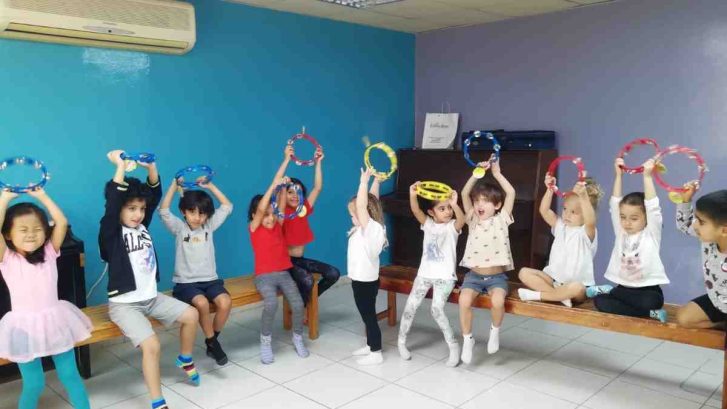
Children sitting on a bench and raising their hands above their heads

Developmental Summer Activities for Kids

Summer break holds a special place in childhood—long, light-filled days filled with movement, discovery, and freedom from school routines. It’s during these unstructured months that kids often make some of their biggest leaps, not because they’re cramming facts or solving equations, but because they’re exploring the world in a more natural, hands-on way. What they do with this time matters.

Parents know the tug-of-war between letting children unwind and wanting to support meaningful development. The good news is, these two goals can live side by side. The right summer activities can offer just enough structure to keep children motivated and learning, without turning their vacation into an extension of the classroom.

At Ballet Centre Dubai, the approach to summer is simple: make it enriching, make it joyful, and make it count.

Movement Builds More Than Muscles

Children aren’t meant to sit still. When they move, they’re not just expending energy—they’re refining coordination, learning how their bodies work, and developing the confidence to take up space in the world. In dance, especially ballet, there’s a discipline that trains more than the body. It strengthens focus, resilience, and patience.

Watching a young child go from unsure steps to poised pirouettes over the summer isn’t just exciting—it’s a reminder of how quickly they can grow with encouragement and the right guidance. At Ballet Centre Dubai, the Royal Academy of Dance (RAD) curriculum is followed with care, ensuring children are supported at every stage of their journey, whether they’re absolute beginners or preparing for graded exams.

There’s something deeply satisfying about mastering a routine, learning choreography, or holding balance just a few seconds longer than the week before. These moments matter—they build self-belief that carries far beyond the studio.

Creative Play Is Serious Work

Give a child a costume, a storyline, and a few props, and something magical happens. They become storytellers, directors, and sometimes even sound engineers. Drama classes over the summer tap into this creative instinct, providing just enough structure to guide them, but plenty of space for imagination to take the lead.

In these sessions, children learn how to project their voice, use their body to express emotion, and work collaboratively with others to bring a scene to life. For some, it’s a chance to shine in the spotlight. For others, it’s about quietly finding their voice and learning to trust it.

At Ballet Centre Dubai, drama programs are designed not just to develop performance skills, but to support communication and emotional awareness. Whether a child dreams of the stage or simply wants to feel more confident speaking up in school, drama is a powerful tool.

Rhythm Sharpens the Mind

Music lessons are often thought of as a long-term commitment—and they can be—but summer is a great time to introduce children to an instrument or deepen existing skills. Learning piano, guitar, or violin doesn’t just improve musical ability. It teaches patience, timing, and how to listen closely.

Ballet Centre Dubai offers individual and group music lessons under internationally recognized exam boards like Trinity College London and ABRSM. For many children, these classes are the highlight of their week: a chance to explore sound, structure, and self-expression all at once.

It’s not unusual to see a child arrive unsure about touching the keys and leave proudly playing a short piece by memory. These small milestones build attention to detail and a kind of quiet perseverance that benefits them far beyond music.

Structured Freedom with Arts and Crafts

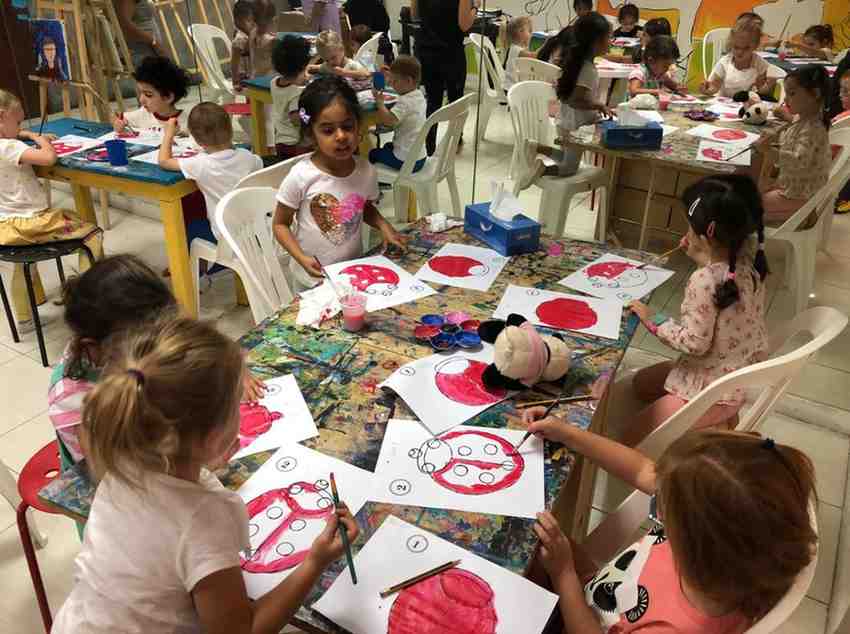
Creativity flourishes when kids are given the tools and space to make their own choices. Arts and crafts sessions are less about instruction and more about exploration. Over the summer, children often gravitate to hands-on projects—painting, building, sculpting—not just to pass the time, but to express themselves.

There’s a quiet focus that takes over a room filled with kids deep in creative work. No screens, no pressure, just ideas turning into something they can see and touch. Whether it’s a clay sculpture or a painted canvas, the pride they feel in showing off their creation is undeniable.

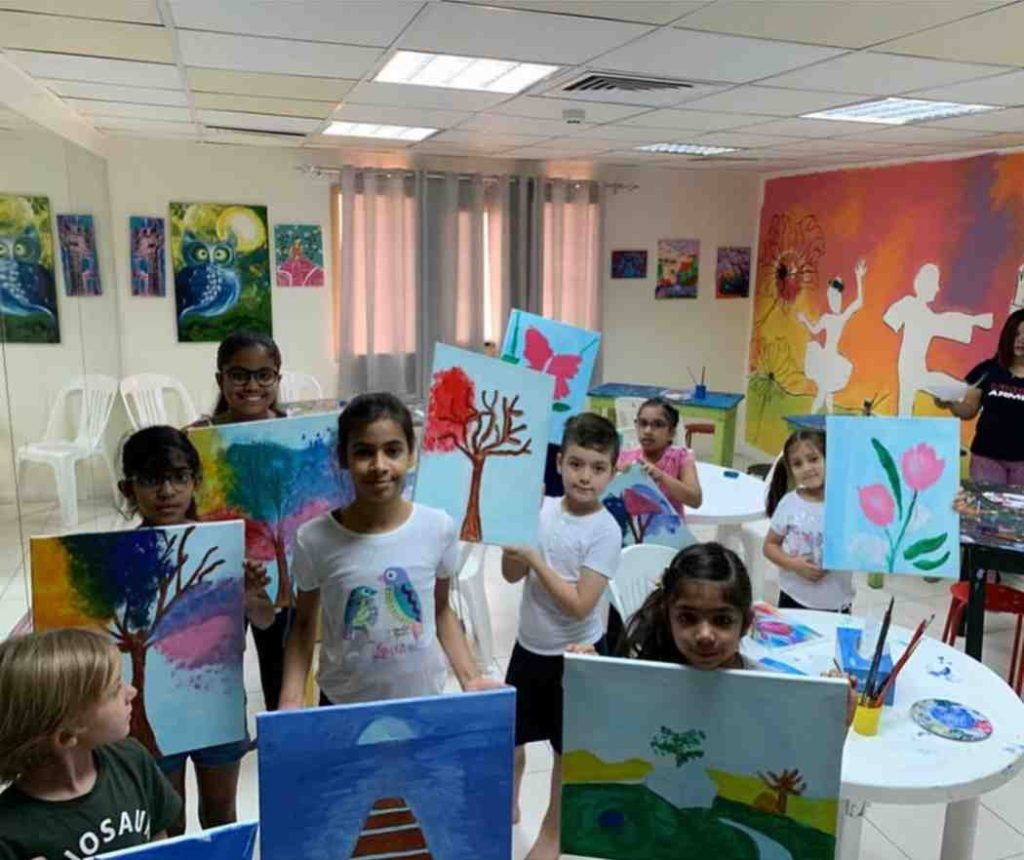
Children sittings on desks busy with painting in Arts and Crafts

Ballet Centre Dubai’s art activities often tie into seasonal themes or support other areas of development—like set design for drama class or costume creation for dance showcases. It’s a gentle way to make connections between disciplines and keep young minds actively engaged.

Discipline in Disguise

Martial arts like Taekwondo combine physical skill with mental focus. They also introduce children to concepts like respect, self-control, and commitment in a way that feels empowering rather than forced.

At Ballet Centre Dubai, the International Taekwondo Federation (ITF) curriculum is taught in an encouraging, age-appropriate environment. Classes are led by experienced instructors who know how to motivate kids while maintaining a safe and respectful atmosphere. Children leave class feeling stronger, faster, and more capable—not just physically, but emotionally.

Taekwondo offers a structured outlet for kids who might struggle with sitting still or need help channeling energy. It also gives quieter children a chance to step into a role of strength and confidence they may not have realized was there.

Learning Through Connection

The most valuable summer experiences are often those shared with others. Whether it’s forming a new friendship in tap class, working together on a scene in drama, or clapping for each other in music recitals, kids thrive when they feel part of something bigger.

Ballet Centre Dubai is more than a place to take classes. It’s a community where children are known by name, encouraged as individuals, and welcomed into a nurturing, inclusive space. This sense of belonging is no small thing—especially during a season when routines are looser and social structures shift.

Making It Easy for Families

Supporting your child’s development shouldn’t feel overwhelming. That’s why Ballet Centre Dubai offers flexible summer programs that work with different schedules and needs. Free trial classes make it easy to explore something new without pressure, and KHDA approval means parents can trust the quality of instruction.

From drop-in sessions to full summer intensives, there are options for every age and level. Whether your child is looking to start something new or build on existing skills, summer is the perfect time to try.

Letting Growth Happen Naturally

There’s no perfect formula for childhood development, but there are plenty of good choices. Movement, creativity, social interaction, and personal challenge all contribute in their own way. What matters is creating an environment where children feel safe, inspired, and excited to learn.

Summer at Ballet Centre Dubai is designed to do exactly that. It’s not about packing in lessons or chasing milestones—it’s about giving kids the space to grow, with just the right amount of guidance and a whole lot of heart.

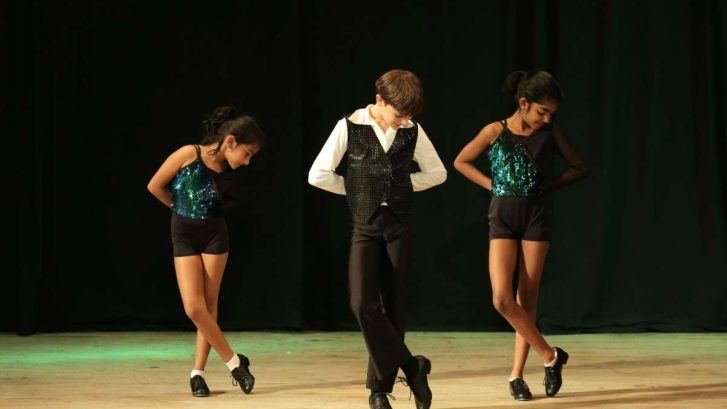
3 kids on stage wearing dance outfits.

The Power of Drama in Child Development

It starts with a child standing on stage, arms wide, eyes sparkling, pretending to be a bird, a baker, a queen, or a comet racing through the sky. The audience might be just a few parents sitting on plastic chairs, but in that moment, the child believes the story, inhabits it fully—and something changes. Confidence starts to grow. Self-awareness sharpens. Empathy unfolds.

Drama has a quiet power that doesn’t always get the attention it deserves. It’s easy to think of it as play, and it is. But it’s also something more serious, something deeply valuable. Children who take part in drama classes aren’t just learning how to speak lines or stand in the spotlight—they’re developing tools they’ll use for life.

At Ballet Centre Dubai, drama is offered as part of our performing arts curriculum for children aged 4 and up. We see how the weekly rhythm of improvisation games, script reading, character building, and stage exercises creates steady growth—not just in performance ability, but in emotional and social maturity.

Drama Builds Confidence—Gently

One of the most noticeable changes in children who participate in drama is their posture. Not just physically, but emotionally. They start to take up more space—not with arrogance, but with assurance. They feel seen. They’re heard. That matters deeply, especially for children who are shy or tend to stay quiet in group settings.

Drama allows them to try out voices, roles, and expressions in a way that feels safe and non-judgmental. It’s a rehearsal room, not just for plays, but for life. A nervous seven-year-old who can’t make eye contact in week one might be confidently narrating a story by week six. The shift doesn’t happen overnight, but it does happen.

Communication Gets Real Practice

So much of school life is focused on written communication. Drama gives equal weight to how we speak, how we listen, and how we interpret body language. These are essential life skills, but they’re not always taught directly in traditional classrooms.

In our Trinity drama preparation classes, students work with scripts and monologues, learning how to use tone, timing, and silence. They get comfortable with expression and develop the ability to speak with intention—whether it’s on stage or in a classroom presentation. This kind of training has lasting value far beyond the theatre.

Empathy Finds a Strong Voice

Drama asks children to step into someone else’s shoes and think deeply about how others feel, react, and change. That act—of imagining another’s inner world—builds empathy in a way no lecture or textbook can.

When children take on roles, they are often introduced to lives far different from their own. It stretches their emotional range. They begin to notice subtleties in behavior and motivation. Whether it’s portraying a lonely giant or a mischievous fairy, children learn to feel and express a wide variety of emotions. They become more attuned to the feelings of people around them, both on stage and off.

Drama Encourages Problem-Solving and Creativity

There’s a moment in every group rehearsal where something doesn’t go as planned. A line is forgotten, a prop goes missing, someone freezes. These are not failures—they are opportunities. In drama, children learn to adapt, improvise, and collaborate. They discover how to keep the story going, even when something unexpected happens.

This kind of creative flexibility is hard to teach in theory. It has to be experienced. In our group classes, we often throw in exercises that require quick thinking and teamwork. Children create scenes from scratch, solve staging challenges together, and sometimes even write their own dialogue. It’s playful, yes, but also training for complex thinking and emotional intelligence.

Drama Creates Community

A strong drama class feels like a small family. Children support each other, laugh together, and share the nerves of performance night. They cheer when a friend nails a tricky line and offer comfort when someone forgets theirs.

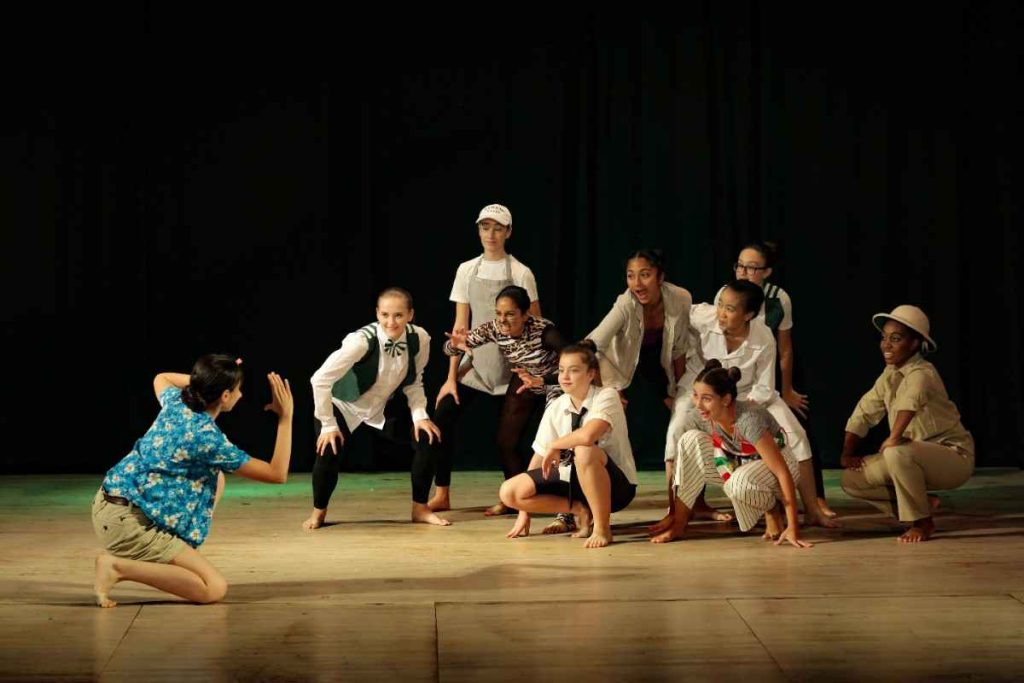
Kids posing while acting in pretend drama

This sense of belonging is important. Not every child finds it in sports or academics. But in drama, there’s room for the loud, the quiet, the silly, the serious. Every personality has a place. We’ve seen friendships form between children who might never have spoken to each other outside of class. There’s something powerful about creating stories together—it builds trust and connection.

Performance as a Milestone

At Ballet Centre Dubai, our drama students participate in showcases and examinations throughout the year, including Trinity College London drama assessments. These are not high-pressure events—they are celebrations of growth. For many children, standing in front of an audience for the first time is a memory that sticks. They feel proud. They feel accomplished. And they often want to do it again.

Parents frequently tell us that drama class has changed how their children carry themselves at school, how they approach group projects, or how they speak to adults. These are small things on the surface, but they point to deeper growth: a stronger sense of self, improved emotional regulation, and the confidence to be seen and heard.

A Safe, Enriching Environment Makes the Difference

Of course, all this growth depends on the atmosphere in which it happens. Drama doesn’t work when it feels like pressure. It flourishes when children feel safe to experiment, to be silly, to make mistakes.

Our drama faculty is experienced, supportive, and encouraging. Classes are structured but flexible, allowing each child to find their rhythm. We welcome beginners and experienced young performers alike. Many of our students also take ballet, modern, or music alongside drama, and the overlap creates a richer artistic experience.

We also offer free trial classes, so families can experience the environment before committing. For those who continue, flexible payment plans and KHDA approval provide additional peace of mind.

Supporting the Whole Child

Drama isn’t just about preparing young actors. It’s about helping children become more expressive, more thoughtful, and more connected. It supports emotional well-being, enhances communication, and encourages creativity—all through the simple act of storytelling and performance.

At Ballet Centre Dubai, we’ve seen how powerful this can be. We’ve watched children step into our studio with hesitation and leave with spark. They don’t just act—they grow.

If you’re looking for a way to support your child’s development in a space that values both artistry and emotional growth, our drama program might be the right step. We’d be happy to welcome you in.

A child and his piano tutor sitting whilst child holds certificate to the camera

Keyboard vs Piano – Is There a Difference?

It often starts with a simple trip to the store. A child expresses interest in learning music, and a parent walks into a music shop or browses online, expecting to find something suitable. They’re met with rows of keyboards and digital pianos, some of them sleek and affordable, others labeled as “weighted,” “semi-weighted,” or “touch-sensitive.” Somewhere in the corner stands an acoustic piano—bigger, heavier, and far more expensive. The salesperson says, “This keyboard is perfect for beginners,” and the decision is made.

But is it the same thing?

What the Hands Learn First

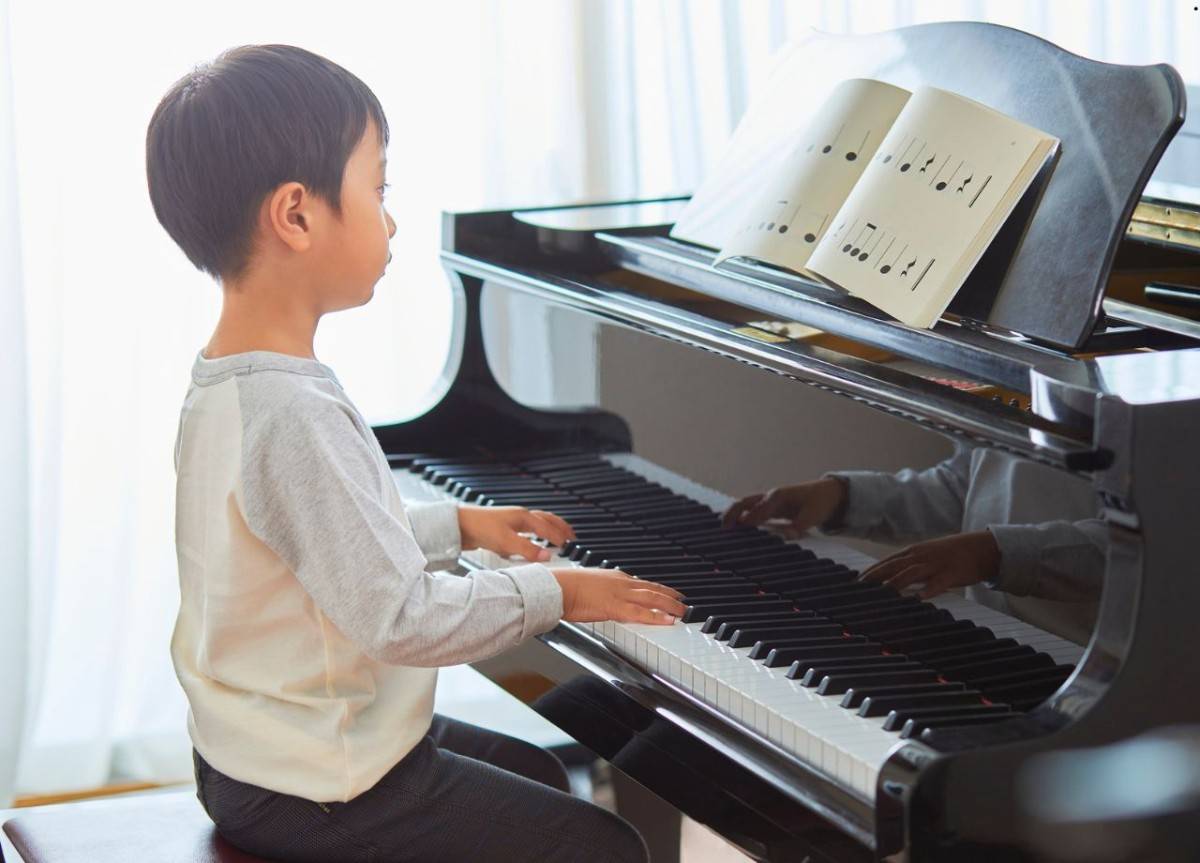
The first thing any student feels when they sit at a piano is the weight of the keys. It’s not just about effort. The way a key responds teaches the hands how to move, how to listen, how to control volume and expression. An acoustic piano offers a physical response to each finger movement. The resistance builds strength. It also helps students learn how to play softly or powerfully—not by turning a dial, but by adjusting their own touch.

Keyboards vary in this regard. Many beginner models have light, plastic keys with no resistance. That makes it easier to press but doesn’t train the fingers in the same way. A child who starts here might find it difficult to switch to a piano later. They often need to relearn their hand position, fix finger pressure, and develop control from scratch. Teachers at Ballet Centre Dubai often see this in their music classes—students with great enthusiasm but poor habits developed from light-touch instruments.

The Sound Tells a Story

Pianos speak differently. The vibration of strings, the depth of resonance, and the way a note fades naturally give the music life. It’s not just louder or clearer; it’s more responsive. A well-played note on an acoustic piano feels alive. Students quickly learn that the same key can sound different depending on how it’s touched. That kind of feedback is a huge part of musical growth.

On a keyboard, the sound is often sampled. That means it’s a recording of a real piano, played back electronically. Some models do this well. Others fall short, offering tones that feel flat or artificial. And if every note sounds the same regardless of how it’s played, students lose the chance to shape the music themselves.

At Ballet Centre Dubai, where Trinity and ABRSM exam preparation is part of the music program, expression matters. Young pianists are encouraged not just to play the right notes, but to interpret them. That process starts with an instrument that lets them explore sound, not just copy it.

Space, Budget, and Practicality

This is where keyboards often win. They’re affordable, lightweight, and don’t need tuning. For parents who want to see whether their child will stay committed to music, a keyboard makes sense. It fits in a bedroom, plugs into headphones, and allows quiet practice—ideal for apartment living or busy households.

But it’s also worth thinking ahead. If a child shows steady interest, an upgrade is usually necessary. Many students who start with a keyboard eventually find that it limits their progress. Their technique reaches a ceiling. Their sound plateaus. That’s often when parents look into lessons at Ballet Centre Dubai, where students get access to quality instruments and structured learning environments. The difference in motivation is often immediate. Playing a real piano can feel like unlocking a new level of expression.

Digital Pianos: The Middle Ground

There’s also a category that sits between keyboard and acoustic piano—digital pianos with weighted keys and realistic sound modeling. These offer a better feel and tone, without the size and maintenance needs of a traditional upright. They’re ideal for families who want to invest in a quality experience but still need flexibility.

Many of our students at the Centre practice on digital pianos at home and then transition smoothly to acoustic pianos in their lessons and exams. The consistency in touch and tone makes a big difference in how confident they feel during performances or assessments.

How Age and Level Play a Part

For very young children, a lightweight keyboard might be an appropriate starting point. It allows them to explore music, get used to the layout of keys, and start simple rhythms without too much physical demand. But as they grow, their instrument should grow with them. Older students, especially those preparing for graded exams or considering music more seriously, need an instrument that can meet them where they are.

That’s why the teaching approach at Ballet Centre Dubai is tailored by age and level. Our youngest learners begin with playful, creative exploration of music. As they advance, they’re encouraged to work on technique, performance, and theory, supported by instruments that help—not hold them back.

The Emotional Connection

One of the most underrated differences between piano and keyboard is how the student connects emotionally with the instrument. A piano invites storytelling. It rewards subtlety and feeling. It draws the player into the music in a way that’s hard to describe but easy to sense. Many students who switch from keyboard to piano describe it as a turning point. Suddenly, practice becomes more meaningful. They don’t just want to get through the notes—they want to make the music beautiful.

That emotional shift often changes everything. Practice isn’t a chore anymore. It becomes something they look forward to. It’s why the teaching rooms at Ballet Centre Dubai are equipped with acoustic pianos. We want students to feel that connection from the start.

When to Make the Switch

There’s no set age or grade when a student has to move from keyboard to piano. But there are signs. If your child is playing regularly, showing interest in technique or expressive playing, or preparing for music exams, it’s probably time. Many families make the shift after Grade 1 or Grade 2, once the basics are in place and the student is ready for more.

Some choose to invest in a digital piano with fully weighted keys. Others look for second-hand acoustic models. Either way, the step forward often sparks renewed energy in practice.

At Ballet Centre Dubai, we guide families through this process. Whether it’s helping parents understand the difference between graded instruments, or offering practice recommendations for home, our goal is to make the musical journey smoother.

Free Trials and Ongoing Support

For parents unsure of where to start, our free trial music classes offer a low-pressure way to see what works for your child. Whether they’re beginners with no prior experience or have been tinkering on a keyboard for years, our teachers adapt the lesson to match their pace. We also provide flexible payment plans and regular performance opportunities, helping young musicians stay motivated throughout the year.

And since we’re KHDA-approved, students can be assured that their learning follows international standards—something that becomes particularly valuable if they’re pursuing formal exams.

So, Is There a Difference?

Yes, and it matters—especially to the child who’s learning. A keyboard can be a good start, but it doesn’t fully prepare a student for what’s ahead if music becomes more than a passing hobby. The feel, sound, and emotional response of a real piano can shape a student’s growth in subtle but meaningful ways.

If you’re wondering what would suit your child best, we’re always here to talk it through. And more often than not, seeing your child sit at a real piano—eyes lit up, hands curious, heart open—is what makes the decision easier than expected.

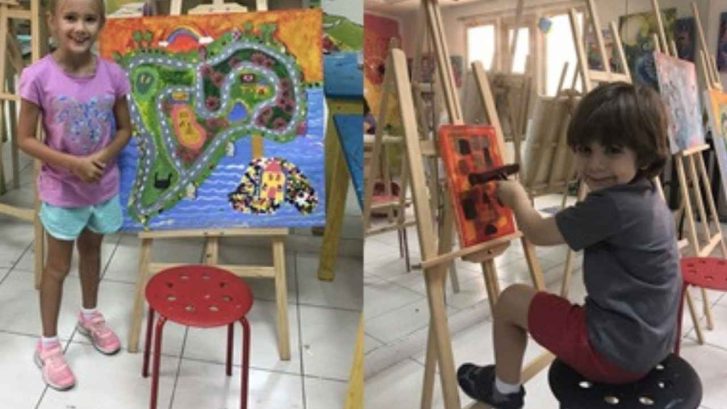
2 children painting on easels

The Power of Art in Developing Kids’ Creativity

Children are naturally curious. Give them a cardboard box, and it becomes a spaceship. Hand them a paintbrush, and they create entire worlds with just a few strokes. This isn’t just play—it’s early creative thinking in motion. These small, spontaneous acts of expression help form how a child sees, thinks, and solves problems.

When given the chance to explore different art forms—whether through dance, music, drawing, or drama—kids start to understand that their ideas have value. They learn that it’s okay to try something new without knowing where it will lead. These early creative risks become the building blocks of confidence.

At Ballet Centre Dubai, children are encouraged to follow their creative instincts in a setting that supports both structure and spontaneity. Whether it’s their first ballet class or their tenth art session, students are guided to explore without fear of being “wrong.”

Art Builds Self-Trust and Emotional Awareness

In a world full of expectations, schedules, and comparisons, art gives children one of the few places where self-expression matters more than perfection. Whether a child is dancing across a studio or sketching quietly in a corner, they’re making choices that reflect how they feel and how they see the world around them.

That freedom can be powerful. It helps children build trust in their own ideas, and with time, they become more willing to take initiative. Instead of waiting for approval, they begin to rely on their own instincts.

Dance classes, especially, provide this balance of freedom and discipline. In RAD Ballet or ISTD Modern, children are taught to follow technique but also to bring emotion into their movement. This connection between thought, feeling, and action teaches them to process emotions in a physical, constructive way.

The Role of Drama and Storytelling

Drama has a unique way of drawing out confidence from even the quietest children. Through character work, improvisation, and performance, children get to try on different points of view. They learn empathy—not by being told what it is, but by becoming someone else and walking through their story.

Drama classes at Ballet Centre Dubai are designed to bring out these qualities naturally. Students work in groups, which helps build cooperation, and they’re encouraged to create their own narratives, which fosters ownership and imagination.

Parents often notice changes beyond the classroom. Children who once struggled to speak up start leading games with their peers. Others become more expressive at home, eager to share stories or act out scenes they’ve created. These shifts happen gradually but are lasting.

Music as a Path to Focus and Patience

Learning a musical instrument isn’t about speed—it’s about attention. Children must listen closely, repeat tasks, and commit to progress over time. These habits aren’t just helpful in music—they transfer easily into academic and personal areas of life.

At Ballet Centre Dubai, students have the option to study piano, violin, vocals, and other instruments under ABRSM or Trinity exam boards. The structured learning path helps them build discipline, but the act of playing music also leaves space for creativity. Students often begin to compose their own melodies or reinterpret familiar songs in their own style.

For children who might struggle with concentration, music can be a quiet but effective teacher. It rewards consistency. It encourages listening. And it gives space for self-expression that doesn’t rely on words.

Visual Arts Spark Problem-Solving and Innovation

When a child sits down with a blank sheet of paper or a lump of clay, they face a gentle challenge: make something. There are no instructions, no single right answer, and no guaranteed outcome. This open-ended beginning is exactly what helps children grow as creative thinkers.

In arts and crafts sessions, offered at Ballet Centre Dubai as part of their extracurricular programs, children are encouraged to experiment with different materials, colours, and textures. They might begin with an idea and end somewhere completely unexpected. This kind of flexibility trains the brain to approach challenges from multiple angles.

It’s not unusual for a child who starts off unsure to finish a class with a handmade project they’re proud of. More importantly, they’ve learned that mistakes are part of the process—not something to fear. That lesson, once learned, stays with them long after the paint has dried.

Physical Expression Builds Mind-Body Connection

Movement is a language of its own. In dance classes—whether it’s classical ballet, rhythmic tap, or the fluid energy of modern—children learn to tell stories without speaking. They develop body awareness, timing, spatial intelligence, and a quiet kind of focus that comes from being fully present.

These skills do more than improve coordination. They strengthen memory, build endurance, and promote mental clarity. For children who struggle to sit still or focus in traditional settings, dance offers a structured outlet for energy and attention.

ART activities for kids

The performance aspect of dance adds another layer. Preparing for recitals or exams teaches children how to set goals and work steadily toward them. At Ballet Centre Dubai, students regularly participate in RAD and ISTD exams, giving them a chance to measure progress and celebrate achievements.

Safe Spaces Matter

Creativity thrives in an environment where children feel seen and supported. That’s why the right setting can make all the difference. It’s not just about teaching technique—it’s about creating a space where kids are allowed to be themselves, where their ideas are welcomed, and where their efforts are acknowledged without pressure.

At Ballet Centre Dubai, teachers are carefully chosen not only for their qualifications but for their ability to connect with children. With KHDA-approved programs, small class sizes, and a nurturing atmosphere, the Centre creates a space where creativity isn’t just encouraged—it’s protected.

Families also benefit from flexible payment plans and free trial classes, which make it easier to explore different options before committing. That flexibility reflects the belief that every child’s journey is different, and there’s no one-size-fits-all approach to creativity.

Stories From the Studio

One of the most inspiring parts of the work at Ballet Centre Dubai is watching growth happen quietly. A six-year-old who wouldn’t speak above a whisper now leads warm-up exercises in drama class. A student who was too nervous to perform at their first music recital now plays solos in front of full audiences. These aren’t exceptions. They’re gentle reminders of what happens when creativity is nurtured with patience and care.

Parents often share how their children have changed—not just in skill, but in spirit. A child who once hesitated to try now approaches challenges with curiosity. Another who struggled with confidence now dances with their whole heart. These transformations speak to the real value of the arts.

Lasting Benefits Beyond the Studio

As children grow, the creative habits they build through the arts shape how they approach life. They become better problem-solvers. They learn to adapt. They become more open to feedback and less afraid of failure. These qualities prepare them not just for school, but for relationships, for careers, for every stage of life.

The arts don’t promise instant results. What they offer is far better: slow, steady growth. Confidence that comes from doing the work. Resilience that comes from trying again. Joy that comes from discovering what you’re capable of.

And that’s what makes art so powerful—it gives children a chance to discover themselves in the process of creating something new.

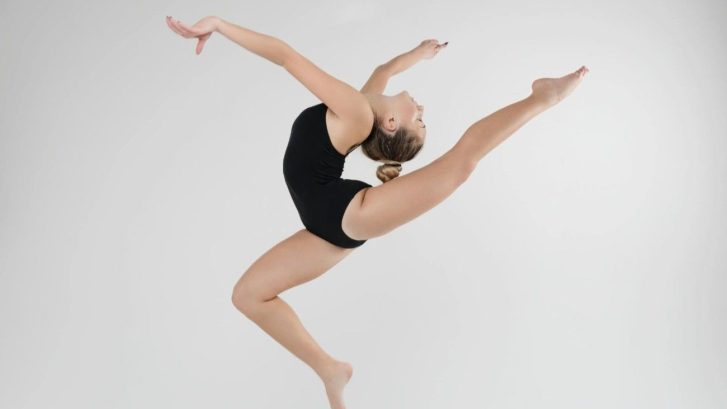
A dancer in mid air pose

Modern Dance: What It Is & How to Master It

Modern dance doesn’t ask dancers to be perfect. It asks them to be honest. There’s a difference. Where classical forms strive for precision and symmetry, modern dance invites the body to speak in its own voice. This is what draws students in—particularly those who don’t fit easily into straight lines and clean pirouettes. The movement can be grounded, angular, fluid, or fierce. It can follow the music or break from it completely. At its best, it doesn’t just entertain—it reveals something.

Walk into a modern dance class at Ballet Centre Dubai, and you’ll likely notice the absence of mirrors. Students aren’t constantly correcting themselves based on a reflection. They’re asked to feel where the movement comes from instead. Is it driven by the chest? The hips? Is it soft, or sharp, or somewhere in between? This focus on sensation, weight, and expression is what sets modern apart—and it’s what makes it such a valuable experience for young dancers.

More Than Just Style: The Heart Behind the Steps

Modern dance began as a reaction. Dancers like Martha Graham, Lester Horton, and Isadora Duncan wanted to break away from the strict rules of ballet. They wanted to move in a way that felt more human, more connected to the earth, and more reflective of everyday emotion. That legacy continues, not through imitation, but through exploration.

Each modern class at Ballet Centre Dubai blends structured technique with space to discover. Students might begin on the floor with strength and stretch exercises, then move into across-the-floor patterns that challenge coordination, then end with choreography that allows interpretation. There’s rhythm and repetition, but there’s also story. The movement might express joy or anger or vulnerability—not always big emotions, but real ones.

Parents often say their children seem more confident after a term of modern dance. That’s not a coincidence. When a child is given permission to move freely—but also challenged to do so with intention—they learn to trust themselves. And that confidence doesn’t stop when they step out of the studio.

How Young Dancers Build Skill Without Losing Soul

Modern dance can look effortless, which is often the result of serious training. There’s no shortcut to developing the coordination, strength, and awareness required. A student who starts modern early learns how to use breath, weight, and momentum—concepts that don’t always come up in other dance styles. They begin to understand how to move from the spine, how to shift balance quickly, and how to use their entire body in motion, not just isolated limbs.

That’s where consistent, qualified instruction becomes important. At Ballet Centre Dubai, our ISTD Modern program provides both creative space and technical guidance. Dancers progress through graded levels that build on each other, ensuring that they grow with the right foundations in place. Each level includes clearly defined skills, but the teaching is never rigid. Instructors encourage students to explore how movement feels, not just how it looks.

This combination of structure and flexibility is especially effective for children who want more than just choreography—they want connection. They’re not just learning to follow counts or copy moves. They’re learning how to own their presence in a room, how to tell stories without speaking, and how to stay grounded under pressure.

Small Steps, Big Progress

Learning modern dance is rarely about flashy tricks. It’s about refining awareness and developing quality of movement. That might mean spending weeks on the difference between a contraction and a release, or learning how to fall safely to the floor without hesitation. These are small skills that lead to big growth.

Parents sometimes ask if modern dance is suitable for beginners. The answer is yes—but only with the right guidance. New students often start by building strength and coordination. They learn the vocabulary of modern: swings, spirals, tilts, rolls. At Ballet Centre Dubai, we welcome beginners into an environment that is structured yet encouraging. Our instructors meet students where they are, with thoughtful feedback and individualized attention. Many students begin with a free trial class to see how they connect with the movement. That small introduction often turns into something lasting.

Modern also pairs beautifully with other styles. A student who takes ballet and modern together becomes a more versatile dancer. They gain classical alignment from one and expressive freedom from the other. Add tap or drama classes, and they begin to build a full performing arts foundation—one that strengthens not just the body, but the imagination.

The Role of Music and Emotion

Music in modern dance isn’t always predictable. It doesn’t have to be classical or upbeat or even melodic. It can be percussion, spoken word, silence, or the sound of breath. Dancers learn to respond to texture, not just tempo. They become more attuned to rhythm as a feeling rather than a count.

This makes modern dance an excellent tool for emotional development. Children and teens often carry feelings they don’t know how to name. Through movement, they can release, explore, and understand those emotions without needing to explain them. Parents who want their children to grow emotionally as well as physically find that modern dance offers an outlet few other activities can match.

Why Modern Dance Matters for Children Today

In a world where kids are expected to perform constantly—at school, in sports, even socially—modern dance gives them permission to be present. Not polished. Not perfect. Just present. That’s rare and needed.

It also builds resilience. Learning to master modern technique requires persistence. Movements aren’t always intuitive. Choreography may not come together right away. But when a child sticks with it, the payoff is meaningful. They feel the pride of progress earned, not handed out. That kind of growth can quietly shape a person’s character.

Why Modern Dance Matters for Children Today

Ballet Centre Dubai nurtures this growth with care. KHDA-approved programs ensure a high standard of education, and flexible payment plans make it easier for families to invest in long-term development. Our instructors are not just experienced dancers—they’re skilled educators who know how to challenge students without overwhelming them.

What Mastery Really Looks Like

Mastering modern dance doesn’t mean reaching some final stage. There’s no finish line. It means learning to move with control and intention. To understand the body’s relationship with space, weight, and time. To use movement as language. Students who reach advanced levels often choreograph their own work. They learn to improvise, to collaborate, and to perform with clarity. They become artists, not just dancers.

But even those who don’t pursue dance professionally take something with them. A sense of awareness. A physical confidence. A deepened understanding of their own body. These are lessons that linger long after the last rehearsal.

A Place to Start

If you’re looking for a way to support your child’s physical, emotional, and creative growth, modern dance offers something special. And finding the right space to begin makes all the difference. At Ballet Centre Dubai, we provide that space—with dedicated studios, expert teachers, and a welcoming community. Whether your child is new to dance or ready for the next challenge, our modern dance program meets them where they are and helps them move forward.

We offer free trial classes for families who want to experience it firsthand. Because sometimes, you just have to see it—to watch your child move, feel, and come alive—to know it’s the right fit.

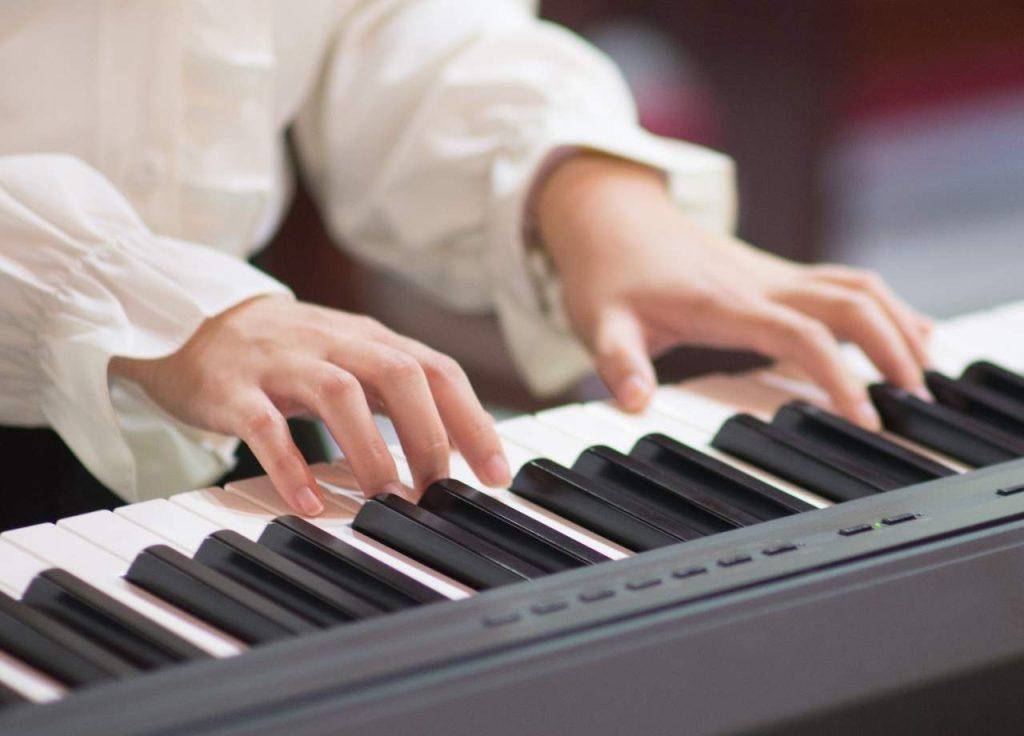
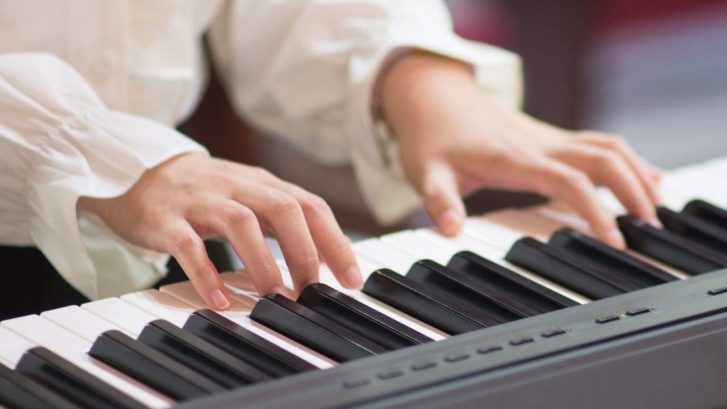
hands playing a piano

Master Piano Playing Without Tension

Tension often sneaks into piano playing without warning. It might begin with a child pressing too hard on the keys or locking their wrists when trying to concentrate. As they push themselves to “get it right,” their bodies compensate with habits that feel helpful at first—but over time, those patterns can become limiting. Stiff shoulders, sore hands, and frustration are all signs that something isn’t quite right beneath the surface.

At Ballet Centre Dubai, we regularly see how much of a difference mindful teaching can make. Our music classes—taught by experienced, Trinity-certified instructors—focus not just on skill but on comfort, confidence, and long-term well-being. A relaxed pianist is a more expressive pianist, and that begins with how they’re taught from the very first lesson.

How Tension Develops Without Anyone Noticing

Young learners are eager to please. When they sit at the piano, their focus can shift from musicality to accuracy. In this pursuit of perfection, they might hold their breath, stiffen their backs, or press down with more strength than necessary. These small adjustments can become automatic, especially when the child doesn’t yet understand what “relaxed playing” feels like.

Emotional pressure contributes, too. Children often want to meet expectations—whether they come from parents, teachers, or peers. That desire can create physical reactions they aren’t even aware of. A safe and supportive learning space makes it easier to break those patterns before they take root.

What It Looks Like to Play with Ease

When a pianist is free of tension, you can hear it as much as see it. Their sound is fluid. Their movements are effortless. There’s grace in how they lift their hands and intention in every phrase they play. This ease doesn’t come from talent alone—it comes from learning how to listen to the body as much as the music.

Our piano lessons are designed to foster this kind of self-awareness. Teachers work closely with each student to help them notice posture, arm movement, breathing, and hand position. When students experience the difference between strained and fluid playing, they begin to self-correct naturally. That’s when growth becomes exponential.

Spotting Tension in Your Child’s Practice

Many parents notice something isn’t quite right before the student does. A child may come away from the piano feeling tired after just a short practice. You might hear them complain that their hands hurt, or notice that they sit stiffly and look frustrated. Maybe they’re working hard but not seeing progress—and practice starts to feel like a chore rather than something joyful.

Some children hunch forward while playing, or keep their wrists locked and unmoving. Others press so firmly that the notes sound harsh instead of clear. These signs point to a need for a different approach—one that focuses less on pushing and more on learning how to release.

Teaching Healthy Habits from the Beginning

The way a student learns to play in the beginning sets the tone for everything that follows. That’s why our piano teachers at Ballet Centre Dubai place equal importance on healthy technique and musical development. During the early weeks of lessons, students are gently guided to sit with balanced posture, move their arms naturally, and use finger strength without stiffness.

Rather than drilling scales or fast-paced pieces immediately, we often begin with lyrical, flowing music that invites calm movement and awareness. We teach students how to breathe while they play, how to feel each key rather than attack it, and how to build independence in their fingers without gripping or tensing.

This process not only helps prevent strain but also deepens musicality. Students learn to feel their way into a phrase and develop sensitivity that lasts.

Why the Right Teacher Matters

Teaching piano without tension isn’t just about method—it’s about the relationship between student and teacher. A young pianist needs to feel safe, encouraged, and understood. At Ballet Centre Dubai, our instructors are selected not just for their qualifications, but for their warmth and ability to connect. They know how to guide with patience and adjust their teaching style to suit each child’s temperament and learning pace.

Why the Right Teacher Matters

When a child feels emotionally supported, they play with more openness. They begin to trust their instincts. They try things without fear. And that’s when real artistry begins to emerge.

Encouragement over Pressure

Perfection doesn’t inspire progress—confidence does. We see again and again that when students are allowed to explore without fear of mistakes, they find their own rhythm and voice. One of the greatest joys in teaching is watching a student shift from trying to get it “right” to playing because they love it.

At home, this same mindset helps. Parents who offer calm encouragement—celebrating small milestones and supporting steady routines—help their children stay connected to their own love of music. Even when mistakes happen, the focus stays on growth. This builds resilience and trust, which spill over into other areas of life as well.

The Deeper Benefits of Playing with Ease

When a child learns to play without tension, they’re also learning to listen—to their bodies, their feelings, and the music they create. They’re building awareness, confidence, and emotional control. These qualities stay with them far beyond the piano bench. They influence how they handle challenges in school, how they manage stress, and how they express themselves in everyday life.

Over time, students who play comfortably tend to develop faster technically, perform with greater confidence, and enjoy their practice more. They’re also less likely to experience burnout or injury. What starts as a small adjustment in posture can end up shaping their entire musical journey.

A Better Place to Begin—or Begin Again

At Ballet Centre Dubai, we’ve created a learning environment where music and well-being go hand in hand. Our piano programme is part of a wider performing arts offering that values creativity, discipline, and joy in equal measure. We offer individual music lessons guided by Trinity College London standards, flexible payment plans, and the option to book a free trial class before enrolling.

Parents often tell us their children are happier, calmer, and more engaged after starting lessons with us. Whether your child is completely new to the piano or looking to reconnect with it in a healthier way, we’d love to welcome them into our community.

If you’re ready to see your child thrive at the piano—with less tension and more joy—our doors are open.

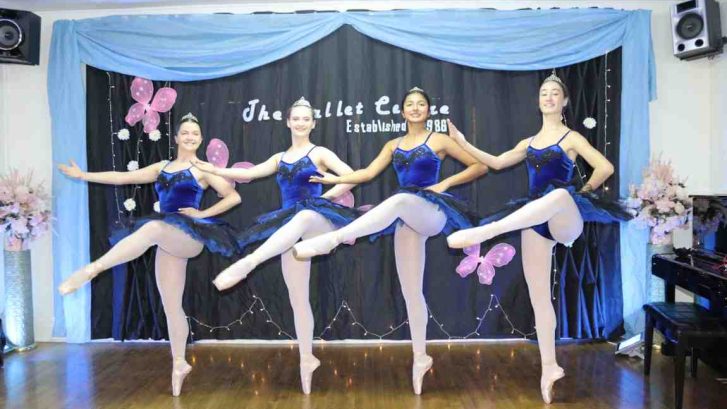
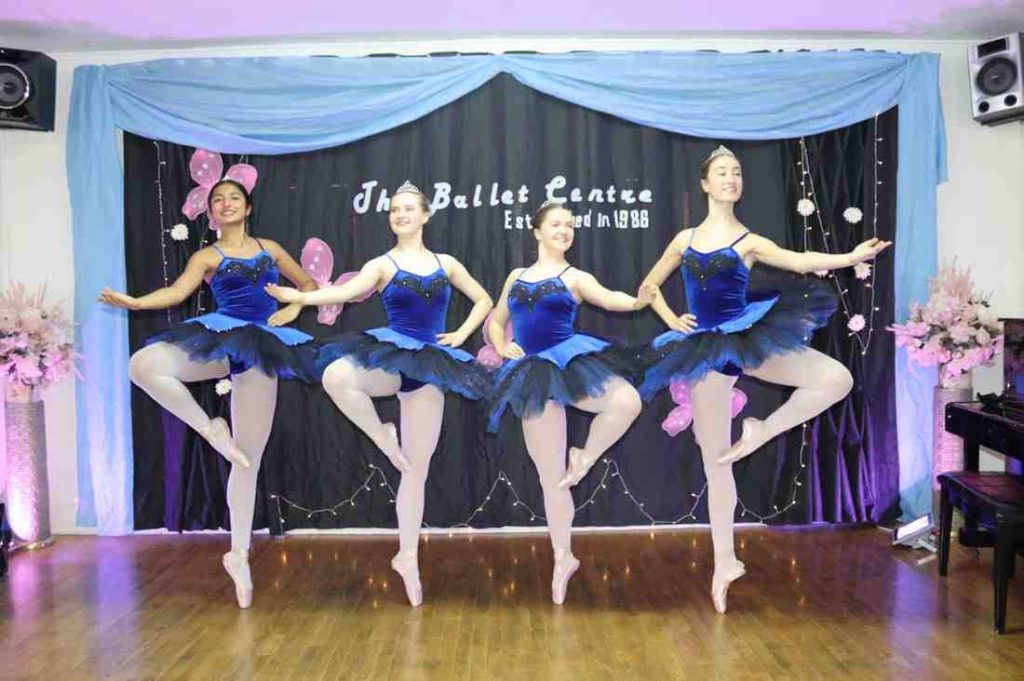
Four women wearing blue ballet attire with one leg up

How Different Factors Impact Your Ballet Technique

It’s often the smallest things that shape a dancer’s progress: a late dinner the night before class, shoes that pinch, a teacher who believes in them, or simply the temperature of the studio. Ballet technique doesn’t develop in isolation. It grows—or stalls—based on everything surrounding the student, from their habits at home to the environment where they train.

At Ballet Centre Dubai, we’ve watched students transform not just from excellent teaching, but from consistent support in areas parents might not always consider. If your child is training in ballet, understanding what influences their technique can make a noticeable difference.

Posture Starts Outside the Studio

It’s easy to think of posture as something corrected at the barre, but the habits children build in their day-to-day lives often follow them into class. Slouching over devices, heavy backpacks, soft couches—these shape the spine long before pliés do. A dancer who sits with awareness usually finds it easier to hold alignment during class.

Parents who encourage time away from screens, promote cross-legged sitting over slumping, or introduce activities like drama or music help their child develop better spatial and body awareness. These subtle habits feed into the way a dancer holds themselves both in and out of class. The Ballet Centre offers drama and music lessons that naturally support this kind of physical mindfulness—without your child even realising they’re working on their ballet foundation.

Muscle Memory Loves Routine

A once-a-week class will teach steps, but technique comes from repetition. The body learns through doing—not once or twice, but often. Children who dance several times a week usually show faster improvement in strength, control, and coordination.

Our students enrolled in both RAD Ballet and Modern or Tap through the ISTD syllabus often progress with noticeable steadiness. These disciplines reinforce each other: ballet builds the core, tap sharpens rhythm, and modern encourages fluidity. Together, they round out a dancer’s physical vocabulary.

We often suggest trial classes across styles so students can discover where they thrive—and parents can see firsthand how additional exposure strengthens ballet technique without overwhelming young dancers.

Sleep and Food Matter More Than You Think

A tired dancer can’t balance well. A hungry one won’t have the energy to jump or hold an arabesque. Nutrition and rest aren’t just general health tips—they directly affect turnout, stamina, and focus.

You can often spot a dancer who didn’t sleep enough: their muscles look sluggish, and turns become wobbly. One who skipped lunch might push through the first half of class, then fade when combinations get longer. We see this all the time, especially in afternoon and evening classes.

Simple routines at home—regular meals, water intake, consistent sleep—are quiet helpers to technical improvement. Ballet Centre Dubai supports this understanding by keeping classes age-appropriate in both length and schedule. Our staff are trained to observe when students need gentle redirection, or just a moment to catch their breath.

The Studio Vibe Changes Everything

Technique doesn’t thrive in a tense room. Students need to feel safe, encouraged, and open to correction. At Ballet Centre, we create an environment where children want to come back—not out of pressure, but genuine excitement. That emotional comfort leads to better risk-taking in technique: a dancer will only push for higher extensions or deeper pliés if they trust the space they’re in.

We’ve seen shy children blossom after just a few weeks, simply because they felt noticed and respected. The connection with a teacher can be a deciding factor in how quickly technique improves. Encouragement and accountability, delivered with warmth, often outweigh sheer repetition of exercises.

Growth Spurts and Physical Changes

Children don’t grow evenly. One term they’ll leap like gazelles, the next they can’t touch their toes. It’s not regression—it’s adjustment. The body has to recalibrate after each change in height, weight, or limb proportion.

Technique may appear to backslide during these transitions. A dancer’s coordination can dip when legs lengthen suddenly or feet grow a size. Teachers at Ballet Centre track these shifts and adapt training accordingly. What looks like a rough patch is often just the body learning its new dimensions.

Parents who stay patient during these phases—who don’t compare one child’s progress to another’s—make it easier for dancers to push through without discouragement. Ballet isn’t linear, and bodies don’t change neatly. But good instruction, paired with understanding at home, keeps students motivated even when their pirouettes feel off.

External Activities Can Help or Hinder

Not all sports or hobbies complement ballet. Football, for instance, can tighten the hips. Some forms of martial arts develop speed but not extension. On the flip side, disciplines like Taekwondo—offered at Ballet Centre Dubai through the ITF program—can enhance balance, discipline, and core control in ways that translate well to ballet.

Cross-training can be wonderful when it’s chosen mindfully. We’ve noticed students who also play a musical instrument tend to pick up rhythm and phrasing in choreography more quickly. Those who practice arts and crafts often have a better eye for details, which shows in their port de bras or finishing positions.

External Activities


Rather than overload schedules, it helps to select activities that speak to the body and mind in harmony with ballet training.

Confidence Grows With Performance

Technique often clicks when a dancer prepares for something. Exams, recitals, or small in-studio showings give a sense of purpose. Ballet Centre offers RAD and ISTD exams, along with annual performances, and even these short-term goals spark better focus in class.

We’ve seen students suddenly fine-tune their épaulement just weeks before a show—after months of half-hearted attempts. The reason? Motivation. The excitement (and nerves) of sharing their work pushes dancers to lock in corrections that previously felt abstract.

Parents who support their child through rehearsals—whether by attending, encouraging extra practice, or simply asking how class went—become part of the progress. Ballet isn’t only learned with the body; it’s learned with the heart.

Final Thoughts

The technique you see on stage or in class is never just the result of a well-taught plié. It’s shaped by the shoes a child wears, the food they eat, the mood they’re in, the sleep they had, and how safe they feel in the studio. Ballet Centre Dubai works hard to offer more than instruction—we create an environment where every element is geared to help students grow.

From free trial classes to KHDA-approved syllabi and flexible payment options, we make it easier for families to find the rhythm that works for them. When everything clicks—from home routines to the right teacher—technique becomes more than steps. It becomes something a dancer carries with pride, everywhere they go.

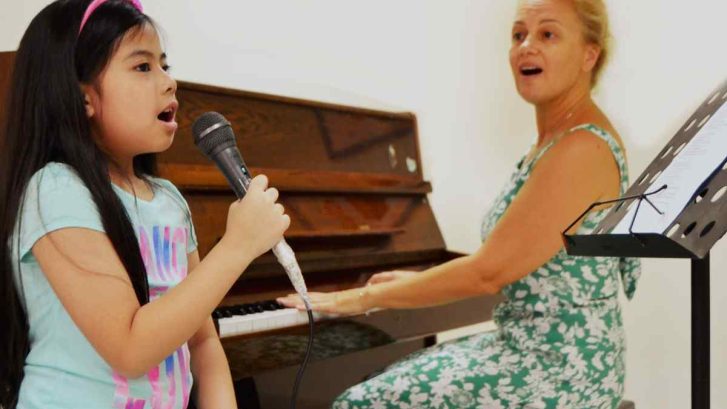
A child singing holding a mic while teacher plays piano

The Path to Becoming a Skilled Musician

Some children can hum a tune before they speak in full sentences. Others show an early fascination with instruments—tapping rhythms on tables, plucking rubber bands to imitate strings, or pausing whatever they’re doing when music plays. These small signs matter. They can be the first quiet steps on a long and rewarding path.

But talent alone doesn’t build a musician.

Behind every confident performance, there are hours of repetition, moments of frustration, tiny victories, and steady progress. The journey is rarely fast. It begins with curiosity and grows through structure, consistency, and encouragement. And in most cases, it starts at home—with a parent’s decision to nurture that spark.

Starting Early, Starting Right

Children absorb music long before they understand it. Exposure in early years shapes their sense of rhythm, pitch, and tone in ways that formal instruction alone can’t replicate later. That’s why many families choose to introduce music as part of a child’s everyday routine. But when that curiosity becomes focused—when a child wants to learn piano, violin, or voice—it’s time to offer something more structured.

At Ballet Centre Dubai, private and group lessons are available in piano, violin, voice, and more, taught by experienced instructors following international syllabi like Trinity and ABRSM. These aren’t casual sessions; they’re carefully designed to match each student’s pace, and they include regular feedback and exam preparation.

Many parents are surprised to find that the first few lessons aren’t about playing songs but learning how to sit, how to hold the instrument, how to listen. This slow build is crucial. It gives the student the physical foundation and mental habits needed to move forward with confidence.

Progress Isn’t Always Linear

Some weeks feel like breakthroughs. Others feel like plateaus. This is true for adults as much as for children. But young learners, especially, need guidance through the quieter stages—the ones where improvement is hard to see.

That’s where a supportive teacher makes all the difference.

One parent recently shared how their daughter nearly gave up piano after struggling with sight-reading. Instead of pushing her, the teacher at Ballet Centre Dubai suggested switching temporarily to a duet format—allowing the student to play alongside her teacher using simplified scores. Within a month, her confidence returned. She began reading with ease and even chose to sit her Grade 1 Trinity piano exam later that year. She passed with distinction.

That’s not luck. That’s experience paired with patience.

And when that kind of teaching is combined with a warm, low-pressure environment—one where children don’t feel they have to be perfect—it sets the stage for lasting growth.

Practice That Feels Natural

One of the biggest challenges isn’t learning the music itself—it’s learning how to practice. Most children won’t sit down at the same time every day and focus for 30 minutes without help. That doesn’t mean they’re not serious about music. It just means they need a routine that fits who they are.

Some practice best in short bursts—ten minutes before breakfast and ten after school. Others like to play their assigned pieces once, then improvise something of their own. Both approaches can work. The trick is helping the child stay connected to their instrument, without turning it into a chore.

At the Ballet Centre, teachers often work closely with parents to develop these habits gradually. Some even send short practice videos after class so the student can review the key points at home. Others create reward charts for younger learners or suggest apps that make scales and theory more engaging.

When children feel ownership over their music, they’re more likely to return to it, day after day.

Performing Without Fear

Not every child will want to be on stage, but giving them the chance to share their music with others is an important part of growing as a musician.

At Ballet Centre Dubai, annual recitals offer that chance. These performances aren’t competitions; they’re celebrations. Students perform in a professional setting, supported by their peers, instructors, and family members. Some play solo. Others join small ensembles. All gain something—whether it’s poise, confidence, or just the thrill of applause.

One student who began voice lessons at the Centre at age 9 was so shy she barely spoke above a whisper. Her teacher started with breathing exercises, pitch games, and expressive reading—not songs. It took six months before she sang a full verse aloud. Two years later, she stood on stage and sang a classical piece in Italian, beaming under the lights. Her parents said they barely recognized her.

Performing Without Fear

Music gives children the opportunity to express themselves in ways words can’t. When they feel safe doing that, something changes. They carry that self-belief into other parts of their lives—school, friendships, even sports.

Exams: A Goal, Not a Measure

Parents often ask whether their child should take music exams. The answer depends on the student’s goals. Exams provide structure and milestones. They can also open doors to scholarships and advanced study later on. But they shouldn’t become the only reason to learn.

At Ballet Centre Dubai, students are welcome to prepare for Trinity College London and ABRSM exams in piano, violin, voice, and theory. But participation is never forced. Teachers advise based on readiness—not just technical skill, but emotional preparedness too.

One student might thrive under the focus of exam prep. Another may prefer learning a wider range of songs without the pressure of a date on the calendar. Both paths are valid.

What matters more is that students stay connected to their music, and that parents support whatever pace feels right for them.

The Long View

It’s tempting to hope for fast progress—quick songs, early grades, applause. But becoming a musician isn’t about speed. It’s about building a relationship with music that deepens over time.

Some children start strong, then take breaks. Others move slowly, then suddenly accelerate. And some simply enjoy the process—learning, playing, and growing—without any need to perform or compete.

What they all need is encouragement, structure, and a space where they feel safe to explore.

At Ballet Centre Dubai, music is one part of a wider creative community. Students studying ballet or drama often take music classes too, enriching their understanding of timing, emotion, and expression. Families appreciate the flexible scheduling, KHDA-approved curriculum, and the opportunity to try a class before committing. But more than that, they value the warmth—the feeling that every student matters.

Learning music isn’t just about producing sound. It’s about learning how to focus, how to listen, how to persist, and how to express joy.

That journey starts with a single note. And often, a parent willing to say: Let’s try.

1 2 3 4 5 16