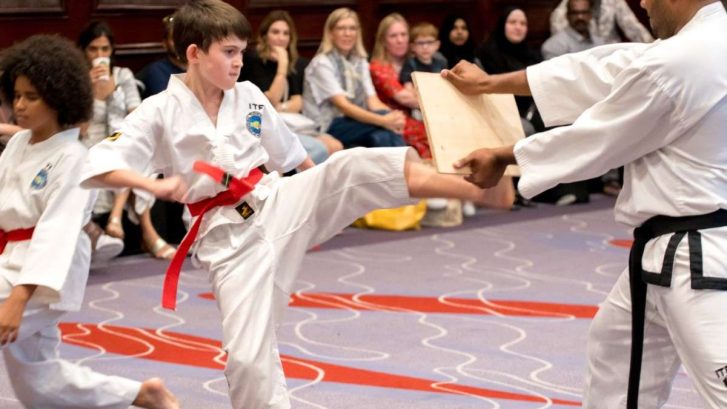
taekwondo student breaking wooden board with a kick

Taekwondo vs. Kickboxing: Which Style Matches Your Goals?

Choosing the right martial art can be a tricky decision, especially for those looking to unlock a wide range of physical and mental benefits. Both taekwondo and kickboxing offer effective ways to build strength, enhance fitness, and learn self-defense. Yet, they approach these goals from very different angles. Whether you’re considering a martial art for your child or looking to take on a new challenge yourself, understanding what each style brings to the table can help you decide which one best aligns with your personal goals.

What Is Taekwondo?

Taekwondo is a Korean martial art that emphasizes high, fast kicks and dynamic footwork. With roots in ancient Korean combat techniques, taekwondo was modernized and systemized in the 1950s and 1960s, eventually gaining international popularity. Its focus is on discipline, respect, and building mental resilience, often encouraging students to strive for personal growth in addition to physical prowess.

At the heart of taekwondo is its unique approach to combat. The art emphasizes agility and precision, often requiring practitioners to maintain balance while executing quick, powerful kicks. The techniques can vary from low, controlled kicks to high, spinning kicks that require flexibility and coordination. Students learn how to use their legs as their primary weapons, with some striking techniques involving fast, powerful roundhouse and side kicks.

What Is Kickboxing?

Kickboxing is a hybrid martial art that combines elements of traditional boxing with powerful kicks. Developed in the 1970s, kickboxing blends Western boxing techniques—such as punches, jabs, and hooks—with Eastern martial arts-style kicks, creating a versatile fighting system that incorporates both hand and foot strikes. It is known for its intensity, offering a full-body workout while also improving cardiovascular endurance, strength, and agility.

Kickboxing training typically includes practicing punches, kicks, knee strikes, and defensive maneuvers. Unlike taekwondo, which relies heavily on footwork and kicks, kickboxing involves using fists and elbows more frequently. The art requires a strong focus on speed, power, and precision while teaching practical, real-world techniques that can be used for self-defense or competition.

Key Differences in Training Focus

When it comes to training, taekwondo and kickboxing differ significantly in their emphasis. Taekwondo focuses more on flexibility, agility, and mastering precise, controlled movements. Kicks are central to taekwondo, with students learning to execute high and fast kicks with pinpoint accuracy. Practitioners often work on improving their flexibility and balance, which are essential for performing these advanced kicking techniques.

Kickboxing, on the other hand, places a greater emphasis on developing power and stamina. While kicks are used, punches and combinations are also crucial to training. Kickboxers spend a significant amount of time working on their footwork, strikes, and defensive moves. Conditioning is often intense, and training often incorporates heavy bags, pads, and sparring to build strength and endurance.

Which Martial Art Suits Your Child’s Needs?

For parents considering enrolling their child in martial arts, both taekwondo and kickboxing offer unique advantages. If your child enjoys practicing graceful, controlled movements and is keen to improve flexibility, taekwondo may be a great fit. The discipline and respect taught in taekwondo classes can also be a wonderful way to build character and instill values such as perseverance, focus, and determination.

At Ballet Centre Dubai, we offer a welcoming space for children of all skill levels to explore different activities. With our ITF Taekwondo classes, young students not only learn effective self-defense techniques but also develop the mental discipline that comes with mastering an intricate art form. It’s a fantastic option for children who thrive in a structured environment where they can build confidence and physical skills simultaneously.

For children who prefer a more dynamic, action-packed martial art, kickboxing may be the better choice. With its fast-paced training and emphasis on cardiovascular conditioning, kickboxing can help kids improve their stamina, agility, and coordination. The sport is especially effective for children who want to challenge themselves physically and learn practical skills for self-defense.

Physical Benefits: Taekwondo vs. Kickboxing

Both taekwondo and kickboxing offer impressive physical benefits, but their specific advantages cater to different fitness goals. Taekwondo tends to be more focused on flexibility, balance, and precise coordination. Training involves extensive leg work, which can help tone and strengthen the lower body. Students can also develop better posture and agility through the controlled movements and quick changes in direction.

Kickboxing, however, is designed to boost cardiovascular health, burn calories, and build overall strength. The sport’s high-intensity workouts combine aerobic and anaerobic exercise, making it a great choice for improving heart health and stamina. Kickboxing also helps to build strength in the core, legs, and upper body, offering a well-rounded fitness routine that tones the entire body.

Mental Benefits: Discipline, Focus, and Confidence

A significant aspect of martial arts, whether taekwondo or kickboxing, is the mental discipline that comes with consistent practice. Taekwondo, due to its deep-rooted emphasis on respect and tradition, encourages students to develop mental focus and perseverance. This is why it can be such a powerful tool for children, teaching them to overcome challenges both on and off the mat. As they progress through the various belt levels, children learn to set goals, track progress, and build resilience in the face of adversity.
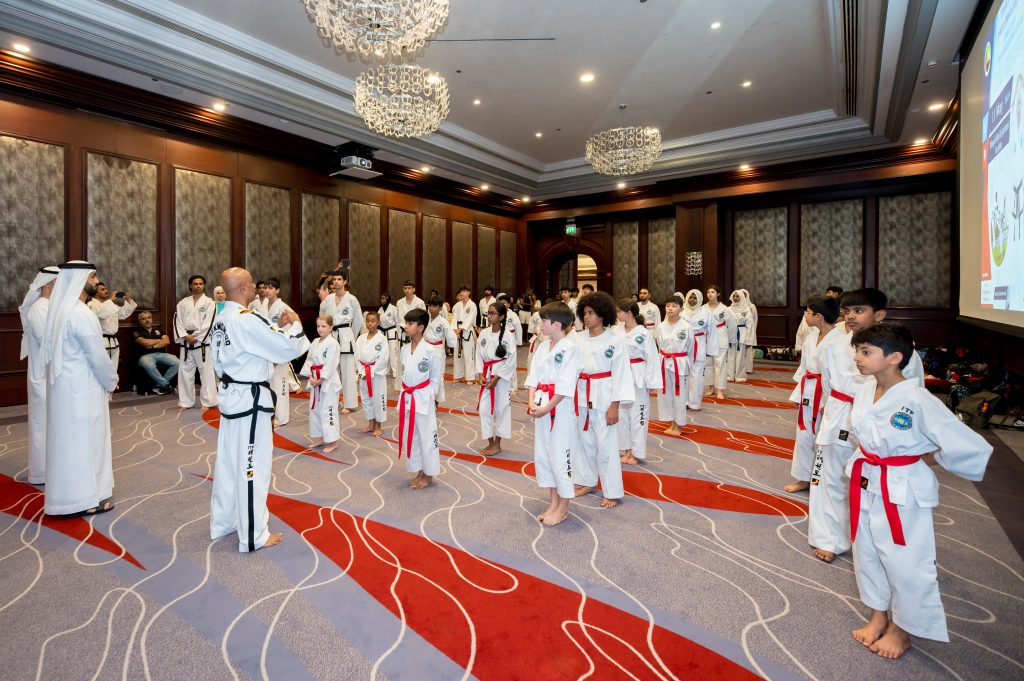
Children in hall with Taekwondo instructor at the front of the class

Kickboxing, by contrast, fosters confidence through strength and control. The sport’s focus on physical conditioning and combat skills can help students feel empowered, as they gain the ability to defend themselves effectively. Kickboxing can also build mental toughness by pushing students to face intense training sessions that require determination and a strong work ethic.

Which One Should You Choose?

The decision between taekwondo and kickboxing depends on your personal goals, interests, and fitness objectives. If you’re looking for an art that combines flexibility, discipline, and precise movements, taekwondo may be the ideal choice. Its structured environment and emphasis on balance, grace, and concentration offer a well-rounded martial arts experience that appeals to those seeking personal growth.

On the other hand, if you’re drawn to high-intensity training and the desire to build strength, stamina, and agility, kickboxing might be the way to go. It provides a more dynamic, energetic environment where students can challenge themselves physically and develop practical combat skills.

At Ballet Centre Dubai, we’re proud to offer both taekwondo and kickboxing as part of our diverse curriculum. Our ITF Taekwondo classes are designed for students of all ages, while our kickboxing training is perfect for those looking to engage in a more fast-paced, action-oriented martial art. With a focus on physical fitness, personal development, and the mental benefits of martial arts, we provide a safe and supportive environment for individuals and families to explore and enjoy both disciplines.

Whether you choose taekwondo or kickboxing, the key is to find a martial art that aligns with your goals and interests. By trying out a class and experiencing the training firsthand, you can discover which style resonates with you or your child. Both offer exciting opportunities to grow, challenge yourself, and experience the numerous benefits of martial arts.
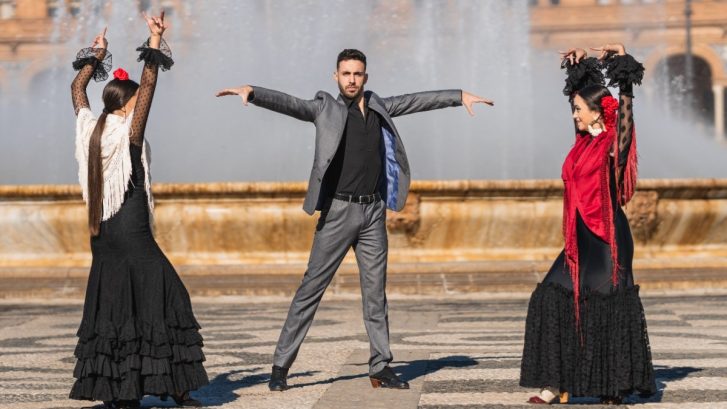
Three people dancing flamenco in a traditional square

Unlock Your Potential as A Flamenco Dancer

Flamenco, with its fiery rhythms, expressive gestures, and passionate movements, is more than just a dance. It is an art form that speaks to the soul, expressing deep emotions through every step, clap, and flourish. For those who wish to explore this mesmerizing dance style, it offers a chance to unlock one’s full potential in terms of creativity, discipline, and emotional expression. Whether you are an adult searching for a new way to express yourself or a parent hoping to help your child grow through the arts, flamenco is a dance that can have a profound impact on one’s life.

Why Flamenco?

Flamenco is rooted in the rich culture of Andalusia, Spain, where it originated as a fusion of various musical and dance traditions. It has evolved over centuries into a deeply expressive and intricate dance form, blending rhythm, melody, and movement to tell stories of love, joy, and sorrow. What sets flamenco apart from other dance forms is its ability to communicate raw emotion. A dancer’s body becomes an instrument, moving to the pulse of the music, whether it’s the thunderous sound of heels tapping the floor or the graceful swirl of a dancer’s skirt.

For children, flamenco can be an excellent means of developing both physical and emotional skills. The rhythm-based movements can help improve coordination, balance, and flexibility. Meanwhile, learning to express emotions through dance encourages confidence and creativity. It teaches discipline and focus, helping young dancers improve their self-esteem as they master difficult moves and gain new skills.

The Soul of Flamenco: Understanding Its Musical Heart

Flamenco’s power lies in its music & history—a raw, emotional language woven from guitar (toque), vocals (cante), and percussion (palmas). Each palos (style) carries distinct rhythms—from the fiery bulerías (12-beat cycles) to the mournful soleá—guiding dancers’ footwork and emotions. The guitar’s rasp (afinación) and the singer’s gravelly jaleo cries don’t just accompany the dance; they drive it, creating a conversation between musician and mover. At Ballet Centre Dubai, students learn to listen beyond the notes, feeling how a compás (rhythmic cycle) dictates whether their steps should explode like thunder or whisper like rain.

Getting Started with Flamenco

Flamenco is often associated with its distinctive footwork, hand movements, and the expressive use of the face and arms. But even beginners can experience the joy of flamenco through its fundamentals. In many ways, it is not just about learning the steps, but rather understanding how to merge the dance with the music. The fusion of rhythm, passion, and expression allows dancers to make the dance their own.

At Ballet Centre Dubai, flamenco classes are designed to help students at any level connect with the music and the spirit of the dance. Whether your child is just beginning or has already danced in other styles, these classes offer a welcoming space to explore flamenco’s unique qualities. The supportive instructors at Ballet Centre Dubai are passionate about guiding students through the technical aspects of flamenco, while nurturing their emotional connection to the dance.

The Benefits of Flamenco for Young Dancers

When children engage with flamenco, they are not simply learning steps and rhythms; they are learning how to communicate in a deeply personal way. Flamenco’s emphasis on emotion makes it an especially valuable tool for self-expression, which is essential during childhood and adolescence. The dance allows young people to explore and express their feelings in ways that may be difficult through words alone.

Aside from emotional growth, flamenco teaches physical discipline. It requires a high level of control over one’s body, especially in movements like the intricate footwork that defines the dance. Children develop strength, coordination, and flexibility as they practice their technique, and their posture improves as they learn to carry themselves with confidence.

For parents seeking to provide their children with an opportunity to grow, flamenco offers much more than a dance lesson—it helps instill a sense of rhythm, focus, and perseverance. Every time a dancer masters a challenging sequence or steps in sync with the music, it reinforces the value of hard work and determination. These qualities extend beyond the dance studio, helping children in all aspects of life, from school to relationships.

Flamenco: A Dance of Connection

One of the most magical aspects of flamenco is its connection to music. Dancers do not simply move to a melody; they move with the music, syncing their movements to the rhythm of the guitar, the pulse of the percussion, and the soul-stirring voices that often accompany the dance. Flamenco teaches the dancer to listen with their entire body, feeling every beat and letting it guide their movements. It is a dance of connection—first to the music, and then to the audience.

At Ballet Centre Dubai, students are encouraged to cultivate this connection from the very first lesson. Through dedicated training, students learn how to sync their movements with the music and understand the emotional depth behind every piece of flamenco. Whether it’s the gentle sway of a hand or the powerful stomp of a foot, every movement is a reflection of the rhythm that pulses through the dancer’s veins.

Finding the Right Classes for Your Child

When looking for flamenco classes, it’s essential to find a studio that offers personalized instruction and a focus on both the technical and emotional aspects of the dance. Ballet Centre Dubai offers flamenco classes for both beginners and advanced dancers, ensuring that each student receives the attention and guidance they need. With small class sizes and a warm, welcoming atmosphere, Ballet Centre Dubai creates an environment where students feel comfortable exploring their creativity and pushing themselves to reach their full potential.

The centre’s flexibility in scheduling and payment options makes it easier for parents to integrate dance into their child’s routine without added stress. Whether you are looking for weekly classes or are unsure where to start, the Ballet Centre Dubai offers a supportive space for both new and experienced flamenco dancers.

A Safe, Supportive Environment for Growth

The benefits of flamenco extend beyond the dance itself. As with any art form, flamenco provides an opportunity to develop a strong sense of discipline, a deep love of music, and an appreciation for different cultures. By learning flamenco, children also develop a respect for tradition and the dedication needed to master an art form. The focus on expressive movement and individual style encourages students to embrace their unique voices while remaining grounded in the rich traditions of flamenco.

Parents looking to support their child’s growth through the arts will find that Ballet Centre Dubai provides a nurturing environment that fosters both technical skill and personal development. The centre is committed to providing students with opportunities to explore various dance forms, including flamenco, with expert instruction and a focus on creating well-rounded performers.

Flamenco and the Community

One of the most special aspects of flamenco is its sense of community. While the dancer is often at the forefront, flamenco is a collective experience that involves musicians, singers, and even the audience. The shared energy and passion of the flamenco experience create an undeniable sense of camaraderie among dancers and performers. Whether they are practicing in the studio or performing in front of an audience, flamenco dancers are part of something bigger than themselves.

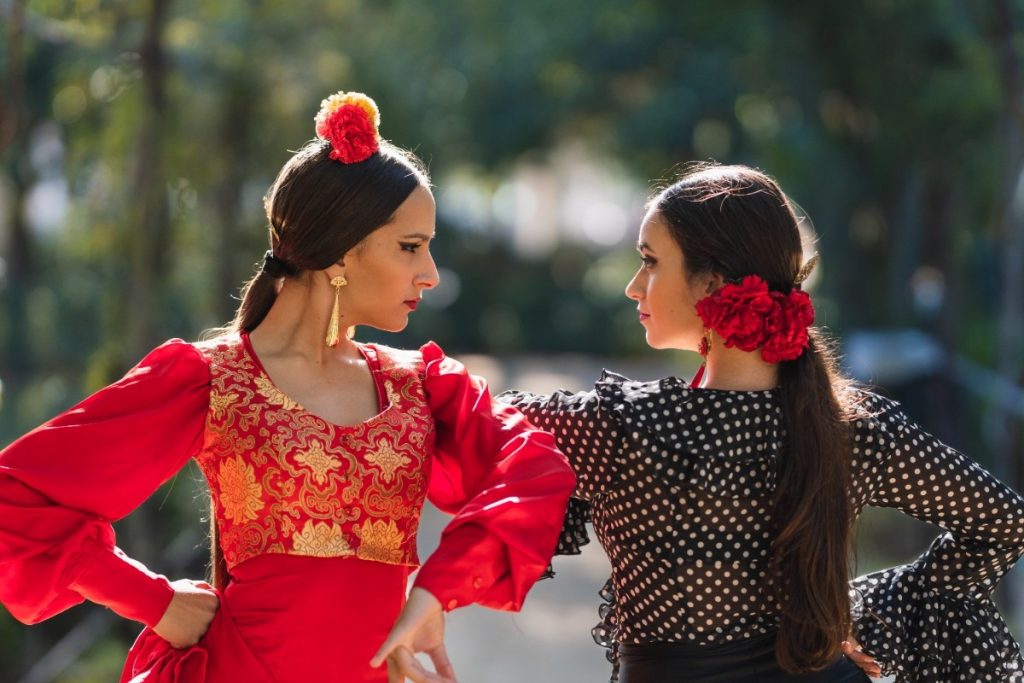
two-women-in-flamenco-traditional-costume-dancing

This community atmosphere extends into the Ballet Centre Dubai, where students not only learn the dance but become part of a vibrant arts community. With performances, events, and collaborations, students gain the opportunity to experience flamenco in a real-world setting and develop the confidence to perform in front of others.

Unlocking Your Potential as a Flamenco Dancer

Flamenco is a powerful and expressive dance that offers endless opportunities for growth, both personally and artistically. Through dedicated practice, a love of music, and an openness to new experiences, anyone—young or old—can unlock their potential as a flamenco dancer. Whether you’re introducing your child to the dance or pursuing flamenco as an adult, the journey is one of self-discovery, connection, and transformation.

By joining the flamenco classes at Ballet Centre Dubai, you are not only helping to nurture your child’s love for dance but are also providing them with the tools to grow in ways they may not have imagined. Flamenco is more than just a dance—it’s a celebration of life, culture, and the art of movement. Through it, students find their rhythm, express their emotions, and unlock their fullest potential.

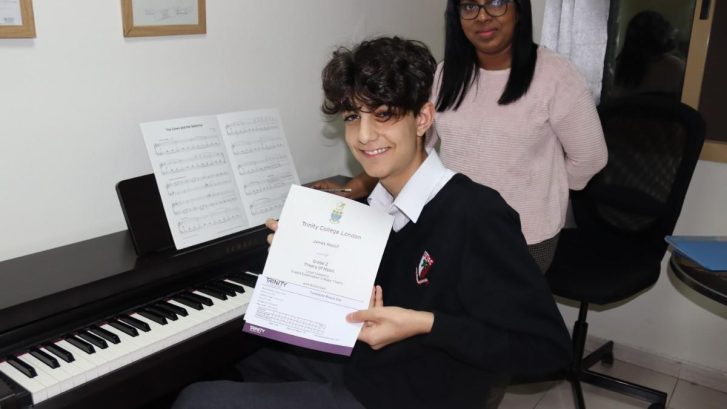
A young boy showing off his certificate as he sits in front of the piano with his instructor behind him

Piano for Kids: How Easy Is It to Learn?

Learning to play the piano is one of the most rewarding skills a child can develop. It encourages creativity, enhances cognitive abilities, and builds confidence. Many parents wonder if the piano is an easy instrument for children to learn and how long it might take for them to start playing real music.

The answer depends on a variety of factors, including the child’s age, interest, and the quality of instruction they receive. Some children seem to pick it up naturally, while others may take a little longer to develop the coordination and rhythm needed to play fluently. Regardless of the learning speed, the piano remains one of the most accessible instruments for young beginners.

Why the Piano is a Great Choice for Children

Unlike instruments that require complex techniques to produce sound, such as the violin or trumpet, the piano is simple in its mechanics. Press a key, and it immediately produces a clear note. This instant gratification can make the learning process more enjoyable for young students, as they don’t have to struggle with finger placement or embouchure just to hear a proper sound.

The piano’s layout also makes it visually intuitive. The arrangement of white and black keys follows a repeating pattern, making it easier for children to recognize notes and understand basic music theory. Compared to instruments where finger positions change based on pitch, such as the guitar or violin, the piano offers a clearer structure that helps children grasp musical concepts more quickly.

How Early Can a Child Start Learning Piano?

Some parents introduce their children to music as early as three or four years old. While it’s possible to begin at this age, most formal lessons are more effective once a child reaches five or six. At this stage, they typically have better finger strength, hand coordination, and attention span—three essential elements for successful piano learning.

That said, there is no universal “right age” to start. Some children are ready earlier, while others might benefit from waiting until they show genuine interest. A great way to gauge readiness is to see if a child enjoys experimenting with sounds and rhythms. If they naturally gravitate toward keyboards or musical toys, they may be eager to explore formal lessons.

What Makes Learning Easier?

A Positive Introduction

The first few piano experiences set the tone for the entire learning process. If lessons feel too rigid or overwhelming, a child may lose interest before they have the chance to develop a connection with the instrument. Early lessons should be engaging, allowing children to explore different sounds, play simple melodies, and develop an appreciation for music.

At Ballet Centre Dubai, our piano instructors focus on making lessons enjoyable rather than intimidating. Instead of diving straight into technical exercises, young learners are introduced to music in a way that feels natural and fun. Whether through familiar songs or creative games, the goal is to ensure that children look forward to their lessons.

The Right Teaching Approach

Children learn best when lessons are adapted to their individual pace. A structured yet flexible teaching style helps them stay engaged without feeling pressured. Some students enjoy a traditional approach with classical pieces, while others prefer a more playful method that incorporates storytelling and imagery.

Teachers who specialize in early childhood music education know how to balance structure with creativity. By keeping lessons lighthearted while gradually introducing technique, they help children develop confidence without frustration.

Consistent Practice Without Pressure

One of the biggest challenges parents face is encouraging regular practice without turning it into a battle. Children often resist practice sessions if they feel forced, but they respond well to routines that are framed positively.

Short, frequent practice sessions work best—around 10 to 15 minutes a day for beginners. Rather than focusing on perfection, the goal should be to build a habit. Some parents find that setting up a dedicated practice space helps create a sense of routine. Others use creative motivation, such as letting their child pick a favorite song to learn or recording their progress to celebrate small achievements.

How Quickly Do Children Learn Piano?

The speed at which a child progresses depends on multiple factors, including age, natural ability, and practice consistency. However, most children can start playing simple songs within a few weeks of lessons. By six months, they typically develop better finger coordination and can play short pieces with both hands.

For children who continue learning for a year or more, the progress becomes even more noticeable. They begin to read music fluently, play more complex pieces, and develop a sense of rhythm and expression. Those who take exams, such as the ABRSM or Trinity assessments offered at Ballet Centre Dubai, have a structured way to measure their progress and set goals for improvement.

The Confidence Boost That Comes with Learning

One of the most valuable benefits of learning the piano is the sense of accomplishment it provides. Even playing a short melody gives children a feeling of success. This builds confidence that extends beyond music, helping them develop patience, focus, and perseverance.

Performing in front of family or at recitals can be a major confidence booster as well. At Ballet Centre Dubai, students have opportunities to showcase their progress in a supportive environment. These small performances help children become comfortable with public expression, a skill that benefits them in many aspects of life.

Common Concerns Parents Have

Is It Necessary to Have a Piano at Home?

While having a full-sized piano is ideal, a keyboard can be a great alternative for beginners. The most important thing is access to an instrument for regular practice. Many modern keyboards offer weighted keys that mimic the feel of an acoustic piano, making them a good starting point.

young girl being taught to play the piano by the instructor bedisde her

What If My Child Loses Interest?

It’s normal for children to go through phases of enthusiasm and reluctance. The key is to make piano lessons feel enjoyable rather than like an obligation. Sometimes, changing the style of music, introducing duets, or allowing them to explore creative compositions can reignite their excitement.

How Can I Support My Child’s Learning?

Parents don’t need to be musicians to encourage their child’s progress. Simply showing interest, listening to their practice, and celebrating small achievements can make a big difference. Attending their recitals or sitting with them while they play can also strengthen their motivation.

Choosing the Right Learning Environment

The experience a child has with learning the piano depends greatly on where and how they learn. A positive, nurturing environment can turn lessons into something they eagerly anticipate each week.

At Ballet Centre Dubai, piano lessons are designed to be engaging, tailored to each child’s learning style, and led by experienced instructors who make the process enjoyable. Whether a child is interested in playing for fun or working toward formal exams, they receive guidance that supports their growth at every stage.

For parents considering piano lessons for their child, trial classes offer a chance to experience the learning process firsthand. This allows children to explore the instrument in a structured yet enjoyable way, helping them discover whether piano is something they would love to pursue.

Final Thoughts

Piano is one of the easiest instruments for children to start with, thanks to its logical layout and immediate sound production. With the right approach, even young beginners can pick up simple songs quickly. More importantly, learning the piano fosters patience, confidence, and a lifelong appreciation for music.

For parents looking for a supportive learning environment, Ballet Centre Dubai offers piano lessons that blend structured learning with creativity, making music an exciting journey rather than a chore. Whether a child dreams of playing classical pieces or simply enjoys experimenting with melodies, the right guidance can make all the difference in their musical journey.

Female ballerinas surrounding one ballet dancer

The Evolution of Ballet: From Past to Present

Ballet has changed dramatically over the centuries. What began as an art form reserved for royalty has become a worldwide discipline, blending tradition with modern expression. The grace and discipline seen in today’s ballet classes trace back to an era when dance was as much about social status as it was about performance.

Origins in the Courts of Europe

Ballet traces its roots to the Italian Renaissance, where it was performed in noble courts as a display of refinement and cultural sophistication. The term itself comes from the Italian word ballare, meaning “to dance.” It was in these early years that dance masters began formalizing steps and patterns, though the movement was far removed from the highly technical performances seen today.

By the mid-16th century, ballet had spread to France, largely due to Catherine de’ Medici, an Italian noblewoman who married King Henry II of France. She brought Italian dance traditions with her, leading to the creation of elaborate court spectacles. These performances combined music, poetry, and dance, often lasting for several hours. Dancers were not professionals but members of the aristocracy, trained to move gracefully as a symbol of their status.

The turning point came during the reign of King Louis XIV. A passionate dancer himself, he played a significant role in shaping ballet as an art form rather than mere court entertainment. He founded the Académie Royale de Danse in 1661, a formal institution dedicated to training dancers and standardizing ballet technique. It was during this time that many of today’s foundational movements and positions were codified, ensuring that ballet had a structured technique that could be taught consistently.

The Shift Toward Theatrical Performance

As ballet moved from royal courts to public theaters, it underwent significant transformation. The 18th century saw a push toward greater expressiveness in dance, shifting from the rigid, ornamental style of court performances to a more fluid, theatrical approach.

Dancers began to perform in theaters rather than palace halls, and their movements became more sophisticated. Women took on a more central role, no longer just supporting figures but leading performers. Two dancers who helped shape this change were Marie Camargo and Marie Sallé. Camargo was known for her technical brilliance, shortening her skirts to showcase her footwork, while Sallé was praised for her ability to convey deep emotion through movement.

This period also introduced the concept of ballet d’action, which emphasized storytelling through dance. Choreographers sought to create more natural movement that connected with audiences, making ballet a more engaging and immersive experience.

The Rise of the Romantic Ballet

The 19th century saw ballet take on a dreamlike, ethereal quality. Stories of spirits, fairies, and mythical creatures became common themes, and dancers appeared to float effortlessly across the stage. This was largely due to the introduction of pointe shoes, which allowed ballerinas to rise onto the tips of their toes, creating an illusion of weightlessness.

Marie Taglioni, one of the most famous dancers of this period, became an icon through her performance in La Sylphide. She embodied the light, delicate style that defined the Romantic era. Costumes also changed, with longer, softer tutus replacing the heavy, structured dresses of the past.

Male dancers, who had once dominated the stage, found themselves in a supporting role as the focus shifted toward female performers. The ballerina became the symbol of ballet, often portraying fragile, otherworldly beings that seemed to exist outside the realm of reality.

Despite the beauty of Romantic ballet, it also had limitations. The emphasis on ethereal qualities sometimes restricted movement, keeping dancers bound to a specific aesthetic rather than allowing them to explore broader physical expression.

Classical Ballet and Russian Influence

By the late 19th century, ballet had become more technically demanding. Nowhere was this more evident than in Russia, where choreographers like Marius Petipa pushed dancers to new levels of precision and athleticism.

Petipa’s contributions to ballet remain some of the most celebrated today. His works, including The Sleeping Beauty, Swan Lake, and The Nutcracker, set the standard for classical ballet. These productions featured highly structured choreography, grand ensembles, and intricate partnering work that showcased both strength and artistry.

This era also introduced the shorter, stiffer tutu, designed to highlight the complexity of movement. Male dancers regained importance, performing powerful jumps and lifts that complemented their female counterparts.

Breaking Tradition: The Birth of Modern Ballet

The 20th century brought a wave of experimentation. Choreographers began to question the constraints of classical ballet, seeking new ways to use the body and tell stories.

Michel Fokine, a Russian choreographer, rejected the rigid structure of traditional ballet, advocating for more expressive and natural movement. His works encouraged dancers to use their entire body, breaking free from the highly stylized gestures of the past.

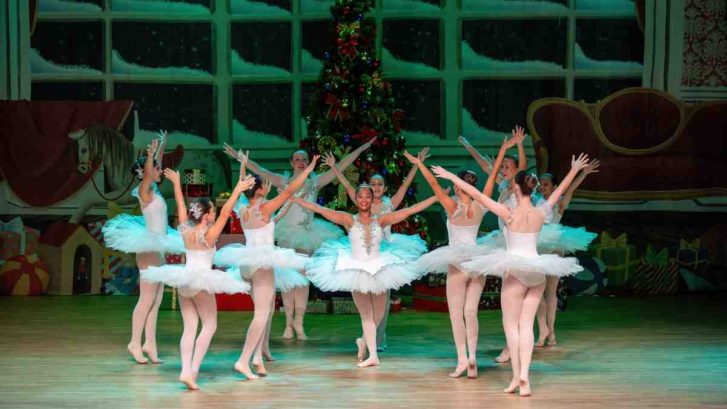
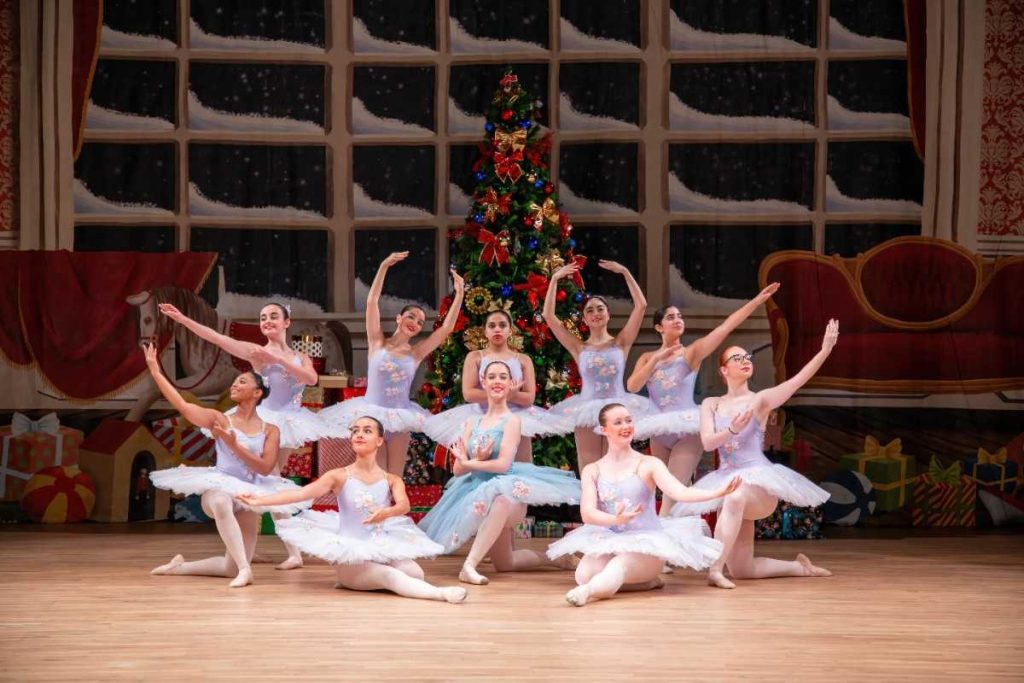
balletinas in a pose behind large christmas tree

Perhaps one of the most influential figures of this period was George Balanchine. He stripped ballet down to its purest form, removing elaborate costumes and sets to focus entirely on movement. His neoclassical style, seen in works like Serenade and Agon, emphasized speed, musicality, and precision.

Contemporary ballet also began to emerge, blending elements of modern dance with classical technique. Dancers explored new movement qualities—sometimes sharp and angular, other times fluid and grounded.

This shift expanded the possibilities of ballet, making it more accessible to a wider audience. While traditional ballets remained popular, modern works brought fresh perspectives, ensuring that ballet continued to evolve rather than remain frozen in time.

Ballet in the 21st Century

Today, ballet exists in many forms. Some companies remain dedicated to classical repertoire, while others push the boundaries of movement and storytelling. Technology has also played a role, with social media providing a platform for dancers to share their art with a global audience.

Training methods have evolved as well. Dancers now incorporate strength training, flexibility exercises, and injury prevention techniques into their routines. The focus is no longer just on aesthetics but also on maintaining long-term physical health.

At Ballet Centre Dubai, students receive a well-rounded ballet education that honors both tradition and innovation. The structured RAD syllabus ensures strong technical foundations, while additional classes in modern dance, tap, and drama allow students to explore different forms of movement and expression. Whether a child is taking their first ballet class or preparing for advanced exams, they receive expert guidance in a supportive environment.

Ballet has come a long way from its origins in royal courts. It has survived centuries of change, adapting to new influences while maintaining its essential beauty and discipline. For young dancers stepping into a ballet studio today, they are not just learning technique—they are becoming part of a tradition that has inspired generations before them and will continue to shape the future of dance.

three dancers on stage in a pose

How Dancing Nurtures Creativity in Kids

Creativity is often associated with drawing, writing, or playing a musical instrument, but movement can be just as powerful a tool for creative development. When children engage in dance, they are not simply memorizing steps or following routines—they are exploring the limitless possibilities of self-expression. Whether it’s through ballet, contemporary dance, or even tap, movement allows children to interpret music, tell stories, and develop unique ideas in a way that feels natural and exciting.

At Ballet Centre Dubai, we’ve had the privilege of watching countless children grow creatively through dance. Each class is an opportunity for young dancers to experiment, take risks, and explore their artistic side, all while developing coordination, discipline, and confidence.

The Link Between Dance and Creativity

Creativity thrives when children are encouraged to express themselves freely. Dance, by its very nature, provides an outlet for children to move beyond structured thought and into a world where movement communicates emotions and ideas. This form of artistic expression strengthens a child’s ability to think independently, adapt to new challenges, and build confidence in their own imaginative instincts.

Movement-based creativity isn’t limited to dance performances—it carries over into everyday problem-solving, critical thinking, and communication. The ability to explore different solutions to a challenge is the same skill that allows a child to come up with a new way to interpret a piece of music through movement.

Self-Expression Through Movement

Children often struggle to express complex emotions through words alone. Dance gives them another language—a physical one—that allows them to convey happiness, frustration, excitement, or sadness without speaking a single word. When a child learns to use their body as an instrument of storytelling, they gain a sense of creative ownership over their own experiences.

At Ballet Centre Dubai, our instructors encourage self-expression by blending structured choreography with improvisation. In ballet classes, students are taught the fundamentals of movement, but they are also given the chance to create their own sequences and interpret music in a way that feels personal to them. This balance between structure and freedom allows children to develop their creative instincts while building technical skills.

Improvisation and Problem-Solving

Improvisation is a powerful tool for nurturing creativity. When children are given the freedom to move in their own way, they learn to make quick decisions, explore new ideas, and take creative risks. This is an essential skill not just in the arts, but in everyday life—thinking on your feet, adapting to new situations, and finding innovative solutions to challenges.

At Ballet Centre Dubai, improvisation exercises are incorporated into many of our classes. These activities allow children to break away from rigid patterns and explore movement in a way that is entirely their own. Whether it’s responding to a piece of music, interpreting a theme, or working with a partner to create a short dance, these exercises encourage children to trust their instincts and embrace creativity without fear of making mistakes.

The Role of Music in Inspiring Creativity

Music is a major driver of creativity in dance. Different rhythms, tempos, and styles of music inspire different kinds of movement, allowing children to experiment with expression in new and exciting ways. A slow, classical piece may encourage flowing, graceful motions, while an upbeat, rhythmic track may inspire sharp, dynamic movements.

Exposure to various types of music helps children develop a deeper appreciation for different cultures and artistic styles. At Ballet Centre Dubai, our dance programs incorporate a diverse range of music, from classical compositions for ballet to modern and jazz-inspired tracks for contemporary dance. This variety keeps students engaged while broadening their creative horizons.

Collaboration and Creative Thinking

Dance is rarely a solo activity. Even in individual performances, dancers are responding to the music, their surroundings, and sometimes an audience. Group classes offer an additional layer of creativity by requiring students to work together, share ideas, and contribute to a collective artistic vision.

Learning to move in sync with others, interpret choreography as a team, and adjust to the energy of a group teaches children valuable lessons in cooperation and adaptability. Whether it’s through a ballet recital, a jazz routine, or a modern dance piece, collaboration encourages children to blend their own creativity with the ideas of their peers.

At Ballet Centre Dubai, group performances are a key part of our dance programs. These experiences give students the opportunity to showcase their creativity in a structured setting while building the confidence to perform in front of an audience. The creative collaboration involved in these performances teaches children how to listen, contribute, and respect different artistic interpretations.

Confidence as a Foundation for Creativity

Creative expression requires confidence. A child who feels unsure of their abilities may hesitate to take creative risks or share their ideas. Dance naturally builds confidence by encouraging children to push their boundaries, master new movements, and perform in front of others.

Each time a young dancer completes a routine, they experience a sense of accomplishment that reinforces their belief in their own abilities. At Ballet Centre Dubai, our goal is to create a safe and encouraging environment where every child feels empowered to express themselves. Through regular practice, positive reinforcement, and performance opportunities, students develop the confidence to be creative not just in dance, but in all aspects of their lives.

The Connection Between Physical and Mental Creativity

Physical movement stimulates the brain in unique ways, enhancing cognitive function and creative thinking. Studies have shown that movement-based activities like dance can improve memory, focus, and problem-solving abilities. The process of learning and mastering choreography strengthens neural pathways associated with creativity and critical thinking.

At Ballet Centre Dubai, we recognize the cognitive benefits of dance and incorporate activities that challenge both the body and mind. Whether it’s learning a complex ballet routine, experimenting with new movement styles, or engaging in free-form improvisation, our students are constantly using their brains to process information, make quick decisions, and develop new ideas.

Encouraging a Lifelong Love for the Arts

Creativity developed through dance extends far beyond childhood. Children who grow up with an appreciation for movement and artistic expression are more likely to continue exploring creative pursuits into adulthood. Whether they pursue a professional dance career, take up another form of artistic expression, or simply carry the confidence and imagination they’ve developed into other areas of life, the benefits of creative movement last a lifetime.

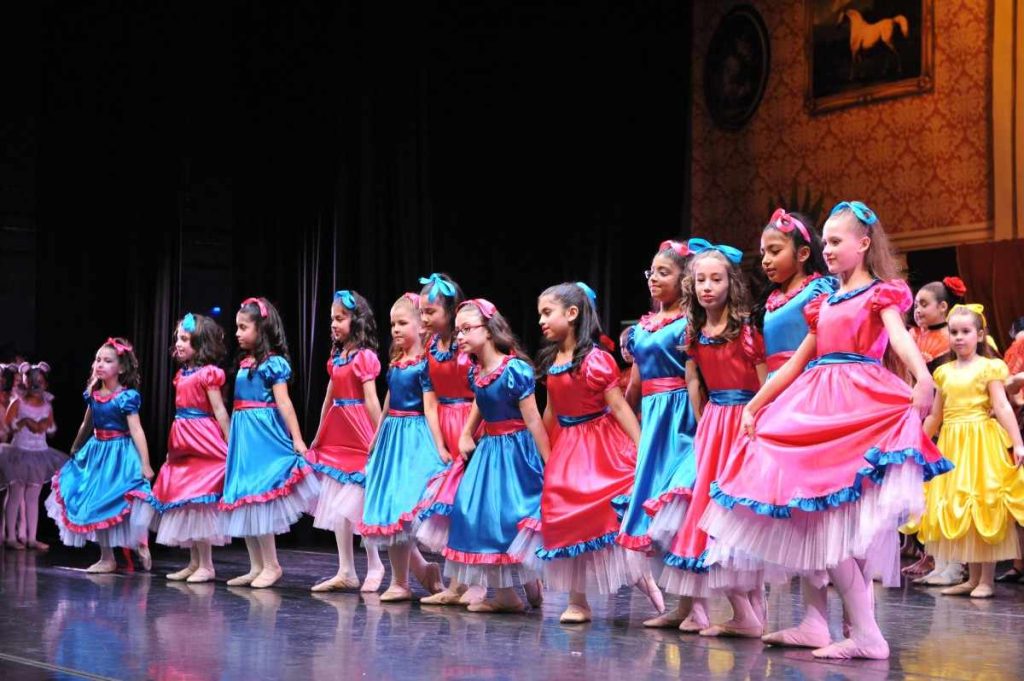
Little gitls on stage wearing colorful dresses

For parents looking to nurture their child’s creativity, enrolling them in a structured yet inspiring dance program is a wonderful way to provide them with the tools they need to express themselves and think outside the box.

Dance Programs at Ballet Centre Dubai

Ballet Centre Dubai offers a range of dance classes designed to foster creativity in children of all ages. From beginner ballet classes that teach the fundamentals of movement to more advanced jazz and contemporary programs that encourage artistic exploration, our classes are tailored to support both skill development and creative growth.

Our experienced instructors create an environment where children feel encouraged to explore their creativity without pressure or fear of failure. With structured lessons that incorporate improvisation, collaboration, and artistic expression, students develop not only as dancers but as confident, creative individuals.

For parents interested in supporting their child’s creative development through dance, Ballet Centre Dubai provides trial classes to help young dancers find the right fit. By choosing a dance program that prioritizes both technical skill and creative exploration, children are given the opportunity to thrive artistically, socially, and emotionally.

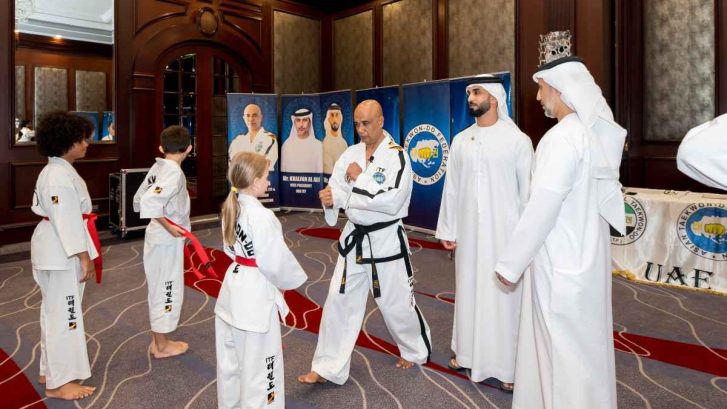
children at a taekwondo award giving ceremony

Master Discipline & Strength with Taekwondo

The sight of a young martial artist executing precise movements with unwavering focus is always impressive. Every block, strike, and kick is a reflection of countless hours of practice, discipline, and determination. Taekwondo isn’t just about physical skill—it’s a training ground for the mind and body, shaping students into strong, confident individuals.

The Foundation of Discipline

One of the first lessons a Taekwondo student learns has nothing to do with physical movement. It starts with respect—respect for the instructor, the training space, and the discipline itself. Before stepping onto the mat, students bow, signaling their readiness to learn. This simple act introduces them to the structure and discipline that will guide their progress.

For young learners, this environment provides a much-needed balance between freedom and responsibility. They have the space to challenge themselves, but they also understand that improvement comes through consistent effort. The training requires full attention—listening to instructions, following proper form, and practicing repeatedly until movements become second nature.

Over time, these habits extend beyond the class. Children who struggle with focus often find that Taekwondo helps them develop better concentration. They learn to complete tasks with greater attention to detail, whether it’s finishing homework, tidying their space, or following instructions at school.

Strength Through Technique

Taekwondo is famous for its powerful kicks, but true strength in this martial art isn’t just about force. It’s about control, balance, and precision. A well-executed kick requires more than just lifting the leg and striking—it involves core stability, proper hip rotation, and an understanding of timing.

Young students start with basic movements that help build coordination. Simple drills, such as holding a stance or repeating a kicking motion, train their muscles to work efficiently. Over time, they gain greater flexibility, endurance, and strength. What starts as a challenge becomes second nature, and their physical abilities improve without them even realizing it.

Beyond the physical benefits, mastering these techniques teaches patience. A child may struggle with a particular kick for weeks before finally getting it right. That moment of success reinforces the idea that hard work leads to progress.

The Role of Routine in Building Character

Consistency is key in Taekwondo. The structured nature of training helps children develop a sense of responsibility. Attending class regularly, practicing at home, and striving toward new belt levels teach them the value of commitment.

Many parents notice a shift in their child’s mindset after just a few months of training. The same child who once resisted routines now understands the importance of practice and effort. This shift often translates into other areas of life, from completing school assignments on time to approaching new challenges with a problem-solving attitude.

Confidence Through Progress

One of the most rewarding aspects of Taekwondo is the belt system. Earning a new belt isn’t just about demonstrating physical ability; it’s about showing readiness to take on more responsibility. This structured progression keeps students motivated, giving them clear goals to work toward.

For a child who struggles with self-confidence, this process is incredibly valuable. Each class presents an opportunity to push past personal limits. Whether it’s improving a stance, kicking higher, or successfully breaking a board, every achievement builds confidence.

Parents often find that Taekwondo helps their children overcome shyness or hesitation. The structured yet supportive environment encourages students to step outside their comfort zones, knowing that effort and persistence will lead to improvement.

Self-Control in Action

Martial arts teach self-defense, but one of the most important lessons is knowing when not to use it. Taekwondo emphasizes control—of movement, of reactions, and of emotions. Students learn that strength is not about aggression but about measured response.

In class, this is reinforced through sparring exercises. Rather than reckless fighting, students practice controlled movements, maintaining composure under pressure. This ability to stay calm and think before acting is a skill that carries into daily life. Whether dealing with a disagreement at school or handling frustration in a challenging situation, children who train in Taekwondo develop a sense of self-control that helps them navigate social interactions more effectively.

Respect as a Core Value

Respect is woven into every aspect of Taekwondo training. From the way students address their instructors to the way they interact with classmates, the importance of treating others with consideration is constantly reinforced.

This respect extends beyond class. Many parents notice a positive shift in their child’s behavior at home and school. Simple acts—like listening without interrupting, waiting their turn, and showing appreciation—become second nature.

For children who struggle with impulsiveness or difficulty following rules, Taekwondo provides a clear structure that helps them develop better habits. Instead of feeling restricted, they learn that following guidelines allows them to grow and improve.

A Safe and Encouraging Learning Space

The environment in which a child learns Taekwondo matters. A well-structured program ensures that students receive the right balance of discipline and encouragement. At Ballet Centre Dubai, the ITF Taekwondo classes provide a safe, supportive setting where students of all skill levels can thrive.

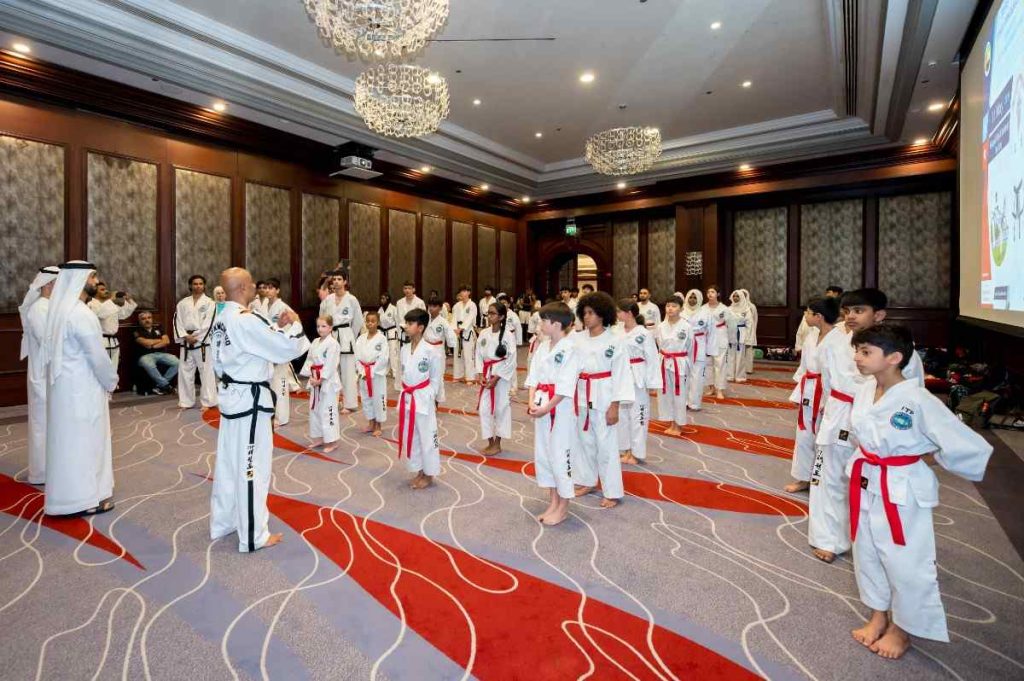
chldren in straight lines as they face their taekwondo instructor

With experienced instructors guiding them, students build confidence at their own pace. The structured curriculum, which includes KHDA-approved exams, helps parents track their child’s progress while ensuring they are receiving quality training. The centre also offers flexible payment plans and free trial classes, making it easier for families to explore whether Taekwondo is the right fit for their child.

A well-rounded approach to training means that students are not only learning physical techniques but also developing mental resilience. The goal is not just to build strong athletes but to shape individuals who carry the values of discipline, respect, and perseverance into every aspect of their lives.

A Lifelong Skill Set

Taekwondo offers much more than just a way to stay active. It provides children with tools they will use throughout their lives. The discipline they develop in class translates into better study habits. The confidence they gain helps them approach new situations with courage. The respect they learn fosters healthier relationships with peers and adults.

Parents looking for an activity that goes beyond entertainment—something that truly shapes character—will find that Taekwondo is one of the most rewarding choices they can make for their child. Whether a student continues training for years or simply carries the lessons learned into other pursuits, the skills gained through this martial art remain long after the final bow on the mat.

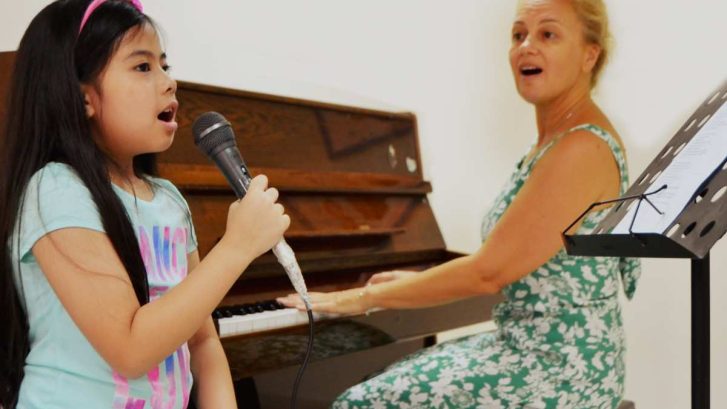
how to play piano music​

A Guide to Choosing the Best Vocal Coach

Finding the right vocal coach is a decision that shapes not only a student’s singing ability but also their confidence and enjoyment of music. Whether you’re supporting a child with a passion for singing or looking for lessons yourself, the right teacher makes all the difference.

More Than Just Experience

A long teaching career might seem impressive, but experience isn’t just about how many years someone has been in the field. Some vocal coaches have taught for decades yet stick to rigid methods that don’t suit every student. Others may have fewer years behind them but bring fresh, adaptable teaching techniques.

The best coaches are always evolving. They keep up with vocal health research, understand the latest teaching methods, and adjust their approach for each student. A teacher who can recognize what works for one voice but not another is far more valuable than someone relying on a one-size-fits-all method.

A Teaching Style That Fits

A coach can have incredible skill, but that doesn’t always mean they’re the right fit for every student. Some learners respond well to a disciplined, technical approach, while others need a more relaxed, encouraging environment to thrive.

Trial lessons are one of the best ways to determine compatibility. Sitting in on a class or watching how a teacher interacts with students reveals a lot about their style. Are they patient? Do they make students feel comfortable? Are they open to questions?

If a coach dismisses student concerns or forces them into a style that doesn’t feel right, it may not be the best fit. The best learning happens when a student feels supported and challenged in a way that motivates them. Ballet Centre Dubai offers trial lessons to help students find the right match before committing to a course.

Vocal Health as a Priority

Singing is as much about technique as it is about self-expression. A responsible coach prioritizes vocal health to ensure that students develop strong voices without strain or injury. Proper warm-ups, breath control exercises, and relaxation techniques are essential in every lesson.

A good vocal coach will teach students how to avoid bad habits that could harm their voice over time. This includes everything from hydration and posture to recognizing signs of vocal fatigue. A teacher who skips warm-ups or doesn’t emphasize technique might not be the best choice for long-term development.

Parents should feel comfortable asking potential coaches how they address vocal health. A teacher who understands the mechanics of the voice and incorporates healthy singing habits into every lesson is an invaluable guide for any student.

Flexibility in Teaching Different Styles

Some vocal coaches specialize in a single genre, such as classical opera or pop. While expertise in a specific area is valuable, a well-rounded teacher should be able to help students explore different styles.

Young singers often want to try various genres before settling into one they enjoy most. A coach who understands different vocal techniques—whether it’s the control needed for classical singing, the belt technique in musical theatre, or the relaxed style of jazz—allows students to develop versatility.

The Balance Between Credentials and Practical Knowledge

A vocal coach with formal training, such as a degree in music or certification in vocal pedagogy, often brings a strong foundation in technique. But credentials alone don’t always guarantee great teaching. Some of the best instructors have built their expertise through years of stage performance, while others excel in teaching despite having less performance experience.

The most effective teachers combine both technical training and real-world experience. When considering a vocal coach, it helps to ask about their background. Have they worked with students who have gone on to perform professionally? Do they continue their own education through workshops and training? A great teacher never stops learning.

Creating a Supportive Learning Environment

A student’s progress depends just as much on their confidence as it does on their technical ability. A good vocal coach creates an environment where students feel comfortable making mistakes and experimenting with their voices.

The way a teacher gives feedback is important. Do they offer constructive guidance rather than just pointing out what went wrong? Do they recognize and celebrate small improvements? Encouragement plays a major role in how quickly a student grows.

Practical Considerations: Location and Scheduling

Consistency is key to vocal improvement. If lessons are too far away or the schedule doesn’t fit into a family’s routine, it becomes difficult to maintain regular practice. Finding a school with flexible lesson times and accessible locations makes a big difference.

Ballet Centre Dubai offers a variety of lesson schedules, making it easier for students to fit music lessons into their week. Parents looking for a convenient way to support their child’s singing journey will find that flexible options help maintain steady progress.

Private vs. Group Lessons

Some students benefit from private coaching, while others enjoy the energy of group classes. Private lessons allow for more focused attention, while group sessions provide an opportunity to practice singing in front of others, which can help with confidence.

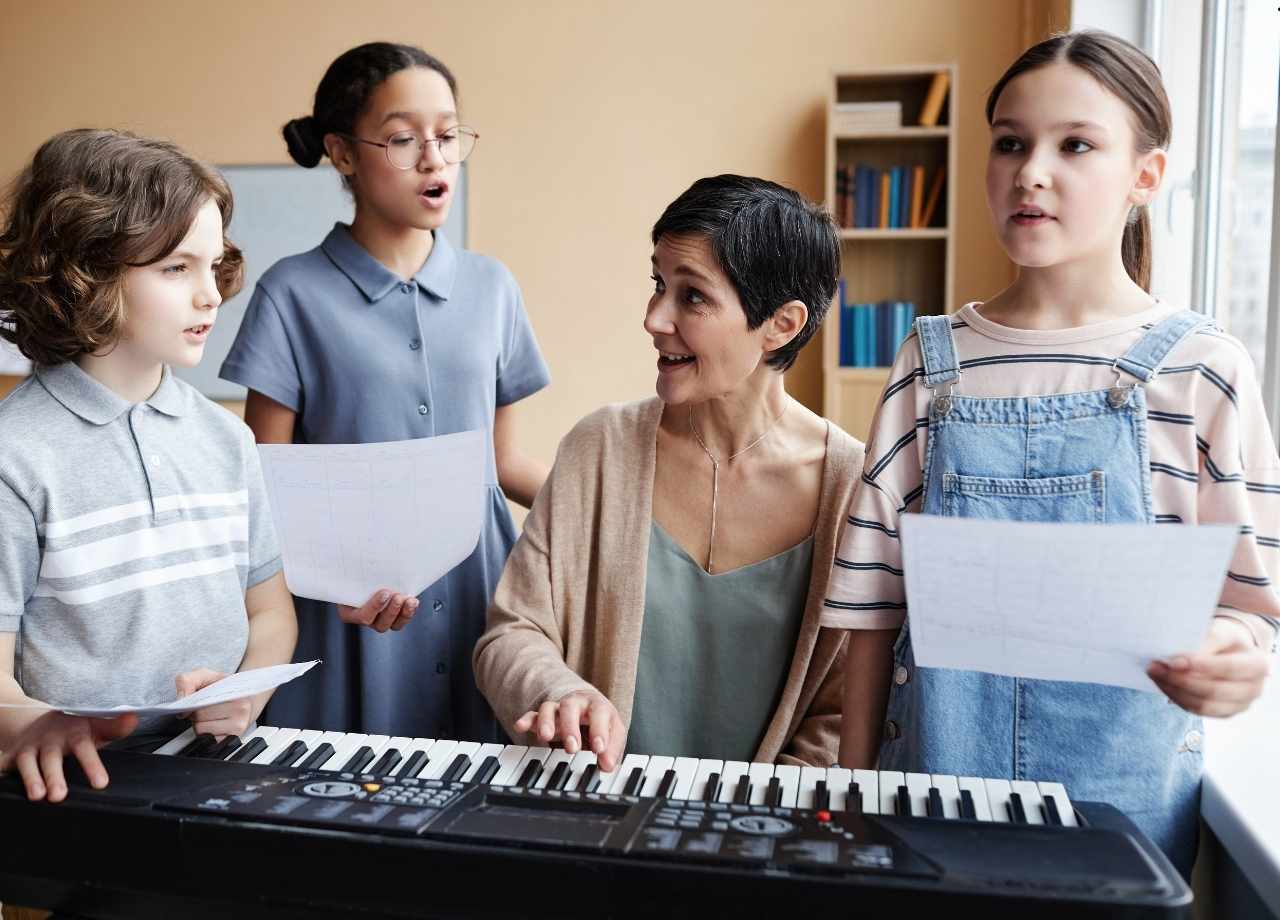
Group of you students standing around the piano teacher and singing

Having access to both options allows students to transition between the two as they grow. Ballet Centre Dubai offers training as well as group performance opportunities, giving students the chance to build both technical skill and stage presence.

How to Recognize a Great Teacher

A great vocal coach isn’t just someone with impressive credentials or years of experience. It’s someone who makes students feel excited to learn, challenges them in the right ways, and encourages them to find their own unique voice.

The best coaches:

  • Adapt their teaching style to each student’s needs
  • Focus on vocal health and proper technique
  • Have a strong understanding of different singing styles
  • Provide constructive feedback that builds confidence
  • Create a learning environment that is both structured and enjoyable

Making the Right Choice

The right vocal coach can turn a student’s passion for singing into a lifelong skill. Whether the goal is to perform on stage, take graded exams, or simply gain confidence, the right teacher will make every lesson an engaging and rewarding experience.

Ballet Centre Dubai offers a welcoming environment where students can explore their talents with expert guidance. The combination of experienced instructors, structured learning programs, and flexible class options makes it a valuable choice for families looking to support their child’s musical journey.

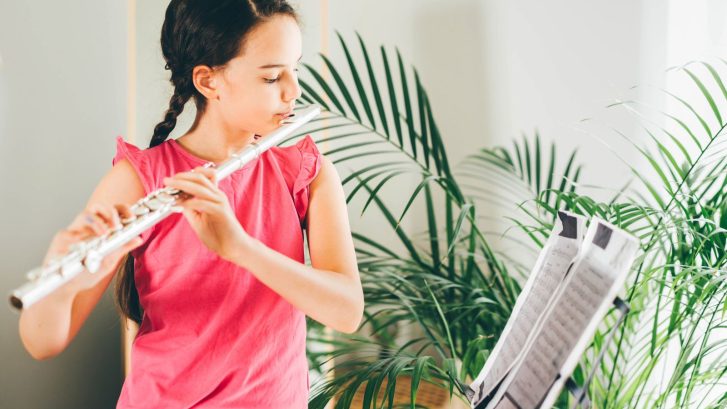
Young girl playing flute while reading music sheet

Understanding Flute Types and Their Rich History

The flute has enchanted listeners for centuries, producing a sound that is both delicate and powerful. Its history stretches across cultures, evolving from simple reed instruments to the sophisticated silver flutes heard in orchestras today. While many recognize the standard concert flute, fewer are familiar with the range of flutes that exist, each offering a distinct voice and character.

Early Beginnings of the Flute

The flute is one of the oldest musical instruments in human history. Some of the earliest flutes, made from animal bones, date back more than 40,000 years. These simple instruments, discovered in regions such as Germany and China, had holes carved into them to change pitch.

Ancient civilizations adapted the flute in unique ways. In Egypt, depictions of flutes appear in tomb paintings, showing musicians playing vertical flutes similar to today’s recorder. The Greeks and Romans used flutes in theatrical performances, often favoring side-blown designs. Meanwhile, in China, the dizi became a key instrument in traditional music, incorporating a thin membrane over one of its holes to produce a resonant, buzzing sound.

Across South America, the pan flute emerged as a central instrument in Andean music. Constructed from bamboo pipes of varying lengths, the pan flute is played by blowing across the tops of the pipes. In Japan, the shakuhachi, a bamboo flute with a deep, breathy tone, became associated with Zen Buddhist meditation. These early flutes, despite their differences in construction, share a common purpose—providing a voice for melodies that have been passed down through generations.

Evolution into the Modern Flute

In medieval and Renaissance Europe, the flute underwent major transformations. Wooden flutes with six finger holes were commonly played by shepherds and traveling musicians. As musical styles became more complex, instrument makers experimented with additional holes and keys, allowing for a greater range of notes and dynamics.

By the Baroque period, the flute had established itself as an essential instrument in chamber music and orchestras. Composers such as Johann Sebastian Bach wrote intricate flute compositions, requiring musicians to master delicate finger work and expressive phrasing. These early flutes were made entirely of wood, producing a warm, mellow sound distinct from modern metal flutes.

The most significant leap in flute design came in the 19th century, when German inventor Theobald Boehm introduced a revolutionary key system. His cylindrical metal flute, featuring a complex arrangement of keys and pads, made it easier to play in tune while expanding the instrument’s dynamic range. This design became the foundation for the modern concert flute, now played in orchestras, bands, and solo performances worldwide.

Different Types of Flutes

While the standard concert flute is the most commonly played, the flute family includes a variety of instruments, each with its own unique sound and role in music.

  • Concert Flute – The flute used in most classical and contemporary music settings. Typically made from silver or nickel, it has a bright, clear tone and spans three octaves.
  • Piccolo – A smaller, higher-pitched flute that plays an octave above the concert flute. Its piercing sound cuts through large orchestras, making it ideal for dramatic, energetic passages.
  • Alto Flute – Larger than the concert flute, the alto flute produces a lower, more mellow tone. It is often used in film scores and jazz, adding warmth to ensembles.
  • Bass Flute – With its deep, resonant voice, the bass flute is less common but highly valued in flute choirs and contemporary compositions.
  • Native American Flute – A wooden flute with a haunting, expressive sound, traditionally used in indigenous storytelling and spiritual ceremonies.
  • Bamboo Flutes – Found in cultures across Asia and Africa, bamboo flutes are known for their natural, earthy tone. Instruments like the bansuri (India) and shakuhachi (Japan) have been played for centuries.

Each type of flute brings a distinct voice to music, allowing musicians to explore different styles and emotions.

The Flute’s Role in Different Musical Styles

The flute’s adaptability has made it a favorite across many genres. In classical music, it shines in orchestral works, chamber ensembles, and solo performances. Composers such as Mozart, Debussy, and Prokofiev wrote beautiful flute pieces that showcase its lyrical and technical capabilities.

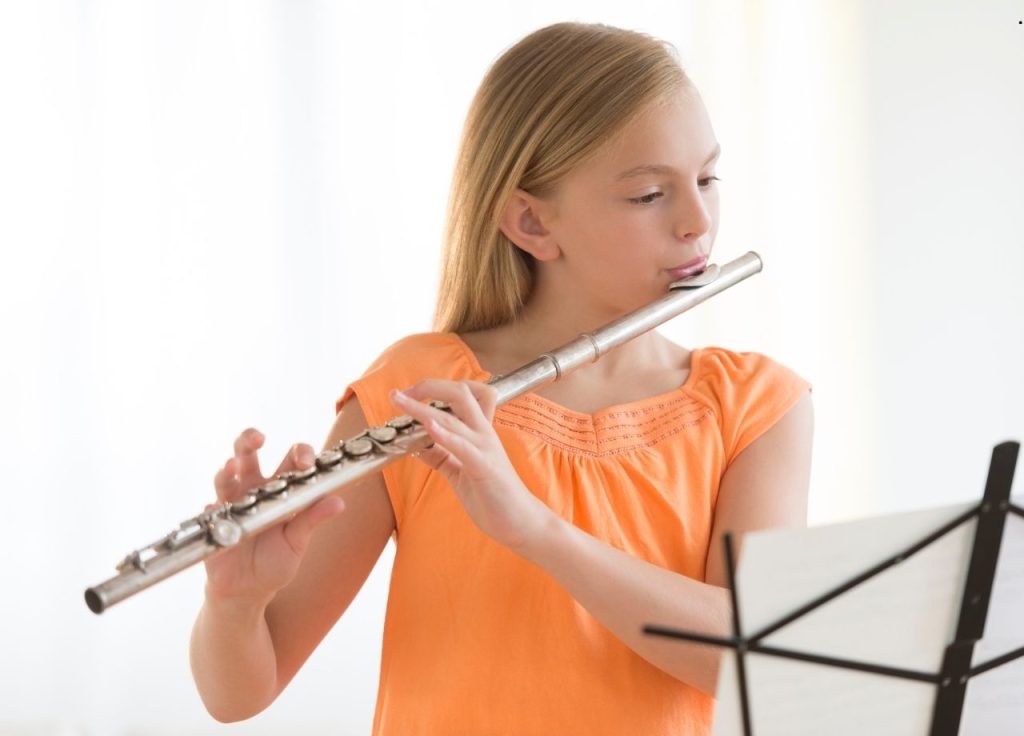
girl holding and playing a flute

In jazz, the flute gained popularity in the mid-20th century, with artists like Herbie Mann and Hubert Laws blending its airy tone with syncopated rhythms. Brazilian music, particularly bossa nova and samba, also features the flute prominently, adding a light, flowing texture to the melodies.

Folk music has embraced the flute for centuries. From Irish tin whistles playing lively reels to Andean pan flutes echoing through mountain landscapes, flutes bring an organic, expressive quality to traditional melodies. In world music, they often serve as a bridge between cultures, blending effortlessly with stringed and percussion instruments.

Learning the Flute: A Rewarding Journey

Playing the flute requires strong breath control, finger coordination, and ear training. Young learners start by mastering the basics—proper embouchure (mouth positioning), breathing techniques, and simple melodies. As they progress, they refine their articulation, tone quality, and dynamic control.

Music education offers numerous benefits beyond just learning an instrument. Studies have shown that playing the flute improves lung capacity, memory, and concentration. It also nurtures patience and discipline, as mastering the instrument requires regular practice and dedication.

Parents interested in introducing their child to the music can take advantage of free trial lessons at Ballet Centre Dubai. These sessions provide a chance to experience the instrument firsthand and meet experienced instructors. A supportive learning environment makes all the difference in a child’s musical journey, encouraging them to develop their talents with passion and dedication.

The Timeless Appeal of the Flute

Few instruments carry the rich history and emotional depth of the flute. From ancient bone flutes to modern silver concert models, it has remained a symbol of artistic expression. Its delicate yet powerful voice continues to inspire musicians and audiences alike, transcending time and cultural boundaries.

For those drawn to its enchanting sound, learning the flute is a deeply rewarding experience. Whether playing in an orchestra, a jazz band, or simply for personal enjoyment, the flute offers endless possibilities for musical exploration. With the right guidance, every student has the potential to develop their own unique voice through this remarkable instrument.

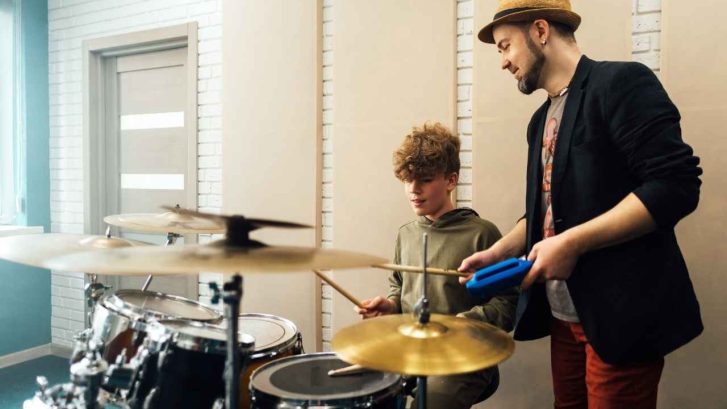
drum lessons being given to child by brother

How Drumming Helps Kids Learn and Grow

There’s something magical about the way a child’s face lights up when they pick up a pair of drumsticks. That first tap on a drum, the reverberation through the air, the immediate cause-and-effect—it’s more than just noise. It’s learning in action.

Drumming taps into a child’s natural curiosity and energy, transforming what might seem like simple play into a full-body learning experience. Without realizing it, kids develop essential life skills, from coordination and focus to creativity and confidence.

Boosting Brain Power Through Rhythm

Drumming activates both hemispheres of the brain, creating strong neural connections that support learning. The combination of movement, sound, and timing makes it an excellent activity for cognitive development. Children who engage in rhythmic activities often show improved performance in math, reading, and problem-solving.

Math and Counting Skills

Rhythm is built on patterns, timing, and sequencing—all essential components of mathematics. When kids play the drums, they count beats, recognize subdivisions, and maintain a steady tempo. This helps develop an intuitive understanding of numbers and fractions. Many teachers use rhythm-based exercises to reinforce mathematical concepts because they make abstract ideas more tangible.

Drumming also teaches proportional reasoning, a skill necessary for understanding ratios, proportions, and equations. A child learning to play in 4/4 time, for instance, begins to grasp how quarter notes, eighth notes, and sixteenth notes fit together in a structured way. This direct, hands-on experience with numerical relationships makes it easier to apply similar logic in math class.

Language Development and Memory

Music and language share many similarities, particularly in how they rely on patterns and structure. Drumming helps strengthen auditory processing skills, which are crucial for learning to read and comprehend spoken language.

When kids play drums, they learn to anticipate changes in rhythm and adjust their playing accordingly. This ability to recognize and predict patterns translates to better reading fluency and comprehension. Studies show that children who participate in music programs tend to have a larger vocabulary and stronger verbal memory compared to those who don’t.

Enhancing Coordination and Motor Skills

Drumming is a full-body activity. It requires hands and feet to move independently while staying in sync with the beat. This improves coordination and strengthens both fine and gross motor skills.

Hand-Eye Coordination and Dexterity

Holding drumsticks, striking different parts of the drum kit, and keeping a steady rhythm all require precision and control. For younger children, these actions help refine motor skills that are necessary for everyday tasks like writing, buttoning a shirt, or using scissors.

Over time, drumming builds strength in the fingers, wrists, and arms, improving overall dexterity. This is especially beneficial for children who struggle with handwriting or other fine motor challenges.

Balance and Bilateral Coordination

Drumming engages both sides of the body simultaneously, helping children develop better balance and coordination. Unlike some activities that favor one dominant hand, drumming requires equal participation from both hands and sometimes even both feet. This strengthens bilateral coordination, which is essential for activities like tying shoes, playing sports, and even basic movement skills.

Encouraging Focus and Patience

Drumming demands concentration. A child must listen carefully, count beats, and maintain a consistent tempo—all while using multiple limbs to create rhythm. This level of focus trains the brain to stay engaged, an important skill for schoolwork and daily responsibilities.

Building Attention Span

In a world filled with distractions, maintaining focus can be a challenge. Drumming provides structured practice in sustaining attention. Kids must stay mentally engaged to follow rhythms, anticipate changes, and synchronize with other musicians. This strengthens their ability to concentrate, which carries over into reading, writing, and other academic tasks.

Developing Discipline and Perseverance

Mastering a new rhythm or drum pattern takes time and repetition. Children must practice, make mistakes, and refine their technique. This process teaches perseverance and patience—important life skills that help with everything from solving math problems to handling setbacks in sports or social situations.

At Ballet Centre Dubai, students experience a supportive environment where they can practice drumming at their own pace. Whether they’re beginners or more advanced, they receive guidance that encourages progress without pressure.

Building Confidence and Self-Expression

Drumming is one of the most expressive forms of music. It allows kids to channel their emotions into rhythm, whether they’re feeling excited, frustrated, or joyful.

Emotional Regulation

For children who have difficulty expressing themselves verbally, drumming provides a healthy outlet for emotions. The physical act of hitting a drum can be both energizing and calming, helping to release tension and reduce stress.

Studies have shown that rhythmic drumming can have a soothing effect on the nervous system, lowering stress hormones and promoting relaxation. Many music therapists use drumming exercises to help children with anxiety, ADHD, and other emotional challenges.

Overcoming Stage Fright

Performing in front of others—whether in a group setting or during a recital—builds confidence. At first, playing for an audience might feel intimidating, but over time, children become more comfortable showcasing their skills. This boost in self-esteem extends beyond music, helping kids feel more confident in school presentations, social interactions, and other areas of life.

Encouraging Teamwork and Social Skills

Drumming is often a group activity, requiring children to listen to one another, keep time together, and adjust their playing in response to others. This fosters important social skills like cooperation, patience, and adaptability.

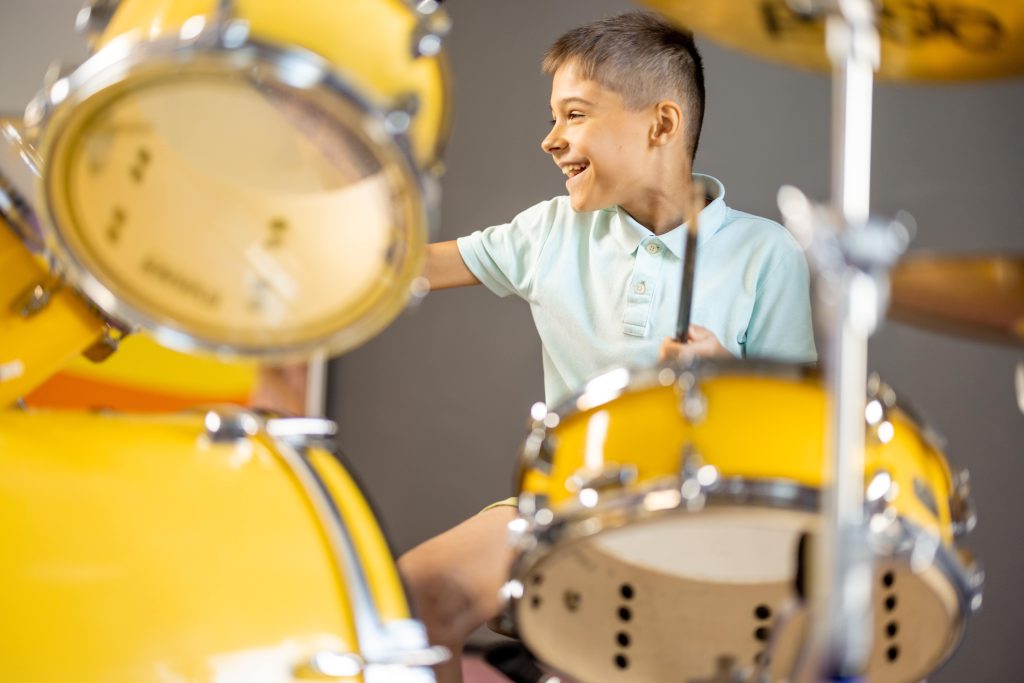
young boy with a big smile while playing yellow drums

Playing in Sync with Others

In a drumming class or ensemble, each child plays a role in creating the overall rhythm. They must listen carefully, follow cues, and stay in harmony with their peers. This teaches teamwork and helps develop a sense of belonging.

At Ballet Centre Dubai, students have the opportunity to participate in group music lessons that encourage collaboration. These classes create a supportive space where kids can learn, grow, and make friends while developing their musical abilities.

Drumming as a Stress Reliever

Even young children experience stress, whether from schoolwork, social dynamics, or daily routines. Drumming offers a natural way to relieve tension. The repetitive motion, combined with the physical exertion, provides an outlet for energy and emotion.

Studies suggest that drumming can lower cortisol levels—the hormone associated with stress—while increasing dopamine and endorphins, which promote happiness and relaxation. This makes drumming not only a fun activity but also a therapeutic one.

A Fun and Engaging Way to Learn

One of the greatest advantages of drumming is that kids genuinely enjoy it. Unlike some traditional learning methods, which can feel rigid or repetitive, drumming provides immediate feedback and a sense of accomplishment. Every beat, every pattern, and every song mastered brings a tangible sense of progress.

Drumming isn’t just about playing an instrument—it’s about developing skills that last a lifetime. Whether improving focus, enhancing coordination, or building confidence, the benefits go far beyond the drum kit. Parents looking for an engaging way to support their child’s growth will find that drumming provides the perfect mix of learning and play.

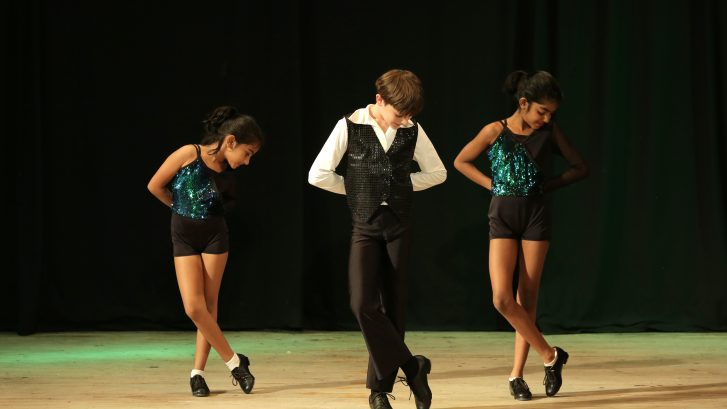
three dancers on stage in a pose

Step Into Tap: A Dance for All Ages

Tap dance has a rhythm that speaks to everyone. The infectious beats, the sense of accomplishment with every mastered step, and the pure joy of moving to the music make it an exciting choice for dancers of all ages. Whether it’s a child just discovering the joy of movement or an adult looking for a new way to stay active, tap offers something special—an experience that blends athleticism, creativity, and musicality in a way few other dance styles do.

A Dance That Listens to You

Many dance styles require strict form, but tap allows for personal expression. The sound produced depends on how the foot lands, the force behind the step, and the timing. This makes each dancer’s style slightly different, even when performing the same routine.

For beginners, the first lesson often feels like a puzzle—figuring out how to control the sounds while staying on beat. But that challenge is part of what makes tap rewarding. With practice, feet start to move instinctively, and dancers begin to “hear” their progress. The smallest adjustments in weight placement can transform the sound, giving a sense of control that’s both satisfying and motivating.

Children especially love this aspect. Unlike other forms of dance where progress can feel gradual, tap provides instant feedback. If a step sounds right, they know they’re getting it. If it doesn’t, small adjustments make a noticeable difference. This keeps them engaged, eager to improve with each class.

Building Coordination and Musicality

One of the most valuable benefits of tap dance is how it develops coordination. The constant movement strengthens the connection between the brain and body, improving agility and balance. Each step requires precision, training dancers to control both large and small muscle movements.

Musicality also improves naturally. Dancers learn to count beats, anticipate changes in tempo, and develop a deeper understanding of rhythm. This makes tap an excellent complement to other performing arts. Many students who take ballet or music lessons find that tap enhances their ability to stay on beat and interpret music more dynamically.

At Ballet Centre Dubai, classes are structured to build these skills progressively. Young dancers start with simple patterns before moving on to more complex sequences. Adults, whether beginners or those with previous experience, follow a structured approach that allows them to learn at a comfortable pace.

Confidence Through Sound and Movement

Confidence in dance often comes from seeing progress, but in tap, dancers don’t just see improvement—they hear it. The sound of each step provides real-time feedback, reinforcing achievements. As students master more intricate footwork, they develop a sense of accomplishment that boosts self-assurance.

This is especially valuable for children. Mastering a challenging step teaches patience and perseverance, skills that extend beyond the studio. When they finally nail a tricky rhythm, the excitement is visible—not just in their faces but in how they carry themselves.

For adults, tap offers a different kind of confidence. It’s an opportunity to step out of the usual routine, try something new, and enjoy the process of learning. The combination of movement and sound creates a sense of presence that helps clear the mind. The focus required to execute steps correctly makes it an excellent way to relieve stress while staying active.

A Dance for Every Stage of Life

Tap dance is one of the few styles that adapts easily to different ages and fitness levels. Unlike ballet, which demands flexibility, or hip-hop, which often requires high-impact movements, tap is about rhythm and control. This makes it accessible to a wide range of students, from young children to older adults.

For parents looking for an engaging activity for their child, tap provides structured learning in an environment that feels playful. The act of making sound with movement is naturally entertaining, keeping young dancers excited to attend class.

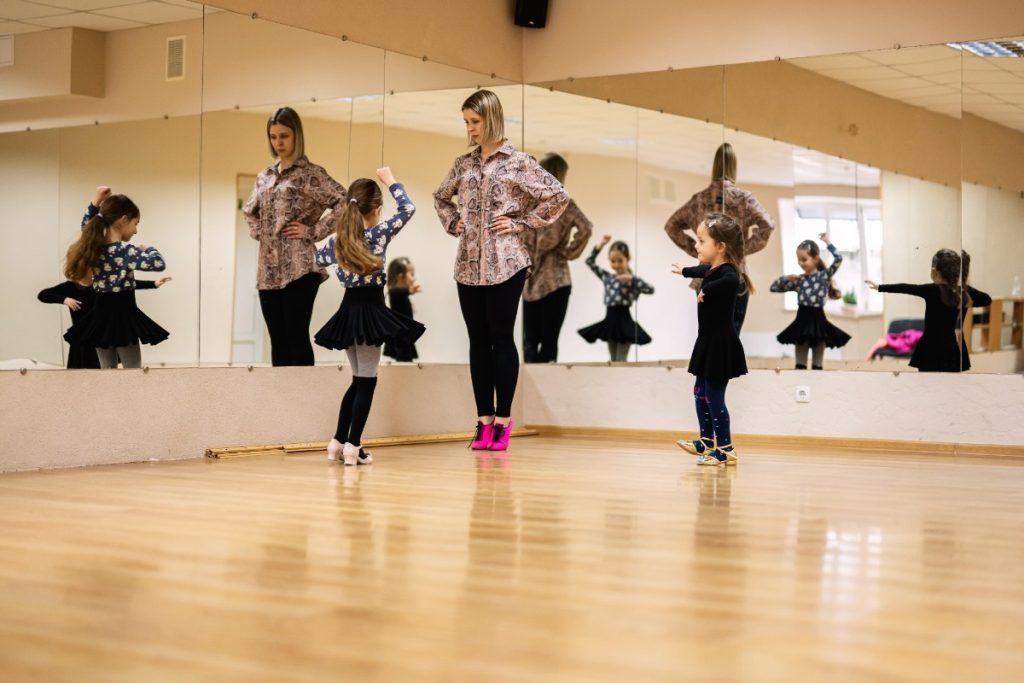
Two little girls in the studio with female dance instructor

Adults often approach tap with a mix of excitement and hesitation. Some worry about whether they’re too old to start, while others wonder if they’ll be able to keep up. The reality is that tap meets students where they are. Beginners start with simple steps, gradually building confidence before moving into more intricate rhythms. Unlike high-impact workouts, tap is also easy on the joints, making it a great choice for those looking for a fun way to stay active.

A Social and Supportive Experience

Dance classes often foster a strong sense of community, and tap is no exception. The rhythmic nature of the style means dancers move in sync with one another, creating a shared experience that strengthens connections. The sound of multiple dancers tapping together is powerful—there’s an energy in the room that makes learning even more enjoyable.

At Ballet Centre Dubai, the structure of tap classes encourages collaboration. Students practice together, offering encouragement and support as they refine their skills. This is especially valuable for children, as it teaches teamwork and cooperation in a setting that feels natural. For adults, the social aspect makes the experience even more rewarding. Learning alongside others builds camaraderie, turning each class into a shared celebration of progress.

Bringing Tap Into Everyday Life

Tap dancers often find themselves tapping even when they’re not in class. The rhythm becomes second nature, showing up in everyday moments—waiting in line, cooking in the kitchen, or even just walking down the street. This natural integration into daily life makes tap different from many other forms of dance.

Parents often notice this in children. A young tap dancer might start practicing steps at home without even realizing it, enjoying the sounds they can create. This kind of engagement reinforces what they learn in class, helping them progress faster.

For adults, tap becomes a way to stay active without it feeling like exercise. Many find it more engaging than a traditional workout because it doesn’t feel repetitive. Instead, it’s a skill that continues to grow, offering new challenges and achievements over time.

Stepping Into Tap at Ballet Centre Dubai

For those curious about trying tap, Ballet Centre Dubai offers classes tailored to different age groups and skill levels. The ISTD syllabus ensures students receive structured training while still enjoying the creative aspects of the dance. Whether a child is taking their first steps in dance or an adult is looking for a new way to stay active, tap offers a rewarding experience.

Trial classes are available for those who want to see if tap is the right fit. With a welcoming atmosphere and experienced instructors, Ballet Centre Dubai provides a space where students can build confidence, improve coordination, and, most importantly, have fun.

Stepping into tap is stepping into rhythm, movement, and self-expression. And once the sounds start, it’s hard not to want to keep dancing.

1 2 3 4 5 6 16