Irish Dance: A Perfect Mix of Fitness and Fun for Children
Irish dance has a magnetic appeal that transcends its cultural roots, captivating audiences worldwide with its lively steps and vibrant music. This traditional form of dance is not just a spectacle for the eyes; it’s also increasingly recognized as a fantastic way for children to stay active. Combining fun, fitness, and a rich cultural heritage, Irish dance offers young dancers a unique way to explore their abilities and express themselves.
The Basics of Irish Dance
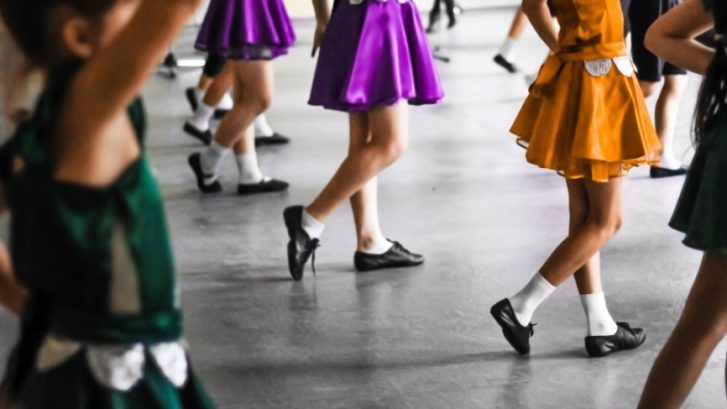
Tracing its origins back to Ireland, Irish dance has evolved over the centuries from village squares to international stages. At its core, Irish dance is a celebration of Irish cultural identity, marked by fast-paced footwork and rhythmic precision. There are several styles of Irish dance, but the most well-known include step dancing, which gained global fame through performances like Riverdance, and céilí dancing, which focuses on group choreography and has roots in social gatherings from rural Ireland.
Step dancing is noted for its rapid leg movements with the body and arms kept largely stationary, while céilí dances involve coordinated group routines that are less rigid and more social in nature. Then there’s sean-nós, an older, more improvised form that allows for personal expression through free movements. Each style offers a different experience, but all share the common thread of discipline and rhythm.
Physical Fitness Benefits for Children
Irish dance is more than just an art form; it’s a heart-pumping workout that offers numerous health benefits for kids. The dance form is particularly good for improving cardiovascular health, as the energetic routines are great for heart rate elevation and stamina building. Regular practice can help children develop endurance and resilience, not just on the dance floor but in other areas of life as well.
Furthermore, the precise movements required in Irish dance help strengthen different muscle groups. The focus on lower body strength can enhance muscle tone and flexibility in the legs, while the upper body remains engaged to maintain posture. This not only helps with physical alignment and balance but also encourages overall body coordination and agility, critical skills for young developing bodies.
Mental and Emotional Benefits
Participating in Irish dance also has several mental and emotional perks. Learning and mastering complex dance sequences can boost a child’s confidence immensely. Each step mastered is a milestone that builds their self-esteem, encouraging them to take on new challenges both in and out of the dance studio.
Moreover, the concentration needed to perform these dances can sharpen cognitive abilities, enhancing memory and focus. Irish dance requires dancers to remember sequences and execute them with precision, which can be a mentally stimulating experience that supports academic learning by improving their ability to concentrate and solve problems.
Socially, Irish dance promotes a sense of community. Whether practicing in groups for céilí dances or competing in feiseanna (dance competitions), children learn to communicate and collaborate with peers, forging strong bonds and learning the importance of teamwork. These interactions can lead to lifelong friendships and a deep sense of belonging to a community, providing emotional support through shared experiences.
Irish Dance as a Fun and Inclusive Activity
What sets Irish dance apart is its ability to cater to various ages and abilities. Beginners can start with basic steps and gradually move to more complex sequences as they gain confidence and skill. There’s no need for expensive equipment to get started, which makes it accessible to a broader range of families. All that’s required is a willingness to learn and a pair of dancing shoes!
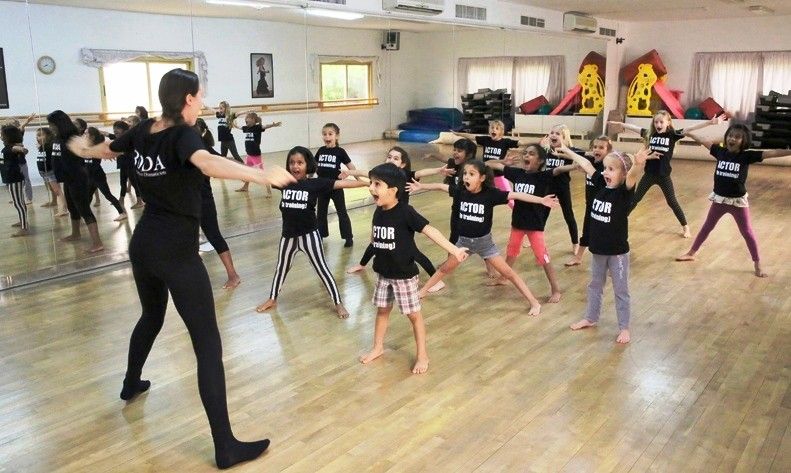
The classes themselves are lively and energetic, filled with upbeat traditional music that makes the learning process enjoyable. Kids are naturally drawn to the rhythmic beats, which help to keep their interest peaked throughout sessions. This fun atmosphere is crucial in maintaining their enthusiasm and dedication over time. Moreover, the vibrant music and dynamic movements provide a joyful escape from the routine of daily life, allowing children to immerse themselves fully in the moment.
As dancers progress, there are numerous opportunities to participate in local shows and even compete in dance festivals. These events are not only exciting but also provide a platform for young dancers to showcase their talents and hard work. Performing in front of an audience is an exhilarating experience that can further enhance a child’s confidence and sense of achievement.
Incorporating Irish Dance into a Child’s Routine
For parents considering Irish dance for their children, finding the right class is crucial. It’s important to look for qualified instructors who not only teach the dance moves but also create a supportive and positive learning environment. Good teachers recognize the individuality of each child and encourage them to develop at their own pace, ensuring that the dance experience remains positive and encouraging.
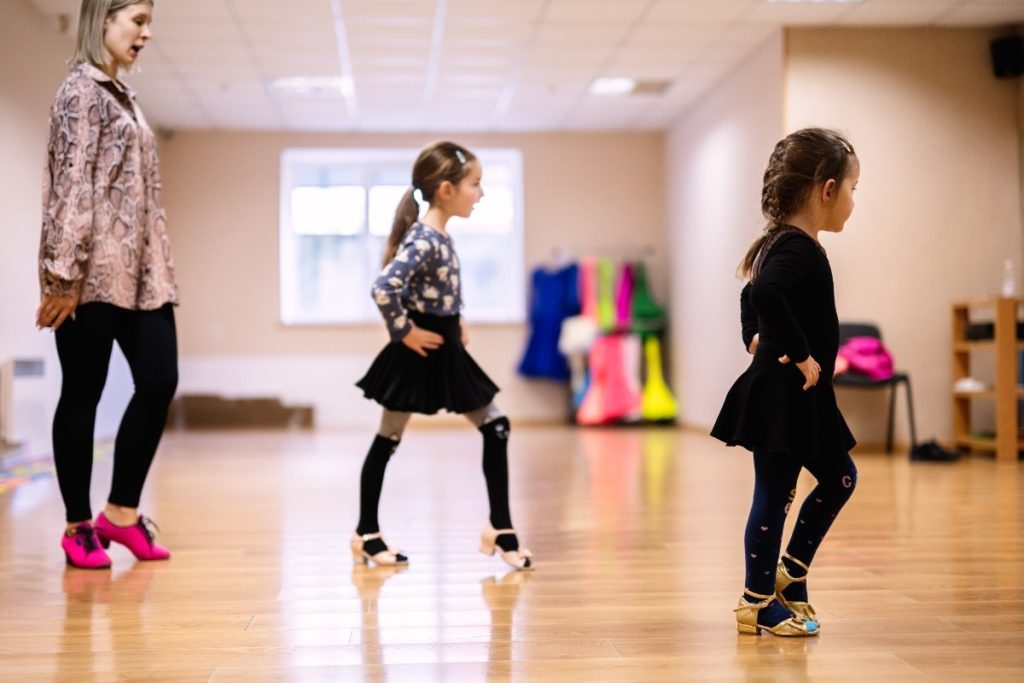
Regarding scheduling, Irish dance can be a flexible activity that fits into a child’s existing routine without overwhelming them. Classes typically run once or twice a week, which is sufficient for beginners to learn and enjoy the dance without it becoming a burden. Parents should balance dance classes with academic responsibilities and other extracurricular activities to ensure children have a well-rounded routine.
At home, parents can encourage practice by playing Irish music and creating a fun space where children can rehearse their steps. This not only helps improve their dance skills but also allows family members to be involved in the child’s learning process, making it more enjoyable and reinforcing the skills learned in class.
Building Cultural Awareness Through Dance
One of the most significant benefits of Irish dance is its ability to connect children with Irish culture. Through dance, they learn about Ireland’s rich traditions and history, which adds a meaningful layer to their education. Dancers not only learn steps but also the stories behind those dances, which often reflect historical and social themes.
Participating in cultural events such as St. Patrick’s Day parades and other community gatherings can deepen children’s appreciation for their heritage and the broader world. These events are fantastic opportunities for dancers to feel connected to a global community and experience the pride of representing their culture through art.
In this way, Irish dance serves as a bridge between physical activity and cultural education, enriching children’s lives with rhythm, movement, and history. This enriching blend of experiences makes Irish dance a uniquely valuable activity for the physical, emotional, and cultural development of children.
Conclusion
Irish dance is more than just an activity; it’s a gateway to a vibrant cultural experience that offers extensive benefits for children. From improving physical health to enhancing social skills and cultural awareness, Irish dance can be a fulfilling part of a child’s development. If you’re looking for a fun, engaging, and meaningful activity for your child, consider Irish dance at the Ballet Centre. They have expert tutors and instructors who can help your child learn and excel while having fun. See your child step into a world of rhythm and community? Let the music lead the way to a new adventure in Irish dance.