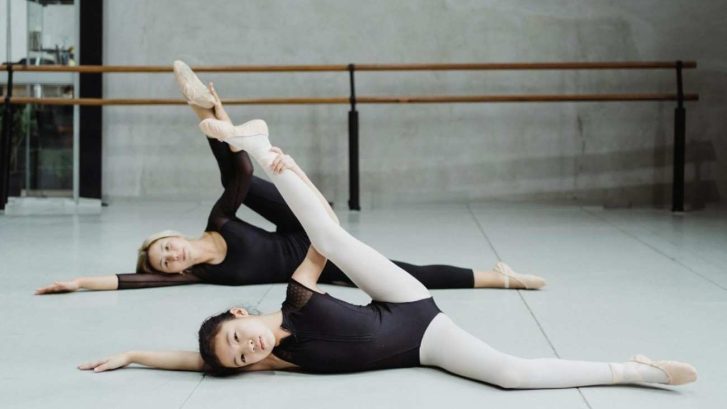
dance stretches

Best Stretches For Ballet Dancer Flexibility

Flexibility isn’t just an advantage in ballet; it’s a fundamental necessity. Dancers with a higher degree of flexibility often find it easier to achieve the demanding postures and movements required in ballet, from basic pliés to complex leaps and turns. Additionally, being flexible significantly reduces the risk of injuries, which can be career-limiting or even ending. Maintaining and enhancing flexibility is therefore a cornerstone of a dancer’s daily routine.

Warm-up Essentials Before Stretching

Before diving into any stretching routine, it’s vital to warm up the muscles to prevent strains and injuries. A proper warm-up increases blood flow, which prepares the body for the intense stretching that follows. It can be as simple as a five-minute jog or some light aerobic exercises. The goal is to get the heart rate up and the muscles warm. Skipping this step can lead to less effective stretches and an increased risk of pulling a muscle.

Static vs. Dynamic Stretches

Once the body is warmed up, it’s time to move into actual stretching. There are two primary types of stretches relevant to ballet dancers: static and dynamic. Static stretches involve holding a position for a period, usually around 15-30 seconds. These are great for increasing flexibility over time and are typically done at the end of a workout when the muscles are most pliable.

Dynamic stretches, on the other hand, involve moving parts of the body slowly and controlled through a full range of motion. These are particularly useful at the start of a workout after a warm-up as they help prepare the body for the range of motions required in dance. Examples include leg swings, which ready the hip joints, and arm sweeps, which loosen the shoulders. For dancers, dynamic stretches not only increase muscle temperature and flexibility but also enhance muscular performance and coordination.

Importance of Consistency and Routine

For ballet dancers, incorporating a regular stretching routine is as essential as the dance practice itself. Flexibility gains are only maintained through consistency; sporadic stretching will yield minimal and short-lived results. Dancers should aim to stretch daily, integrating it as a non-negotiable part of their training regimen. The routine doesn’t need to be lengthy—a focused 20-minute session can suffice, but it should cover all major muscle groups with particular attention to those most engaged in ballet movements.

By building a habit of consistent stretching, dancers not only improve their flexibility but also their posture, balance, and overall dance technique. This disciplined approach contributes significantly to a dancer’s ability to perform complex ballet routines and maintain peak physical form. Regular stretching also helps in quick recovery from the daily stress that a dancer’s body undergoes, keeping them agile and less prone to injuries.

Upper Body Stretches

Starting with the neck and shoulders, gentle rolls can relieve the tension that builds up from maintaining a poised posture. Roll your shoulders slowly backwards five times, then forward. Extend this motion to the neck by letting the head drop forward gently and roll from one shoulder to the other in a semi-circle movement, avoiding dropping the head backward which can strain the neck.

Next, focus on the arms and wrists, which are integral for expressions and maintaining balance. A simple stretch involves extending one arm across the body at shoulder height and using the other arm to pull it gently towards the chest, stretching the shoulder muscles. For the wrists, extend your arm in front of you with the palm facing outward and gently pull back on your fingers with your opposite hand, then push them downwards. These stretches keep the joints supple and muscles engaged for those delicate positions and movements.

Upper back stretches are also vital as they support the spine and prevent the rounding of shoulders that can occur from frequent forward poses. A beneficial stretch here involves interlacing your fingers and extending your arms forward, palms facing outward, and rounding your upper back. You’ll feel a nice stretch across the shoulder blades, which counters the tightness from daily training.

Core and Back Stretches

Moving down to the core, which acts as the center of all movements in ballet, engaging and stretching the abdominal muscles is essential. Lying on your back and performing a series of pelvic tilts not only warms up the lower spine but also engages the core muscles. Following up with a “cat-cow” stretch, where you arch your back towards the ceiling then dip it towards the floor while on all fours, enhances spinal flexibility and strengthens the abdominal muscles.
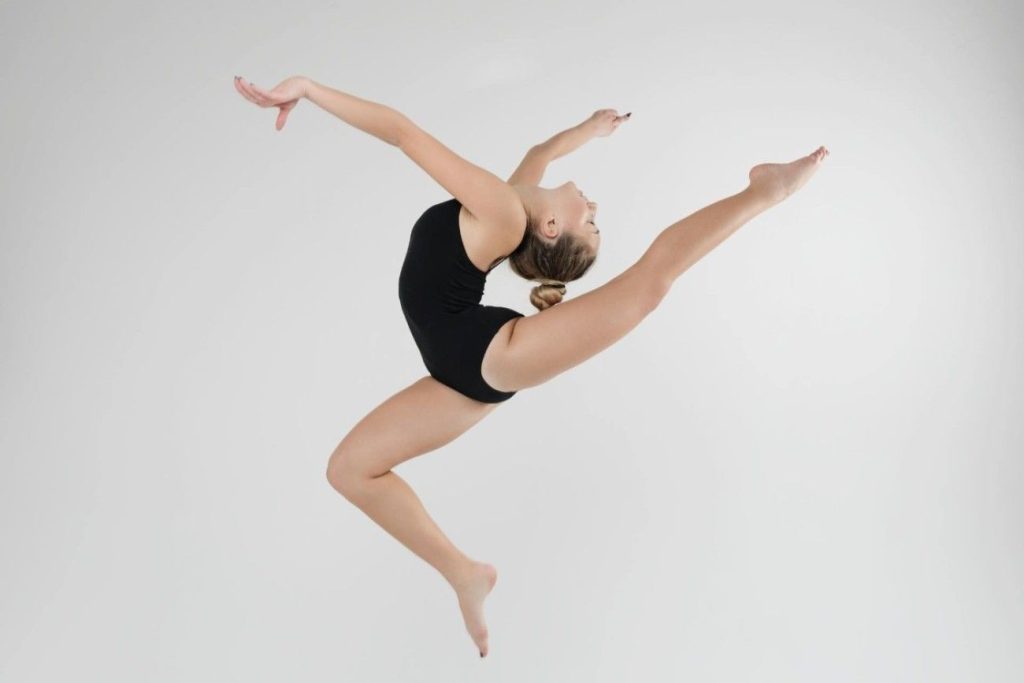
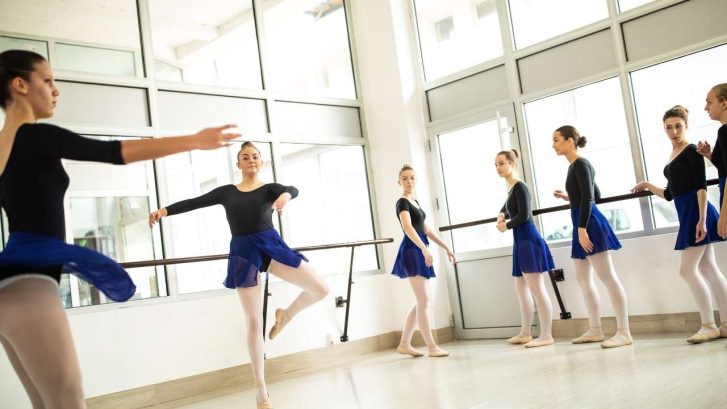
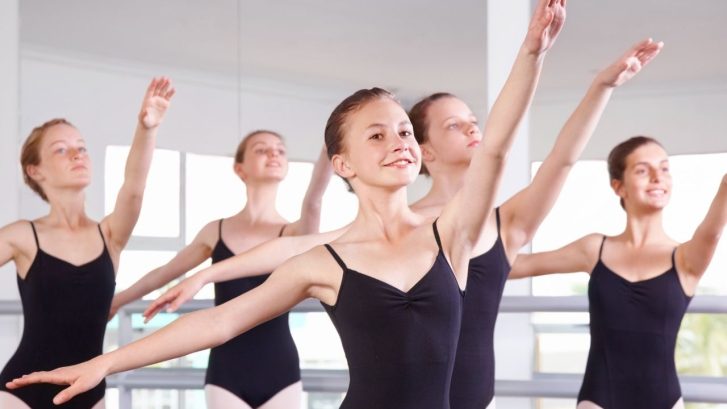
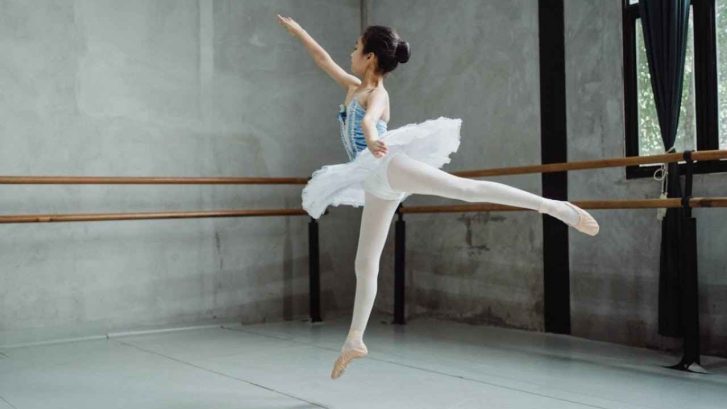
A young ballet dancer in mid air doing a ballet pose

For the lower back, a simple yet effective stretch is the “child’s pose” from yoga. Sitting back on your heels with your knees wide apart, stretch your arms forward on the floor and press your chest towards the ground. This stretch relieves tension in the lower back and extends through the spine up to the shoulders, relaxing areas that are crucial for backbends and lifts in ballet.

Lower Body Stretches

The importance of lower body flexibility in ballet cannot be overstated—this is where the real magic happens for dancers. Starting with the hips, exercises like the butterfly stretch, where you sit with the soles of your feet together and gently press down on your knees with your elbows, open up the hip joints and prepare them for rotations and splits.

Stretching the hamstrings is next, crucial for leaps and high kicks. A simple forward bend with legs straight and reaching for your toes does wonders. If flexibility allows, deepening this stretch by lying on your back and using a towel or strap to pull a straight leg closer to your body can further enhance the stretch.

Quadriceps and hip flexors should also be a focus. A classic stretch is the standing quad stretch—pulling one foot towards the buttocks and holding it there, feeling a stretch down the front of the thigh. For the hip flexors, a lunge position with one knee on the ground and the other foot forward, pushing the hips down towards the floor, opens up the hip area, essential for maintaining those graceful ballet postures.

Pointe Readiness Stretches

Preparing for pointe work demands specific attention to the feet and ankles to ensure they are strong and flexible. Ankle stretches such as pointing and flexing the feet can enhance the range of motion and prevent injuries. Sitting with legs extended, alternately point and flex your feet vigorously; this not only stretches the ankles but also activates the lower leg muscles crucial for pointe work.

Toe exercises are equally important. Try spreading your toes wide, then squeezing them together; this increases toe control, which is essential for balance on pointe. Additionally, using a resistance band around the toes for pointe and flex movements helps strengthen the tiny muscles in the feet.

Advanced Flexibility Techniques

For those aiming to achieve greater flexibility, incorporating advanced stretches such as splits and backbends into the routine is vital. Start with a thorough warm-up, then gradually work into a split by sliding down into the position as far as your flexibility allows, using support if needed. For backbends, begin by lying on your back and pushing up into a bridge, gradually walking your hands closer to your feet as your spine becomes more supple.

It’s crucial to approach these advanced techniques with caution and to listen to your body to avoid overstretching or injury. Progress might be slow, but consistency will yield improvements.

Cool Down and Recovery

After a rigorous stretching session, cooling down is essential. Simple, gentle stretches, similar to those used in the warm-up but slower and more deliberate, help the muscles relax and begin the recovery process. This might include a gentle walk around the studio or some light static stretches that allow the body to cool down gradually.

Rehydrating and perhaps using foam rollers can further aid in muscle recovery, ensuring that the body is ready for the next day’s training. Regularly incorporating these recovery practices helps maintain long-term flexibility and health.

Personal Stretching Experiences and Adjustments

Many experienced dancers attribute their success and longevity in ballet to their dedication to a personalized stretching routine. They often share stories of how tweaking their routine helped overcome plateaus or recover from injuries. It’s a reminder that while general advice is beneficial, personal adjustments make all the difference.

Adjusting stretches to cater to personal needs or current flexibility levels is crucial. Not everyone can perform every stretch immediately, and recognizing personal limits is key to effective stretching without injury.


In Conclusion

Remember, the goal of stretching isn’t just to achieve those impressive positions but to maintain your body’s health, ensure longevity in ballet, and enhance performance through improved flexibility and strength. Make stretching a consistent part of your routine, and you’ll see the benefits in every aspect of your dance.

Ready to take your flexibility to the next level? Start integrating these stretches into your daily practice, and watch as your performance transforms. Let’s keep moving and improving, one stretch at a time!
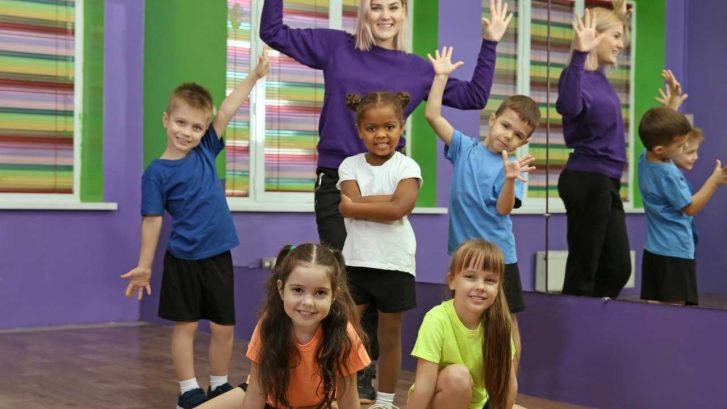
children's acting classes

Children Skills Development With Acting & Drama Classes

When we think about the skills that help children succeed in school and beyond, subjects like math and reading come to mind. However, the arts, particularly drama and acting, also play a crucial role in developing essential cognitive, emotional, and social skills. Engaging children in drama classes not only nurtures their artistic talents but also equips them with tools to navigate their academic and personal lives.

The Role of Drama In Child Development

Drama classes offer more than just an opportunity to act out; they provide a playground for the mind. Here, children learn to express themselves creatively and imaginatively, which is vital in developing their cognitive abilities. The process of interpreting scripts, embodying characters, and executing performances encourages children to think critically and creatively. These skills are transferable to academic subjects, enhancing their ability to understand complex concepts and think outside the box.

Furthermore, acting requires kids to recall lines, directions, and cues. This exercise in memory can significantly improve their academic performance, as the skills used to memorize scripts are similar to those used in learning new information in school. Moreover, by engaging in drama, children learn to view situations from multiple angles, fostering a more flexible and comprehensive approach to problem-solving. This skill is particularly valuable in today’s fast-paced and ever-changing world.

Emotional and Social Development Through Drama

One of the less talked about yet profoundly impactful aspects of drama is its ability to foster emotional maturity. Participating in drama and acting classes allows children to explore their own emotions through the characters they play. This exploration helps them understand complex feelings and how to express them appropriately. It’s a safe environment where they can express sadness, anger, joy, and fear in a controlled setting, which teaches them about emotional regulation and expression.

Moreover, drama inherently involves putting oneself in another’s shoes. For children, this act of embodying different characters can significantly enhance their empathy. Understanding and portraying a character’s emotions and motivations encourage children to understand others’ feelings and viewpoints in real life. This development of empathy is crucial for building healthy interpersonal relationships and thriving in social settings.

Additionally, drama classes are usually group activities where children must work together to achieve a common goal, whether it’s performing a play or practicing a drill. This setting promotes essential social skills such as teamwork, communication, and cooperation. Children learn to listen actively, speak clearly, and collaborate with others, which are vital skills in both school and later in life.

Confidence and Self-Esteem

One of the most noticeable changes in children who participate in acting and drama classes is their growing confidence. Standing on a stage, even in front of a small group, can be intimidating at first. However, as children continue to perform, they become more comfortable being in the spotlight. With each performance or practice session, they gain a sense of accomplishment, which boosts their self-confidence.

The key to this transformation is the environment that drama creates. It’s a space where children are encouraged to take risks, make mistakes, and learn from them. When they succeed in delivering a line or mastering a scene, the applause or positive feedback from peers and teachers reinforces their belief in their abilities. This confidence doesn’t just stay on stage—it transfers to other areas of their lives, from classroom presentations to social interactions.

In addition, drama classes help children overcome shyness. For children who are naturally introverted, playing a role allows them to step out of their comfort zone in a fun, low-pressure way. By pretending to be someone else, they feel less self-conscious, and gradually, this courage carries over into their daily interactions. The more they practice speaking in front of others, the more confident they become, not just in their acting abilities but in themselves as individuals.

Physical Benefits

Drama isn’t just about words and emotions—it involves physical movement too. Acting classes often include exercises that teach children how to use their bodies to express themselves. This could be anything from miming actions to performing choreographed dance moves as part of a play. Such activities help improve their physical coordination and motor skills, essential for overall health and development.

Moreover, children learn valuable skills like voice projection and clarity of speech. These are not only important for their performances on stage but also enhance their verbal communication skills in everyday life. Learning how to modulate their voice helps children speak more effectively, making them better understood and more confident in expressing their ideas and opinions.

Acting and drama also involve a significant amount of physical stamina and endurance, especially during long rehearsals and performances. Children gradually build their physical endurance, which can improve their performance in physical education and other sports. Plus, the discipline and concentration required during these activities are skills that benefit students academically as well.

Cultural Awareness And Appreciation

Participating in drama classes exposes children to a variety of cultural narratives and histories. Whether they are performing Shakespeare, a modern American drama, or a traditional folk play from another country, they are introduced to diverse stories and perspectives. This exposure is invaluable for developing a deeper understanding of different cultures and social issues.

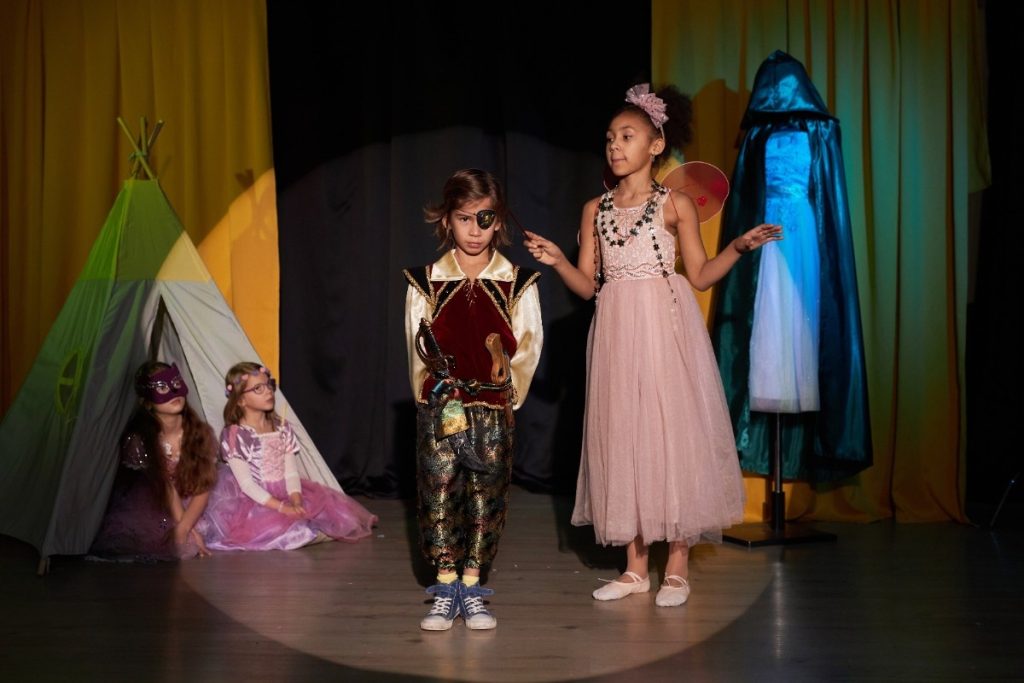
Boy and Girl Acting on Stage in School Play

Drama encourages children to think critically about the roles they play and the stories they tell. They learn about the social, historical, and cultural contexts of the plays they perform, which enriches their knowledge and appreciation of different artistic expressions. This not only educates them about the world but also fosters a respect for diversity and a curiosity about different ways of life.

Furthermore, by studying and performing plays from various cultures, children learn to appreciate the arts as a universal form of expression that transcends cultural boundaries. This appreciation can inspire them to explore other art forms and cultural expressions, further enriching their education and personal growth.

Practical Insights: Implementing Drama In Everyday Learning

Integrating drama into children’s daily activities doesn’t have to be a grand production. Parents and educators can include simple acting exercises and games in everyday routines to help develop the skills discussed earlier. For example, using role-play during story time can turn a reading session into an interactive drama lesson, encouraging children to express themselves and engage with the material in a lively way.

For parents looking to reinforce these benefits, consider enrolling your child in a local drama class or workshop. These programs are specifically designed to nurture young talents and hone their skills in a structured environment. When choosing a program, look for one that balances performance with skill development, ensuring that children receive both the joy of performing and the educational benefits.

Conclusion

Drama classes offer children a platform to express themselves, understand others, and engage with the world in a meaningful way. The skills developed through acting—ranging from improved self-confidence to enhanced cultural awareness—prepare children for personal and academic success. If you’re a parent or educator, why not give drama a chance? Encouraging your children to step onto the stage could be the key to unlocking a world of opportunities. So, let’s get those curtains open and the lights shining bright on the next generation of confident, articulate, and culturally aware individuals.

best way to learn to play the piano

Learning To Play Piano With Precision And Speed

Mastering the piano requires more than just hitting the right notes; it demands precision and speed, two qualities that can elevate your playing from good to great. This post will explore effective methods to enhance these skills, ensuring you play beautifully and efficiently.

Understanding The Basics Of Piano Playing

The journey to becoming a proficient pianist starts with a solid grasp of piano mechanics. Every key you press, every note you play, involves a complex interaction between your fingers and the piano’s intricate design. This interaction is crucial because it influences not only the sound produced but also the ease with which you play. To achieve speed and precision, you need to start with the correct finger positioning and hand posture. Keeping your fingers curved and relaxed, and your wrists flexible, helps in minimizing effort while maximizing impact on the keys.

Another fundamental aspect is your sitting position. Aligning yourself comfortably at the middle C of the keyboard provides easy access to the entire keyboard, which is essential for playing complex pieces that require quick movements across the keys.

Fundamental Techniques For Precision

Once you’re comfortable with the basic posture and positioning, the next step is to refine your precision. This is where scales and arpeggios come into play. Practicing these might seem repetitive, but they are the building blocks of piano mastery. They help you develop muscle memory for common key patterns found in music, making it easier to hit the right notes even when playing at high speeds.

But how do you practice these scales? Slowly, at first. The goal is to be accurate. Speed is secondary. As you practice, listen carefully. Are the notes sounding clear and distinct? Is your timing consistent? These details matter because precision is not just about playing the right notes but playing them well. Incorporate different rhythms and articulations into your scale practice to challenge your fingers further and prevent boredom.

Developing Speed Through Strategic Practice

With a foundation of precision in place, you can start focusing on building speed. One effective method is to use a metronome. Start with a slow tempo that allows you to play a piece perfectly. Once you can handle it without mistakes, gradually increase the speed. This incremental approach helps build both confidence and capability without sacrificing accuracy.

Speed also involves physical comfort and muscle memory. Exercises that require you to play notes in quick succession can improve your finger independence and agility. For example, practice playing chords and note sequences that force you to stretch your fingers across the keyboard while maintaining your hand posture.

Developing speed isn’t just about moving your fingers faster. It also means thinking ahead. While playing a piece, your mind should be a few notes ahead of your fingers, planning the next movements. This mental preparation is key to not only playing faster but also playing more fluidly.

Advanced Techniques To Enhance Performance

As your skills develop, you’ll want to start adding more expression to your music. This isn’t just about playing notes faster or with precision; it’s about making the piano sing. Dynamics and articulation are critical here. You can practice this by varying the pressure on the keys to create soft and loud sounds, which adds emotion and depth to your performance. Don’t just play the notes—play with them, giving life to the melodies through your touch and timing.

Using the pedal is another technique that can help smooth out transitions between notes, especially at higher speeds. It can sustain a note or a chord, allowing you to move to the next note or section without a jarring silence. Experiment with the sustain pedal to see how it can enhance your playing, but be careful not to overuse it, as it can muddy the sound if not used judiciously.

Challenging yourself with advanced compositions is also a fantastic way to push your limits. Pick pieces that stretch your abilities in terms of both speed and complexity. This might be frustrating at first, but overcoming these challenges is what leads to significant improvement. Each new piece teaches you a new way to approach the keyboard and broadens your musical vocabulary.

Common Challenges And Solutions

Every pianist, no matter how experienced, runs into challenges. One of the most common issues is maintaining a consistent speed and rhythm. This might be due to tension in your hands or body, which not only slows you down but can also lead to injuries. To combat this, make relaxation a part of your practice routine. Stretch your hands and fingers before and after playing, and ensure you’re not stiffening your shoulders or back while you play.

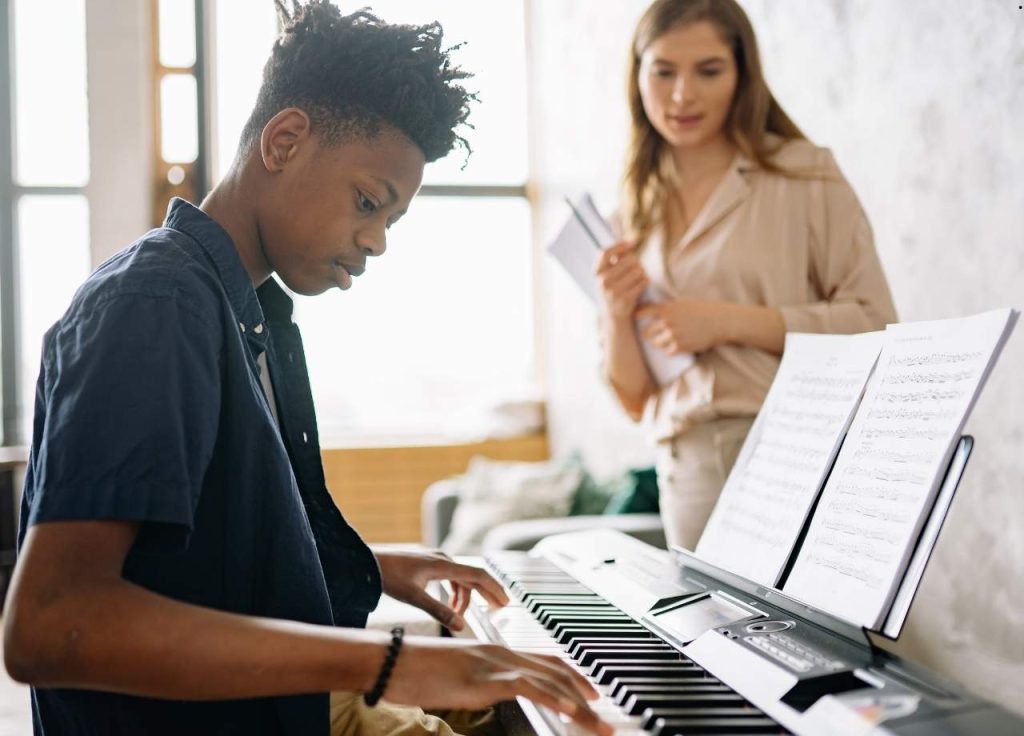
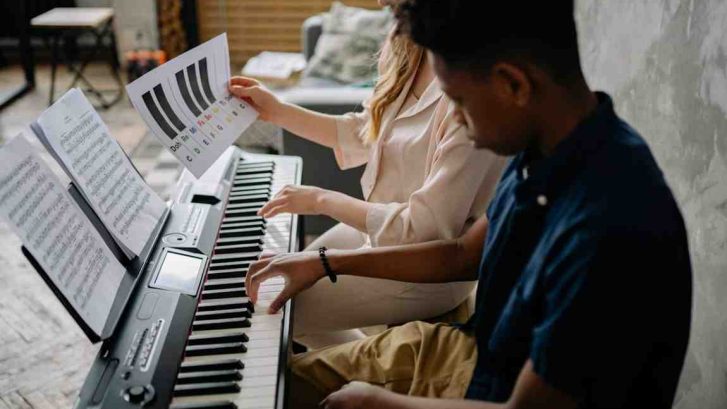
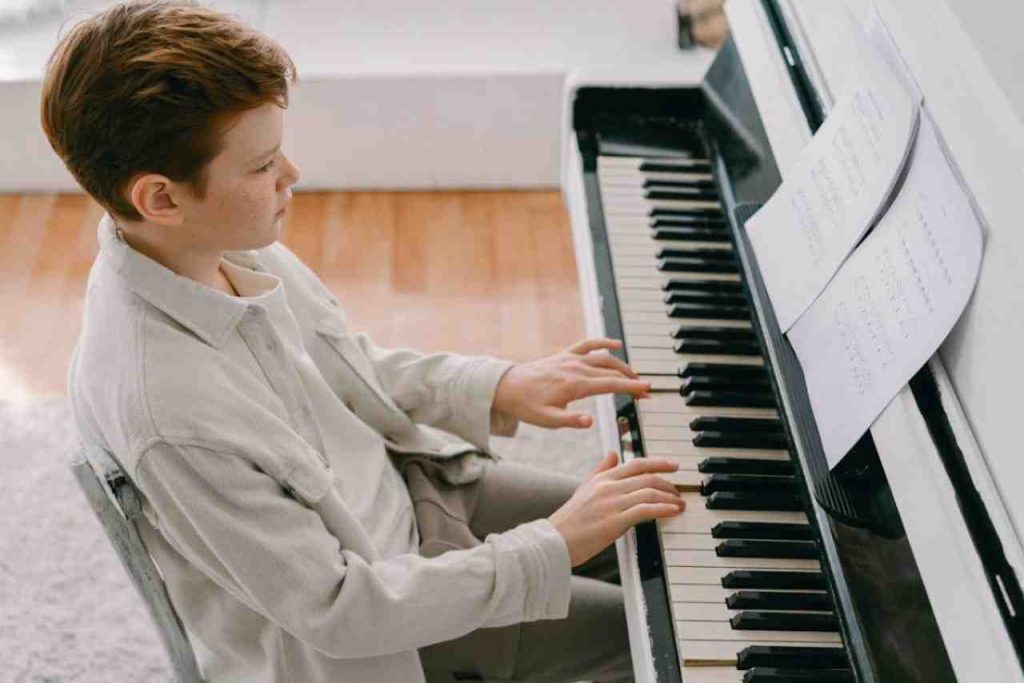
Young boy playing piano while teacher looks on

Timing issues often arise when transitioning between slow and fast sections of a piece, or when playing with others. Here, listening is as important as playing. Use recordings to play along with, or better yet, practice with other musicians. This not only makes your sessions more enjoyable but also hones your ability to keep time in a dynamic setting.

Uneven playing, where some notes are louder than others or played with a different tone, can also be a stumbling block. This usually stems from a lack of finger strength or independence. Regular practice focusing on finger drills can remedy this. Each finger needs to be able to act independently and with equal force to achieve evenness across your playing.

Routine And Practice Habits For Long-Term Improvement

A well-rounded practice routine is crucial for continuous improvement on the piano. Begin by setting clear, achievable goals for each session—whether it’s mastering a particular scale or working through a challenging passage in a piece. This focus prevents aimless playing and ensures you make the most of your practice time.

Balancing your routine is also important. Include a mix of technical exercises, theory work, and repertoire practice. This not only improves your playing but also deepens your musical understanding, making you a more well-rounded musician. For instance, you might start with warm-up exercises, move on to scale practice, then spend time on a new piece, and finish by playing a piece you enjoy.

Incorporating rest into your routine cannot be overstated. Regular breaks during practice sessions help prevent strain and fatigue. It’s not just about stopping when you’re tired; it’s about proactive rest, which can significantly enhance your performance and longevity as a musician.

Conclusion

Remember, mastering piano with precision and speed is a marathon, not a sprint. Be patient with your progress, and enjoy each step of your musical journey. Keep your practice sessions diverse and engaging, and don’t shy away from challenging yourself with new pieces or techniques. Most importantly, listen to yourself play, appreciate the music you create, and always strive for that next level of mastery.

Feel free to share your piano journey and the techniques that have helped you along the way. Let’s keep learning from each other and keep the music playing!

ballet modern

The Difference Between Classical Ballet And Modern Ballet

Ballet, with its grace and discipline, transcends simple dance to embody a profound form of artistic expression. Yet, not all ballet dances to the same tune. The branches of classical and modern ballet each take unique stances on technique, performance, and expression. Their differences highlight the evolution of the art and how it continues to adapt and resonate with audiences worldwide.

Historical Development

The seeds of classical ballet were sown during the Renaissance, flourishing under the patronage of the Italian courts before taking root in the French Royal court. Here, it was more than entertainment; it was an extension of courtly manners, a mirror to the splendor and poise expected at the palace. As it matured, figures like Marius Petipa codified ballet techniques and choreographed what would become iconic performances, setting the gold standard for classical ballet that emphasized a strict framework of movement and posture.

Modern ballet began to pirouette away from these conventions in the early 20th century. Visionaries like Isadora Duncan and Martha Graham sought to express more personal and complex themes. They broke from the rigidity of classical form to emphasize human emotion, storytelling, and the exploration of new movements. This era saw a shift towards greater creative freedom, inviting dancers to use their bodies as instruments of deeper expression rather than mere vessels of technical perfection.

Key Characteristics

Classical Ballet

Classical ballet is synonymous with fairy tales. The stories of princesses, magical realms, and quests for love are brought to life through precise movements and technical skill. The dancer’s body must adhere to a specific vocabulary of steps, each performed with an ethereal lightness and effortless grace. This adherence to technique is complemented by the music—often orchestral—that guides the narrative flow and adds a layer of dramatic intensity.

The visual spectacle is just as important, with elaborate costumes and intricately designed sets that transport audiences to another time and place. The goal is to maintain an air of fantasy and perfection, an escape into a world where every line is clean, every movement is refined.

Modern Ballet

Conversely, modern ballet throws open the doors to innovation. Here, traditional ballet techniques are often fused with elements from other dance forms, creating a style that is more grounded and relatable. Modern ballet might not always tell a story but instead convey emotions or abstract concepts. The music choices reflect this shift, incorporating everything from classical pieces to modern compositions and sometimes silence.

The attire and stage designs also mirror this minimalist approach, focusing more on the dancer’s ability to communicate through movement rather than through the surroundings. It’s about connecting with the audience on a human level, presenting themes that are relevant and resonant.

Philosophical and Artistic Intentions

The underlying intentions of classical and modern ballet differ significantly, shaping the way each style approaches performance and choreography. Classical ballet aims to showcase the pinnacle of dance technique, focusing on a universe where beauty, form, and precision are paramount. It’s about maintaining traditions and offering an almost otherworldly perfection that adheres to established rules and standards. Audiences expect to see a display of flawless execution that adheres to a centuries-old artistic tradition.

In contrast, modern ballet is often more about the choreographers and dancer’s personal expression. It prioritizes individuality and the human experience, pushing beyond traditional boundaries to explore deeper, often more complex emotions. Where classical ballet seeks to transcend reality, modern ballet aims to reflect it, presenting works that engage with contemporary issues and feelings. It’s less about escaping the world and more about understanding it through movement and metaphor.

Training and Performance

Training for classical ballet is rigorous. From a young age, dancers are immersed in a structured curriculum that scales in difficulty as they master the foundational techniques. This training is not just about physical ability; it’s also about adopting an art form’s culture—learning the discipline, respect, and dedication required to perform at high levels. Ballet schools like the Vaganova Academy in Russia and the Paris Opera Ballet School in France are famed for their demanding environments where precision in technique is just the starting point.

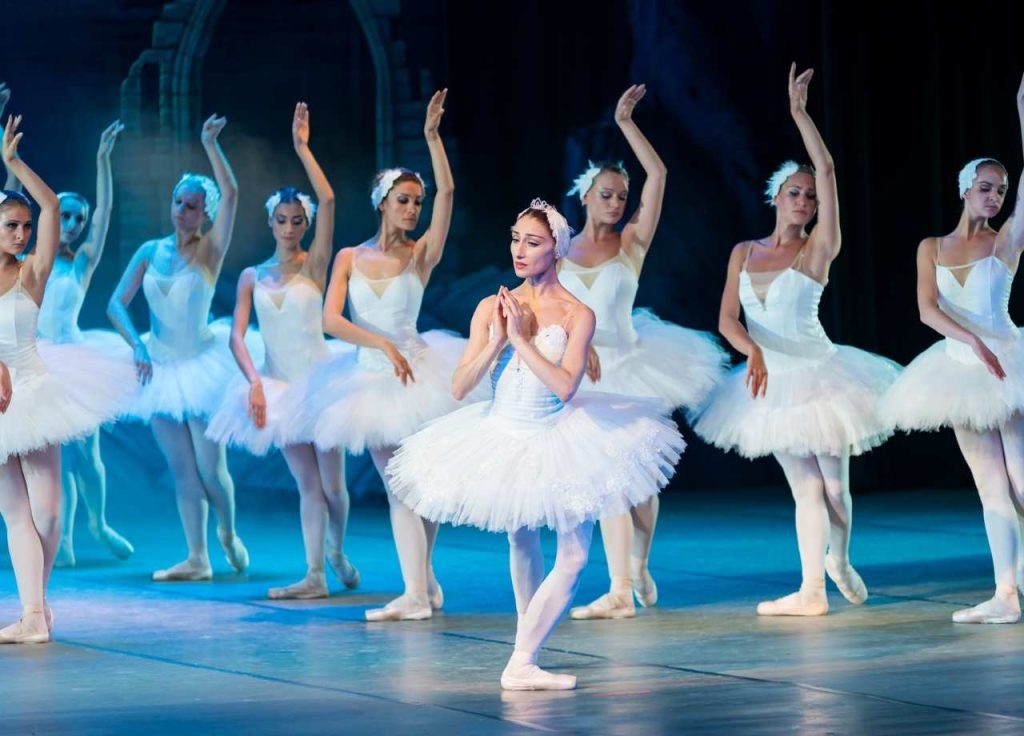
A ballerina in the middle of other ballerinas performing

Modern ballet training, while also challenging, often allows for a broader exploration of dance forms. Dancers may train in classical techniques but are also encouraged to explore contemporary dance, improvisation, and even non-dance movement practices like yoga or Pilates to enhance their versatility. This approach reflects the genre’s inclusive philosophy, where expression and impact are as valued as technical precision. Schools and companies often emphasize creativity and adaptability, preparing dancers to perform a wide range of repertoire from classical to avant-garde pieces.

Audience and Cultural Reception

The audience for classical ballet often consists of those who appreciate the refinement and historical aspects of the art. Performances are typically held in grand theaters and are considered high-culture events, attracting an audience that values the preservation of artistic heritage and the beauty of structured, disciplined movement. This audience appreciates the connection to a long tradition of ballet that offers a glimpse into the past and upholds the aesthetics of bygone eras.

Modern ballet speaks to a potentially different crowd. It often attracts a younger, more diverse audience interested in themes that resonate with contemporary life. The settings for modern ballet performances can vary widely—from traditional theaters to unconventional spaces like warehouses or outdoor parks—reflecting the genre’s flexibility and its appeal to those who might find classical ballet less accessible or relevant to their experiences. Modern ballet’s ability to challenge norms and push artistic boundaries often draws a crowd eager for innovation and connection to current societal dialogues.

Influential Works And Choreographers

Exploring the prominent figures and performances in both ballet forms illuminates the depth and breadth of ballet as an art form. Classical ballet boasts iconic works such as “Swan Lake” and “The Nutcracker,” choreographed by Marius Petipa and Lev Ivanov. These ballets are pillars of the classical repertoire, celebrated for their technical precision and grand storytelling. They encapsulate the quintessence of classical ballet, with their elaborate costumes, detailed sets, and symphonic scores that continue to enchant audiences worldwide.

Modern ballet has its own set of landmark works that have shifted the landscape of dance. Choreographers like George Balanchine with “Apollo” and Alvin Ailey with “Revelations” have brought new perspectives and techniques to the forefront of ballet. These works emphasize innovation, exploring new forms of expression within ballet and often addressing or reflecting contemporary social issues. Their contributions have paved the way for future generations of dancers and choreographers to keep the art form alive and relevant.

Conclusion

Classical and modern ballet each offer unique vistas into the capabilities of human movement and artistic expression. Whether you lean towards the pristine lines of classical ballet or the emotive gestures of modern performances, each style has something incredible to offer. Dive into the diverse world of ballet by attending performances or exploring these dance forms through classes. There’s a whole world of movement waiting for you to discover it—why not take the first step and see where it leads you?

children's vocal lessons

Nurturing Your Child’s Talent Through Music Vocal Lessons

Music has a magical way of enhancing our lives, and for children, it opens up a world of creativity and expression. As a parent, you might notice your child humming along to songs or being unusually attentive whenever music plays. This early interest can be the first hint that they have a leaning towards music, and more specifically, singing. Recognizing and nurturing this talent early on can set the stage for a lifelong appreciation and perhaps a career in music.

Understanding Your Child’s Musical Interests

The first step is simple: observe. Pay attention to what kind of music your child enjoys. Do they perk up at the sound of classical tunes or do they rock out when the radio plays pop hits? Each child is unique, and their musical preferences can guide you in choosing the right path for their vocal training. It’s crucial not just to enroll them in any music class but to find one that resonates with their personal taste and interest.

Encouragement plays a big role here. If your child shows an interest in music, talk to them about it. Discuss what they like about the songs or artists they prefer. This not only strengthens your bond with them but also boosts their confidence and reassures them that their interests are valuable and worth pursuing.

Choosing The Right Vocal Lessons

Selecting the right vocal coach is more about alignment than prestige. The ideal teacher for your child is someone who can connect with them at their level and inspire them to grow. Look for a teacher with a background in teaching children and a gentle, encouraging teaching style. It’s not just about the notes your child hits; it’s about the joy and growth they experience in the process.

Consider also the format of the lessons. While private lessons offer tailored guidance and direct feedback, group lessons can be wonderful for building social skills and learning in a less pressured environment. Some children might thrive in a private setting initially to gain confidence before joining a group lesson where they can sing with peers.

A trial lesson is a smart move before making any commitments. It gives your child a chance to interact with the teacher and can help you gauge whether the teacher’s approach fits your child’s personality and learning style.

Setting Up For Success

Success in any field requires the right environment, and music is no different. Help your child by setting up a dedicated practice area in your home where they can sing and practice without interruptions. This area should be a comfortable space that invites creativity and concentration.

Routine is also vital. Regular practice is key to mastering vocal skills, but it’s important to balance this with other responsibilities like schoolwork and play. Help your child develop a practice schedule that feels rewarding rather than burdensome. Remember, the goal is to make musical growth a joyful part of their daily life, not a chore.

Developmental Milestones In Vocal Training

Just like any other skill, vocal training comes with its own set of milestones, which can serve as checkpoints for your child’s progress. In the early stages, these might include mastering basic pitch control, developing a clear and steady tone, or learning simple songs from memory. As they advance, you can look forward to more complex achievements like enhancing their vocal range, gaining control over their breathing, and expressing emotion through their singing.

It’s important to keep expectations realistic based on your child’s age and development stage. Younger children, for instance, are unlikely to belt out tunes like seasoned singers, and that’s perfectly okay. Vocal abilities develop with age, and what is crucial is that they enjoy the process and gradually improve.

Setting long-term goals can be motivating, but the focus should always be on incremental progress and the joy of learning. Celebrate small wins with your child, whether it’s a successful recital or mastering a challenging note, as these successes boost their confidence and eagerness to learn.

Overcoming Challenges

Challenges are inevitable in any learning process, and vocal training is no exception. One common issue many young singers face is vocal strain, which can occur from trying too hard to hit notes that are out of their natural range or from incorrect singing techniques. It’s essential for your child to learn how to sing properly to avoid strain, which a good vocal coach can teach them.

Another significant challenge is performance anxiety. It’s natural for young performers to feel nervous about singing in front of others. Help your child understand that nerves are a normal part of performing and can be managed. Techniques such as deep breathing, visualization, and positive self-talk can help them feel more relaxed and confident on stage.

If challenges persist, don’t hesitate to seek advice from your child’s vocal teacher or even a pediatrician, especially when it concerns physical issues like vocal strain. Sometimes, a little professional guidance is all it takes to get back on track.

The Role Of Performance And Feedback

Performing is a crucial part of musical training. It not only allows children to showcase their skills but also teaches them how to handle attention, applause, and sometimes, criticism. Encourage your child to participate in school talent shows, choir performances, or any other public singing opportunities. These experiences can be thrilling and incredibly rewarding.

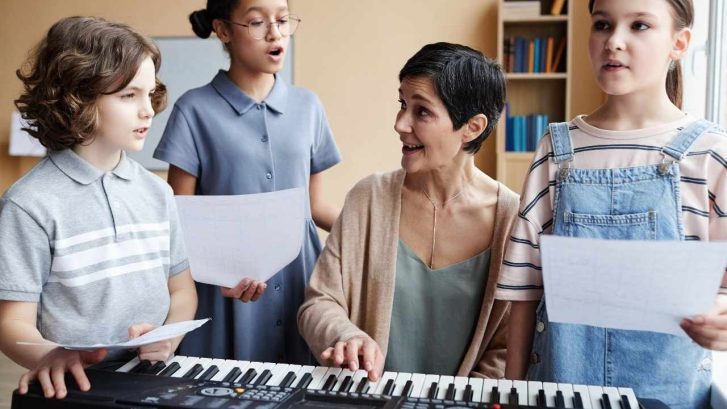
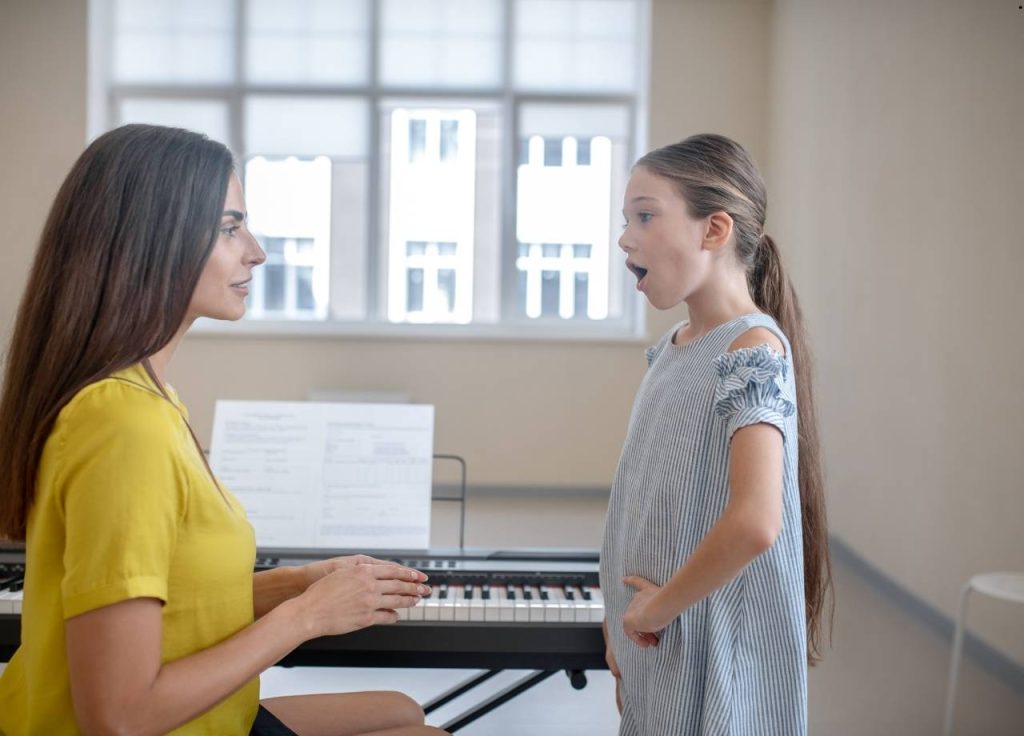
Mother sitting looking at her daughter as she coaches her to sing

Feedback is equally important. Constructive feedback from both you and their vocal coach can help your child understand their strengths and areas for improvement. It’s important to keep this feedback positive and encouraging, focusing on their effort and what they did well, while gently guiding them on how to improve.

Encourage your child to self-reflect after performances, asking them what they felt went well and what could be better next time. This self-assessment makes them an active participant in their learning process and helps them grow not just as singers, but as individuals who can assess, adjust, and advance in various situations.

Fostering A Lifelong Love For Music

Encouraging your child to explore various musical activities can keep their interest alive and kicking. Beyond regular vocal lessons, consider introducing them to music theory classes, instrument playing, or even songwriting workshops if they show an interest. This variety can deepen their understanding of music and provide new avenues of creativity and expression.

Participation in music clubs or community groups can also be beneficial. These groups provide a social aspect to music that solo singing lessons might not offer. Engaging with peers who share the same interests can be incredibly motivating and fun for your child, and these experiences can foster teamwork and leadership skills as well.

As your child’s musical journey evolves, keep revisiting their goals and aspirations in music. What started as a fun activity could turn into a serious passion or even a career path. By having open discussions about their goals, you’re showing that you take their interests seriously and support their growth.

Conclusion

Remember, every child’s musical path is unique. Whether your child pursues music professionally or simply enjoys singing in the shower, what matters most is that they continue to find joy in it. Keep the atmosphere around music positive, light, and fun, and you’ll likely see a budding musician flourish before your eyes.

So, why not start today? Grab that karaoke mic, download some new tunes for the next car ride, or simply ask your child to teach you a song they learned. It’s a wonderful journey you can share together.

How Music Affects Your Ballet Performance

Ballet and music are like two sides of the same coin, with their partnership tracing back centuries. At its heart, ballet is a physical expression of music, telling a story or portraying emotions through fluid movement, all guided by a musical score. Understanding this connection can dramatically enhance a dancer’s performance.

The Role Of Music In Ballet

Music isn’t just background noise for ballet; it’s a driving force that shapes the narrative and sets the pace. The right piece can transform a sequence of steps into a powerful story. Consider a ballet like “Swan Lake,” where Tchaikovsky’s score complements the dancers’ movements to convey the drama and emotion of the story. The tempo, rhythm, and mood of the music dictate the movements and expressions the dancers perform. Faster music might encourage quick, sharp movements, while a slower, somber piece would see dancers moving with deliberate, flowing motions.

This synchronization between music and dance is crucial. It ensures that the ballet isn’t just a visual spectacle but an immersive experience. The audience, whether they’re ballet novices or aficionados, feels the music through the dancers’ movements. This connection is why seasoned choreographers spend considerable time selecting the perfect score for a piece, understanding that music will guide the audience’s emotional journey through the performance.

Psychological Effects Of Music On Dancers

The impact of music on dancers extends beyond the physical performance. It plays a significant role in how dancers interpret their roles and convey the ballet’s emotional depth. Music influences mood and can enhance a dancer’s ability to express complex emotions during a performance. A haunting melody might draw out a poignant sense of longing, while a lively allegro can bring out a sense of joy or excitement.

Moreover, music aids in concentration and memory. Dancers often use the music’s structure to memorize complex sequences and cues, which is essential during rehearsals and performances. The familiarity of a musical piece can provide a mental map, helping dancers navigate through their routines more fluidly and with greater confidence.

Physical Impact Of Music On Ballet Performance

Musically, ballet demands that dancers not only hear the beat but also anticipate and interpret it physically. The rhythm helps dancers time their movements with precision, crucial for the synchronization seen in ensemble pieces. When dancers align their movements to the music’s rhythm, the performance looks more cohesive and polished.

Tempo is another critical factor. It affects the energy and intensity of the dance. A sudden increase in tempo can signal a shift in the narrative, prompting dancers to adjust their energy and movements accordingly. This adaptation requires dancers to be acutely aware of the music, using its tempo as a cue for their physical exertion and emotional output.

Music As A Tool For Choreography In Ballet

Choreography in ballet is much more than arranging dance steps; it involves an intricate dialogue between movement and music. The choreographer’s task starts with selecting a piece of music that not only inspires movement but also complements the narrative of the ballet. This music sets the stage for the entire choreographic process, guiding the creation of sequences that reflect the tempo and mood of the score.

When choreographers choose music, they think about how it will frame the story they want to tell. The music’s rises and falls, its crescendos and diminuendos, can dictate the climax and resolution of the story being told through dance. It’s not just about matching beats to steps; it’s about using music to enhance the storytelling, making the audience feel the tension or relief dictated by the score.

This careful selection and integration of music are why certain ballets remain timeless. The music isn’t just played in the background; it’s a central character that dances along with the performers, equally responsible for conveying the ballet’s emotional weight and narrative depth.

Interpreting Music In Ballet

From a dancer’s point of view, interpreting music through ballet is a unique challenge. Each piece of music evokes different emotions and images, which dancers must translate into physical expression. This requires a deep understanding of the music’s every nuance, from the overt melodies to the subtlest harmonies.

Dancers learn to listen to music not just for the beat but for the story it tells and the feelings it evokes. This musical interpretation is what makes each performance unique, as each dancer brings their own emotional response and expressive style to the music. It’s about more than executing choreography; it’s about embodying the music, making it visible through their movements.

Techniques for expressing musical nuances include varying the intensity of movements, using facial expressions to reflect the mood of the music, and even adjusting the timing of gestures to align with musical phrases. This deep, responsive connection between dancer and music can elevate a performance, making it a truly immersive experience for both the performer and the audience.

Training And Rehearsals

Effective training in ballet involves more than repetitive practice of steps; it also includes learning how to work with different types of music. During rehearsals, dancers practice with the music repeatedly, which helps them internalize the tempo and emotional tone of the piece. This repeated exposure allows dancers to experiment with how they can best express the music through their movements.

Instructors often emphasize the importance of musicality in dance, encouraging students to listen actively to the music as they rehearse. This training helps dancers develop a rhythmical intuition, an instinct for how their movements can best reflect the music’s character. By rehearsing with a variety of musical styles, dancers become more versatile in their performances, able to adapt their dancing to the demands of different musical contexts.

The rehearsal space is where music and dance truly begin to weave together, forming the tight bond seen in performances. It’s where dancers refine their ability to not just dance to the music but to interpret it, using their bodies to make the music’s emotional and narrative content clear. This preparation is crucial, as it ensures that once on stage, the dancers can fully embody the music, delivering a performance that resonates with clarity and emotion.

Performance And Audience Perception

The magic of a ballet performance is not just in the steps and the physical prowess of the dancers; it’s also in how the music enhances the connection between the performers and the audience. Music has a profound impact on how the audience perceives and experiences a ballet. It sets the emotional tone and enriches the visual storytelling, making the narrative more accessible and engaging.

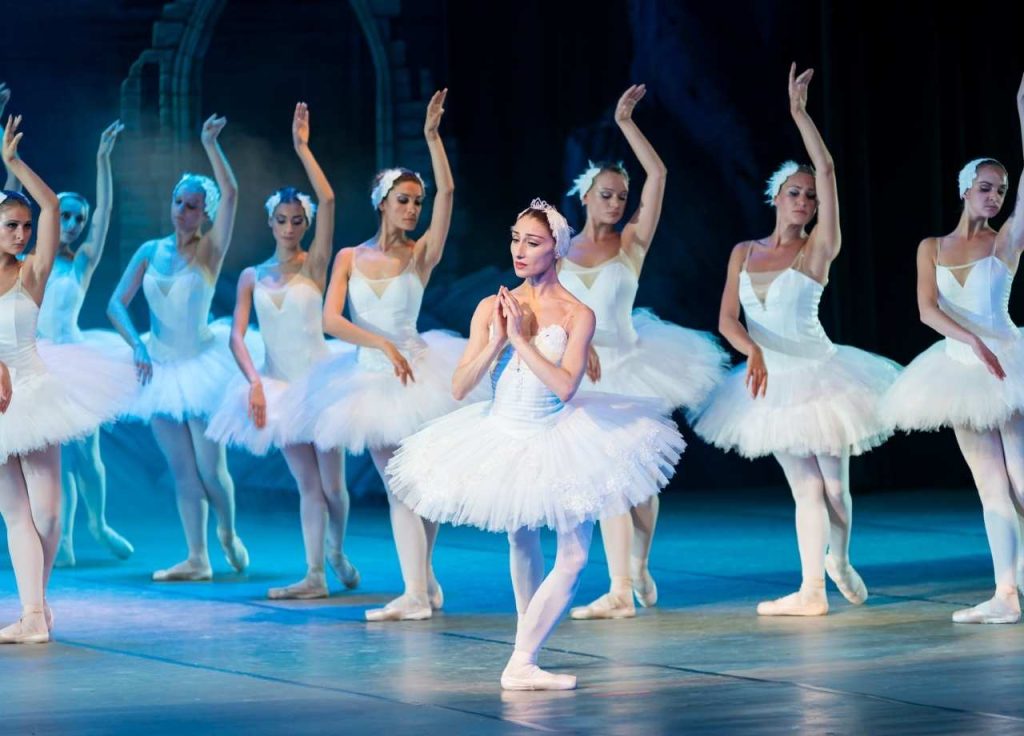
Ballet performance by woman with one at the centreholding her hands together in a ballet pose

An audience might not remember every step, but they will recall the overall feeling conveyed by the performance—how it made them feel at the moment, driven largely by the interplay of music and movement. When dancers are in sync with the music, their performances seem more vivid and expressive, often leaving a lasting impression on those watching.

Challenges And Considerations

Working with music in ballet isn’t always straightforward. One challenge dancers often face is adapting to complex musical scores that require highly precise timing. Mastering such scores can be demanding, as it requires an impeccable sense of rhythm and timing to ensure the dance aligns seamlessly with the music.

Another consideration is the choice between live and recorded music. Live music can elevate a performance, offering a vibrant and dynamic accompaniment that adapts to the dancers’ movements. However, it also requires dancers to be more adaptable and responsive to slight variations in tempo and expression that a live orchestra might bring.

Conclusion

In ballet, music is far more than a backdrop; it’s a vital component that transforms dance into a richer, more expressive art form. Whether you’re a dancer, choreographer, or someone who simply loves ballet, appreciating the role of music can offer deeper insights into this beautiful performance art. So next time you watch a ballet, pay close attention to the music—not just as a separate element, but as a part of the whole experience that shapes everything you see on stage. And if you’re a dancer, remember, every rehearsal with music is an opportunity to deepen your connection to your art. Why not dive into your next practice session with a fresh appreciation for the music that moves with you?

difference between fiddle and violin

Differences In Benefits Between Fiddle & Violin Classes For Kids

Parents often have to choose between violin and fiddle lessons for their children when considering music lessons. Though the two instruments look similar, they offer unique experiences and benefits. This guide aims to shed light on these differences, helping you make an informed decision that aligns with your child’s interests and personality.

Understanding the Instruments

The violin, often associated with classical music, is revered for its refined tone and the rigorous discipline it demands from its players. This instrument has carved its niche in orchestras and solo performances worldwide. Its music is written in sheet form, which requires the player to read and interpret complex musical notations.

On the flip side, the fiddle, while physically identical to the violin, dances to the beat of a different genre. Fiddles are staples in folk music, particularly in styles like bluegrass and Celtic. The music here is more about tradition and often passed down by ear, allowing a more freestyle form of play. This distinction highlights not just a different musical style but also a different approach to learning and playing.

Physical and Technical Differences

The physical differences between a fiddle and a violin might not be apparent to the untrained eye, but they influence how each is played. Fiddles often have a flatter bridge compared to violins. This subtle change allows fiddlers to play three or four strings at once, producing a rhythmically dense sound typical of many folk tunes. In contrast, the violin’s curved bridge is designed for clarity and precision, facilitating the clean playing of one string at a time.

This setup reflects in the playing techniques as well. Violinists are known for their strict form, with precise bowing and finger placements, which is crucial for the complex compositions they perform. Fiddlers, however, enjoy more freedom to improvise, making their style more relaxed and personal. This difference in technique not only affects the sound produced but also the learning curve and enjoyment of the student.

Musical Styles and Repertoires

The repertoire of each instrument underscores the cultural lineage and the musical environment the student will immerse in. Violin classes typically explore a wide array of compositions from renowned composers like Bach and Mozart, offering students a rich foundation in classical music history and theory.

Fiddle music, however, tends to be more community-oriented and informal. It includes a variety of folk tunes that are often learned through listening and played in a group setting. This social aspect can be particularly appealing and beneficial for kids who thrive in less structured, more interactive learning environments.

Learning Outcomes for Kids

The benefits of music education extend well beyond mastering an instrument—they foster cognitive development, emotional maturity, and social skills. When deciding between violin and fiddle lessons, it’s important to consider how each instrument can uniquely contribute to your child’s growth.

Violin lessons often involve a structured learning environment, which can significantly enhance a child’s ability to concentrate and improve their detail-oriented skills. Reading music, for instance, requires attention to rhythm, pitch, and dynamics, all of which are crucial for developing mathematical and language skills. Moreover, the discipline required to master classical pieces on the violin teaches patience and perseverance, qualities that are beneficial in academic and personal pursuits.

In contrast, fiddle lessons can be particularly effective in boosting a child’s confidence and social interaction. Since fiddle music is frequently played in group settings like folk gatherings and family reunions, it encourages kids to connect with others through music. This communal aspect of fiddle playing helps children learn teamwork and social engagement, as they often play by ear and improvise with fellow musicians, fostering a sense of community and belonging.

Educational Approaches and Curriculum

The educational path for violin and fiddle students can differ significantly, influenced by the traditions and expectations associated with each style. Violin education typically follows a formal curriculum, which includes graded levels and standardized examinations. This methodical approach ensures a comprehensive understanding of musical theory, technique, and history, preparing students for performances in solo and ensemble settings.

Fiddle instruction, however, might not adhere to the same formal standards. It’s commonly taught in a more relaxed setting, where learning by ear is encouraged, and personal expression is valued over technical perfection. This approach can be particularly appealing to kids who prefer a more hands-on, interactive learning style. It allows them to experiment and express themselves creatively, making music education a fun and engaging part of their lives.

These differing educational styles mean that the choice between violin and fiddle lessons should be guided by a child’s learning preferences. Kids who thrive in structured environments may benefit from the systematic nature of violin classes, while those who enjoy learning through doing may find fiddle classes more rewarding.

Suitability Based on Interest and Personality

The decision between fiddle and violin classes often boils down to a child’s personal interests and personality. For a child fascinated by classical music and who shows an inclination towards disciplined study, violin lessons can be incredibly fulfilling. The intricate compositions and the challenge of mastering complex pieces can provide a profound sense of accomplishment.

Conversely, if a child shows a natural inclination towards a more relaxed atmosphere and enjoys being part of a group, fiddle lessons might be the better option. The lively tunes and the communal play encourage spontaneity and joy in music-making, traits that resonate with outgoing or socially driven children.

Moreover, the choice can also reflect a child’s adaptability and learning style. A child who is detail-oriented and appreciates a challenge might excel with the violin, whereas a child who enjoys improvisation and prefers a flexible learning structure might find more joy in playing the fiddle.

Performance Opportunities

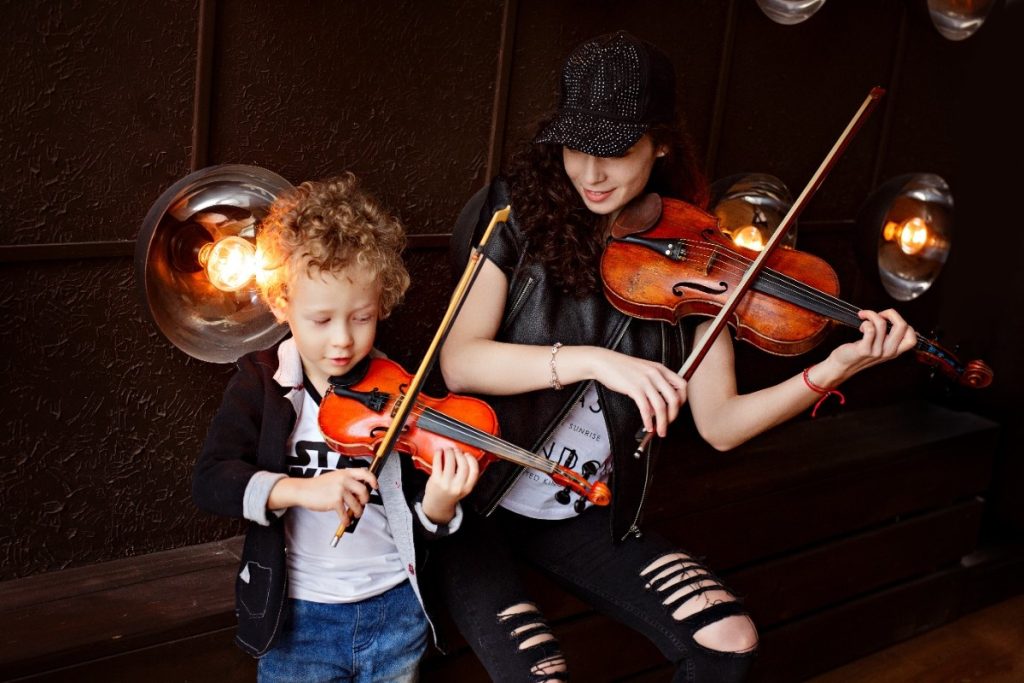
A young beautiful girl in black clothes sits next to her curly blonde with her son

The opportunities for performances also vary significantly between violin and fiddle lessons, impacting the kind of exposure and experience your child receives. Violin students often participate in formal recitals, competitions, and orchestra concerts. These events are excellent for teaching children about preparation, presentation, and the rewards of hard work. They also provide a platform for young musicians to showcase their skills in a structured environment, often bringing a sense of prestige and accomplishment.

Fiddle players, on the other hand, often find their performance venues in more casual settings like folk festivals, community gatherings, and jam sessions. These informal venues offer a different kind of thrill and excitement. They encourage spontaneity and foster an environment where children can feel comfortable experimenting and enjoying themselves without the pressure of formal judgment. This type of performance is excellent for building social skills and a sense of community among players.

Community And Cultural Engagement

Engaging with a community through music can be profoundly impactful for children, and both the violin and fiddle offer distinct cultural connections. The violin is often associated with classical music and high cultural events, providing children with an opportunity to connect with a rich historical tradition and partake in a globally recognized form of artistic expression. This can be particularly enriching for children who have a deep appreciation for history and a keen interest in global cultures.

Conversely, fiddle playing is deeply rooted in local traditions and folk music. It connects players to their cultural heritage and the local community in a tangible way. This connection can be especially strong in areas with a rich folk music history, where fiddle music is a vibrant part of local festivities and community life. For children, this fosters a strong sense of identity and belonging, which can be invaluable during their formative years.

Pros And Cons Of Each For Kids

Every child is unique, and the best musical education for them should cater to their individual needs, interests, and personality. Violin lessons offer rigorous training that enhances discipline and technical skill, suitable for children who thrive in structured environments and seek to achieve a high level of musical proficiency. However, this can sometimes be demanding and potentially overwhelming for some.

Fiddle lessons, on the other hand, emphasize a more relaxed and communal approach to music learning. They allow for a greater expression of creativity and spontaneity, making them ideal for children who prefer a more laid-back and engaging environment. This can lead to a joyful experience of music but might lack the formal training and discipline that classical violin lessons offer, which some parents might value for their educational benefits.

The less formal structure of fiddle lessons can be a double-edged sword; while it encourages fun and innovation, it may not provide the same level of technical mastery or preparation for classical music careers. This could be a consideration if your child has professional aspirations in the classical music sphere.

Choosing between violin and fiddle lessons for your child involves more than just selecting an instrument; it’s about matching the learning style, personality, and interests of your child with the type of music education that will benefit them the most. Whether it’s the disciplined beauty of classical violin or the joyful community experience of the fiddle, each offers unique advantages that can enrich your child’s life.

Take some time to talk with your child about what excites them in music. Consider attending a few concerts or watching performances online to get a feel for each style. Most importantly, choose a path that feels rewarding and fun for your child, as a happy musician is always the best kind. Ready to explore the wonderful world of music with your child? Let’s pick up an instrument and start playing!

karate vs taekwondo

Which Is Better For Child Development: Karate vs. Taekwondo?

When it comes to martial arts for children, parents often find themselves weighing the pros and cons of Karate and Taekwondo. Both martial arts are well-respected and offer a wide range of developmental benefits, but which one is better for child development? In this blog post, we’ll explore both Karate and Taekwondo, focusing on their impact on children’s growth, and highlight why Taekwondo may be the better option for your child.


The Importance Of Martial Arts for Child Development


Martial arts have long been associated with physical and mental growth. They help children develop essential life skills such as discipline, self-confidence, respect, and perseverance. Whether it’s Karate or Taekwondo, the structure and routine of martial arts training offer children an outlet for energy while teaching valuable lessons about themselves and their environment.

Martial arts also support physical health by improving flexibility, coordination, balance, and overall strength. Regular practice can increase a child’s concentration, patience, and ability to handle stressful situations—all essential traits for success both in and out of the classroom.

A Closer Look At Karate

Karate originated in Okinawa, Japan, and focuses heavily on self-defense techniques through strikes (punches, kicks, knee strikes, and elbow strikes). Karate teaches balance and strong body positioning, emphasizing defensive moves to ward off potential attacks. Children learn specific “katas,” or choreographed movements, that are designed to simulate combat against multiple opponents.

Benefits Of Karate For Child Development:

Focus and Discipline: Karate is structured around learning repetitive movements and memorizing katas, which requires intense focus. This helps children develop a disciplined mindset and the ability to concentrate for extended periods.

Self-Control: Karate emphasizes calm and controlled responses to conflict, helping children learn to manage their emotions and reactions.

Defensive Mindset: While teaching children how to defend themselves, Karate also stresses the importance of avoiding unnecessary violence, helping kids develop a peaceful approach to conflict resolution.

However, Karate’s teaching methods can sometimes be more rigid, as traditional techniques are often passed down without much room for adaptation. This may make it less dynamic for some children who prefer more varied and active forms of martial arts.

A Closer Look At Taekwondo

Taekwondo, originating from Korea, is one of the most dynamic martial arts. It is famous for its emphasis on high, fast kicks and agile footwork. Taekwondo incorporates both hand and foot techniques but places greater emphasis on flexibility, speed, and explosive power. Children in Taekwondo classes practice drills that focus on enhancing strength, speed, and stamina while also developing mental acuity.

Benefits Of Taekwondo For Child Development:

Physical Fitness and Flexibility: Taekwondo’s high-energy kicks and movements improve cardiovascular health, flexibility, and muscle strength. The wide range of movements also helps children enhance their agility and coordination, making it an excellent choice for overall physical development.

Confidence Building: The progression through colored belts in Taekwondo provides clear goals for children, boosting their confidence with each level they achieve. This belt-ranking system encourages perseverance and goal-setting, as students must master certain skills to advance to the next level.

Mental Focus: Taekwondo requires significant mental sharpness to execute techniques quickly and precisely. The combination of physical activity and mental discipline strengthens a child’s ability to focus on tasks in other areas of their life, such as schoolwork.

Self-Defense and Self-Esteem: Although Taekwondo is often viewed as more of an offensive martial art due to its kicking focus, children also learn defensive techniques that help them feel safer and more confident. The empowerment that comes from knowing how to protect oneself can greatly improve a child’s self-esteem.

Why Taekwondo Is Better For Child Development

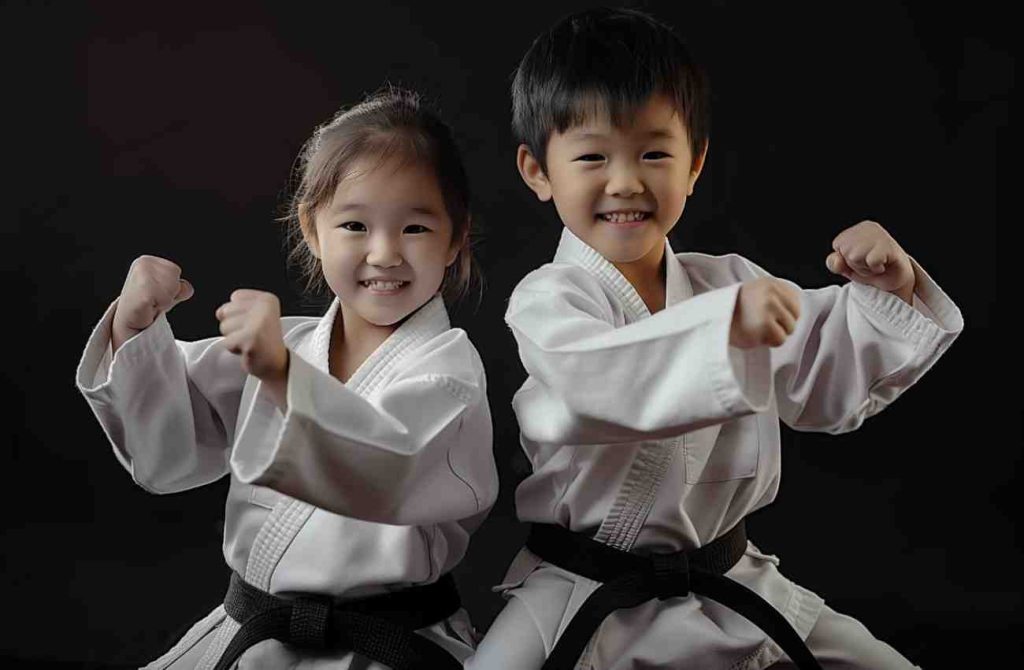
Two children wearingblack belt karate uniform

While both Karate and Taekwondo offer substantial developmental benefits, Taekwondo has some unique advantages that make it more suitable for children in certain areas:

Emphasis on Movement and Flexibility: Taekwondo’s fast, high kicks and dynamic movements promote better flexibility, which can be more beneficial for a growing child’s physical development. It encourages agility, balance, and body awareness, all of which are crucial during the formative years.

Higher Energy and Engagement: Children who enjoy more energetic, fast-paced activities may find Taekwondo more exciting. The continuous, high-energy nature of Taekwondo drills keeps kids engaged, making it a better fit for children who have high energy levels or short attention spans.

Encouragement of Positive Risk-Taking: Taekwondo encourages students to push their limits, whether it’s learning a higher kick, executing a new technique, or striving for the next belt. This positive risk-taking helps children overcome their fears and develop a resilient mindset that will benefit them in all areas of life.

Modern Approach to Training: Taekwondo tends to be more adaptable to modern teaching styles, making it easier for instructors to tailor lessons to each child’s strengths and weaknesses. This flexibility can make the learning experience more fun and less rigid, allowing children to progress at their own pace.

Global Popularity: As an Olympic sport, Taekwondo offers children opportunities to compete internationally and gain exposure to a wider martial arts community. The global reach of Taekwondo adds to its appeal, as children can aspire to compete at high levels while learning about different cultures and values.

Choosing the Right Martial Art For Your Child

Ultimately, the decision between Karate and Taekwondo will depend on your child’s personality, interests, and developmental needs. Both martial arts offer incredible benefits for physical, mental, and emotional growth. However, if your child enjoys a more active, fast-paced sport that emphasizes flexibility, agility, and confidence, Taekwondo may be the better choice.

For parents in Dubai looking to introduce their children to martial arts, The Ballet Centre offers top-quality Taekwondo classes led by experienced instructors. Whether your child is new to martial arts or has some prior experience, Taekwondo can help them develop essential life skills while having fun in a supportive environment.

piano lessons for children

What Age Should Children Start Piano Lessons?

Learning to play the piano is a rewarding and enriching experience for children, offering them a variety of developmental benefits. However, one of the most common questions parents ask is, “What age should my child start piano lessons?” While there’s no one-size-fits-all answer, there are several factors to consider when determining the right time for your child to begin learning the piano. In this post, we’ll explore the best age to start piano lessons, the advantages of early musical education, and how to determine if your child is ready.

Why Consider Piano Lessons For Children?

Before diving into the appropriate age to start lessons, it’s important to understand why piano lessons are such a valuable pursuit for children. Learning to play the piano offers numerous benefits that extend beyond music itself:

Improved Cognitive Development: Playing the piano engages both hemispheres of the brain, promoting improved memory, problem-solving skills, and cognitive flexibility.

Enhanced Motor Skills: Piano playing helps develop fine motor skills, hand-eye coordination, and finger strength, especially in young children.

Discipline and Focus: Learning a musical instrument requires practice and concentration, teaching children valuable lessons in patience, discipline, and perseverance.

Boosted Emotional Intelligence: Piano lessons give children an expressive outlet, helping them develop emotional awareness and creative thinking.

Given these wide-ranging benefits, it’s no surprise that many parents want to introduce their children to the piano early. However, starting at the right time is key to ensuring a positive and productive learning experience.

The Ideal Age To Start Piano Lessons

While there is no definitive answer, most experts agree that the best time for a child to start piano lessons is between the ages of 5 and 7 years old. This age range is often considered ideal because it aligns with key developmental milestones that make learning the piano more accessible and enjoyable for children.

Here’s why:

Physical Readiness: At around 5 years old, children typically have developed the fine motor skills necessary to press piano keys with adequate strength and coordination. Their hands are also large enough to navigate the keyboard, making it easier for them to play simple melodies and scales.

Cognitive Development: By the age of 5, most children have started to grasp basic concepts like counting and recognizing patterns, which are essential for understanding music theory and reading sheet music.

Attention Span: Children in the 5–7 age range generally have longer attention spans than toddlers, enabling them to focus on lessons for 20–30 minutes at a time. This level of focus is crucial for making progress in learning the piano, as it requires consistent practice and concentration.

Starting Piano Lessons Before Age 5

While 5–7 is the most common starting age, it’s not unheard of for children to begin piano lessons earlier,

even as young as 3 or 4 years old. However, early beginners typically require a different approach to

learning the piano, as their physical and cognitive abilities are still developing.

If you’re considering starting your child before the age of 5, here are a few things to keep in mind:

Shorter Lessons: Very young children may not have the attention span for full-length lessons, so sessions should be kept short—around 10 to 15 minutes—and highly interactive to maintain their interest.

Focus on Play: Early lessons for children under 5 should be fun and playful, emphasizing exploration and experimentation with sounds rather than strict adherence to technique.

Parental Involvement: Parents will need to play an active role in reinforcing lessons at home. Helping your child stay engaged through practice sessions and encouraging their curiosity about music will be key to their progress.

Indicators That Your Child Is Ready For Piano Lessons

If your child is approaching the recommended starting age but you’re unsure if they’re ready, there are a few signs to look for that can help guide your decision:

Interest in Music: Has your child shown interest in playing the piano or other musical instruments? Do they often sing, hum, or tap along to music? A natural curiosity about music is one of the best indicators that your child may be ready for piano lessons.

Ability to Follow Instructions: Piano lessons require the ability to listen carefully and follow instructions from a teacher. If your child can follow simple directions and show patience during tasks, this is a good sign they may be ready for structured lessons.

Finger Independence: While young children are still developing their fine motor skills, it’s important that they have some degree of control over their fingers. If your child can comfortably use individual fingers to

press keys or manipulate small objects, they may be physically ready for piano lessons.

Attention Span and Focus: Can your child stay engaged with an activity for 15 to 30 minutes? Piano practice requires concentration, so it’s important that your child is capable of maintaining focus during lessons.

Parental Support: Starting piano lessons is a commitment, not just for the child but for the parents as well. Regular practice is essential for progress, so consider whether your child—and your schedule—allows time for consistent practice at home.

Piano Lessons And Child Development

Young boy sitting and playing piaono while reading sheet music

Piano lessons offer a wide range of developmental benefits for children beyond musical ability. Here’s how starting piano at a young age can enhance various aspects of your child’s growth:

Boosting Academic Skills: Learning to read music introduces children to patterns, fractions, and sequences, which can help improve math and reasoning skills.

Building Emotional Resilience: Mastering the piano involves overcoming challenges, whether it’s learning a difficult piece or performing in front of others. This process builds emotional resilience and teaches children how to handle frustration and disappointment.

Developing Creativity: The piano is a versatile instrument that allows for a high degree of personal expression. Through improvisation and composition, children can tap into their creative potential and develop unique ways of expressing themselves.

Social Skills and Confidence: Piano lessons often involve performance opportunities, whether in front of peers, family, or in recitals. Performing builds self-confidence and helps children develop social skills by learning how to interact in structured, group settings.

Piano Lesson Structure For Young Beginners

If you decide to start your child on piano lessons, it’s important to choose a lesson structure that suits their age and developmental stage. For young beginners, lessons should:

Be short and frequent: 20- to 30-minute lessons two or three times a week are ideal for children under 7, with time in between for home practice.

Be playful and interactive: Lessons for young children should incorporate games and activities that make learning fun. This could include clapping rhythms, singing along to melodies, or playing matching games with musical notes.

Focus on basic music theory: Early piano lessons should introduce simple concepts like the names of the piano keys, the basics of rhythm, and hand positioning without overwhelming the child with complex theory.

Conclusion: Starting Piano Lessons At The Right Age

While most children are ready to begin piano lessons between the ages of 5 and 7, every child develops at their own pace. If your child shows an interest in music, demonstrates focus, and has the physical coordination necessary to play the piano, they may be ready to begin lessons. For parents in Dubai, The Ballet Centre offers piano lessons tailored to young beginners, providing a fun and supportive environment to nurture your child’s musical journey.

ballet positions

Ballet Positions For Beginners Explained

If you’re curious about ballet, understanding the basic positions is your first step towards mastering this elegant art form. Ballet isn’t just a series of steps and movements; it’s a language of its own, communicated through the body. For those beginning this journey, grasping the fundamental positions serves as the foundation for all ballet movements.

The allure of ballet lies in its precision and grace, but achieving this takes practice and understanding. Start by envisioning ballet as more than dance—it’s a discipline that melds artistry with physical strength. Whether you’re taking up ballet for fun, fitness, or aiming to go professional, knowing these core positions will immensely enhance your ability to perform and enjoy the dance.

The Five Basic Ballet Positions

Each of the five basic ballet positions lays a structural base for the more complex movements seen in performances. Here’s a breakdown:

First Position: Feet and Arms

  • Stand with your heels together and toes pointing outwards, making a wide angle. This position is all about alignment and symmetry. Your arms should form a soft round shape, almost like holding a giant beach ball, with your hands just in front of the belly button. Keep your shoulders down and back relaxed, letting your arms float effortlessly.
  • First position is critical because it teaches balance and body alignment. Watch out for rolling your feet inward or lifting your heels; both are common errors. Engaging your core will help stabilize your stance.

Second Position: Feet and Arms

  • From the first position, slide your feet apart until they are about a shoulder-width distance. The arms lift from the first position to a strong horizontal line at shoulder height, palms facing downward. This position feels more open but requires control to maintain a smooth, even line from fingertips to toes.
  • The challenge here is not to let your arms droop or to overextend your feet. Like the first position, maintaining a relaxed yet engaged posture will make a difference in how effectively you execute second position.

Third Position: Feet and Arms

  • This less commonly used position acts as a bridge in more advanced routines. Place one foot in front of the other, heel to arch, with the front foot’s heel touching the inner arch of the back foot. Raise your front arm to be rounded overhead, while the other arm stays rounded at navel level.
  • It’s a great position for learning coordination as it involves a complex arrangement of limbs. Remember, the key here is the alignment of the heel to arch, not heel to toe, which can throw off your balance.

Fourth Position: Feet and Arms

  • Move your front foot forward from third, about one foot-length ahead. The arms mirror the complexity of the leg work; one arm extends forward and slightly rounded at shoulder height, and the other mirrors the first position’s rounded shape above your head.
  • Fourth position tests your balance and control. Ensure your weight is evenly distributed between both feet and that your body isn’t leaning forward or backward.

Fifth Position: Feet and Arms

  • The pinnacle of ballet’s basic stances, fifth position requires you to bring your feet tightly together, with the toe of the back foot touching the heel of the front. Both arms are held rounded overhead, creating a frame for your face.
  • Fifth position is often the goal for visual symmetry and elegance in ballet. Avoid squeezing your feet so tightly that it causes tension up the leg; instead, aim for a natural close fit that still allows for fluid movement.

Core Techniques to Support Positions

Understanding ballet positions is one thing, but performing them with proper technique is where the real challenge lies. Good technique supports every ballet position and helps prevent injuries. Here are some key areas to focus on:

Posture and Alignment

Good posture is the backbone of ballet. It begins with a straight spine and hips aligned over your feet. Whether you’re in first position or fifth, keeping your back straight and avoiding any slouching are crucial. Visualize a string pulling you up from the top of your head, elongating your spine and neck upwards, not just when you’re dancing but in everyday activities too. This habit not only improves your dance but also brings a better presence and confidence in your day-to-day life.

Alignment in ballet is not just about keeping your back straight; it’s also about ensuring your hips, knees, and feet are properly lined up. Misalignment can lead to strain and injury. So, whether you’re practicing at the barre or performing in the center, always check in with your body to ensure you’re aligned.

Balance and Coordination

Balance in ballet is fundamental. It requires both physical and mental focus. Practicing yoga or Pilates can help you develop the core strength that supports balance. Also, try balance exercises like standing on one foot while brushing your teeth or simple relevés (rising to your toes) at the kitchen counter.

Coordination in ballet involves the ability to execute movements with different parts of your body in a harmonious manner. To improve this, break down each movement and position into smaller parts, practice them slowly, and then combine them fluidly. This slow and deliberate practice helps muscle memory kick in, which is essential for smoother transitions in dance routines.

Strength and Flexibility

Strength is crucial, particularly in your legs, core, and back. Incorporate exercises like squats, lunges, and planks into your daily routine to build the muscle strength needed for ballet. Strong muscles will make it easier to hold those beautiful positions and perform ballet movements with grace.

Flexibility is another cornerstone of ballet that allows for full range of motion. Regular stretching is vital. Focus not just on your legs but also your back and arms. Start and end your day with a stretching routine that includes dynamic stretches to warm up the muscles and static stretches to improve flexibility over time.

Common Challenges for Beginners

Woman in ballet studio, she is lifting one foot above her head

Every beginner faces hurdles when starting ballet. Knowing what these challenges are can help you address them more effectively:

Turning Out Feet from the Hips

One of the most common challenges is achieving a proper ‘turnout,’ where the legs are rotated outward from the hips. Many beginners try to force the turnout at the knees or ankles, which can lead to injury. Focus on strengthening the hip rotator muscles through specific exercises and always warm up thoroughly before practicing your turnout.

Maintaining a Relaxed Yet Controlled Arm Posture

Arm positions in ballet are as important as foot positions. Beginners often tense up, which can make arm movements look stiff and unnatural. Practice your arm positions by imagining you are moving them through water; this visualization can help you achieve the fluid, graceful motions needed.

Overcoming Stiffness and Increasing Fluidity

Stiffness is another hurdle for many beginners. Incorporate activities that promote movement fluidity, such as swimming or a dance style like contemporary, which focuses on fluid movements. Also, observe and learn from experienced dancers; notice how they transition smoothly from one position to another.

Practicing Ballet Positions

To make real progress in ballet, consistent practice is key. Here are some tips on how to practice effectively, especially when you’re away from the dance studio:

At Home Practice Tips

Safe practice at home starts with creating the right space. Clear an area where you have enough room to extend your arms and legs fully. If you don’t have a ballet barre, use a sturdy chair or countertop to help maintain balance during exercises.

When practicing at home, it’s crucial to use a mirror. This will help you observe and correct your form in real time. Focus on the alignment of your body and the precision of your positions. Being able to visually track your progress can significantly speed up your learning curve.

Incorporating Positions into Daily Ballet Routines

Start integrating the positions into simple routines. This not only makes your practice more interesting but also helps your body understand how to flow from one position to another. Create short combinations, like transitioning from first to second position with a plié, or from third to fifth with a relevé.

Rehearse these combinations regularly, aiming to smooth out the transitions and maintain proper form throughout. As these become more comfortable, you can begin to add music, which will challenge you to match your movements to a rhythm, a fundamental skill in dance.

Feedback and Improvement

Even when practicing alone, feedback is invaluable:

Seeking Constructive Criticism

  • Whenever possible, get feedback from more experienced dancers or instructors. If you’re taking classes, ask your teacher for specific advice on improving your positions and overall technique.
  • If you’re practicing primarily at home, consider recording your sessions and reviewing them. You might also join online communities or forums where you can share videos and receive advice and encouragement from fellow ballet enthusiasts.

Monitoring Progress

  • Keeping a practice diary can be extremely helpful. Note what you practiced, what felt good, what needs improvement, and any insights from instructors or your own observations. Seeing your progress written down can be a powerful motivator.
  • Celebrate small victories along the way. Whether it’s nailing a perfect fifth position or feeling more balanced in your pirouettes, acknowledging these achievements will boost your confidence and enthusiasm for ballet.

Now that you know the essentials of ballet positions and how to practice them effectively, the next step is yours to take. Whether you’re practicing for fun or with professional aspirations, remember that every dancer starts with the basics. So lace up your ballet shoes, find a space, and start practicing. Ballet may be challenging, but it’s also incredibly rewarding. Ready to dance?

1 7 8 9 10 11 16