5 Ballet Foot Positions Every Dancer Should Know
Master the 5 essential ballet foot positions, foundational techniques for beginners & pros. Perfect your form & build strength.
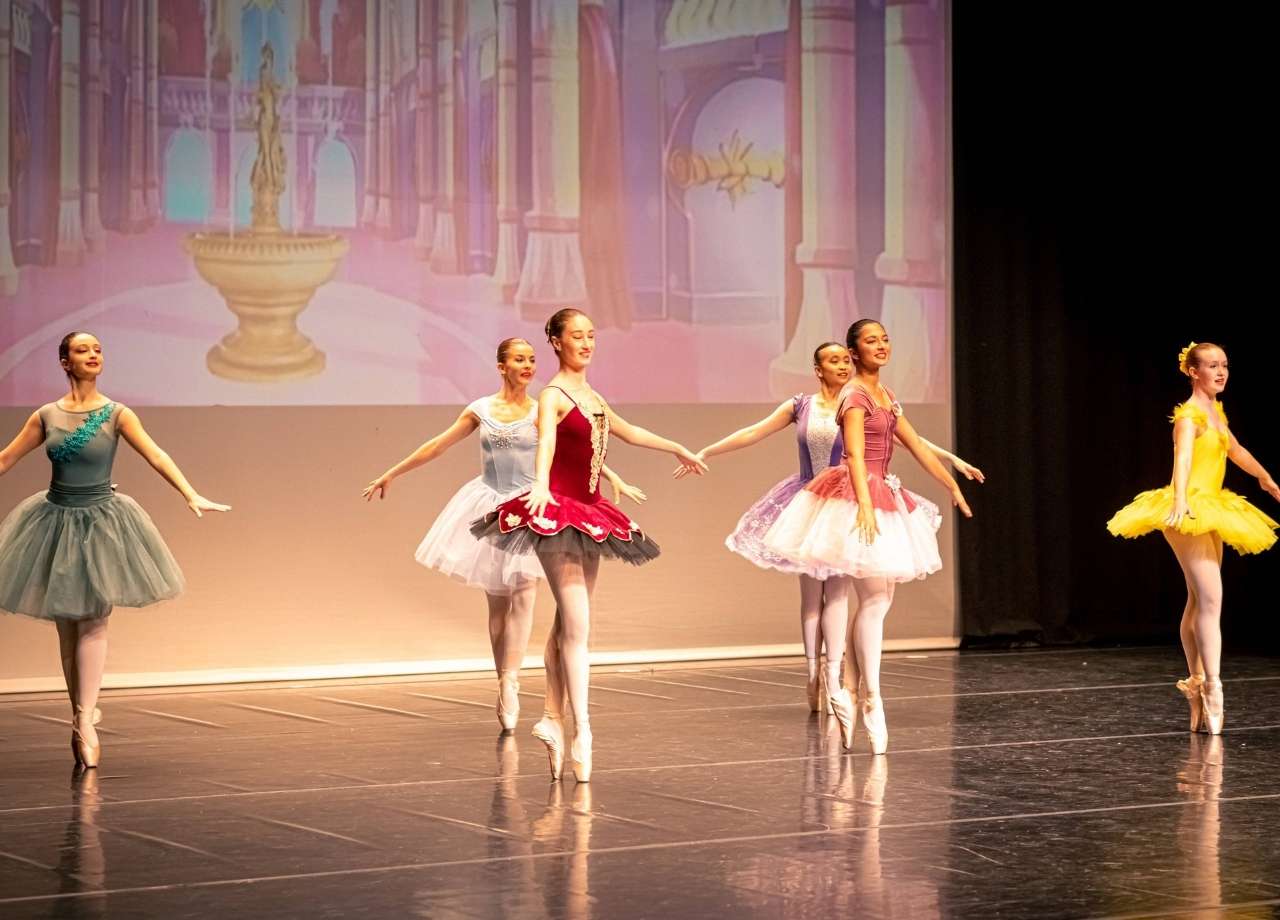
Learning ballet begins from the ground up, literally. The five basic foot positions are the foundation of classical ballet technique. These simple-seeming stances define balance, alignment, and fluidity in every movement. They are the first thing a dancer learns and the last thing they ever truly master. Whether you’re watching a young child in their first class or a seasoned performer in a grand jeté, those foot positions are quietly at work.
First Position: Where It All Begins
Feet turned out, heels touching. The first position is iconic. It looks easy, but it teaches dancers more than just how to stand. Children begin by understanding how to place their feet, but soon realize it’s also about posture, turnout, and core control. Instructors often emphasize how the entire leg rotates from the hip rather than forcing the feet to turn.
You may notice teachers reminding students to avoid letting their arches collapse or their knees roll forward. That’s because alignment is everything. First position encourages dancers to lengthen their spines, engage their abdominals, and hold themselves with quiet dignity. Even very young dancers pick up on these cues and begin to carry themselves differently.
One eight-year-old student recently shared, “I used to trip a lot, but now I feel like I float when I walk.” It’s a small comment that reveals a big shift-not just physically, but mentally.
Second Position: Creating Space and Stability
From first, we open the heels about a foot apart, keeping the turnout. Second position introduces stability and spatial awareness. It’s used frequently in center exercises and is essential for learning pliés and grand battements.
The wider base helps children understand how to distribute weight evenly. This is often the first position where students begin to feel their balance improve. Teachers might guide students to imagine pressing the floor away with their feet or reaching their arms out like they’re holding a beach ball. These ideas connect physical action to visual storytelling-a hallmark of early ballet education.
Second position also lays the groundwork for jumps. Many leaps and transitions pass through this position, giving it both technical and artistic importance. Dancers begin to learn how power can be gathered without losing grace.
Third Position: Introducing Opposition and Coordination
Here, one foot slides in front of the other so that the heel of the front foot touches the arch of the back foot. It’s less frequently used in professional choreography but is a staple in beginner classes. It offers a more manageable alternative to the complex fifth position while still introducing coordination between the legs.
Third position begins to challenge children’s understanding of oppositional movement. They have to keep both hips squared while aligning the legs in a precise pattern. It’s more complex than it appears. Teachers often mark progress not by perfect execution, but by the way a child begins to self-correct, adjusting their stance or re-aligning their arms without prompting.
This position also starts the journey into turning. Pirouettes and other spins often begin in third or fourth, depending on the method being taught. Learning how to rise from this position helps students understand balance under pressure.
Fourth Position: Depth and Control
Fourth position builds on third but requires more control. One foot moves forward about a foot’s length, staying turned out. The back foot remains in place. It’s the first position where dancers begin to feel off-center, and that’s intentional.
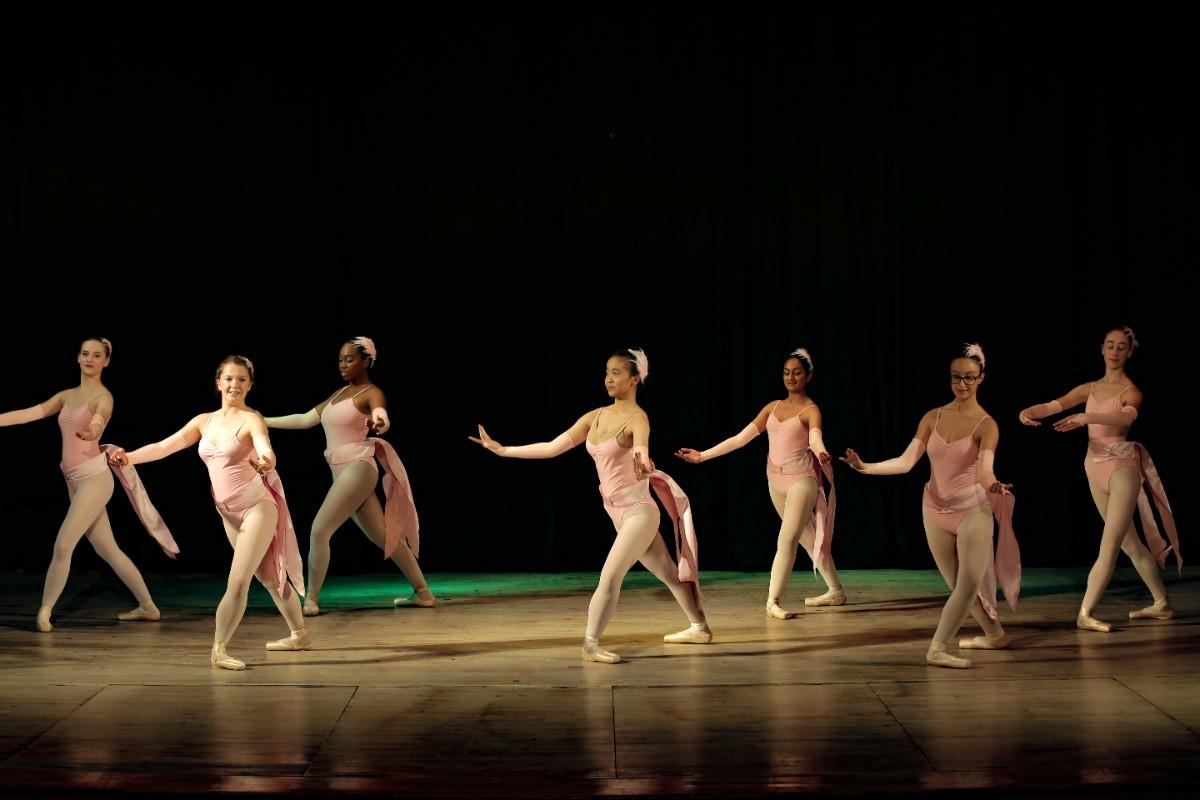
The space between the feet can feel awkward at first. Teachers often remind students to keep their hips level and avoid letting their back arch. This is where core strength becomes visibly essential. A child learning fourth position may stumble or shift at first, but over time, they begin to build stability.
This position is often used in preparation for pirouettes and lunges. It asks dancers to trust their center of gravity while building leg strength. One teacher once compared it to standing on a train platform, ”You know where you are, and you’re ready to move when it comes.”
Fifth Position: Precision and Poise
Fifth position is elegant, narrow, and demanding. The heel of one foot is placed directly in front of the toe of the other. It requires excellent turnout, solid balance, and exact alignment. This is the position most often seen in performances because it creates beautiful lines.
Younger students don’t always reach a perfect fifth immediately. Instead, they start by aiming for clean alignment. Teachers gradually guide them to close the gap between their feet while maintaining rotation from the hips. One common image is to imagine zipping up the legs from the heels to the inner thighs.
Fifth position is also where dancers build the stamina for repetition. Whether it’s tendus, fondues, or petit allegro combinations, this position demands endurance. The smallest shift can throw off the whole shape, so dancers learn to stay alert and aware of every muscle.
Why These Positions Matter More Than You Think
These positions do more than train the body; they shape how young dancers think, feel, and grow. A child might not realize it immediately, but learning to stand tall, balance on two feet, and execute a clean plié builds more than dance ability.
It fosters patience. Progress takes time. Muscles develop slowly, and alignment comes with repeated practice.
It cultivates respect. Ballet asks for discipline, but also rewards commitment. Children learn to listen closely, support their peers, and celebrate small victories.
It encourages expression. Even within the structure of a position, dancers bring their own flair. A confident first position says something. A focused fifth speaks volumes.
Teachers use all kinds of creative tools to bring these lessons to life. Storytelling, props, visual cues, and music are all part of the experience. One teacher at a recent trial class turned the floor into a garden path, with each position as a stepping stone. The children didn’t just learn steps; they went on a journey.
Bringing It All Together
At The Ballet Centre Dubai, students begin their training with these five positions as the cornerstone. Through Royal Academy of Dance (RAD) syllabi and nurturing instruction, the Centre provides a space where children can safely explore movement and develop confidence.
Parents looking to support their child’s physical and creative growth often appreciate the Centre’s holistic approach. With KHDA approval, experienced faculty, flexible payment options, and the chance to try a class before committing, families can feel assured in their decision. The journey may start with placing the feet just so, but it soon grows into something much more meaningful.
Watching a child move from first position to a graceful pirouette from fifth is a moment of pride. But behind the scenes are hours of quiet learning, gentle corrections, and personal breakthroughs. These foundational positions become part of how a young dancer stands, walks, and carries themselves into every new stage of life.