
Ballet: Where Did It Originate & How Long Is a Performance?
Explore the origins of ballet! Discover where ballet originally comes from, how long a ballet is, and the rich history behind this elegant dance form.
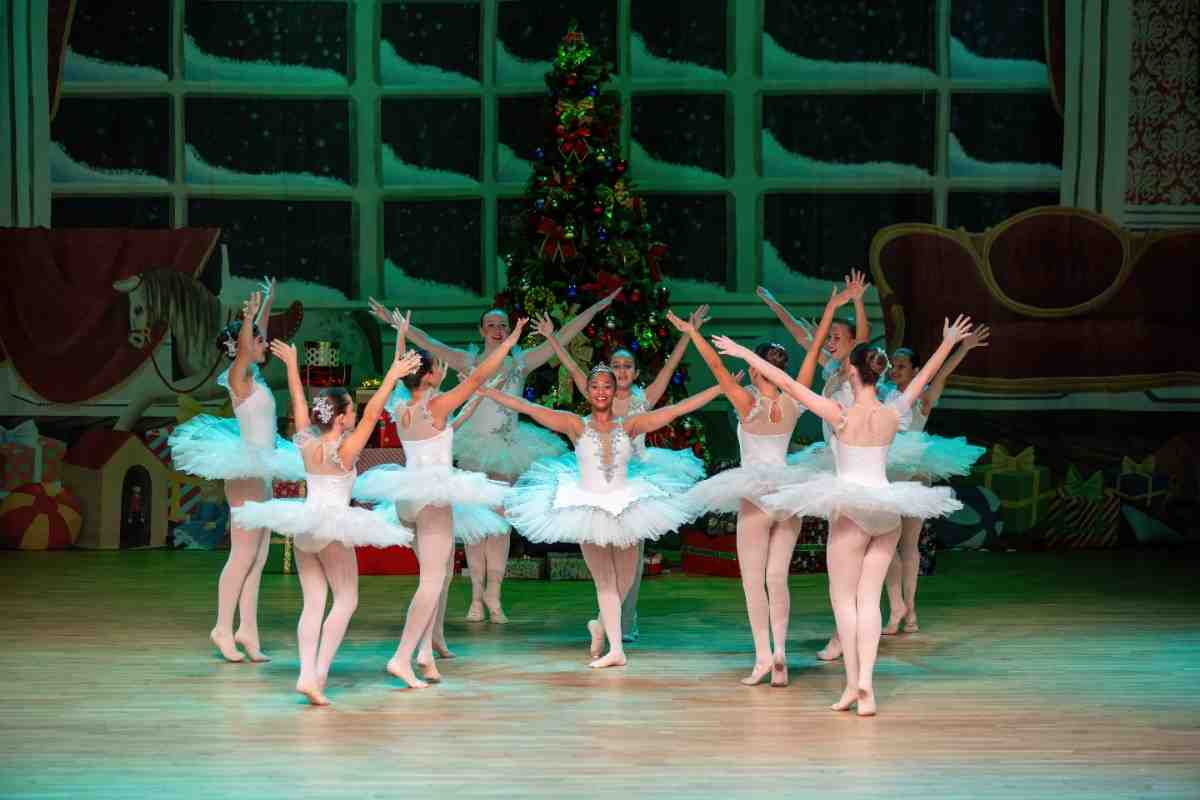
Ballet has changed dramatically over the centuries. What began as an art form reserved for royalty has become a worldwide discipline, blending tradition with modern expression. The grace and discipline seen in today’s ballet classes trace back to an era when dance was as much about social status as it was about performance.
Origins in the Courts of Europe
Ballet traces its roots to the Italian Renaissance, where it was performed in noble courts as a display of refinement and cultural sophistication. The term itself comes from the Italian word ballare, meaning “to dance.” It was in these early years that dance masters began formalizing steps and patterns, though the movement was far removed from the highly technical performances seen today.
By the mid-16th century, ballet had spread to France, largely due to Catherine de’ Medici, an Italian noblewoman who married King Henry II of France. She brought Italian dance traditions with her, leading to the creation of elaborate court spectacles. These performances combined music, poetry, and dance, often lasting for several hours. Dancers were not professionals but members of the aristocracy, trained to move gracefully as a symbol of their status.
The turning point came during the reign of King Louis XIV. A passionate dancer himself, he played a significant role in shaping ballet as an art form rather than mere court entertainment. He founded the Académie Royale de Danse in 1661, a formal institution dedicated to training dancers and standardizing ballet technique. It was during this time that many of today’s foundational movements and positions were codified, ensuring that ballet had a structured technique that could be taught consistently.
The Shift Toward Theatrical Performance
As ballet moved from royal courts to public theaters, it underwent significant transformation. The 18th century saw a push toward greater expressiveness in dance, shifting from the rigid, ornamental style of court performances to a more fluid, theatrical approach.
Dancers began to perform in theaters rather than palace halls, and their movements became more sophisticated. Women took on a more central role, no longer just supporting figures but leading performers. Two dancers who helped shape this change were Marie Camargo and Marie Sallé. Camargo was known for her technical brilliance, shortening her skirts to showcase her footwork, while Sallé was praised for her ability to convey deep emotion through movement.
This period also introduced the concept of ballet d’action, which emphasized storytelling through dance. Choreographers sought to create more natural movement that connected with audiences, making ballet a more engaging and immersive experience.
The Rise of the Romantic Ballet
The 19th century saw ballet take on a dreamlike, ethereal quality. Stories of spirits, fairies, and mythical creatures became common themes, and dancers appeared to float effortlessly across the stage. This was largely due to the introduction of pointe shoes, which allowed ballerinas to rise onto the tips of their toes, creating an illusion of weightlessness.
Marie Taglioni, one of the most famous dancers of this period, became an icon through her performance in La Sylphide. She embodied the light, delicate style that defined the Romantic era. Costumes also changed, with longer, softer tutus replacing the heavy, structured dresses of the past.
Male dancers, who had once dominated the stage, found themselves in a supporting role as the focus shifted toward female performers. The ballerina became the symbol of ballet, often portraying fragile, otherworldly beings that seemed to exist outside the realm of reality.
Despite the beauty of Romantic ballet, it also had limitations. The emphasis on ethereal qualities sometimes restricted movement, keeping dancers bound to a specific aesthetic rather than allowing them to explore broader physical expression.
Classical Ballet and Russian Influence
By the late 19th century, ballet had become more technically demanding. Nowhere was this more evident than in Russia, where choreographers like Marius Petipa pushed dancers to new levels of precision and athleticism.
Petipa’s contributions to ballet remain some of the most celebrated today. His works, including The Sleeping Beauty, Swan Lake, and The Nutcracker, set the standard for classical ballet. These productions featured highly structured choreography, grand ensembles, and intricate partnering work that showcased both strength and artistry.
This era also introduced the shorter, stiffer tutu, designed to highlight the complexity of movement. Male dancers regained importance, performing powerful jumps and lifts that complemented their female counterparts.
Breaking Tradition: The Birth of Modern Ballet
The 20th century brought a wave of experimentation. Choreographers began to question the constraints of classical ballet, seeking new ways to use the body and tell stories.
Michel Fokine, a Russian choreographer, rejected the rigid structure of traditional ballet, advocating for more expressive and natural movement. His works encouraged dancers to use their entire body, breaking free from the highly stylized gestures of the past.
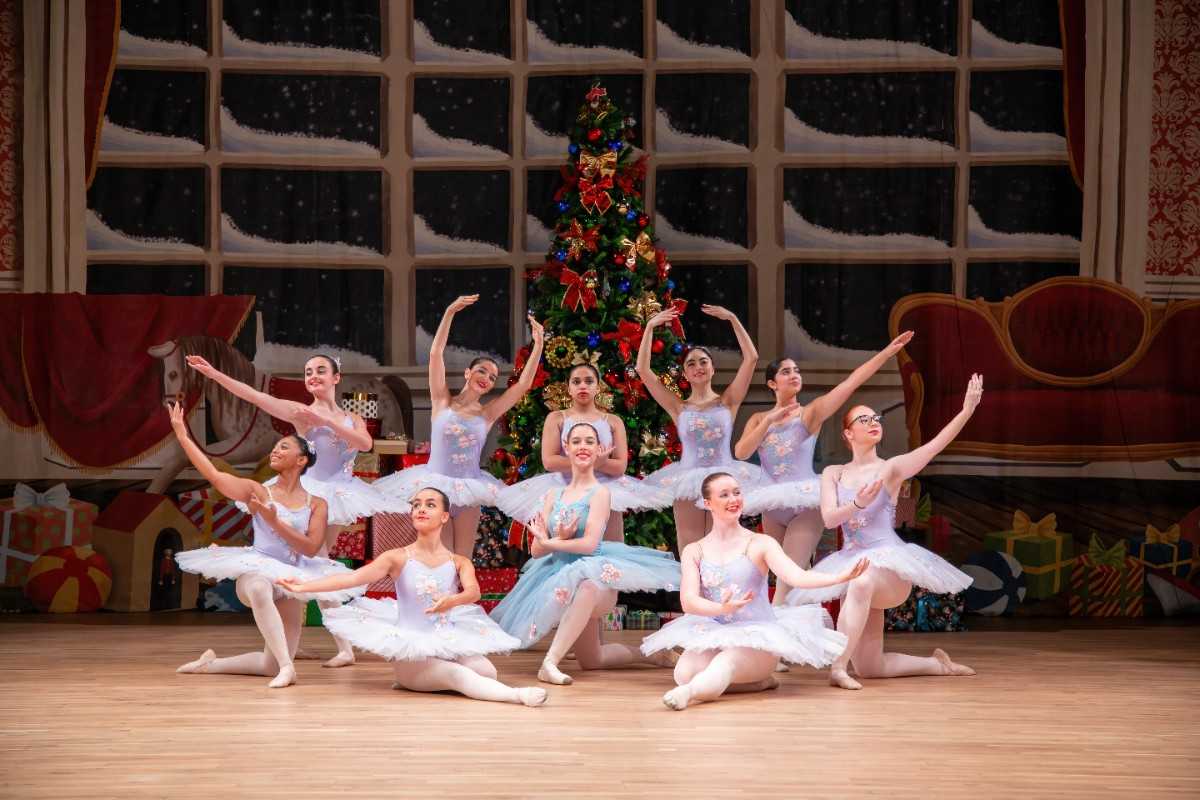
Perhaps one of the most influential figures of this period was George Balanchine. He stripped ballet down to its purest form, removing elaborate costumes and sets to focus entirely on movement. His neoclassical style, seen in works like Serenade and Agon, emphasized speed, musicality, and precision.
Contemporary ballet also began to emerge, blending elements of modern dance with classical technique. Dancers explored new movement qualities, sometimes sharp and angular, other times fluid and grounded.
This shift expanded the possibilities of ballet, making it more accessible to a wider audience. While traditional ballets remained popular, modern works brought fresh perspectives, ensuring that ballet continued to evolve rather than remain frozen in time.
Ballet in the 21st Century
Today, ballet exists in many forms. Some companies remain dedicated to classical repertoire, while others push the boundaries of movement and storytelling. Technology has also played a role, with social media providing a platform for dancers to share their art with a global audience.
Training methods have evolved as well. Dancers now incorporate strength training, flexibility exercises, and injury prevention techniques into their routines. The focus is no longer just on aesthetics but also on maintaining long-term physical health.
At Ballet Centre Dubai, students receive a well-rounded ballet education that honors both tradition and innovation. The structured RAD syllabus ensures strong technical foundations, while additional classes in modern dance, tap, and drama allow students to explore different forms of movement and expression. Whether a child is taking their first ballet class or preparing for advanced exams, they receive expert guidance in a supportive environment.
Ballet has come a long way from its origins in royal courts. It has survived centuries of change, adapting to new influences while maintaining its essential beauty and discipline. For young dancers stepping into a ballet studio today, they are not just learning technique-they are becoming part of a tradition that has inspired generations before them and will continue to shape the future of dance.