
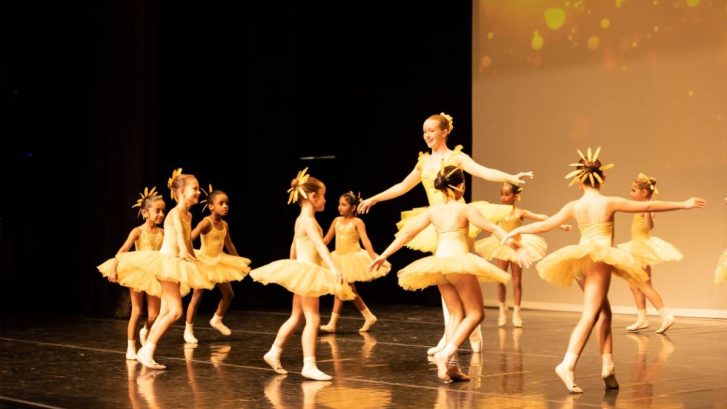
Maya was six when she stepped into her first ballet class.
Shy, barely whispering her name during roll call, she clung to her mother’s hand as the studio buzzed with the soft rustle of leotards and the smell of new ballet shoes. Fast forward six months—her posture straighter, eyes brighter, and a quiet confidence taking root—Maya now twirls across the studio floor like she was born there.
This is often how it begins.
Not with grand leaps, but with small, steady moments of progress. Preparing a child for ballet success starts long before the first plié. It begins with the right mindset, support, and environment.
Picking the Right Start
Not every child is ready at the same age, and that’s perfectly fine. Some are eager to move to music by age three, others warm up later. What matters is that their first experience feels safe and enjoyable. Structured classes help tremendously. When taught by instructors who understand age-specific development, children build trust in themselves and their teacher.
At Ballet Centre Dubai, classes are grouped by age and experience, with caring instructors who understand that confidence must be nurtured before precision is expected. This approach allows young dancers to grow at their own pace.
Expectations: Set Them Lightly
Parents often ask if their child should practice at home, memorize ballet terms, or watch professional performances for inspiration. None of that is necessary in the beginning. What helps more is showing up on time, encouraging consistent attendance, and letting ballet remain something they look forward to.
Pressure rarely creates progress. A child might show resistance one day, then surprise you the next with perfect fifth position. Trust the process. Focus less on achievement, more on experience.
The Quiet Power of Routine
There’s a rhythm to ballet that children begin to internalize. They line up, wait their turn, stretch, listen to the piano, follow sequences—all of which helps improve focus and memory. The predictability of class structure gives them a sense of security. Over time, this routine starts to influence their behavior outside the studio too.
Parents often notice subtle changes: better posture while reading, calmness during homework, patience while waiting. These aren’t coincidental. They are quiet victories ballet students carry with them into the rest of their lives.
Attire Matters More Than You Think
Ballet uniforms are about more than appearance. A well-fitting leotard and soft ballet shoes teach discipline in subtle ways. Children learn to care for their things, tie their own ballet shoe elastics, and pack their dance bags the night before class.
Wearing the right outfit also helps them feel like they belong. When a child enters the studio dressed like a dancer, they begin to see themselves as one. That shift in identity fuels commitment more than any motivational speech ever could.
From Play to Precision
In the earliest stages, ballet can feel like structured play. Imaginary butterflies, flower arms, tiptoeing like mice—these are the bridges to more technical skills later. When taught correctly, the transition from creative movement to classical steps happens seamlessly.
Parents don’t always see the slow layering of skill underneath the fun. But the child feels it. They become stronger, more coordinated, and begin to take pride in doing things “the proper way.” This internal motivation becomes the backbone of lasting progress.
Encouragement that Works
Not all praise is helpful. Telling a child they were “perfect” can backfire. It puts pressure on them to always meet that standard. A better way is to notice effort: “I saw how hard you concentrated during the warm-up,” or “Your arms were so soft and graceful today.”
These specific observations show you’re paying attention and help build confidence that lasts beyond the studio. Children begin to value their own effort, not just the result.
Progress Looks Different for Everyone
Some beginners memorize choreography quickly. Others take longer to get their left and right sorted. It’s tempting to compare—but it isn’t useful. A child who struggles with steps may have beautiful musicality. One who hesitates in front of a mirror may shine in a group performance.
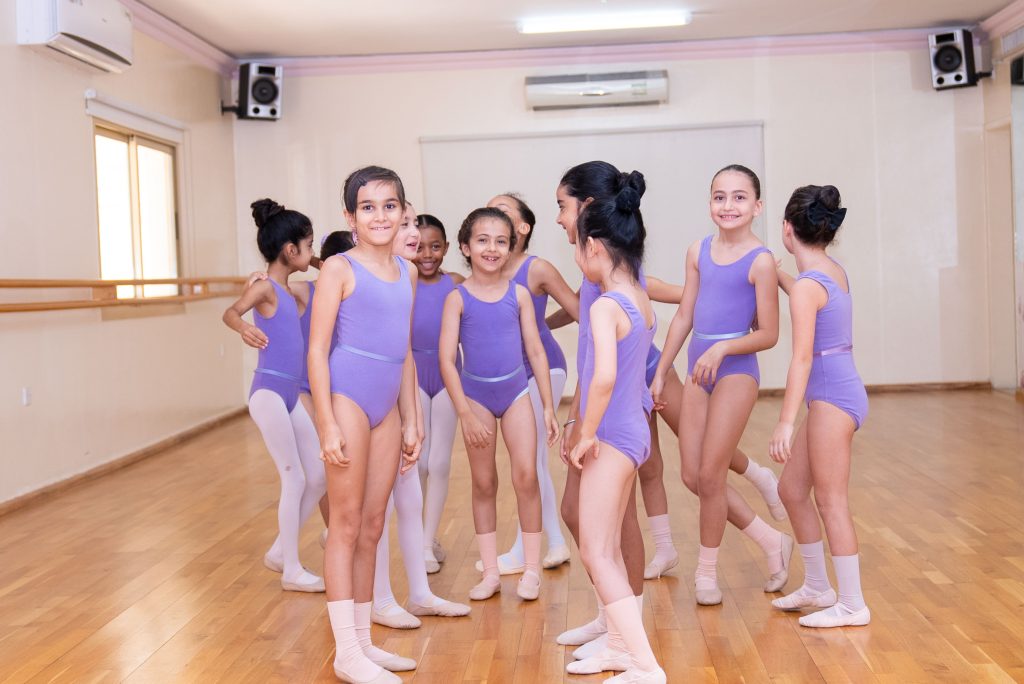
Success in ballet isn’t linear. It often looks like two steps forward, one step back. But every child who keeps showing up is making progress, even if it doesn’t always look like it.
Behind the Scenes: What Parents Can Do
The ride home after class can be more powerful than the class itself. It’s when the child decides whether to keep going. A simple “Did you have fun?” opens the door more than “Did you do well?”
Ballet shouldn’t be a test to pass. It should be a space to grow. When children know their effort is enough, they return with joy. That’s where lifelong dedication begins.
Also, don’t underestimate the power of watching performances together. Whether it’s local shows or recorded theatre productions, these experiences make ballet feel alive. They connect classroom learning to something larger, something meaningful.
When Is the Right Time to Level Up?
There’s often a question of readiness—when to move up a level, start formal exams, or add a second class per week. Most schools have a system in place, but communication with instructors is key. They see your child in a learning environment and can help guide the next step.
At Ballet Centre Dubai, classes follow internationally recognized syllabi, with yearly RAD and ISTD exam options for those who are ready. But readiness isn’t only about skill. It’s also about emotional maturity and a child’s personal interest. When all three align, stepping into a more advanced class feels natural, not forced.
One Last Story
Lina joined ballet at age nine, older than most in her class. She felt behind and was hesitant at first, but her teacher reassured her that everyone moves at their own pace. By the end of the term, she was leading warm-ups. She hadn’t caught up—she’d grown into her own rhythm.
Success in ballet doesn’t always come from natural talent. It comes from consistency, curiosity, and the quiet belief that you belong there.
Every plié, every skipped step, every laugh during across-the-floor drills—these are the building blocks. When a beginner is given space to learn, encouragement to keep going, and the right environment, ballet becomes more than just dance. It becomes a part of who they are.
And that is the true beginning of success.