What to Know About Beginner Flute Lessons
Learn what to know about beginner flute lessons, from essential techniques to practice tips, helping new players build confidence and enjoy learning music.
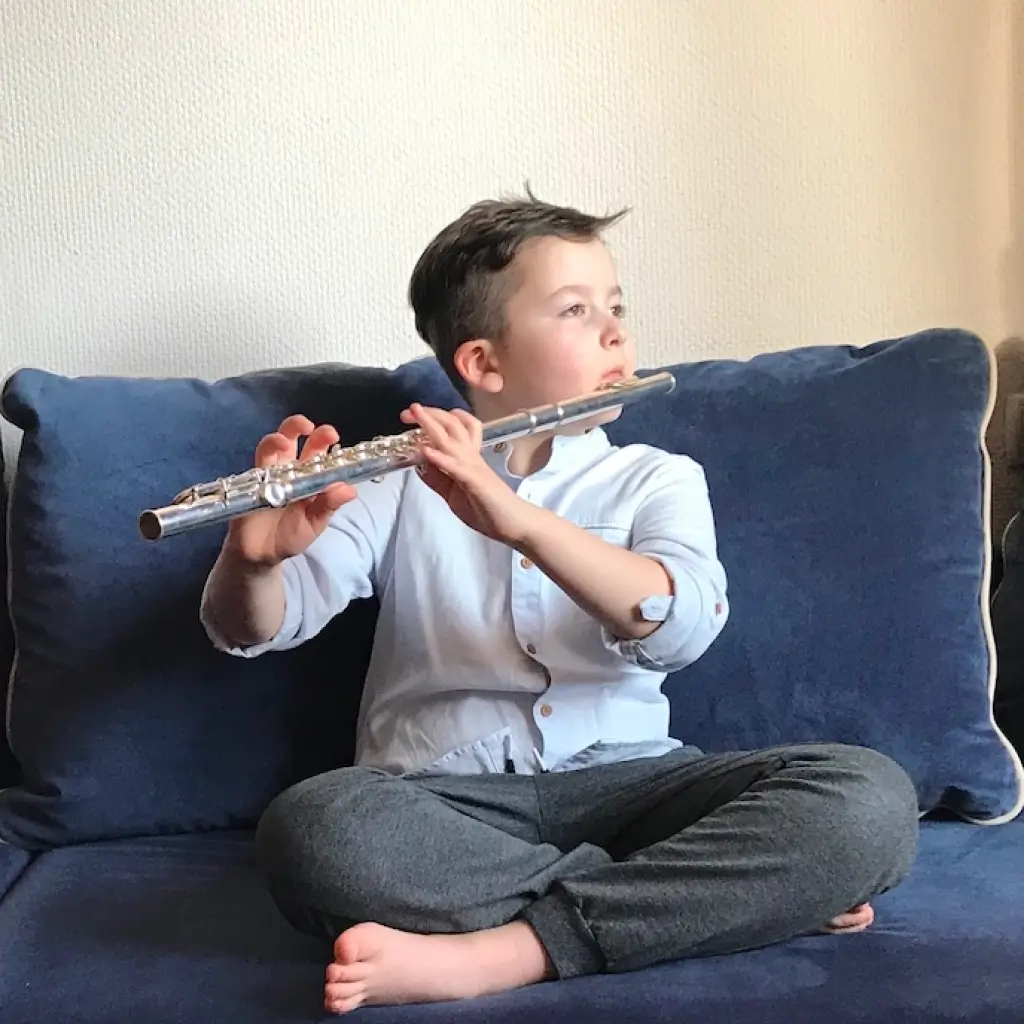
The flute is often described as one of the most expressive instruments ever created. Its sound has a lightness that can feel almost like birdsong, yet it also carries the strength to project through an entire orchestra. Unlike instruments that take months before a pleasing sound emerges, even beginners on the flute can experience a clear, melodic tone fairly quickly. That early success builds excitement, which motivates students to keep learning. For many children, hearing a beautiful phrase they created themselves is the spark that turns a lesson into a lifelong passion.
Easy to Carry, Easy to Practice
When families are choosing an instrument for their child, practical concerns matter. The flute has an enormous advantage here-it is small, lightweight, and portable. There’s no need for a van to transport it, no expensive cases with wheels, and no challenges fitting it into a school locker. Students can carry it in their backpack, making it part of their everyday life. That convenience means practice is never far away. Children can take out their flute after school, during a free moment at home, or while traveling. Parents often find that this ease of access helps children stay consistent with practice, which is the foundation of steady progress.
A World of Musical Styles
The flute has a special gift: it belongs everywhere. In classical music, it is treasured for its ability to carry soaring melodies with elegance. In folk traditions across the world, from Celtic to Indian, the flute takes center stage as a storyteller of culture and history. In jazz, it adds sparkle and improvisational energy. Modern film scores often use it for atmospheric color, and even pop music has welcomed its bright tone. For students, this range of possibilities keeps learning fresh. A child who begins with a simple Bach piece may later discover joy in Latin American rhythms or a contemporary soundtrack. The flute never limits imagination.
The Power of Breath and Posture
To play the flute, the body itself becomes part of the instrument. Every note is shaped by breath. This makes playing a powerful way to build lung strength and awareness of breathing. Young learners quickly discover that posture, focus, and calm control of their breath create the best sound. Over time, they develop habits of standing tall, sitting upright, and controlling airflow-all of which support both music and everyday health. Parents often notice the positive effect this has on children’s stamina, focus in class, and even their ability to manage nerves in other areas of life.
Learning Through Instant Feedback
One of the most rewarding aspects of the flute is how directly it responds to the player. A clear, ringing note tells the student they are doing things right, while a breathy or unstable sound shows what needs adjusting. This immediate feedback makes learning interactive and engaging. Children quickly learn to listen closely, self-correct, and celebrate small improvements. The cycle of effort, adjustment, and success fosters resilience and patience. Over time, these lessons in persistence become part of who they are, shaping a mindset that values hard work and steady growth.
Confidence as a Soloist and Team Player
The flute encourages independence and teamwork in equal measure. As a solo instrument, it gives students the thrill of standing in the spotlight, carrying melodies with confidence and expression. At the same time, it blends beautifully with other instruments in ensembles, school bands, and orchestras.
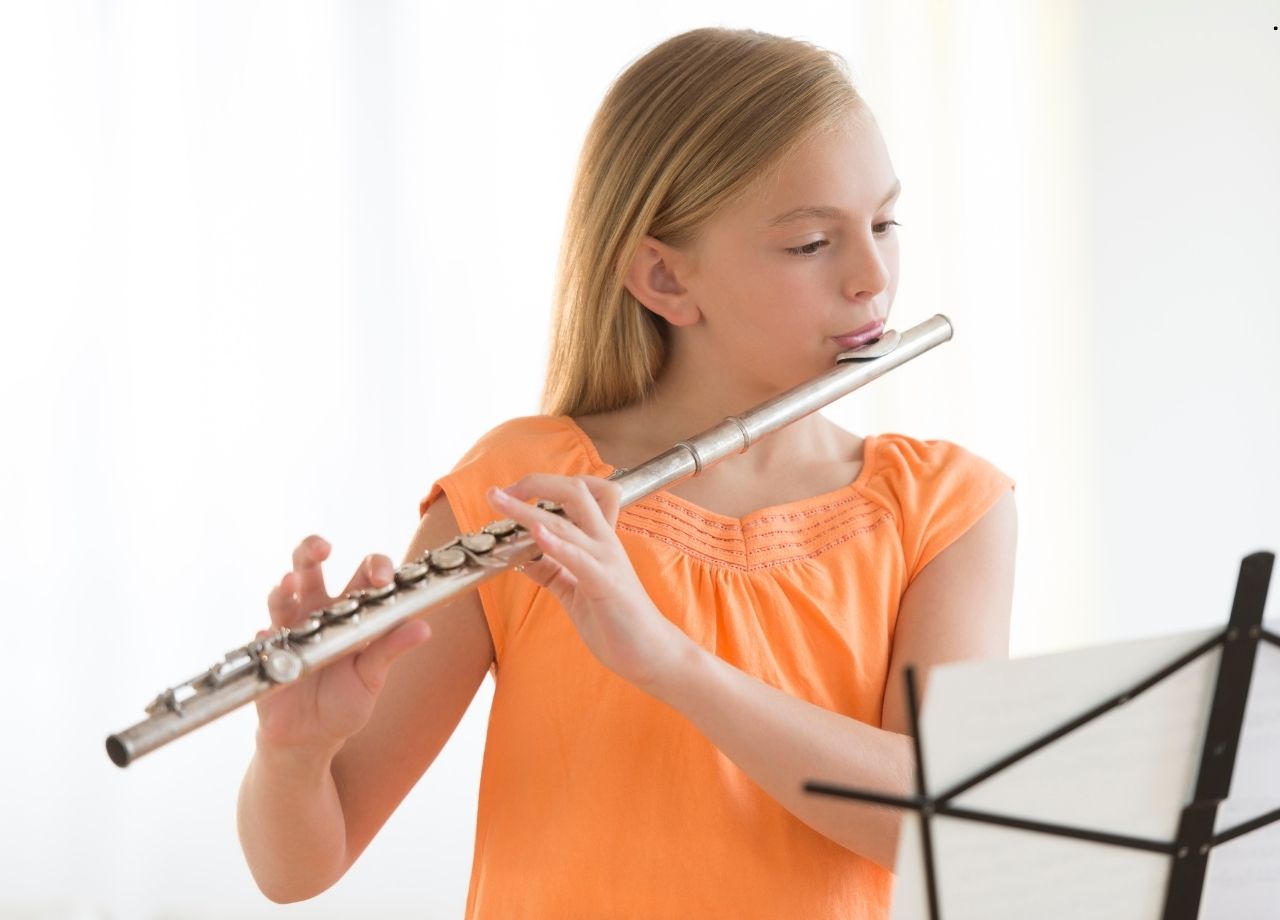
Students learn the joy of sharing music with others, listening carefully, and adjusting their sound to complement the group. This balance of solo performance and collaboration nurtures confidence, adaptability, and social skills that extend well beyond music.
Sharpening Focus and Building Academic Strength
The process of reading music and playing the flute is a workout for the brain. Students must coordinate breath, finger movements, rhythm, and musical expression all at once. This challenges memory, concentration, and multitasking skills in a way that is both enjoyable and effective. Many parents notice improvements in academic performance when their children study an instrument. The discipline of practice encourages organization, while the mental agility required for music often strengthens problem-solving and learning abilities in subjects like math and language.
Music That Stays for Life
The flute is not just an instrument for childhood-it is a companion that can remain for decades. Children can begin with curved headjoints designed for smaller arms and hands, then grow into full-sized flutes as they mature. Adults can return to the flute years later and find it just as rewarding. Its portability and relatively gentle physical demands mean it is accessible at any age. Whether a student dreams of a career in music or simply seeks a creative hobby, the flute offers a lifelong source of joy and self-expression.
The Stage as a Teacher
Performing with the flute offers lessons that no classroom can match. Students learn how to manage stage fright, focus their energy, and present themselves with poise. Each recital or exam becomes a milestone, showing them the progress they have made. Parents often see their child stand taller, speak with more assurance, and carry themselves with greater confidence thanks to these experiences. The growth that comes from performing music extends far beyond the stage, preparing students for interviews, presentations, and challenges later in life.
Why Structured Lessons Matter
Although the flute is approachable, it flourishes under guidance. A skilled teacher not only explains technique but also encourages creativity, discipline, and joy in learning. At Ballet Centre Dubai, children and adults can explore Trinity and ABRSM flute lessons that prepare them for international exams, guided by experienced instructors who nurture both talent and confidence. Families value the Centre’s flexible payment plans, KHDA approval, and welcoming environment. The option of free trial classes makes it easy to begin this journey, giving every student the chance to discover whether the flute feels right for them.
Music as Personal Expression
Perhaps the most remarkable gift the flute offers is the ability to express emotions without words. Its voice can shift from bright and playful to soft and contemplative, giving students a channel to share feelings they might not otherwise put into speech. For many, the act of playing becomes a form of relaxation, a way to process emotions, or even a daily ritual of calm. The flute turns practice into more than skill-building-it becomes an art of communication, joy, and self-discovery.