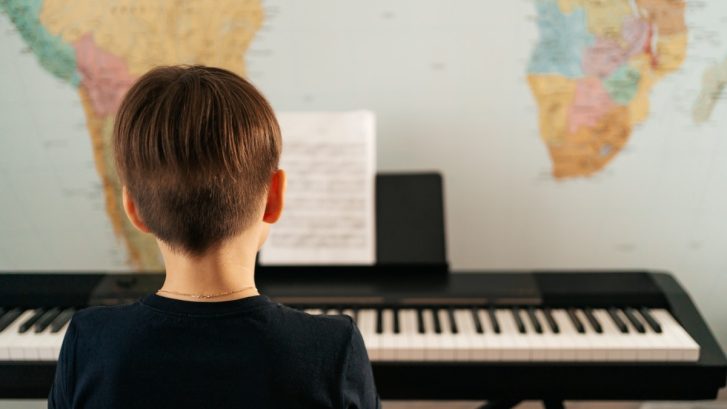
School boy playing piano at home

Why Every Child Should Try Keyboard Lessons

Music opens doors to worlds of creativity and intellectual growth, and for children, learning to play an instrument like the keyboard can be a launching pad into a wide range of developmental benefits. This post will explore how keyboard lessons can enhance cognitive, emotional, and educational facets of a child’s life.

The Benefits of Keyboard Lessons for Children

Engaging children in keyboard lessons doesn’t just prepare them to perform tunes; it fundamentally enhances their cognitive abilities. As kids learn to read music and translate it into hand movements on the keyboard, they are actively improving their memory and attention to detail. These skills aren’t confined to music alone; they spill over into academic performance, helping children excel in areas requiring intense focus and memory, such as mathematics and reading.

Moreover, the act of playing the keyboard involves a complex coordination of actions—reading musical notation, timing finger movements, and interpreting rhythm. This multitasking challenges the brain, fostering a child’s ability to manage multiple activities and thought processes at once. It’s a kind of mental workout that enhances overall cognitive flexibility, a vital skill in both academic and everyday settings.

Emotional Growth Through Music

Music inherently carries emotional weight, and learning to play the keyboard allows children to express feelings they might not otherwise articulate. The emotional release of playing music can be a substantial relief for many children, providing a healthy outlet for stress and anxiety. This is particularly beneficial in today’s fast-paced world, where children face various pressures from school and social interactions.

Furthermore, achieving small goals, such as mastering a new song or progressing to a more challenging piece, builds self-esteem. Each milestone in their musical journey can boost a child’s confidence, not just on the bench in front of the keyboard, but in other areas of life where self-assurance plays a critical role.

Educational Advantages

Music education, particularly through keyboard lessons, is linked to enhanced academic skills. Children who study music often develop better language skills; they pick up on nuances in spoken language more quickly, a byproduct of learning to identify tones and rhythms in music. This enhanced auditory skill translates to better reading abilities and linguistic prowess over time.

Additionally, the mathematical aspect of music—counting beats, subdividing rhythms, and understanding scales—can improve a child’s numeracy and reasoning skills. These are not just useful for academic success but are essential life skills that will benefit them beyond school.

Keyboard lessons also provide an excellent foundation for music theory, introducing children to basic concepts that are vital for any further musical study. Understanding scales, chords, and harmonies on the keyboard can be a stepping stone to learning other musical instruments, as the keyboard layout visually represents the way notes are structured, which can simplify the learning process of other instruments.

Physical Coordination

Keyboard playing is not just an auditory and cognitive challenge; it’s also a physical one. The demands of coordinating both hands independently on the keyboard can significantly improve a child’s fine motor skills. These skills are crucial in everyday activities, from writing to tying shoelaces, and they require precise small muscle control which is honed through music practice.

Additionally, learning to play the keyboard requires a rhythm and timing that helps children develop their overall coordination. The need to synchronize their finger movements with the musical tempo teaches children about timing and sequence, which can aid in other activities that require physical synchronization, such as sports or dance. This level of physical development goes hand-in-hand with cognitive growth, creating a holistic developmental process that enhances a child’s agility and mental acuity.

Accessibility and Affordability

One of the great things about keyboard lessons is their accessibility. Keyboards come in various sizes and models, which makes finding an instrument that suits any living space and budget much easier compared to larger or more expensive instruments like cellos or saxophones. This ease of access opens up musical education to a wider audience, allowing children from diverse backgrounds to embark on learning music.

The keyboard is a particularly versatile instrument as well. It allows students to explore a variety of musical styles—from classical to pop, jazz to electronic music. This versatility keeps the learning process exciting and engaging for children, who can experiment with different sounds and styles that resonate with their personal tastes and cultural backgrounds. Furthermore, electronic keyboards often have built-in learning tools, such as light-up keys and digital displays that show chords and notations, which can make the initial learning phase less daunting for beginners.

Moreover, the investment in a keyboard can be quite cost-effective over the long term. Many models are durable and require minimal maintenance, unlike many other instruments that may need regular professional servicing. The availability of second-hand instruments and rental options also makes it easier for parents to accommodate their child’s growing interest in music without committing a substantial financial outlay upfront.

Long-Term Benefits

Engaging children in keyboard lessons can lead to lifelong benefits. For one, it instills a deep appreciation and understanding of music that can enrich personal and social life. Adults who learned music as children often continue to use it as a source of relaxation and joy throughout their lives, and they have a ready-made hobby that can also serve as a social activity.
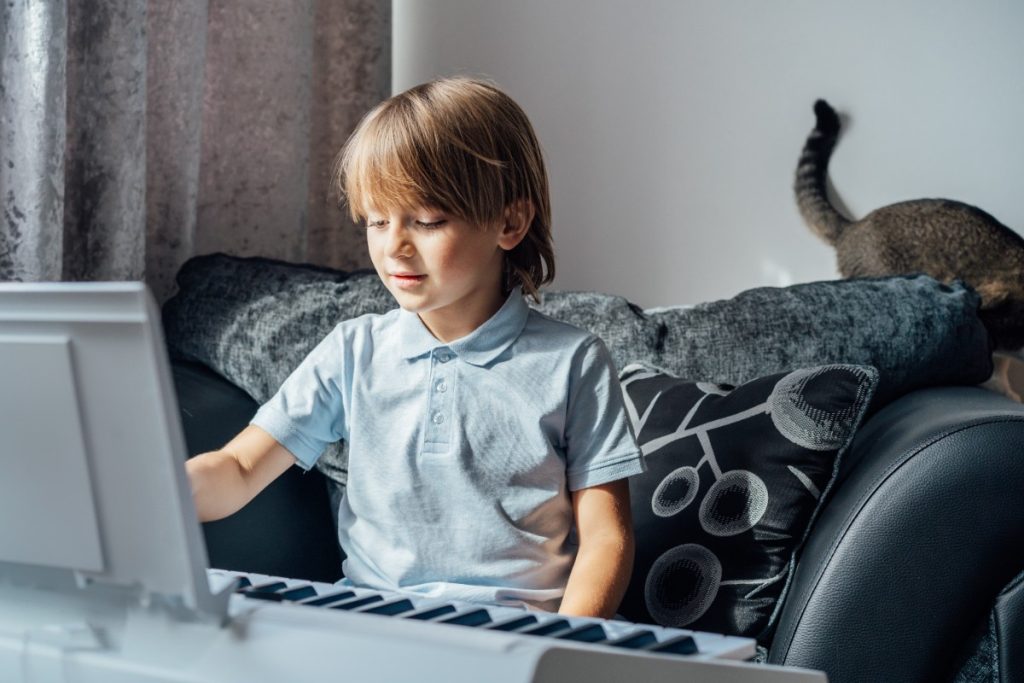
Small boy playing electric piano making music home leisure activity growing up education

Moreover, the discipline and persistence required to learn and master an instrument like the keyboard are invaluable life skills. Children learn about setting goals, practicing diligently, and the satisfaction of achieving their objectives. These skills are applicable to many areas of life, including academic and career pursuits.

Studies have shown that those who engage in music education often maintain sharper cognitive functions as they age. The mental demands of playing music, such as memorizing pieces and performing, can fortify the brain against cognitive decline. This aspect suggests that the benefits of keyboard lessons can extend far beyond childhood, offering advantages well into adulthood and older age.

Keyboard Lessons For Your Child

The Ballet Centre Dubai is the perfect destination for keyboard lessons, offering a holistic approach that nurtures your child’s musical talent and personal growth. With experienced instructors and a welcoming environment, the Centre combines technical training with a focus on creativity and fun. Their commitment to individualized learning ensures that each student not only masters the keyboard but also builds confidence, discipline, and a lasting love for music.

Conclusion

Exploring the world of music through keyboard lessons offers more than just an artistic outlet for children; it fosters a suite of skills and experiences that contribute to personal and intellectual development. From enhancing cognitive abilities and emotional intelligence to improving physical coordination and providing cost-effective, versatile learning options, keyboards open up a world of possibilities.

So why not give your child the opportunity to experience the joys and benefits of playing the keyboard? It’s an investment in their future that goes beyond just music, nurturing skills and qualities that will serve them throughout life. Grab a keyboard, and let’s make some music!
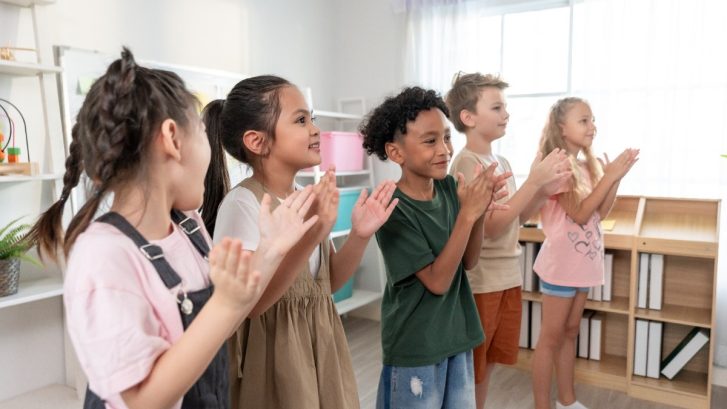
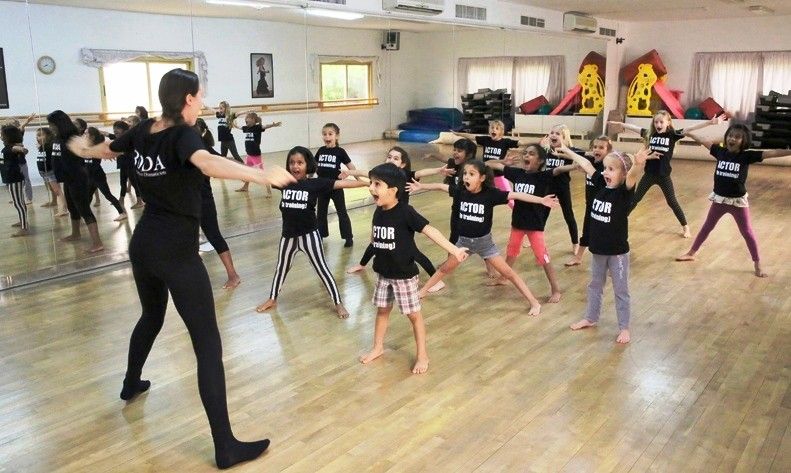
Children standing beside each other and clapping hands

Discover the Joy of Performing Arts for Your Child

Engaging children in performing arts is more than just an extracurricular activity—it’s a powerful tool that enhances their development across several key areas. Whether your child takes an interest in music, dance, or drama, the skills they gain extend far beyond the stage.

The Benefits of Performing Arts for Children

When children participate in performing arts, they experience significant cognitive growth. Activities like memorizing lines for a play or following dance routines improve memory and concentration. These artistic endeavors also encourage children to solve problems creatively, which is a skill they can apply in academic settings and everyday life. For instance, figuring out how to express a character’s emotions or move to a piece of music fosters an innovative way of thinking that is highly valued in all walks of life.

Emotional and social development is another critical area where performing arts make a significant impact. Participating in a play or a dance recital can do wonders for a child’s confidence. Standing up in front of an audience teaches them courage and resilience, while the applause they receive builds their self-esteem. Moreover, the performing arts are a communal activity. Children learn to collaborate with their peers, navigate social interactions, and develop friendships that often last beyond the stage. They learn empathy by stepping into another person’s shoes, literally and figuratively, which enriches their understanding of diverse human emotions and situations.

Physical development is also a key benefit, especially in dance and theatre. These activities require a range of movements that help children improve their physical coordination, balance, and flexibility. Regular practice also promotes general fitness and health, which is essential during the formative years of a child’s growth.

Choosing the Right Discipline

Exploring the various forms of performing arts is the first step in recognizing where your child might thrive. Dance, music, and drama each offer unique experiences and cater to different interests and abilities. For example, a child who enjoys storytelling and character play may find their niche in drama, while one who is always moving and grooving could be more suited to dance.

Assessing your child’s interests can be as simple as noting what they are drawn to during their free time. Do they enjoy banging on pots and pans, or do they often make up stories and roles for themselves and their toys? These observations can guide you towards understanding which performing art might engage them the most.

However, practical considerations also play a role. Not all programs are created equal, and factors such as cost, time commitment, and the proximity of classes can all influence your decision. It’s important to find a balance between nurturing your child’s artistic interests and managing other responsibilities and commitments.

Getting Started with Performing Arts

Once you have a sense of which performing art aligns with your child’s interests and your logistical needs, finding the right program is crucial. Look for schools that not only teach the skills but also foster a supportive and encouraging environment. Speak with instructors and other parents to get a feel for the community and ethos of the program. Are the teachers passionate and knowledgeable? Is there a focus on not just performance, but also on learning and enjoyment?

Starting at home is also a great way to cultivate an interest in the arts. Simple activities like playing music at home, creating DIY costumes, or setting up a mini stage for impromptu performances can spark an interest and build excitement around the arts.

Overcoming Challenges

One of the most common issues children face in performing arts is stage fright. The fear of performing in front of an audience can be daunting. It’s natural for a child to feel nervous about sharing their work with others, whether it’s their first recital or their tenth. Encouraging your child to express their feelings and fears without judgment allows them to confront these emotions rather than avoid them. Practicing performances in a safe and familiar environment can help alleviate some of this anxiety by making the unfamiliar, familiar.

Frustration is another challenge, especially when children struggle to master a particular skill or feel they aren’t keeping up with their peers. This is where the role of parents becomes crucial. It’s important to emphasize effort over perfection and to celebrate small victories along the way. Reminding your child that every artist progresses at their own pace helps maintain their motivation and keeps the focus on personal growth rather than comparison.

Peer pressure can also play a role in how children feel about participating in the arts, particularly as they grow older. Friends might influence their views on what activities are “cool” or worth their time. Here, parents can help by reinforcing the value of following one’s interests and passions, regardless of what others may think. Highlighting stories of successful people who overcame similar pressures can also provide a fresh perspective and encouragement.

The Role of Performing Arts in Overall Child Development

The impact of performing arts goes beyond the immediate skills learned. It plays a significant role in the overall development of a child, shaping them into well-rounded individuals. Through performing arts, children learn to communicate more effectively, not only through words but through non-verbal expressions as well. They develop a sense of rhythm and timing, which helps in all forms of communication.

Moreover, the arts provide a unique outlet for emotional expression. Children often struggle with how to express complex feelings, and performing arts give them a way to explore and express these emotions safely and constructively. Whether it’s through a dramatic character or a soulful dance, the arts can be a conduit for understanding and managing emotions.

The collaborative nature of most performing arts also teaches children about teamwork and respect for others. Working together towards a common goal, such as a theater production or a dance recital, fosters a sense of community and belonging. These experiences teach children how to listen, share ideas, and support their peers, which are invaluable life skills.

Supporting Your Child Through Challenges

Parents play a crucial role in helping children navigate the ups and downs of their artistic pursuits. Being actively involved, whether by attending rehearsals and performances or discussing their progress and setbacks, shows that you value their efforts and dedication. This support is a powerful motivator for children, reinforcing that their pursuits are worthwhile.

Another way to support your child is by creating a structured routine around their arts practice. Consistency helps build discipline, which is essential for artistic growth. However, it’s also important to ensure that this routine does not become burdensome. Balancing practice with free play and relaxation prevents burnout and keeps the joy in the artistic journey.

Finally, providing emotional support when things get tough is key. Listen to your child’s concerns and take them seriously. Help them strategize ways to overcome obstacles, whether they need more practice, different techniques, or just a break. Your involvement and encouragement can make a profound difference in their artistic journey and personal development.

The Role of Performing Arts in Overall Child Development

Performing arts play a critical role in nurturing well-rounded individuals. These activities help children develop crucial life skills, such as time management, responsibility, and the ability to work under pressure. As children engage in regular rehearsals and live performances, they learn to manage their time effectively, prioritize tasks, and perform well even in stressful situations—skills that are valuable in academic settings and future careers.

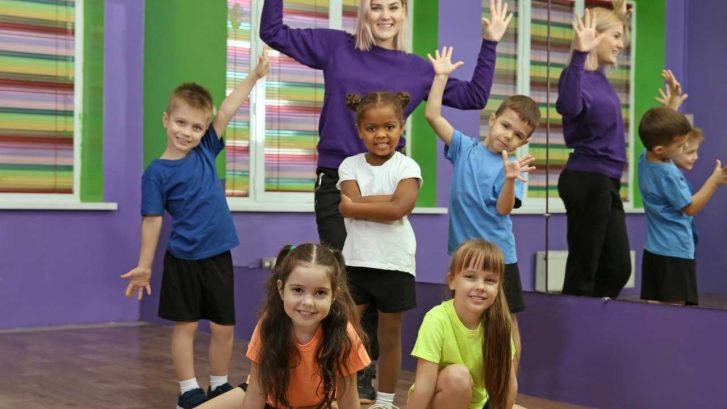
Teacher and toddlers in class as they mimmick what the teacher is doing

Moreover, the arts instill a deep sense of cultural appreciation. Children exposed to different types of music, dance, and drama gain an understanding of and respect for diverse cultures and traditions. This broadened worldview can inspire creativity and innovation, and foster a lifelong appreciation for the arts and humanities.

Conclusion

Performing arts offer a multifaceted benefit to children, aiding their development in emotional, social, and cognitive realms. By participating in these activities, children not only enhance their artistic skills but also cultivate important personal qualities and life skills.

If your child shows any interest in the arts, why not explore local performing arts schools like the Ballet Centre Dubai or community programs? It could be the first step in a rewarding journey that contributes significantly to their growth and development. Dive in, and watch them flourish in ways you might never have anticipated!

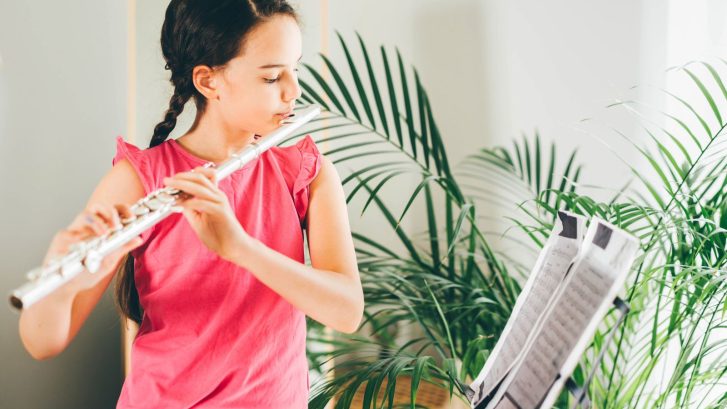
Young girl playing flute while reading music sheet

The Flute: A Gateway to Your Child’s Musical Journey

Introducing your child to the world of music through the flute can be a rewarding decision that impacts their development in profound ways. The flute, with its melodious tones and historical significance, is not just an instrument but a tool that can help shape your child’s cognitive, emotional, and social abilities.

The Benefits of Learning the Flute

When children begin to play the flute, they’re not just learning to make music; they’re embarking on a journey that enhances their cognitive development. The act of reading music sheets transforms into a complex exercise in memory and concentration as they must remember various note positions and fingerings while also processing rhythmic timing and pitch variations. This musical multitasking effectively exercises the brain, leading to improved overall mental function.

Moreover, playing the flute can be a significant emotional outlet. The soft, soothing sounds produced can serve as a form of emotional expression, providing children with a way to communicate feelings they might not yet have the words for. This emotional fluency can be a great source of comfort and a healthy way to manage feelings of stress or sadness.

Socially, the flute opens up numerous doors for engaging with others. Whether it’s joining a school band, a community orchestra, or just participating in group classes, children gain opportunities to meet and collaborate with peers who share similar interests. This interaction helps nurture essential social skills like teamwork, communication, and empathy, as they work together to create harmonious music.

Choosing the Right Flute for Your Child

Selecting the appropriate flute is crucial in ensuring that your child’s musical experience is both enjoyable and conducive to learning. Flutes come in various sizes and types, each suitable for different age groups and levels of proficiency. For younger children, a lightweight flute with curved head joints can make playing easier and more comfortable, reducing strain on their developing bodies.

Materials also play a significant role in selecting a flute. Options range from durable nickel silver flutes for beginners, which are easier to handle and maintain, to more advanced silver flutes that produce a richer sound but require more careful handling. When considering a flute, think about your child’s commitment level and your budget, as these factors will guide you in choosing an instrument that’s a good fit for both your child’s needs and your financial considerations.

Getting Started with Flute Lessons

Once the perfect flute has been chosen, the next step is finding a suitable teacher. A good teacher does more than instruct; they inspire and adapt their teaching methods to fit the individual learning style of each student. Look for teachers with experience teaching young students and a gentle, encouraging teaching style that aligns with your child’s personality and musical goals.

Setting up a practice routine is also essential. Regular practice is key to progression but it’s important to keep the routine flexible and fun. Encourage your child by setting realistic practice times and celebrating small achievements along the way. This not only helps in building their skills but also their confidence and enjoyment of playing.

Overcoming Common Challenges

Learning to play the flute comes with its own set of challenges, particularly for younger students. The physical aspects of playing, such as mastering the correct finger placement, breath control, and maintaining the right posture, can be demanding. It’s normal for children to feel a bit overwhelmed at first as they coordinate their fingers, breathe, and read music simultaneously.

To help your child overcome these physical hurdles, it’s crucial to ensure they have access to a properly sized flute. A flute that is too large or too heavy can make learning difficult and uncomfortable. Encourage them to take frequent breaks during practice sessions to prevent fatigue and frustration. Also, investing in a few lessons focusing solely on posture and breathing techniques can provide a solid foundation that makes the other aspects of playing much easier to manage.

Motivation is another common challenge. It’s natural for enthusiasm to wane, especially when progress seems slow. To keep your child motivated, set small, achievable goals that lead to a sense of accomplishment. Celebrate these milestones, no matter how small, with a special treat or a day off from practice. Additionally, incorporating a variety of music genres that they enjoy can keep the practice sessions fresh and exciting. Listening to accomplished flutists or attending live music performances can also reignite their passion and provide a burst of inspiration.

The Role of Parents in the Musical Journey

As a parent, your role in your child’s musical journey is pivotal. Your support and encouragement can make a significant difference in their musical education. Show genuine interest in their progress by attending their recitals and practice sessions. Listening to them play and providing positive feedback is crucial, even if you’re not musically inclined yourself.

Being involved doesn’t mean you need to hover over every practice session, but being present at key moments to celebrate their progress or to comfort them when they’re struggling can help them persevere. Remember, the goal is to help your child build confidence and independence through their musical journey, so offering support without imposing too much pressure is key.

Encourage other family members to get involved as well by having them attend recitals or performances. Creating a family environment that values music can further inspire your child and make them feel proud of their achievements.

Making Flute Practice Fun and Engaging

Keeping flute practice enjoyable and engaging is essential for sustaining interest and commitment. Consider integrating technology, like apps and online tutorials, that make learning interactive and fun. These tools often use games and challenges that can help sharpen skills in a playful and engaging way.

Another approach is to let your child have a say in the music they play. While classical music is a significant part of flute learning, introducing them to contemporary songs or movie soundtracks can diversify their practice sessions and keep them engaged. Occasionally, let them choose a piece to learn; this gives them a personal stake in their practice and makes the process more rewarding.

Group lessons or ensembles are also fantastic for making music socially enjoyable. Playing with others not only improves musical skills but also enhances social skills. It introduces an element of teamwork and gives them an opportunity to connect with peers who share their interests.

Support and Encouragement from Parents

Your involvement in your child’s flute journey is more than just logistical; it’s emotional. Kids often look to their parents for cues on how to react to new challenges. If you show excitement and positivity about their progress and efforts, it reinforces their own desire to continue and improve. Make it a point to listen to them practice occasionally without giving criticism, showing that you value their effort over perfection.

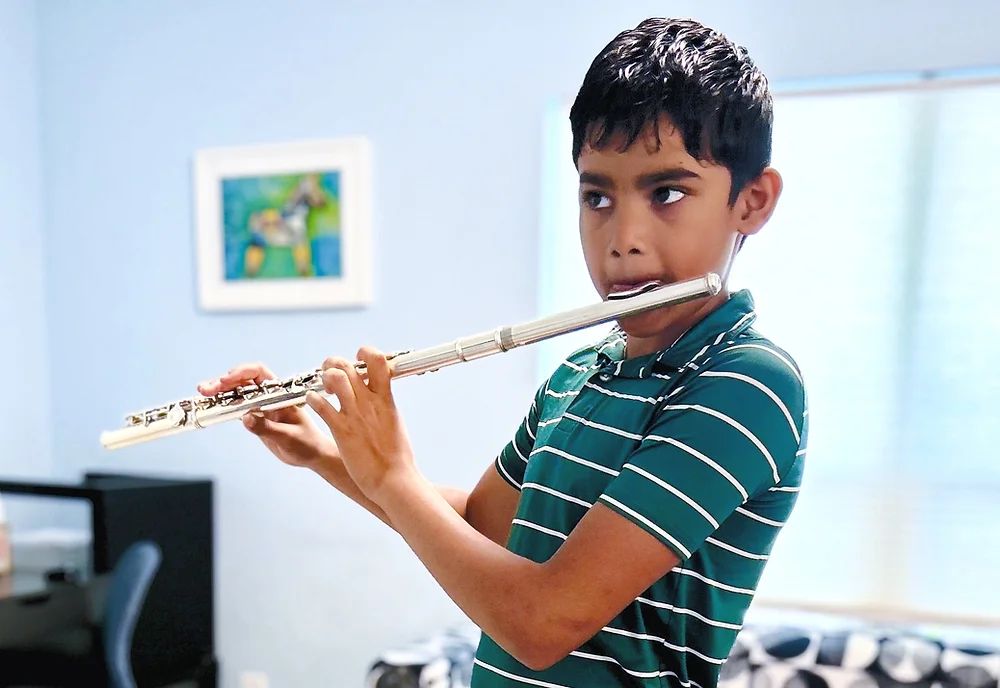
Young boy playing flute while focusing on reading music sheet

Creating a musical atmosphere at home can also be very beneficial. Play a variety of music, not just flute music, to foster an appreciation for different genres and instruments. This broader musical exposure can enhance your child’s understanding and enthusiasm for music as a whole.

Practical Parental Involvement

Besides emotional support, practical involvement is also crucial. Help your child keep track of practice times and ensure they have a quiet, comfortable place to practice. You might also need to coordinate with music teachers and stay on top of their music-related events. Taking an active role in managing the logistical aspects of your child’s musical education can help them focus more on the joy of playing and less on the stresses of scheduling and preparation.

Why the Ballet Centre Dubai Is Perfect for Young Flutists

At the Ballet Centre Dubai, children are not just learning to play the flute—they’re stepping into a nurturing environment designed to inspire creativity and foster growth. With experienced instructors who specialize in teaching young musicians, the Centre combines technical expertise with a fun and engaging approach.

The focus isn’t just on playing notes but on developing a deeper appreciation for music, building confidence, and encouraging self-expression. Whether your child is a beginner or looking to refine their skills, the Ballet Centre provides a supportive space equipped with resources to help them thrive musically and personally.

Conclusion

The flute can be a wonderful entry point into the world of music for your child, providing not just skills in music but also enhancing personal growth and development in many subtle ways. From cognitive benefits to emotional and social growth, the skills gained through this journey extend far beyond the music room.

So why not explore flute lessons for your child? It’s a chance to ignite a lifelong passion for music and give them the tools to express themselves in unique and fulfilling ways. Plus, it’s an opportunity for you to bond with your child over shared musical experiences. Let’s make music a valuable part of their world, contact us today.

A child sitting in front of a keyboard smiling while holding a certificate

The Magic of Singing Lessons for Children

Music education holds a unique position in child development, offering more than just an artistic outlet; it fosters various skills that can benefit children throughout their lives. Singing lessons, in particular, play a significant role in this developmental journey. They’re not just about learning to carry a tune; they can enhance a child’s cognitive, emotional, and social abilities. Let’s explore why incorporating singing lessons into your child’s routine can be a wise decision, starting from the basics to their broader benefits.

Understanding the Basics of Singing Lessons for Children

Singing lessons might conjure images of vocal scales and children singing folk songs, but they encompass much more. These lessons introduce children to the basics of music, including rhythm, pitch, and melody, and help them apply these elements through their voices. While children can start learning music at any age, singing lessons are particularly impactful when started early. Most educators suggest that children can begin formal singing training around the age of six or seven, which coincides with their developing cognitive abilities and increased ability to follow instructions.

A typical singing lesson includes a variety of activities designed to engage and challenge young learners. It usually starts with vocal warm-ups, which are crucial for protecting the voice and enhancing vocal range. Next, vocal exercises help in developing pitch accuracy, breath control, and sound projection. Finally, applying these skills to songs allows children to practice what they’ve learned in a fun and enjoyable way. This structured approach ensures that each lesson builds on the previous one, fostering a gradual and sustained learning process.

Cognitive Benefits of Singing Lessons

Beyond the music sheet, singing lessons can significantly impact a child’s cognitive development. Engaging with music has been shown to enhance memory skills. A child remembering lyrics and melodies exercises their short-term and long-term memory, akin to how puzzle-solving does. Moreover, singing can improve language skills. Learning songs increases vocabulary and understanding of language structures, which translates into better reading abilities and more effective communication.

Furthermore, singing nurtures creativity. Children interpret songs, express them in their unique way, and even improvise. This creative engagement boosts their ability to think outside the box and come up with original ideas. By engaging different parts of the brain, singing helps children develop complex problem-solving skills early in life.

Emotional and Social Advantages

The emotional benefits of singing are as significant as the cognitive ones. For many children, singing serves as a natural outlet for expressing feelings. This emotional release is crucial for mental health and developing a sense of identity. Regular singing lessons can also boost a child’s confidence. As they master new songs and improve their vocal skills, their self-esteem grows. This confidence can spill over into other areas of their lives, making them more willing to take risks and try new activities.

Moreover, singing has a communal aspect; it often involves group activities like choirs or performances. Participating in these groups teaches children valuable social skills such as cooperation, listening, and sharing. They learn to work as a team and appreciate the contributions of others, which are essential skills in both school settings and later life. The supportive atmosphere of singing classes also helps children form friendships based on shared interests, providing them with a sense of belonging and community.

Physical Health Benefits

Singing is physically demanding. It’s an engaging activity that exercises major muscle groups in the upper body, including the lungs, diaphragm, and posture-supporting muscles. Proper singing techniques require deep breaths and controlled exhalation, which improves lung capacity and oxygenation of the blood. This isn’t just good for singing; it benefits overall health and can even improve athletic performance.

Good posture is another physical benefit of regular singing lessons. Children learn to stand or sit straight with aligned shoulders, which is crucial as they grow. Maintaining good posture not only helps with singing but can also prevent common problems like back pain later in life. Moreover, the deep breathing involved in singing helps reduce stress. It’s a natural relaxant, so children who sing regularly might find themselves feeling calmer and more collected, even in stressful situations.

Long-Term Impact of Singing Lessons

Investing in singing lessons can have lasting benefits for a child’s development. First, it cultivates a lifelong love for music. Children who take singing lessons often continue to engage with music, whether as a hobby or professionally, throughout their lives. This ongoing engagement can enhance their quality of life and provide a continuous source of joy and fulfillment.

Furthermore, singing lessons can open doors to further musical education and career opportunities. Skills developed during these early lessons can be foundational for children who later want to pursue music in a more serious capacity, whether in performance or education. But the benefits of singing lessons aren’t just about music. They also foster life skills such as discipline and patience. Learning to sing well requires regular practice and perseverance, qualities that are applicable in every area of life.

Moreover, the self-discipline and focus needed to learn and perform music can translate into better performance in school. Studies have shown that children who are involved in music education often do better academically. This could be due to the enhanced memory and concentration skills that music training promotes.

Choosing the Right Singing Lessons for Your Child

Finding the right singing teacher or music school is crucial. It’s important to look for a program that not only teaches singing techniques but also fosters a love of music. A good teacher should be able to connect with children and make the learning process enjoyable and rewarding. They should offer encouragement and constructive feedback, helping students overcome challenges and celebrate their achievements.

When selecting a singing program, consider your child’s personality and interests. Some children might thrive in a structured, traditional learning environment, while others might do better with a more playful, flexible approach. Additionally, consider the logistical aspects such as location, class size, and schedule to ensure that the lessons fit well with your family’s routine.

Development of Lifelong Skills

Through singing lessons, children gain more than just the ability to sing beautifully; they develop skills that serve them for life. Discipline, focus, and patience learned from mastering musical pieces become ingrained traits that benefit children in all areas of their lives. Additionally, these lessons foster emotional intelligence. Being able to express and manage their feelings through music helps children handle social situations and personal challenges with greater ease.

Music education also encourages children to pursue excellence, teaching them that progress is the result of consistent effort and dedication. This understanding helps cultivate a resilience that can help them navigate the ups and downs of life. As children grow and continue their music education, these values become integral parts of their character, often reflecting in their academic and personal achievements.

Pathways to Further Opportunities

For children captivated by their musical pursuits, singing lessons can be the first step toward a vibrant future in music.

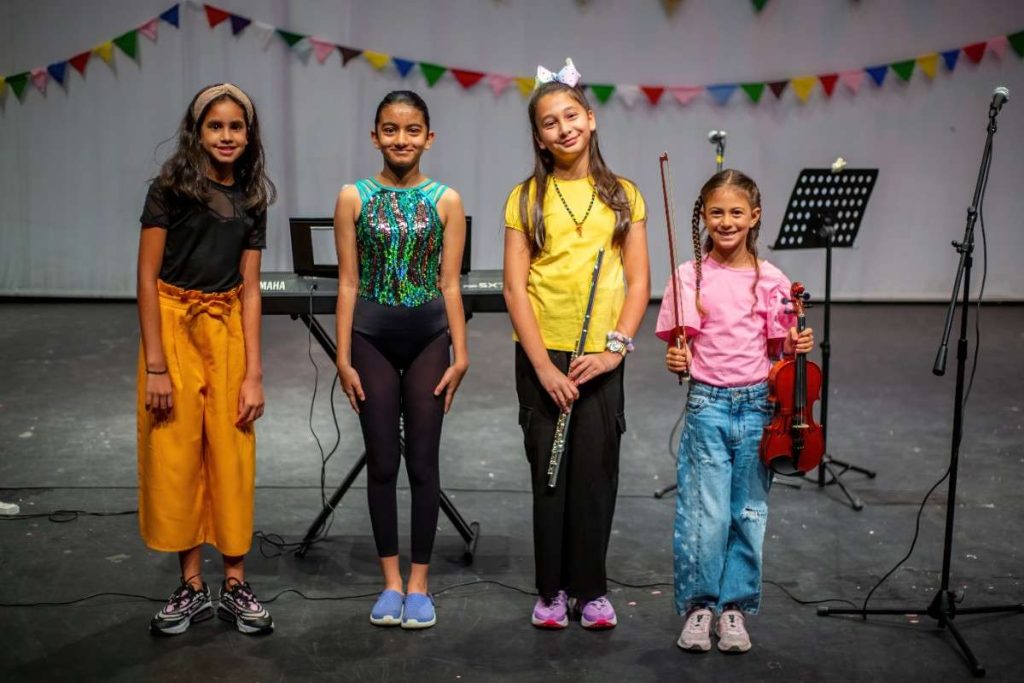
4 young girls smiling with two of them holding musical instruments

These early experiences can spark a passion that leads to advanced studies in music, potentially culminating in professional opportunities in performing, teaching, or even music therapy. The skills gained from singing are versatile and can open doors in many sectors where communication and presentation are key.

Supporting Your Child’s Musical Journey

As a parent, your role in your child’s musical journey is crucial. Choose a program or teacher that aligns with your child’s personality and learning style. Look for positive, nurturing environments that encourage growth and creativity. It’s also important to be actively involved — attending recitals, providing emotional support during practice, and celebrating milestones, no matter how small.

Encouraging regular practice and setting up a supportive practice environment at home can significantly impact your child’s enthusiasm and success in music. Whether it’s dedicating a quiet corner for practice or investing in quality instruments, every little bit helps in making the musical journey enjoyable and fulfilling.

Conclusion

Singing lessons offer much more than an artistic skill—they are a gateway to personal development and lifelong joy. They equip children with essential life skills, boost their academic abilities, and provide a creative outlet to express themselves. If you’re considering enriching your child’s life with music, singing lessons are a wonderful place to start. So why not look into local music schools like the Ballet Centre Dubai or private instructors today? Your child’s musical journey is just waiting to begin, and who knows? It might be the start of something truly special.

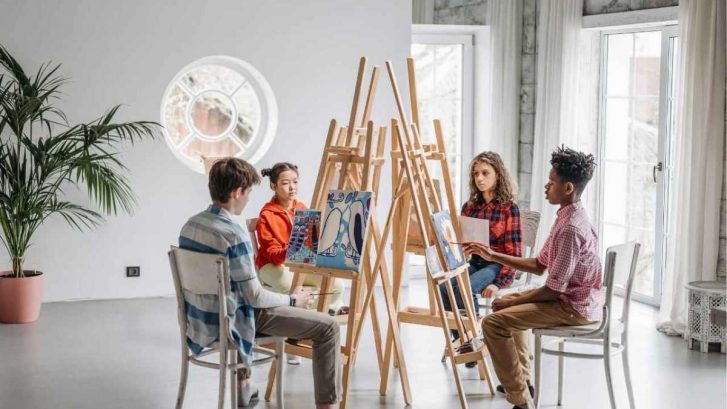
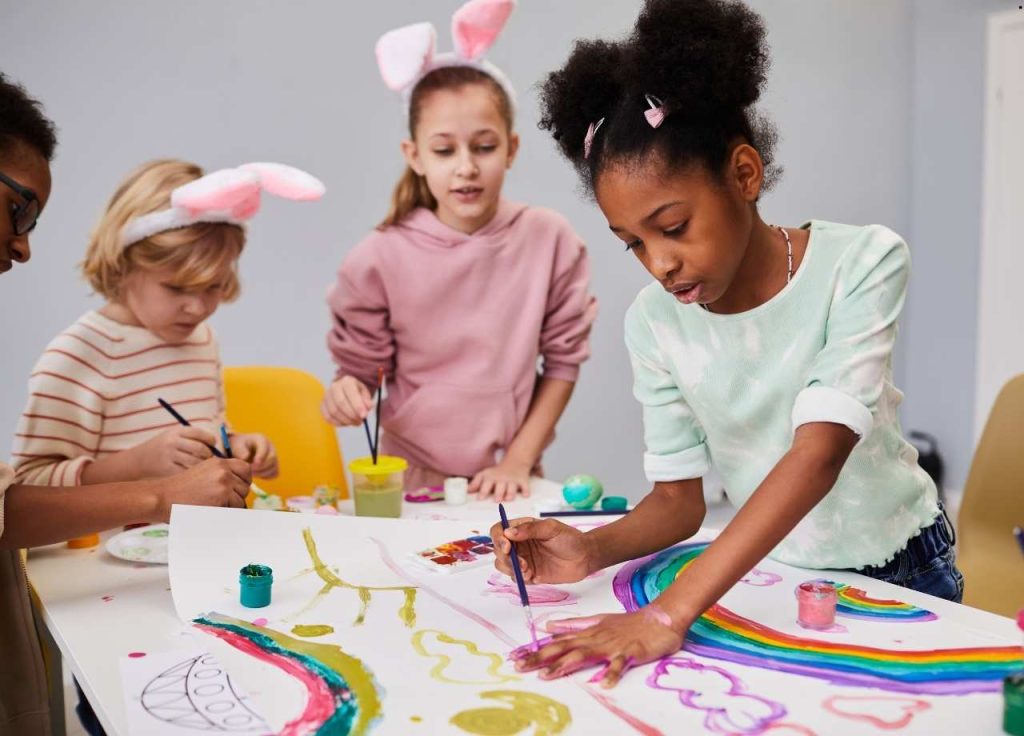
A group of children sitting in front of paintings and painting

Arts and Crafts: Fun and Skill-Building for Kids

Arts and crafts are more than just time fillers for children. They play a significant role in helping kids develop a range of skills that benefit them not only in school but also in life. Whether it’s a toddler sticking shapes onto paper or a preteen building a model airplane, these activities are key to cognitive, physical, and emotional growth. Here’s why they matter so much.

The Benefits of Arts and Crafts for Kids

Cognitive Development

At first glance, a child painting might just seem like a fun activity to pass the afternoon. But look deeper and you’ll see a child making decisions about which colors to choose, figuring out how to solve the problem of a brush that won’t quite reach into a tiny corner, and planning out their work steps. Arts and crafts boost creativity, offering kids a chance to express themselves and think outside the box. These activities require them to recall shapes and colors, processes which enhance memory skills. They also teach children to focus on a task for an extended period, improving their attention to detail and ability to concentrate.

Moreover, when a child engages in crafting, they’re learning to interpret and follow instructions, which are essential skills in any educational or work setting. This not only helps with understanding complex ideas but also with executing tasks effectively. The act of transforming materials into art or a craft project provides a unique sense of accomplishment, boosting their confidence and willingness to tackle new challenges.

Physical Skills

It’s easy to overlook the physical benefits of arts and crafts. However, these activities are instrumental in developing fine motor skills. As children manipulate paper, scissors, and glue, they refine their dexterity and hand-eye coordination. These are the same skills needed for handwriting, tying shoes, and other essential activities.

Crafts often involve a variety of movements such as cutting, drawing, painting, and assembling, which are all excellent for enhancing fine motor prowess. For younger children, these activities are crucial as they learn to control their hand movements and gain strength in their hands and fingers. The repetitive actions involved in crafting, like cutting along lines or assembling beads, reinforce muscle memory, which is fundamental in developing steady and controlled motions.

Emotional and Social Growth

Crafting can be a peaceful, therapeutic activity that allows children to relax and express their feelings through their creations. This emotional exploration is significant as it can help children manage their emotions and cope with different situations. Participating in arts and crafts can also reduce anxiety and promote a sense of calmness.

Moreover, when children work on crafts together, they’re learning valuable social skills. They learn to share resources, take turns, and collaborate on ideas. These interactions foster teamwork and communication skills, which are crucial for their overall social development. By working with others, children learn about respecting different viewpoints and solving conflicts constructively. This shared creativity also strengthens friendships and builds a sense of community among peers.

Age-Appropriate Arts and Crafts Ideas

Crafting projects can and should be tailored to match the developmental stages of children. What works for a toddler won’t necessarily hold the attention of a ten-year-old, nor will it challenge them appropriately. Here’s a breakdown of arts and crafts activities suited for different age groups.

Toddlers (Ages 1-3)

At this stage, children are just beginning to explore their world. Activities for toddlers should focus on simplicity and sensory experiences. Think about projects that let them mess around with large pieces they can easily grasp with their little hands. Using safe, non-toxic materials like large crayons, finger paints, and water-soluble markers are great options. These activities help toddlers develop their color recognition skills and allow them to experience textures. Simple crafts like sticking colorful paper onto pre-drawn shapes can also be very engaging. They help toddlers practice their hand-eye coordination while they learn about different shapes and colors.

Preschoolers (Ages 4-5)

Preschoolers are a bundle of energy and curiosity. They can handle slightly more complex tasks than toddlers. This age is perfect for introducing crafts that involve more steps and require more precision, which aids in refining their fine motor skills. Activities like stringing beads, cutting out shapes with safety scissors, and assembling basic puzzles fit well. These crafts help them learn to follow directions and understand sequences, which are foundational for mathematical thinking and reading skills.

Creating simple gifts or crafts that can be used in play, like masks or hand puppets, gives them a product they can use, which boosts their sense of achievement and pride in their work. Additionally, using crafts to introduce and reinforce academic concepts such as numbers, letters, and simple words can make learning these new ideas more engaging and less intimidating.

School-Age Children (Ages 6-12)

Children in this age group are capable of handling projects that involve multi-step processes and that challenge their problem-solving skills. They can start to work with more diverse materials like clay, fabric, or more advanced craft kits. Projects like building model kits, sewing simple patterns, or even more complex paper mache sculptures are ideal. These activities not only foster creativity and concentration but also encourage perseverance and patience as they work through more challenging projects.

Crafts at this stage can also become more interdisciplinary, incorporating concepts from science, technology, engineering, and math (STEM), such as building a simple robot from a kit or creating a small garden. These projects help children understand how things work and see the practical applications of the concepts they learn at school.

Tips for Setting Up a Crafting Space at Home

Having a designated area at home for arts and crafts can significantly enhance a child’s interest and engagement in creating. It doesn’t need to be large—a corner of a room or a small table will suffice. The key is to make it accessible, inviting, and organized.

Creating a Designated Craft Area

First, ensure the space is safe and kid-friendly. Avoid sharp tools within easy reach and ensure all materials are non-toxic. Setting up the area at their height, with easy-to-reach supplies, allows them the freedom to create whenever the mood strikes, fostering independence in their crafting adventures.

Essential Tools and Materials

Stock the area with basic supplies like scissors, glue, markers, colored paper, and clay. Keep these materials organized in clearly labeled bins or drawers. This organization not only makes it easier to find what they need but also helps teach children to put things away after they’re done. Adding a variety of materials over time keeps them interested and excited about new possibilities.

Keeping the Space Organized and Safe

It’s important to keep the crafting area tidy and structured. Regular checks to remove dried-out markers or empty glue bottles help maintain the usability of the space. Also, providing a place for everything and encouraging children to clean up after each crafting session promotes responsibility and care for their environment.

How to Make Arts and Crafts an Enjoyable Routine

Integrating arts and crafts into daily life can be a wonderful way to enrich your child’s everyday routine. It encourages creativity and gives them a regular outlet for expression. Here are some ways to make arts and crafts a staple part of your child’s life, keeping it fun and engaging for everyone involved.

Incorporating Arts and Crafts into the Daily Routine

The key is to make arts and crafts as routine as mealtime or bedtime. This could be setting aside time after school or after dinner for a little creative work.

children painting on white papers

It doesn’t have to be long; even 20 minutes will suffice. The regularity of the activity helps children look forward to it and builds it as a habit, not just an occasional pastime.

Ideas for Seasonal and Holiday-Themed Projects

To keep the momentum going and to inject some excitement into the craft sessions, plan for seasonal crafts. For example, making ornaments or greeting cards during the holiday season, or decorating pumpkins in the fall. This not only ties the crafts into something tangible they see around them but also helps children understand and connect with the cultural significance of various celebrations.

Tips for Engaging Reluctant Crafters

Some children might not jump at the chance to sit down and make things. For these kids, it’s important to find out what they are interested in. Perhaps they like dinosaurs, cars, or fairies. Use these interests as a springboard for crafting projects. You can also rotate the types of activities you do, mixing in painting, building, or even outdoor nature crafts, to keep things interesting and cover a broader range of interests and skills.

Making arts and crafts enjoyable for every child means being patient and letting them explore at their own pace. If a project doesn’t hold their interest, it’s okay to switch it up. The goal is to make the process enjoyable, not just the end product.

Arts & Crafts At The Ballet Centre

For parents looking to nurture their child’s creativity, The Ballet Centre Dubai offers an exceptional environment to explore arts and crafts. With programs specifically designed for kids of all ages, the center provides a structured yet inspiring space for children to experiment with different materials and techniques. Their experienced instructors not only guide children in crafting but also encourage self-expression, problem-solving, and collaboration.

Conclusion

Arts and crafts are more than just a way to pass the time; they are a vital part of developing a well-rounded, creative, and capable young person. By weaving these activities into your child’s daily life, you’re not only giving them the tools to explore their creativity but also helping them develop a multitude of skills that will benefit them across all areas of life. So, grab some glue, pick up some paper, and get crafting! Your child’s next masterpiece could be just a craft session away.

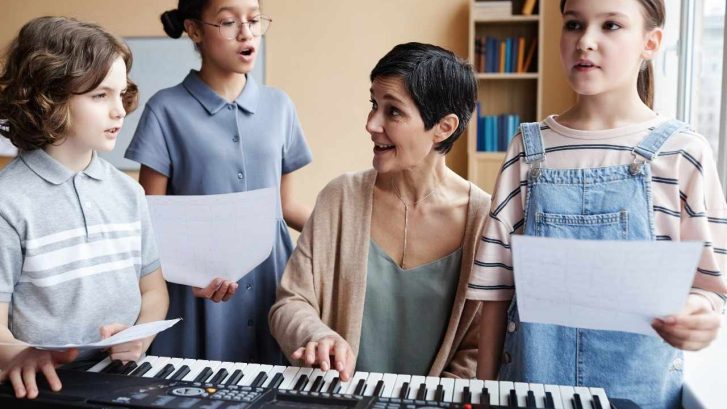
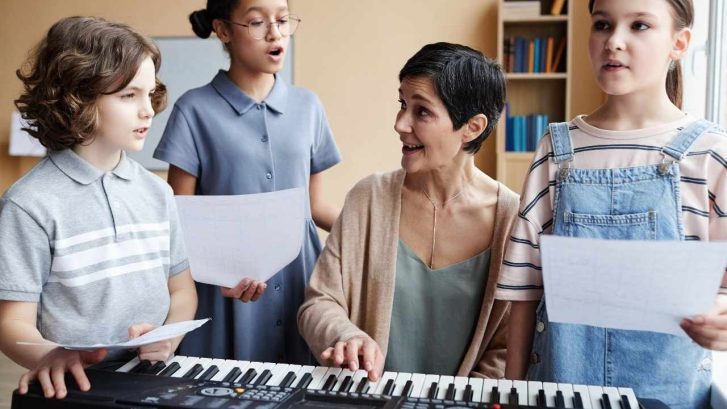
Group of you students standing around the piano teacher and singing

Singing Lessons: Key to Kids’ Creativity

Creativity isn’t just a desirable skill; it’s essential for helping children navigate the complexities of today’s world with flexibility and confidence. Singing, an art form as ancient as any, has proven to be a remarkable tool for opening up the floodgates of imaginative and critical thinking in young minds. Exploring how melodies and rhythms can impact cognitive development reveals that these activities are more than just fun—they are crucial for growth.

The Connection Between Singing and Creativity

Music and singing uniquely stimulate the brain, lighting up various areas involved in emotional and intellectual processing. Studies have shown that when kids engage in singing, they activate parts of their brain associated with language and reasoning. The act of learning to sing and perform songs can catalyze their ability to think creatively. This is not just about hitting the right notes; it’s about weaving those notes into the larger tapestry of their cognitive skills, enhancing their ability to imagine, innovate, and solve problems in everyday life.

Benefits of Singing Lessons for Children

Participating in singing lessons offers a wide range of benefits that extend well beyond the basic enjoyment of music.

Emotional expression

Emotionally, it allows children to express themselves in ways that words alone may not permit. The emotional release and satisfaction gained from singing can alleviate stress and promote happiness, providing a healthy outlet for expression.

Confidence building

From a social perspective, singing can significantly bolster a child’s confidence. The act of standing up and performing in front of an audience teaches them to manage anxiety and build their presence, which are valuable skills in any public speaking or performance situation. Moreover, the feedback they receive, both positive and constructive, helps them learn to accept criticism gracefully and use it to their advantage.

Cognitive benefits

On the cognitive front, memorizing lyrics and melodies plays a critical role in enhancing memory and concentration. It requires a level of focus that can translate well into academic performance, particularly in areas requiring strong memory skills. Furthermore, singing improves language skills by introducing new vocabulary and phrasing, making it a fun and effective way for children to learn new words and concepts.

Language skills

The connection between singing and improved language skills is particularly notable. As children learn and memorize songs, they also gain insights into different structures and uses of language, which can enhance both their spoken and written abilities. This exposure to various linguistic elements is crucial in developing strong communication skills, which are invaluable throughout life.

Age-Appropriate Singing Lessons

Introducing children to singing should align with their developmental stages to capture their interest and maximize benefits. For toddlers and preschoolers, singing lessons are less about formal training and more about exposure to music and rhythm. Simple songs with repetitive phrases and actions, like clapping or dancing, make the experience both educational and enjoyable. As children grow older, the complexity of the songs and the structure of the lessons can evolve. School-aged children can handle more structured sessions that include vocal exercises, pitch training, and even part singing, which challenges them and helps hone their musical skills.

Keeping young learners engaged involves more than just choosing the right songs. It’s about creating a playful and supportive environment where they feel safe to explore their voices. Incorporating games, storytelling through song, and group activities can make singing lessons an exciting and highly anticipated part of their weekly routine. It’s also important to allow children some control over their learning experience, such as choosing songs they enjoy or expressing what part of the lesson they liked best.

Structuring Singing Lessons for Maximum Creativity

To truly enhance creativity through singing, lessons should encourage exploration and self-expression. One effective method is through improvisation, where children are given a theme and asked to make up their own melodies. This exercise not only boosts their creative thinking but also improves their ability to think on their feet and adapt to new challenges. Songwriting is another excellent tool, as it empowers children to tell their stories, express their thoughts, and delve into the creative process of music composition.

Technology can also play a significant role in modern singing lessons. Using apps that provide visual feedback on pitch, rhythm, and tone helps children understand the technical aspects of singing more clearly. Recording equipment can be used not only for practice but also for children to listen to and critique their performances, fostering a habit of self-reflection and continuous improvement.

Furthermore, teachers can introduce elements of music theory through interactive games or software that makes learning the technical side of music more engaging. This foundation not only improves their singing but also gives them tools to appreciate and understand music more deeply, encouraging a lifelong connection to the arts.

Challenges and Solutions in Singing Lessons

Despite the many benefits, teaching singing to children comes with its set of challenges. One common issue is a lack of interest or a decline in engagement as the novelty wears off. To combat this, teachers can vary the activities in each lesson, alternate between solo and group singing, and include performances that allow children to showcase their progress to friends and family, which can renew their enthusiasm.

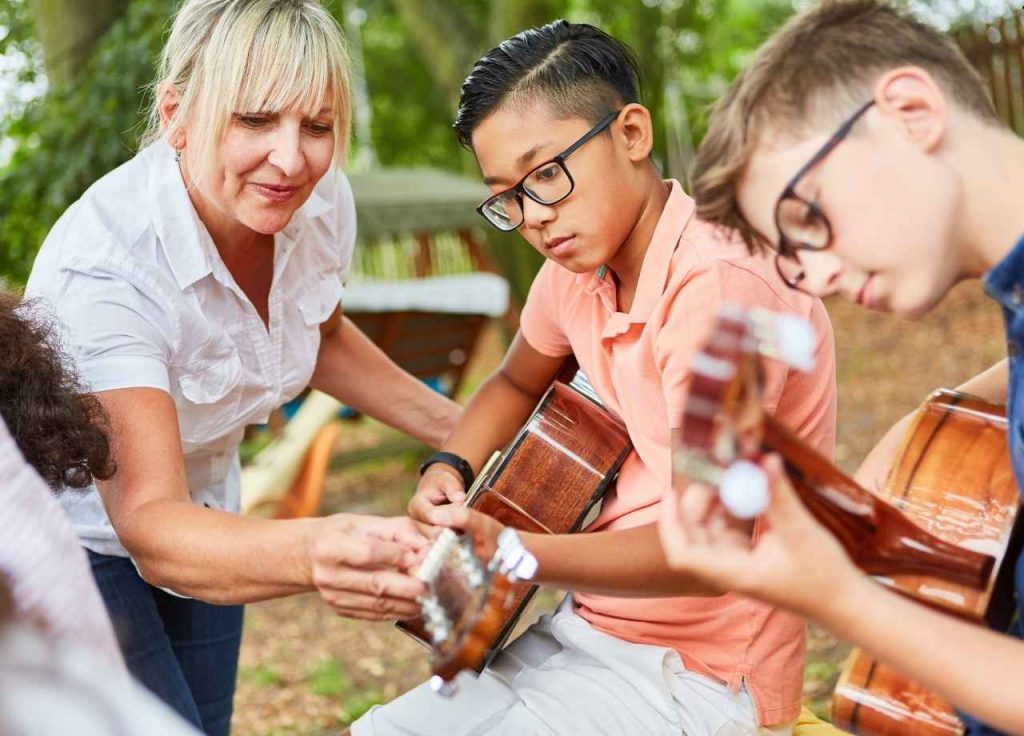
An older woman trains young boys on how to hold and play a guitar

Another challenge is dealing with shyness or stage fright. For many children, singing in front of others can be daunting. Creating a nurturing environment where mistakes are seen as part of learning can help alleviate some of this anxiety. Regular, low-pressure performances can also help desensitize children to the presence of an audience, gradually building their confidence.

Each singing lesson offers a chance to navigate these challenges, and with each hurdle overcome, children not only become better singers but also more creative, confident, and resilient individuals.

Encouraging Ongoing Engagement in Singing Lessons

Keeping children consistently engaged in singing lessons often hinges on how they perceive their progress and the variety of activities offered. Celebrating small milestones and improvements can significantly boost their morale and commitment to singing. Incorporating elements such as themed singing days, collaborative projects with peers, or even integrating other forms of art, such as dance or painting, can help maintain a vibrant and stimulating learning environment.

Feedback and Adaptation in Teaching

Effective singing instruction also requires adaptability in teaching methods. Each child is unique, and what works for one may not work for another, vocal coaching may help accelerate the learning. Continuous feedback, both from the children and their parents, is crucial. This helps tailor the lessons more closely to the children’s interests and learning styles, which can improve outcomes and satisfaction. Regular assessments and adjustments ensure that the lessons not only remain fun but also effective in developing skills and creativity.

Conclusion

Singing lessons are more than just teaching a child how to sing. They’re about fostering an environment where creativity through music can flourish. By incorporating singing into children’s lives, we open a world of emotional, cognitive, and social development that can enrich their lives profoundly. If you’re considering new activities for your child, think about the lifelong benefits that could come from stepping into the world of music and singing. It’s not just an investment in their musical abilities but in their overall creative and personal growth. Why not give it a try and see where their voice can take them?

children's acting classes

Children Skills Development With Acting & Drama Classes

When we think about the skills that help children succeed in school and beyond, subjects like math and reading come to mind. However, the arts, particularly drama and acting, also play a crucial role in developing essential cognitive, emotional, and social skills. Engaging children in drama classes not only nurtures their artistic talents but also equips them with tools to navigate their academic and personal lives.

The Role of Drama In Child Development

Drama classes offer more than just an opportunity to act out; they provide a playground for the mind. Here, children learn to express themselves creatively and imaginatively, which is vital in developing their cognitive abilities. The process of interpreting scripts, embodying characters, and executing performances encourages children to think critically and creatively. These skills are transferable to academic subjects, enhancing their ability to understand complex concepts and think outside the box.

Furthermore, acting requires kids to recall lines, directions, and cues. This exercise in memory can significantly improve their academic performance, as the skills used to memorize scripts are similar to those used in learning new information in school. Moreover, by engaging in drama, children learn to view situations from multiple angles, fostering a more flexible and comprehensive approach to problem-solving. This skill is particularly valuable in today’s fast-paced and ever-changing world.

Emotional and Social Development Through Drama

One of the less talked about yet profoundly impactful aspects of drama is its ability to foster emotional maturity. Participating in drama and acting classes allows children to explore their own emotions through the characters they play. This exploration helps them understand complex feelings and how to express them appropriately. It’s a safe environment where they can express sadness, anger, joy, and fear in a controlled setting, which teaches them about emotional regulation and expression.

Moreover, drama inherently involves putting oneself in another’s shoes. For children, this act of embodying different characters can significantly enhance their empathy. Understanding and portraying a character’s emotions and motivations encourage children to understand others’ feelings and viewpoints in real life. This development of empathy is crucial for building healthy interpersonal relationships and thriving in social settings.

Additionally, drama classes are usually group activities where children must work together to achieve a common goal, whether it’s performing a play or practicing a drill. This setting promotes essential social skills such as teamwork, communication, and cooperation. Children learn to listen actively, speak clearly, and collaborate with others, which are vital skills in both school and later in life.

Confidence and Self-Esteem

One of the most noticeable changes in children who participate in acting and drama classes is their growing confidence. Standing on a stage, even in front of a small group, can be intimidating at first. However, as children continue to perform, they become more comfortable being in the spotlight. With each performance or practice session, they gain a sense of accomplishment, which boosts their self-confidence.

The key to this transformation is the environment that drama creates. It’s a space where children are encouraged to take risks, make mistakes, and learn from them. When they succeed in delivering a line or mastering a scene, the applause or positive feedback from peers and teachers reinforces their belief in their abilities. This confidence doesn’t just stay on stage—it transfers to other areas of their lives, from classroom presentations to social interactions.

In addition, drama classes help children overcome shyness. For children who are naturally introverted, playing a role allows them to step out of their comfort zone in a fun, low-pressure way. By pretending to be someone else, they feel less self-conscious, and gradually, this courage carries over into their daily interactions. The more they practice speaking in front of others, the more confident they become, not just in their acting abilities but in themselves as individuals.

Physical Benefits

Drama isn’t just about words and emotions—it involves physical movement too. Acting classes often include exercises that teach children how to use their bodies to express themselves. This could be anything from miming actions to performing choreographed dance moves as part of a play. Such activities help improve their physical coordination and motor skills, essential for overall health and development.

Moreover, children learn valuable skills like voice projection and clarity of speech. These are not only important for their performances on stage but also enhance their verbal communication skills in everyday life. Learning how to modulate their voice helps children speak more effectively, making them better understood and more confident in expressing their ideas and opinions.

Acting and drama also involve a significant amount of physical stamina and endurance, especially during long rehearsals and performances. Children gradually build their physical endurance, which can improve their performance in physical education and other sports. Plus, the discipline and concentration required during these activities are skills that benefit students academically as well.

Cultural Awareness And Appreciation

Participating in drama classes exposes children to a variety of cultural narratives and histories. Whether they are performing Shakespeare, a modern American drama, or a traditional folk play from another country, they are introduced to diverse stories and perspectives. This exposure is invaluable for developing a deeper understanding of different cultures and social issues.

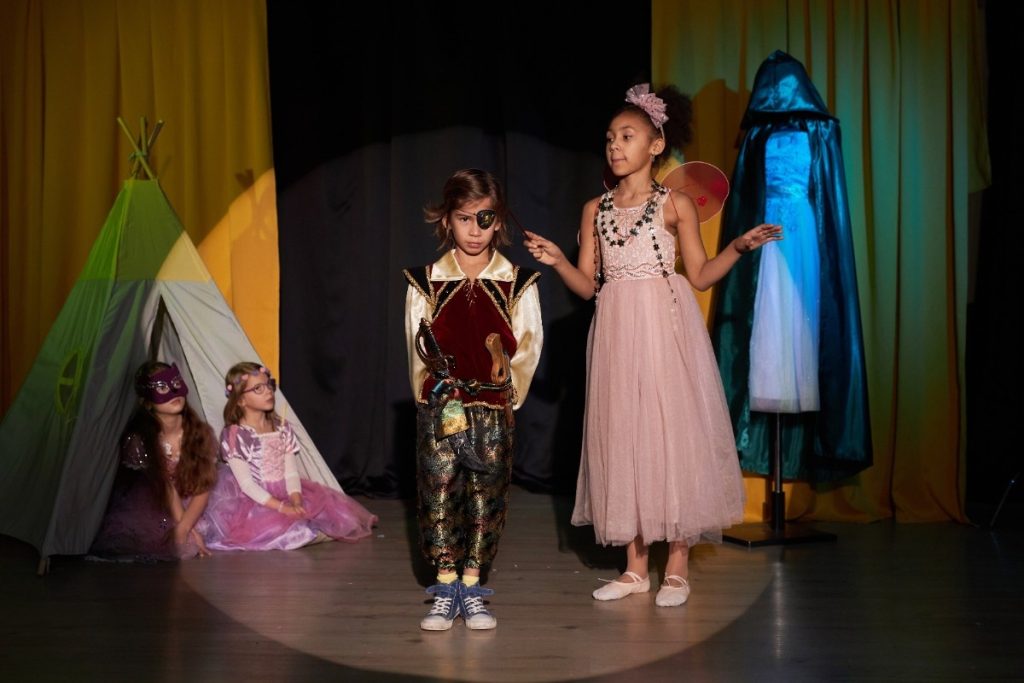
Boy and Girl Acting on Stage in School Play

Drama encourages children to think critically about the roles they play and the stories they tell. They learn about the social, historical, and cultural contexts of the plays they perform, which enriches their knowledge and appreciation of different artistic expressions. This not only educates them about the world but also fosters a respect for diversity and a curiosity about different ways of life.

Furthermore, by studying and performing plays from various cultures, children learn to appreciate the arts as a universal form of expression that transcends cultural boundaries. This appreciation can inspire them to explore other art forms and cultural expressions, further enriching their education and personal growth.

Practical Insights: Implementing Drama In Everyday Learning

Integrating drama into children’s daily activities doesn’t have to be a grand production. Parents and educators can include simple acting exercises and games in everyday routines to help develop the skills discussed earlier. For example, using role-play during story time can turn a reading session into an interactive drama lesson, encouraging children to express themselves and engage with the material in a lively way.

For parents looking to reinforce these benefits, consider enrolling your child in a local drama class or workshop. These programs are specifically designed to nurture young talents and hone their skills in a structured environment. When choosing a program, look for one that balances performance with skill development, ensuring that children receive both the joy of performing and the educational benefits.

Conclusion

Drama classes offer children a platform to express themselves, understand others, and engage with the world in a meaningful way. The skills developed through acting—ranging from improved self-confidence to enhanced cultural awareness—prepare children for personal and academic success. If you’re a parent or educator, why not give drama a chance? Encouraging your children to step onto the stage could be the key to unlocking a world of opportunities. So, let’s get those curtains open and the lights shining bright on the next generation of confident, articulate, and culturally aware individuals.

children's vocal lessons

Nurturing Your Child’s Talent Through Music Vocal Lessons

Music has a magical way of enhancing our lives, and for children, it opens up a world of creativity and expression. As a parent, you might notice your child humming along to songs or being unusually attentive whenever music plays. This early interest can be the first hint that they have a leaning towards music, and more specifically, singing. Recognizing and nurturing this talent early on can set the stage for a lifelong appreciation and perhaps a career in music.

Understanding Your Child’s Musical Interests

The first step is simple: observe. Pay attention to what kind of music your child enjoys. Do they perk up at the sound of classical tunes or do they rock out when the radio plays pop hits? Each child is unique, and their musical preferences can guide you in choosing the right path for their vocal training. It’s crucial not just to enroll them in any music class but to find one that resonates with their personal taste and interest.

Encouragement plays a big role here. If your child shows an interest in music, talk to them about it. Discuss what they like about the songs or artists they prefer. This not only strengthens your bond with them but also boosts their confidence and reassures them that their interests are valuable and worth pursuing.

Choosing The Right Vocal Lessons

Selecting the right vocal coach is more about alignment than prestige. The ideal teacher for your child is someone who can connect with them at their level and inspire them to grow. Look for a teacher with a background in teaching children and a gentle, encouraging teaching style. It’s not just about the notes your child hits; it’s about the joy and growth they experience in the process.

Consider also the format of the lessons. While private lessons offer tailored guidance and direct feedback, group lessons can be wonderful for building social skills and learning in a less pressured environment. Some children might thrive in a private setting initially to gain confidence before joining a group lesson where they can sing with peers.

A trial lesson is a smart move before making any commitments. It gives your child a chance to interact with the teacher and can help you gauge whether the teacher’s approach fits your child’s personality and learning style.

Setting Up For Success

Success in any field requires the right environment, and music is no different. Help your child by setting up a dedicated practice area in your home where they can sing and practice without interruptions. This area should be a comfortable space that invites creativity and concentration.

Routine is also vital. Regular practice is key to mastering vocal skills, but it’s important to balance this with other responsibilities like schoolwork and play. Help your child develop a practice schedule that feels rewarding rather than burdensome. Remember, the goal is to make musical growth a joyful part of their daily life, not a chore.

Developmental Milestones In Vocal Training

Just like any other skill, vocal training comes with its own set of milestones, which can serve as checkpoints for your child’s progress. In the early stages, these might include mastering basic pitch control, developing a clear and steady tone, or learning simple songs from memory. As they advance, you can look forward to more complex achievements like enhancing their vocal range, gaining control over their breathing, and expressing emotion through their singing.

It’s important to keep expectations realistic based on your child’s age and development stage. Younger children, for instance, are unlikely to belt out tunes like seasoned singers, and that’s perfectly okay. Vocal abilities develop with age, and what is crucial is that they enjoy the process and gradually improve.

Setting long-term goals can be motivating, but the focus should always be on incremental progress and the joy of learning. Celebrate small wins with your child, whether it’s a successful recital or mastering a challenging note, as these successes boost their confidence and eagerness to learn.

Overcoming Challenges

Challenges are inevitable in any learning process, and vocal training is no exception. One common issue many young singers face is vocal strain, which can occur from trying too hard to hit notes that are out of their natural range or from incorrect singing techniques. It’s essential for your child to learn how to sing properly to avoid strain, which a good vocal coach can teach them.

Another significant challenge is performance anxiety. It’s natural for young performers to feel nervous about singing in front of others. Help your child understand that nerves are a normal part of performing and can be managed. Techniques such as deep breathing, visualization, and positive self-talk can help them feel more relaxed and confident on stage.

If challenges persist, don’t hesitate to seek advice from your child’s vocal teacher or even a pediatrician, especially when it concerns physical issues like vocal strain. Sometimes, a little professional guidance is all it takes to get back on track.

The Role Of Performance And Feedback

Performing is a crucial part of musical training. It not only allows children to showcase their skills but also teaches them how to handle attention, applause, and sometimes, criticism. Encourage your child to participate in school talent shows, choir performances, or any other public singing opportunities. These experiences can be thrilling and incredibly rewarding.

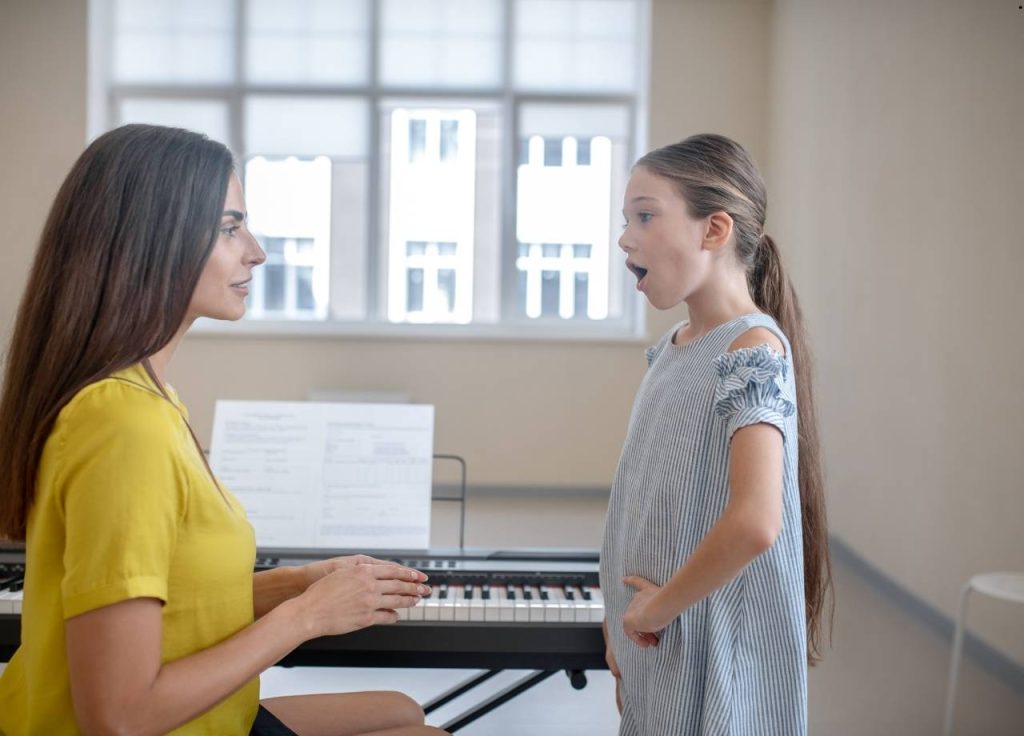
Mother sitting looking at her daughter as she coaches her to sing

Feedback is equally important. Constructive feedback from both you and their vocal coach can help your child understand their strengths and areas for improvement. It’s important to keep this feedback positive and encouraging, focusing on their effort and what they did well, while gently guiding them on how to improve.

Encourage your child to self-reflect after performances, asking them what they felt went well and what could be better next time. This self-assessment makes them an active participant in their learning process and helps them grow not just as singers, but as individuals who can assess, adjust, and advance in various situations.

Fostering A Lifelong Love For Music

Encouraging your child to explore various musical activities can keep their interest alive and kicking. Beyond regular vocal lessons, consider introducing them to music theory classes, instrument playing, or even songwriting workshops if they show an interest. This variety can deepen their understanding of music and provide new avenues of creativity and expression.

Participation in music clubs or community groups can also be beneficial. These groups provide a social aspect to music that solo singing lessons might not offer. Engaging with peers who share the same interests can be incredibly motivating and fun for your child, and these experiences can foster teamwork and leadership skills as well.

As your child’s musical journey evolves, keep revisiting their goals and aspirations in music. What started as a fun activity could turn into a serious passion or even a career path. By having open discussions about their goals, you’re showing that you take their interests seriously and support their growth.

Conclusion

Remember, every child’s musical path is unique. Whether your child pursues music professionally or simply enjoys singing in the shower, what matters most is that they continue to find joy in it. Keep the atmosphere around music positive, light, and fun, and you’ll likely see a budding musician flourish before your eyes.

So, why not start today? Grab that karaoke mic, download some new tunes for the next car ride, or simply ask your child to teach you a song they learned. It’s a wonderful journey you can share together.

children's day activities

Children’s Day Activities To Develop Their Mindset

The early years of a child’s life are crucial for mindset development, and structured activities like ballet, taekwondo, and drama classes can play an essential role. These activities do more than just engage children physically; they also sharpen their mental focus, encourage discipline, and foster creativity.

In Dubai, where education and child development are highly prioritized, parents can find many opportunities to help their children develop skills that go beyond the classroom.

Dance Classes

Dance is an expressive form of movement that teaches children how to connect their minds with their bodies. Whether it’s ballet, jazz, or modern dance, these classes encourage children to follow sequences and rhythms that sharpen their ability to focus and improve coordination. Additionally, dance can boost confidence. Performing in front of an audience or even a small group allows children to break out of their shells and embrace a positive mindset towards personal growth.

Taekwondo for Discipline and Focus

Martial arts like taekwondo help children understand discipline and respect. The repetitive nature of the training builds both physical and mental resilience. Every move requires focus, precision, and patience—valuable qualities that transfer to other areas of a child’s life, such as schoolwork and relationships. The structured environment of taekwondo classes encourages children to set and achieve goals, building a mindset of perseverance.

Piano Lessons for Cognitive Development

Piano lessons stimulate a child’s brain in a unique way, blending creativity with structure. Learning how to play an instrument helps develop both sides of the brain, enhancing problem-solving skills and creativity. In addition, reading sheet music and practicing regularly teaches children the importance of patience and dedication, skills that are important for a growth mindset. The benefits go beyond music, as children often apply these skills to other areas of their lives.

Drama and Acting for Emotional Intelligence

Drama classes are an excellent way to help children understand and express their emotions. Role-playing and acting out different scenarios allow them to explore various perspectives, enhancing their empathy and emotional intelligence. This activity builds social skills, as it encourages interaction with others, cooperation, and teamwork—essential tools for navigating social situations with confidence and understanding.

Ballet for Grace and Discipline

Ballet is one of the most demanding yet rewarding forms of dance. It requires not only physical flexibility and strength but also a sharp mental focus. Children who engage in ballet training learn the value of discipline, hard work, and perseverance. These qualities are fundamental for developing a resilient mindset that will benefit them in both academic and personal pursuits. In ballet, even the smallest mistake can be a learning opportunity, teaching children to approach challenges with a growth-oriented mindset.

Dubai’s Cultural Influence on Child Development

In Dubai, with its focus on providing world-class education and development opportunities for children, these classes hold even more importance. The multicultural environment here exposes children to a variety of influences, helping them learn how to adapt and thrive in diverse settings. Activities such as ballet and taekwondo are offered in many high-quality training centers, ensuring that children in Dubai have access to top-tier education in both academics and the arts.

Building Social Skills Through Group Activities

Group activities, whether in dance or drama, teach children how to work together towards a common goal. These settings encourage them to listen, compromise, and support their peers. These are the soft skills that will serve them throughout life, especially in teamwork settings in their future education or careers. Social skills gained from group activities also help children become more empathetic, improving their emotional and interpersonal intelligence.

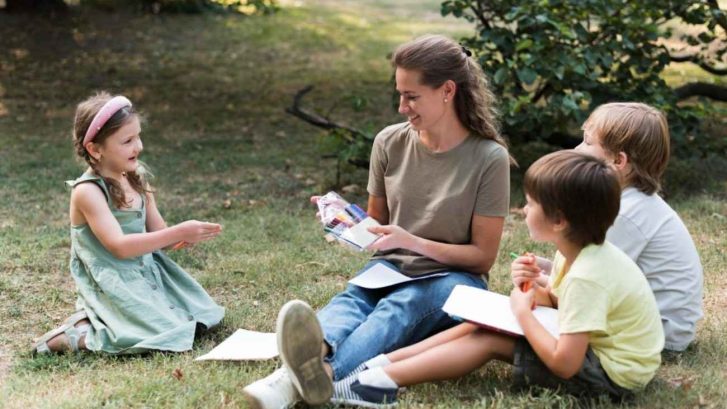
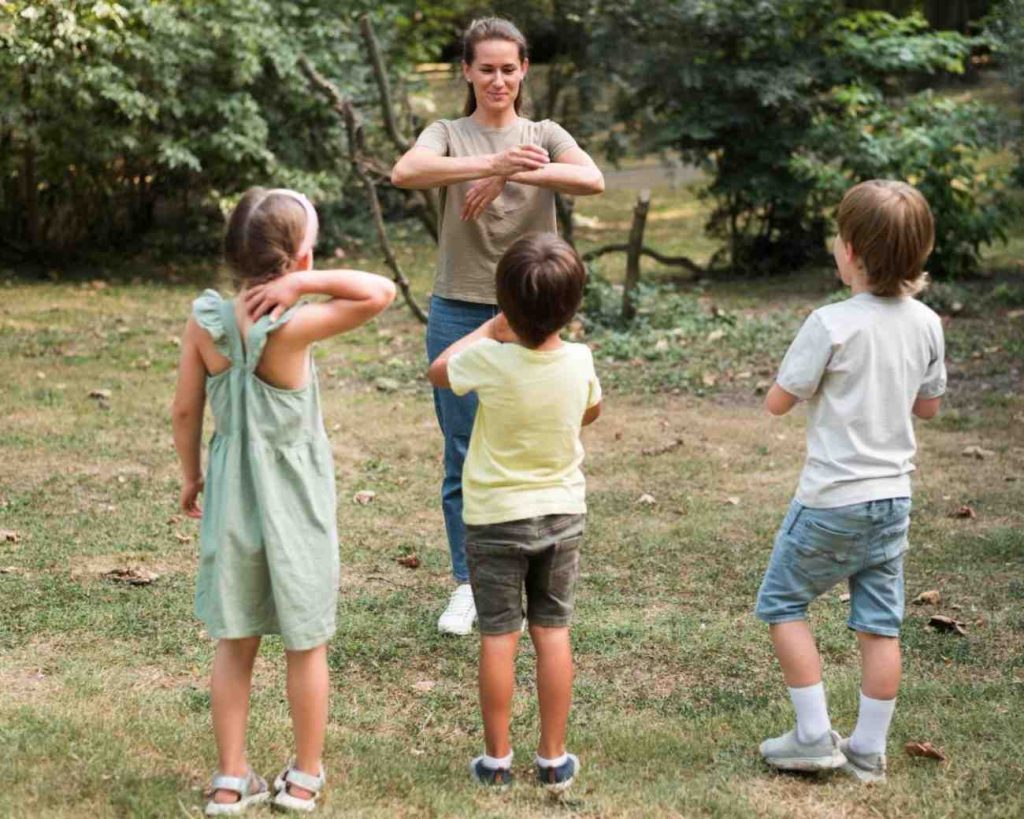
childrens following instructors instructions as they pay attention while they are outside

Taekwondo’s Role in Self-Confidence

One of the underrated benefits of taekwondo is its ability to build self-confidence in children. As they advance through the ranks, they gain a sense of accomplishment that boosts their self-esteem. This mindset carries over into other areas of their life, where they feel more capable of tackling challenges and achieving their goals.

Creativity Through Dance and Drama

In dance and drama, children have the freedom to express themselves in ways they might not find in traditional learning environments. Encouraging this creativity helps build a flexible mindset, one that is open to new ideas and ways of thinking. Creative expression is essential in problem-solving and adapting to life’s challenges.

By participating in activities such as these, children in Dubai and around the world can develop the mindsets they need to thrive, both academically and emotionally. Whether through ballet’s discipline, piano’s focus, or taekwondo’s resilience, each activity offers something special to help children grow into well-rounded individuals.

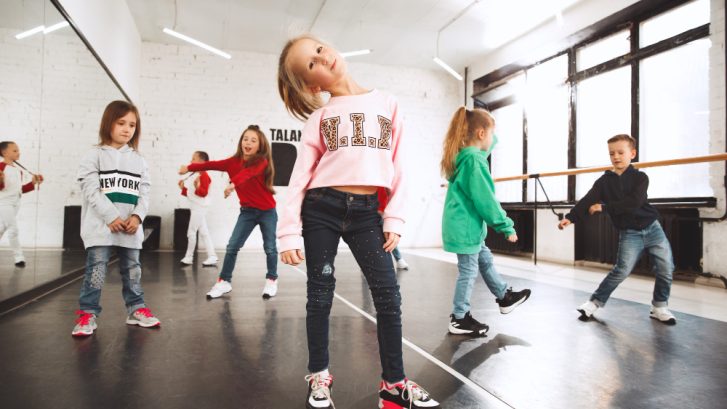
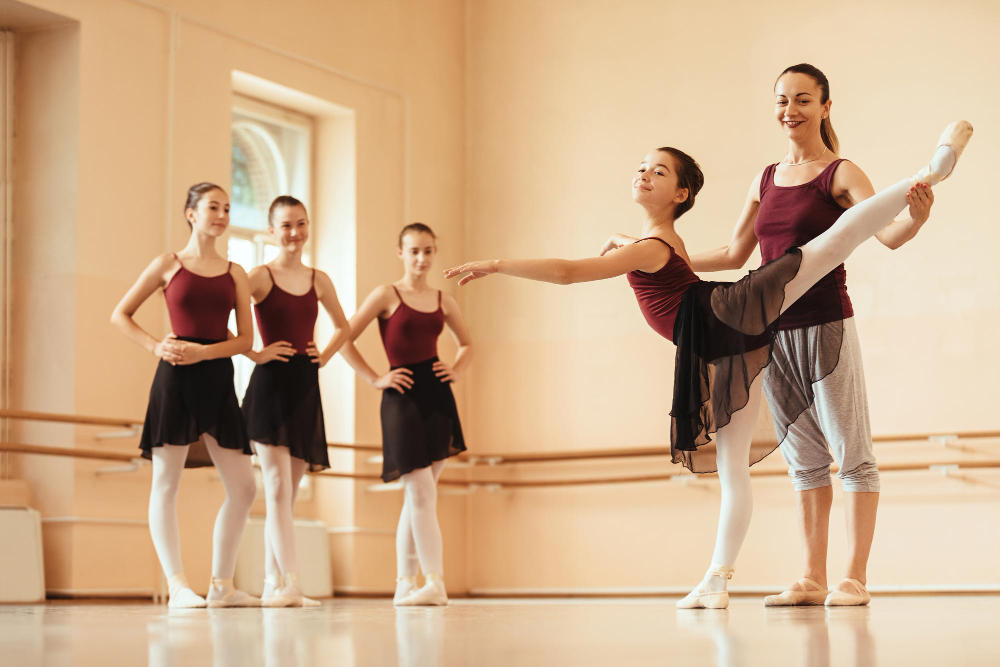
dance classes for kids

Best Dance Classes for Kids in Dubai

Dance is more than just an art form; it’s a powerful tool for physical, emotional, and cognitive development in children. In Dubai, a city celebrated for its vibrant cultural scene, the options for junior dance classes are plentiful and diverse. Whether your child is stepping into a dance studio for the first time or they’re looking to refine their skills in a particular genre, finding the right class can be a transformative experience that nurtures their creativity and confidence.

Understanding the Types of Dance Classes Available

When considering dance classes for kids, Dubai offers a wide range of styles that cater to different interests and skill levels. Ballet remains a perennial favorite, known for its discipline and grace. It teaches children posture, alignment, and the foundational techniques required for many other dance forms. Hip hop is another popular choice, especially appealing to those who love to express themselves through more dynamic and energetic movements. For those interested in a blend of dance and storytelling, contemporary dance classes offer a way to explore expressive movements that convey emotions and narratives.

Each dance style offers unique benefits, making it important to match the child’s personality and interests with the appropriate class. Junior dance classes are designed to be age-appropriate, ensuring that children engage in activities that suit their developmental stage. For younger kids, classes often focus on basic steps and rhythms, while older children might engage in more complex routines that challenge their technical skills and creative expression.

Criteria for Choosing the Right Dance Class

Choosing the right dance class for your child involves more than just picking a style. The qualifications and experience of the instructor play a crucial role in how effectively they can teach and inspire young dancers. A good teacher does not only possess technical expertise but also has the patience and passion for teaching children. They should be able to create a positive learning environment where children feel safe, supported, and motivated to explore their potential.

The size of the class is another significant factor. Smaller class sizes ensure more personalized attention, which is essential for younger dancers. It allows instructors to provide immediate feedback and tailor their teaching methods to each student’s needs. Additionally, the quality and safety of the facilities cannot be overlooked. Properly maintained studios with adequate space and safe flooring are vital to prevent injuries and enable children to practice freely and confidently.

When selecting a dance class, also consider the school’s philosophy and the structure of their programs. Some schools focus on competition, while others emphasize personal growth and creativity. Understanding what the school values and how it aligns with your expectations for your child’s learning and development is key to making the right choice.

Top Dance Schools Offering Junior Dance Classes in Dubai

Dubai is home to numerous dance schools that cater to children of all ages, each with its unique approach and specialty. For parents seeking the best dance classes for kids in Dubai, here are a few notable schools that stand out due to their curriculum, experienced instructors, and excellent facilities:

The Ballet Centre

Renowned for its rigorous ballet training programs and other forms of dance The Ballet Centre offers classes for children as young as three years old. The school focuses on classical ballet but also provides lessons in modern dance and tap, catering to various interests and skill levels.

Step n Groove Dance Studio

This studio is a haven for kids who are energetic and passionate about hip hop and street styles. Step n Groove provides a vibrant learning environment where children can explore contemporary dance forms and even participate in dance battles and showcases.

What to Expect in a Junior Dance Class

Enrolling your child in a dance class involves more than just learning dance steps. A typical junior dance class in Dubai starts with a warm-up to prepare the body for movement, which helps prevent injuries and gets the kids focused. After warming up, instructors usually focus on teaching the fundamentals of dance technique, which can vary widely depending on the dance style.

For instance, in a ballet class, children might work at the barre learning positions and movements like pliés and tendus. In a hip hop class, the focus might be on rhythm, coordination, and attitude through energetic routines. Regardless of the style, the goal is to build a solid foundation that children can build upon as they advance.

Classes also often include choreography segments where kids learn routines that they can perform. This not only enhances their ability to remember sequences and timing but also boosts their confidence as they master a routine and perform it in front of peers and parents.

Benefits of Enrolling Your Child in Dance Classes

The advantages of dance go far beyond the physical benefits of improved flexibility and balance. Dance classes for kids in Dubai also offer substantial cognitive and emotional benefits. For one, dancing boosts cognitive development by improving memory and concentration through learning and remembering routines. It also encourages creativity and imagination as children interpret music and express themselves through movement.

Emotionally, dance is a powerful outlet for self-expression and can be a significant confidence builder. As children overcome challenges in learning complex dance moves, they develop a sense of accomplishment and self-esteem. Moreover, dance classes are a great social environment for kids. They provide an opportunity to interact with peers, work as a team, and develop interpersonal skills that are valuable throughout life.

Participating in dance classes can thus play a crucial role in a child’s overall development, providing them with skills and experiences that enrich their lives in many ways.

A gtoup of girls in ballet class, an older student helps a younger one with her pose.

Success Stories: How Dance Classes Have Transformed Kids in Dubai

Many families in Dubai have seen firsthand the transformative power of dance. From shy toddlers blossoming into confident performers to energetic youngsters learning the value of discipline and focus, the stories are as diverse as the dance styles themselves. Parents often share how their children have grown in confidence, improved their social skills, and developed a passion for the arts through their involvement in dance. These personal anecdotes not only highlight the emotional and social gains but also underscore the positive impact of dance on a child’s overall well-being and happiness.

Instructors also have their success stories, like seeing a student master a challenging routine after weeks of practice or witnessing a young dancer’s joy at their first recital. These moments are testaments to the resilience and dedication that dance instills in kids. They reflect not just the skill and creativity involved, but also the personal growth that accompanies learning and excelling in dance.

Conclusion

Enrolling your child in a dance class in Dubai could open the door to a world of benefits. Not only will they learn new dance moves and techniques, but they’ll also gain valuable life skills like teamwork, discipline, and self-expression. Whether your child is a budding ballerina, an aspiring hip hop artist, or just looking to have some fun and make new friends, there’s a dance class out there that’s perfect for them.

So why not take the next step? Explore the vibrant dance schools of Dubai and find the perfect match for your child’s interests and talents. It’s an investment in their happiness, health, and holistic development. Let them dance their way to a brighter, more confident self.

1 2 3