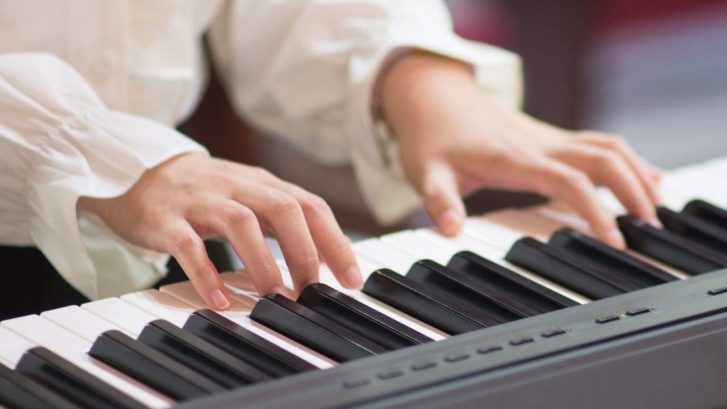
hands playing a piano

Master Piano Playing Without Tension

Tension often sneaks into piano playing without warning. It might begin with a child pressing too hard on the keys or locking their wrists when trying to concentrate. As they push themselves to “get it right,” their bodies compensate with habits that feel helpful at first—but over time, those patterns can become limiting. Stiff shoulders, sore hands, and frustration are all signs that something isn’t quite right beneath the surface.

At Ballet Centre Dubai, we regularly see how much of a difference mindful teaching can make. Our music classes—taught by experienced, Trinity-certified instructors—focus not just on skill but on comfort, confidence, and long-term well-being. A relaxed pianist is a more expressive pianist, and that begins with how they’re taught from the very first lesson.

How Tension Develops Without Anyone Noticing

Young learners are eager to please. When they sit at the piano, their focus can shift from musicality to accuracy. In this pursuit of perfection, they might hold their breath, stiffen their backs, or press down with more strength than necessary. These small adjustments can become automatic, especially when the child doesn’t yet understand what “relaxed playing” feels like.

Emotional pressure contributes, too. Children often want to meet expectations—whether they come from parents, teachers, or peers. That desire can create physical reactions they aren’t even aware of. A safe and supportive learning space makes it easier to break those patterns before they take root.

What It Looks Like to Play with Ease

When a pianist is free of tension, you can hear it as much as see it. Their sound is fluid. Their movements are effortless. There’s grace in how they lift their hands and intention in every phrase they play. This ease doesn’t come from talent alone—it comes from learning how to listen to the body as much as the music.

Our piano lessons are designed to foster this kind of self-awareness. Teachers work closely with each student to help them notice posture, arm movement, breathing, and hand position. When students experience the difference between strained and fluid playing, they begin to self-correct naturally. That’s when growth becomes exponential.

Spotting Tension in Your Child’s Practice

Many parents notice something isn’t quite right before the student does. A child may come away from the piano feeling tired after just a short practice. You might hear them complain that their hands hurt, or notice that they sit stiffly and look frustrated. Maybe they’re working hard but not seeing progress—and practice starts to feel like a chore rather than something joyful.

Some children hunch forward while playing, or keep their wrists locked and unmoving. Others press so firmly that the notes sound harsh instead of clear. These signs point to a need for a different approach—one that focuses less on pushing and more on learning how to release.

Teaching Healthy Habits from the Beginning

The way a student learns to play in the beginning sets the tone for everything that follows. That’s why our piano teachers at Ballet Centre Dubai place equal importance on healthy technique and musical development. During the early weeks of lessons, students are gently guided to sit with balanced posture, move their arms naturally, and use finger strength without stiffness.

Rather than drilling scales or fast-paced pieces immediately, we often begin with lyrical, flowing music that invites calm movement and awareness. We teach students how to breathe while they play, how to feel each key rather than attack it, and how to build independence in their fingers without gripping or tensing.

This process not only helps prevent strain but also deepens musicality. Students learn to feel their way into a phrase and develop sensitivity that lasts.

Why the Right Teacher Matters

Teaching piano without tension isn’t just about method—it’s about the relationship between student and teacher. A young pianist needs to feel safe, encouraged, and understood. At Ballet Centre Dubai, our instructors are selected not just for their qualifications, but for their warmth and ability to connect. They know how to guide with patience and adjust their teaching style to suit each child’s temperament and learning pace.
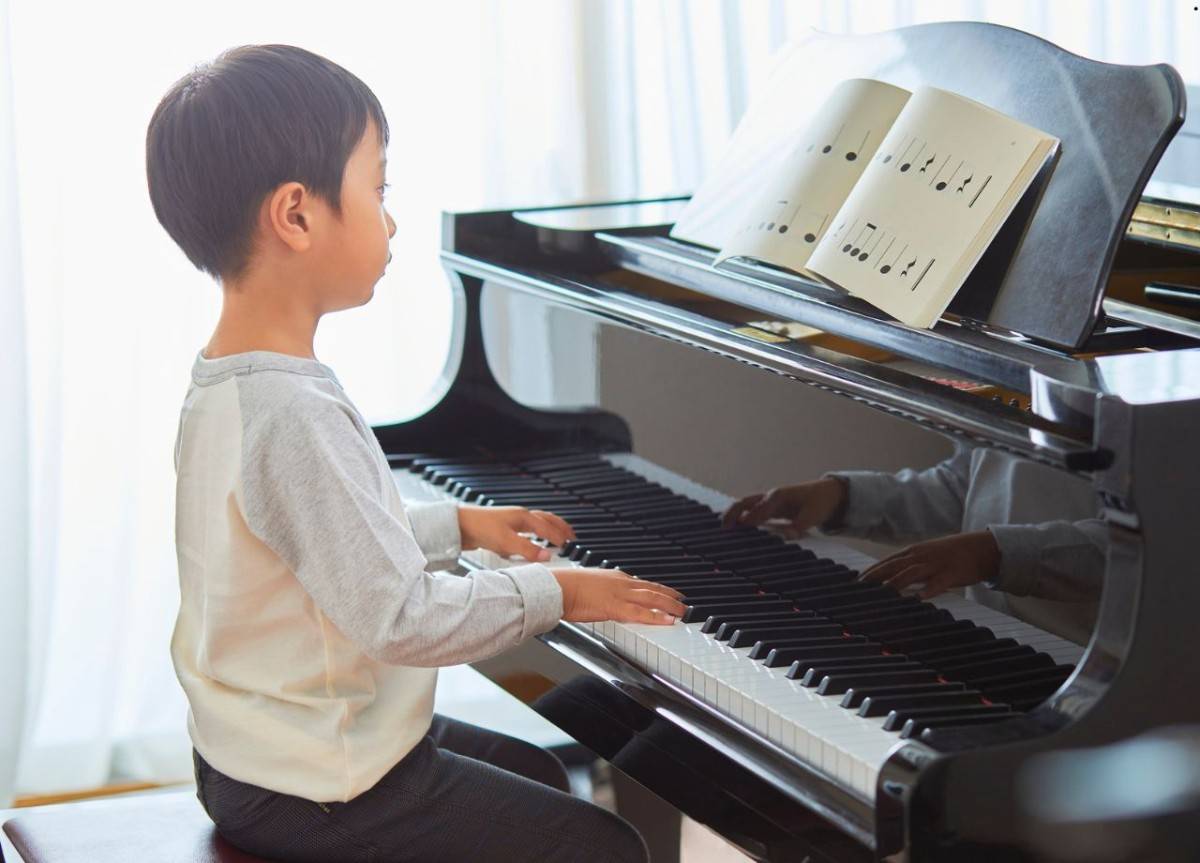
Why the Right Teacher Matters

When a child feels emotionally supported, they play with more openness. They begin to trust their instincts. They try things without fear. And that’s when real artistry begins to emerge.

Encouragement over Pressure

Perfection doesn’t inspire progress—confidence does. We see again and again that when students are allowed to explore without fear of mistakes, they find their own rhythm and voice. One of the greatest joys in teaching is watching a student shift from trying to get it “right” to playing because they love it.

At home, this same mindset helps. Parents who offer calm encouragement—celebrating small milestones and supporting steady routines—help their children stay connected to their own love of music. Even when mistakes happen, the focus stays on growth. This builds resilience and trust, which spill over into other areas of life as well.

The Deeper Benefits of Playing with Ease

When a child learns to play without tension, they’re also learning to listen—to their bodies, their feelings, and the music they create. They’re building awareness, confidence, and emotional control. These qualities stay with them far beyond the piano bench. They influence how they handle challenges in school, how they manage stress, and how they express themselves in everyday life.

Over time, students who play comfortably tend to develop faster technically, perform with greater confidence, and enjoy their practice more. They’re also less likely to experience burnout or injury. What starts as a small adjustment in posture can end up shaping their entire musical journey.

A Better Place to Begin—or Begin Again

At Ballet Centre Dubai, we’ve created a learning environment where music and well-being go hand in hand. Our piano programme is part of a wider performing arts offering that values creativity, discipline, and joy in equal measure. We offer individual music lessons guided by Trinity College London standards, flexible payment plans, and the option to book a free trial class before enrolling.

Parents often tell us their children are happier, calmer, and more engaged after starting lessons with us. Whether your child is completely new to the piano or looking to reconnect with it in a healthier way, we’d love to welcome them into our community.

If you’re ready to see your child thrive at the piano—with less tension and more joy—our doors are open.
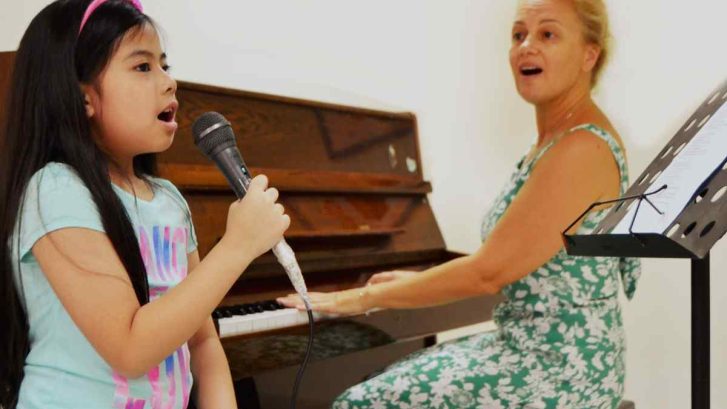
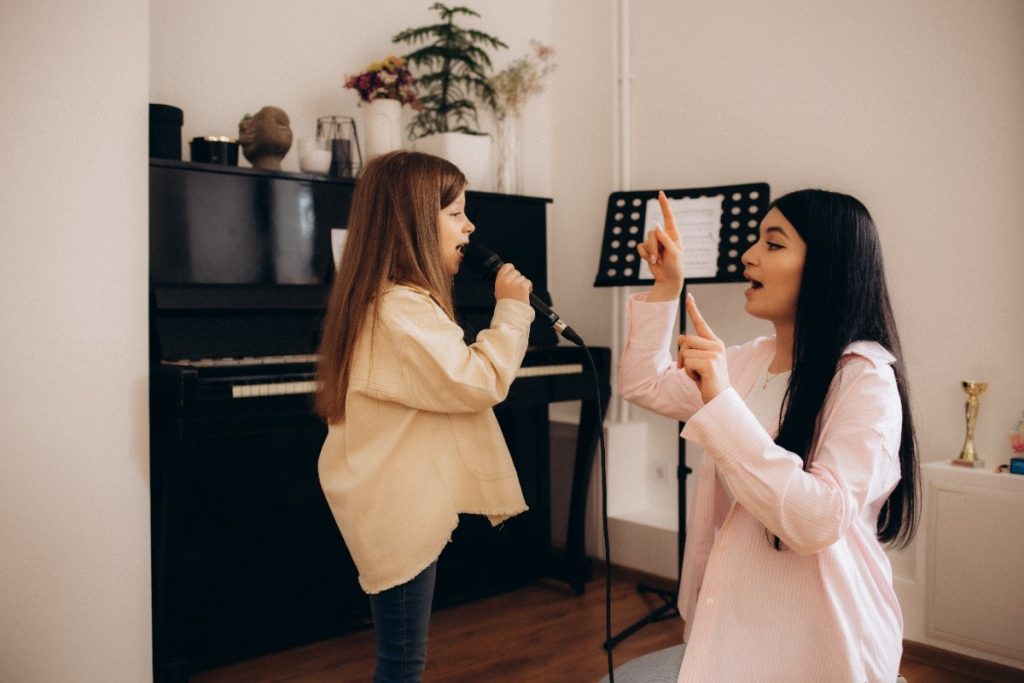
A child singing holding a mic while teacher plays piano

The Path to Becoming a Skilled Musician

Some children can hum a tune before they speak in full sentences. Others show an early fascination with instruments—tapping rhythms on tables, plucking rubber bands to imitate strings, or pausing whatever they’re doing when music plays. These small signs matter. They can be the first quiet steps on a long and rewarding path.

But talent alone doesn’t build a musician.

Behind every confident performance, there are hours of repetition, moments of frustration, tiny victories, and steady progress. The journey is rarely fast. It begins with curiosity and grows through structure, consistency, and encouragement. And in most cases, it starts at home—with a parent’s decision to nurture that spark.

Starting Early, Starting Right

Children absorb music long before they understand it. Exposure in early years shapes their sense of rhythm, pitch, and tone in ways that formal instruction alone can’t replicate later. That’s why many families choose to introduce music as part of a child’s everyday routine. But when that curiosity becomes focused—when a child wants to learn piano, violin, or voice—it’s time to offer something more structured.

At Ballet Centre Dubai, private and group lessons are available in piano, violin, voice, and more, taught by experienced instructors following international syllabi like Trinity and ABRSM. These aren’t casual sessions; they’re carefully designed to match each student’s pace, and they include regular feedback and exam preparation.

Many parents are surprised to find that the first few lessons aren’t about playing songs but learning how to sit, how to hold the instrument, how to listen. This slow build is crucial. It gives the student the physical foundation and mental habits needed to move forward with confidence.

Progress Isn’t Always Linear

Some weeks feel like breakthroughs. Others feel like plateaus. This is true for adults as much as for children. But young learners, especially, need guidance through the quieter stages—the ones where improvement is hard to see.

That’s where a supportive teacher makes all the difference.

One parent recently shared how their daughter nearly gave up piano after struggling with sight-reading. Instead of pushing her, the teacher at Ballet Centre Dubai suggested switching temporarily to a duet format—allowing the student to play alongside her teacher using simplified scores. Within a month, her confidence returned. She began reading with ease and even chose to sit her Grade 1 Trinity piano exam later that year. She passed with distinction.

That’s not luck. That’s experience paired with patience.

And when that kind of teaching is combined with a warm, low-pressure environment—one where children don’t feel they have to be perfect—it sets the stage for lasting growth.

Practice That Feels Natural

One of the biggest challenges isn’t learning the music itself—it’s learning how to practice. Most children won’t sit down at the same time every day and focus for 30 minutes without help. That doesn’t mean they’re not serious about music. It just means they need a routine that fits who they are.

Some practice best in short bursts—ten minutes before breakfast and ten after school. Others like to play their assigned pieces once, then improvise something of their own. Both approaches can work. The trick is helping the child stay connected to their instrument, without turning it into a chore.

At the Ballet Centre, teachers often work closely with parents to develop these habits gradually. Some even send short practice videos after class so the student can review the key points at home. Others create reward charts for younger learners or suggest apps that make scales and theory more engaging.

When children feel ownership over their music, they’re more likely to return to it, day after day.

Performing Without Fear

Not every child will want to be on stage, but giving them the chance to share their music with others is an important part of growing as a musician.

At Ballet Centre Dubai, annual recitals offer that chance. These performances aren’t competitions; they’re celebrations. Students perform in a professional setting, supported by their peers, instructors, and family members. Some play solo. Others join small ensembles. All gain something—whether it’s poise, confidence, or just the thrill of applause.

One student who began voice lessons at the Centre at age 9 was so shy she barely spoke above a whisper. Her teacher started with breathing exercises, pitch games, and expressive reading—not songs. It took six months before she sang a full verse aloud. Two years later, she stood on stage and sang a classical piece in Italian, beaming under the lights. Her parents said they barely recognized her.

Performing Without Fear

Music gives children the opportunity to express themselves in ways words can’t. When they feel safe doing that, something changes. They carry that self-belief into other parts of their lives—school, friendships, even sports.

Exams: A Goal, Not a Measure

Parents often ask whether their child should take music exams. The answer depends on the student’s goals. Exams provide structure and milestones. They can also open doors to scholarships and advanced study later on. But they shouldn’t become the only reason to learn.

At Ballet Centre Dubai, students are welcome to prepare for Trinity College London and ABRSM exams in piano, violin, voice, and theory. But participation is never forced. Teachers advise based on readiness—not just technical skill, but emotional preparedness too.

One student might thrive under the focus of exam prep. Another may prefer learning a wider range of songs without the pressure of a date on the calendar. Both paths are valid.

What matters more is that students stay connected to their music, and that parents support whatever pace feels right for them.

The Long View

It’s tempting to hope for fast progress—quick songs, early grades, applause. But becoming a musician isn’t about speed. It’s about building a relationship with music that deepens over time.

Some children start strong, then take breaks. Others move slowly, then suddenly accelerate. And some simply enjoy the process—learning, playing, and growing—without any need to perform or compete.

What they all need is encouragement, structure, and a space where they feel safe to explore.

At Ballet Centre Dubai, music is one part of a wider creative community. Students studying ballet or drama often take music classes too, enriching their understanding of timing, emotion, and expression. Families appreciate the flexible scheduling, KHDA-approved curriculum, and the opportunity to try a class before committing. But more than that, they value the warmth—the feeling that every student matters.

Learning music isn’t just about producing sound. It’s about learning how to focus, how to listen, how to persist, and how to express joy.

That journey starts with a single note. And often, a parent willing to say: Let’s try.

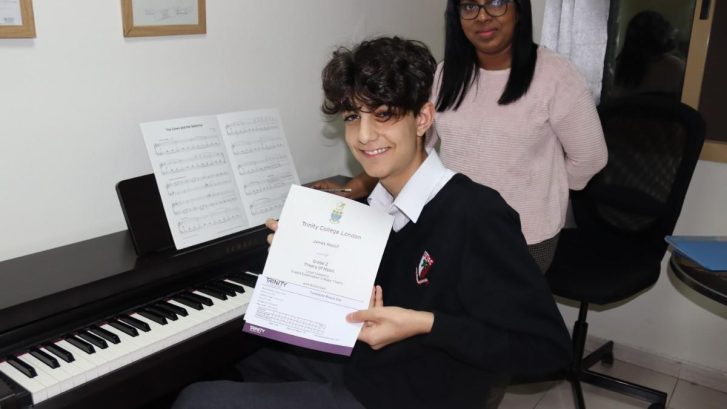
A young boy showing off his certificate as he sits in front of the piano with his instructor behind him

Piano for Kids: How Easy Is It to Learn?

Learning to play the piano is one of the most rewarding skills a child can develop. It encourages creativity, enhances cognitive abilities, and builds confidence. Many parents wonder if the piano is an easy instrument for children to learn and how long it might take for them to start playing real music.

The answer depends on a variety of factors, including the child’s age, interest, and the quality of instruction they receive. Some children seem to pick it up naturally, while others may take a little longer to develop the coordination and rhythm needed to play fluently. Regardless of the learning speed, the piano remains one of the most accessible instruments for young beginners.

Why the Piano is a Great Choice for Children

Unlike instruments that require complex techniques to produce sound, such as the violin or trumpet, the piano is simple in its mechanics. Press a key, and it immediately produces a clear note. This instant gratification can make the learning process more enjoyable for young students, as they don’t have to struggle with finger placement or embouchure just to hear a proper sound.

The piano’s layout also makes it visually intuitive. The arrangement of white and black keys follows a repeating pattern, making it easier for children to recognize notes and understand basic music theory. Compared to instruments where finger positions change based on pitch, such as the guitar or violin, the piano offers a clearer structure that helps children grasp musical concepts more quickly.

How Early Can a Child Start Learning Piano?

Some parents introduce their children to music as early as three or four years old. While it’s possible to begin at this age, most formal lessons are more effective once a child reaches five or six. At this stage, they typically have better finger strength, hand coordination, and attention span—three essential elements for successful piano learning.

That said, there is no universal “right age” to start. Some children are ready earlier, while others might benefit from waiting until they show genuine interest. A great way to gauge readiness is to see if a child enjoys experimenting with sounds and rhythms. If they naturally gravitate toward keyboards or musical toys, they may be eager to explore formal lessons.

What Makes Learning Easier?

A Positive Introduction

The first few piano experiences set the tone for the entire learning process. If lessons feel too rigid or overwhelming, a child may lose interest before they have the chance to develop a connection with the instrument. Early lessons should be engaging, allowing children to explore different sounds, play simple melodies, and develop an appreciation for music.

At Ballet Centre Dubai, our piano instructors focus on making lessons enjoyable rather than intimidating. Instead of diving straight into technical exercises, young learners are introduced to music in a way that feels natural and fun. Whether through familiar songs or creative games, the goal is to ensure that children look forward to their lessons.

The Right Teaching Approach

Children learn best when lessons are adapted to their individual pace. A structured yet flexible teaching style helps them stay engaged without feeling pressured. Some students enjoy a traditional approach with classical pieces, while others prefer a more playful method that incorporates storytelling and imagery.

Teachers who specialize in early childhood music education know how to balance structure with creativity. By keeping lessons lighthearted while gradually introducing technique, they help children develop confidence without frustration.

Consistent Practice Without Pressure

One of the biggest challenges parents face is encouraging regular practice without turning it into a battle. Children often resist practice sessions if they feel forced, but they respond well to routines that are framed positively.

Short, frequent practice sessions work best—around 10 to 15 minutes a day for beginners. Rather than focusing on perfection, the goal should be to build a habit. Some parents find that setting up a dedicated practice space helps create a sense of routine. Others use creative motivation, such as letting their child pick a favorite song to learn or recording their progress to celebrate small achievements.

How Quickly Do Children Learn Piano?

The speed at which a child progresses depends on multiple factors, including age, natural ability, and practice consistency. However, most children can start playing simple songs within a few weeks of lessons. By six months, they typically develop better finger coordination and can play short pieces with both hands.

For children who continue learning for a year or more, the progress becomes even more noticeable. They begin to read music fluently, play more complex pieces, and develop a sense of rhythm and expression. Those who take exams, such as the ABRSM or Trinity assessments offered at Ballet Centre Dubai, have a structured way to measure their progress and set goals for improvement.

The Confidence Boost That Comes with Learning

One of the most valuable benefits of learning the piano is the sense of accomplishment it provides. Even playing a short melody gives children a feeling of success. This builds confidence that extends beyond music, helping them develop patience, focus, and perseverance.

Performing in front of family or at recitals can be a major confidence booster as well. At Ballet Centre Dubai, students have opportunities to showcase their progress in a supportive environment. These small performances help children become comfortable with public expression, a skill that benefits them in many aspects of life.

Common Concerns Parents Have

Is It Necessary to Have a Piano at Home?

While having a full-sized piano is ideal, a keyboard can be a great alternative for beginners. The most important thing is access to an instrument for regular practice. Many modern keyboards offer weighted keys that mimic the feel of an acoustic piano, making them a good starting point.

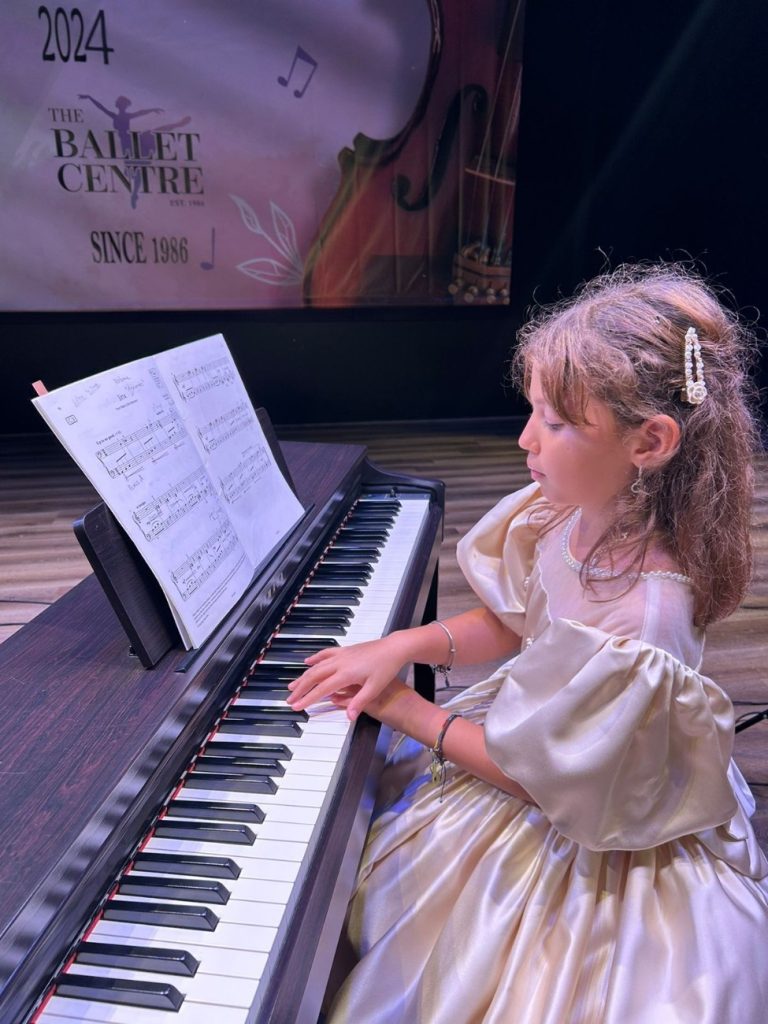
young girl being taught to play the piano by the instructor bedisde her

What If My Child Loses Interest?

It’s normal for children to go through phases of enthusiasm and reluctance. The key is to make piano lessons feel enjoyable rather than like an obligation. Sometimes, changing the style of music, introducing duets, or allowing them to explore creative compositions can reignite their excitement.

How Can I Support My Child’s Learning?

Parents don’t need to be musicians to encourage their child’s progress. Simply showing interest, listening to their practice, and celebrating small achievements can make a big difference. Attending their recitals or sitting with them while they play can also strengthen their motivation.

Choosing the Right Learning Environment

The experience a child has with learning the piano depends greatly on where and how they learn. A positive, nurturing environment can turn lessons into something they eagerly anticipate each week.

At Ballet Centre Dubai, piano lessons are designed to be engaging, tailored to each child’s learning style, and led by experienced instructors who make the process enjoyable. Whether a child is interested in playing for fun or working toward formal exams, they receive guidance that supports their growth at every stage.

For parents considering piano lessons for their child, trial classes offer a chance to experience the learning process firsthand. This allows children to explore the instrument in a structured yet enjoyable way, helping them discover whether piano is something they would love to pursue.

Final Thoughts

Piano is one of the easiest instruments for children to start with, thanks to its logical layout and immediate sound production. With the right approach, even young beginners can pick up simple songs quickly. More importantly, learning the piano fosters patience, confidence, and a lifelong appreciation for music.

For parents looking for a supportive learning environment, Ballet Centre Dubai offers piano lessons that blend structured learning with creativity, making music an exciting journey rather than a chore. Whether a child dreams of playing classical pieces or simply enjoys experimenting with melodies, the right guidance can make all the difference in their musical journey.

how to play piano music​

A Guide to Choosing the Best Vocal Coach

Finding the right vocal coach is a decision that shapes not only a student’s singing ability but also their confidence and enjoyment of music. Whether you’re supporting a child with a passion for singing or looking for lessons yourself, the right teacher makes all the difference.

More Than Just Experience

A long teaching career might seem impressive, but experience isn’t just about how many years someone has been in the field. Some vocal coaches have taught for decades yet stick to rigid methods that don’t suit every student. Others may have fewer years behind them but bring fresh, adaptable teaching techniques.

The best coaches are always evolving. They keep up with vocal health research, understand the latest teaching methods, and adjust their approach for each student. A teacher who can recognize what works for one voice but not another is far more valuable than someone relying on a one-size-fits-all method.

A Teaching Style That Fits

A coach can have incredible skill, but that doesn’t always mean they’re the right fit for every student. Some learners respond well to a disciplined, technical approach, while others need a more relaxed, encouraging environment to thrive.

Trial lessons are one of the best ways to determine compatibility. Sitting in on a class or watching how a teacher interacts with students reveals a lot about their style. Are they patient? Do they make students feel comfortable? Are they open to questions?

If a coach dismisses student concerns or forces them into a style that doesn’t feel right, it may not be the best fit. The best learning happens when a student feels supported and challenged in a way that motivates them. Ballet Centre Dubai offers trial lessons to help students find the right match before committing to a course.

Vocal Health as a Priority

Singing is as much about technique as it is about self-expression. A responsible coach prioritizes vocal health to ensure that students develop strong voices without strain or injury. Proper warm-ups, breath control exercises, and relaxation techniques are essential in every lesson.

A good vocal coach will teach students how to avoid bad habits that could harm their voice over time. This includes everything from hydration and posture to recognizing signs of vocal fatigue. A teacher who skips warm-ups or doesn’t emphasize technique might not be the best choice for long-term development.

Parents should feel comfortable asking potential coaches how they address vocal health. A teacher who understands the mechanics of the voice and incorporates healthy singing habits into every lesson is an invaluable guide for any student.

Flexibility in Teaching Different Styles

Some vocal coaches specialize in a single genre, such as classical opera or pop. While expertise in a specific area is valuable, a well-rounded teacher should be able to help students explore different styles.

Young singers often want to try various genres before settling into one they enjoy most. A coach who understands different vocal techniques—whether it’s the control needed for classical singing, the belt technique in musical theatre, or the relaxed style of jazz—allows students to develop versatility.

The Balance Between Credentials and Practical Knowledge

A vocal coach with formal training, such as a degree in music or certification in vocal pedagogy, often brings a strong foundation in technique. But credentials alone don’t always guarantee great teaching. Some of the best instructors have built their expertise through years of stage performance, while others excel in teaching despite having less performance experience.

The most effective teachers combine both technical training and real-world experience. When considering a vocal coach, it helps to ask about their background. Have they worked with students who have gone on to perform professionally? Do they continue their own education through workshops and training? A great teacher never stops learning.

Creating a Supportive Learning Environment

A student’s progress depends just as much on their confidence as it does on their technical ability. A good vocal coach creates an environment where students feel comfortable making mistakes and experimenting with their voices.

The way a teacher gives feedback is important. Do they offer constructive guidance rather than just pointing out what went wrong? Do they recognize and celebrate small improvements? Encouragement plays a major role in how quickly a student grows.

Practical Considerations: Location and Scheduling

Consistency is key to vocal improvement. If lessons are too far away or the schedule doesn’t fit into a family’s routine, it becomes difficult to maintain regular practice. Finding a school with flexible lesson times and accessible locations makes a big difference.

Ballet Centre Dubai offers a variety of lesson schedules, making it easier for students to fit music lessons into their week. Parents looking for a convenient way to support their child’s singing journey will find that flexible options help maintain steady progress.

Private vs. Group Lessons

Some students benefit from private coaching, while others enjoy the energy of group classes. Private lessons allow for more focused attention, while group sessions provide an opportunity to practice singing in front of others, which can help with confidence.

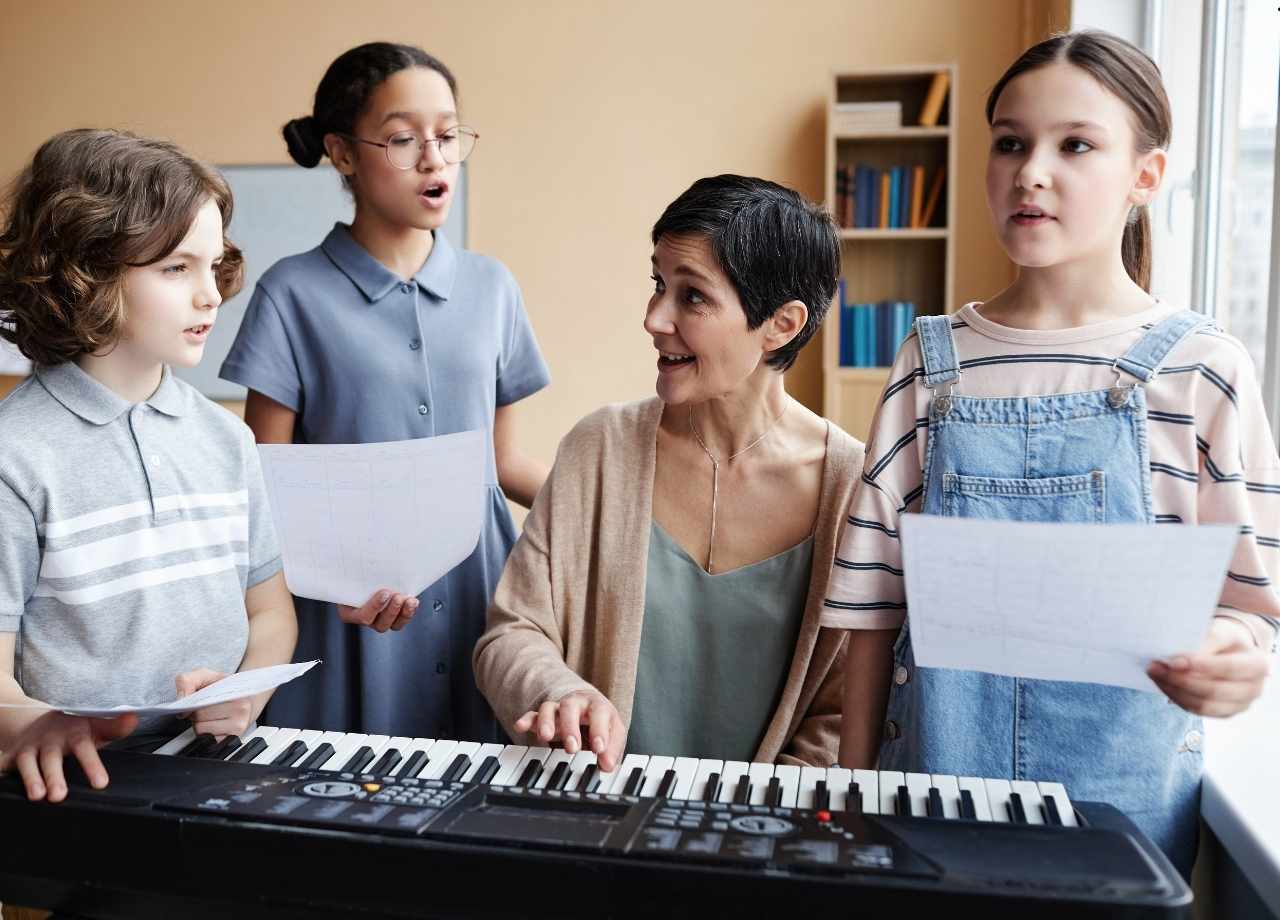
Group of you students standing around the piano teacher and singing

Having access to both options allows students to transition between the two as they grow. Ballet Centre Dubai offers training as well as group performance opportunities, giving students the chance to build both technical skill and stage presence.

How to Recognize a Great Teacher

A great vocal coach isn’t just someone with impressive credentials or years of experience. It’s someone who makes students feel excited to learn, challenges them in the right ways, and encourages them to find their own unique voice.

The best coaches:

  • Adapt their teaching style to each student’s needs
  • Focus on vocal health and proper technique
  • Have a strong understanding of different singing styles
  • Provide constructive feedback that builds confidence
  • Create a learning environment that is both structured and enjoyable

Making the Right Choice

The right vocal coach can turn a student’s passion for singing into a lifelong skill. Whether the goal is to perform on stage, take graded exams, or simply gain confidence, the right teacher will make every lesson an engaging and rewarding experience.

Ballet Centre Dubai offers a welcoming environment where students can explore their talents with expert guidance. The combination of experienced instructors, structured learning programs, and flexible class options makes it a valuable choice for families looking to support their child’s musical journey.

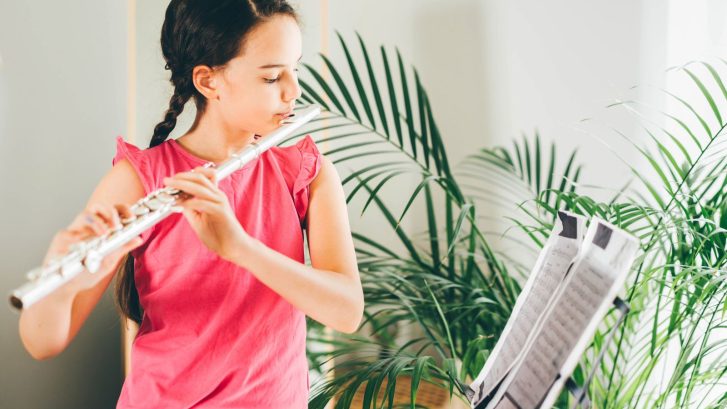
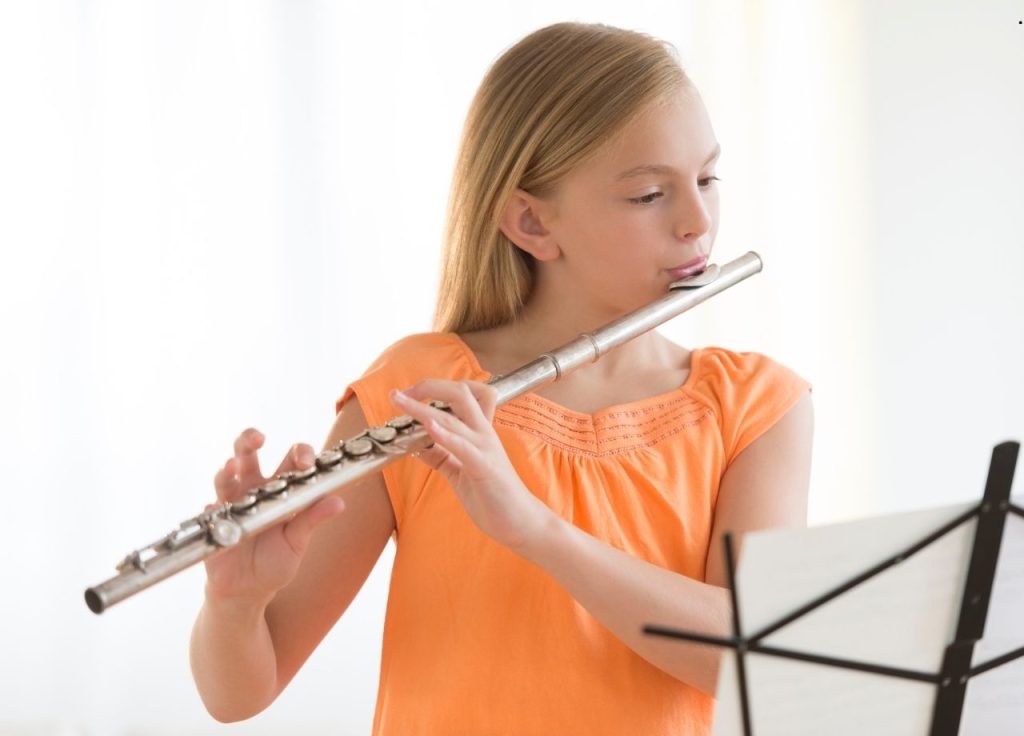
Young girl playing flute while reading music sheet

Understanding Flute Types and Their Rich History

The flute has enchanted listeners for centuries, producing a sound that is both delicate and powerful. Its history stretches across cultures, evolving from simple reed instruments to the sophisticated silver flutes heard in orchestras today. While many recognize the standard concert flute, fewer are familiar with the range of flutes that exist, each offering a distinct voice and character.

Early Beginnings of the Flute

The flute is one of the oldest musical instruments in human history. Some of the earliest flutes, made from animal bones, date back more than 40,000 years. These simple instruments, discovered in regions such as Germany and China, had holes carved into them to change pitch.

Ancient civilizations adapted the flute in unique ways. In Egypt, depictions of flutes appear in tomb paintings, showing musicians playing vertical flutes similar to today’s recorder. The Greeks and Romans used flutes in theatrical performances, often favoring side-blown designs. Meanwhile, in China, the dizi became a key instrument in traditional music, incorporating a thin membrane over one of its holes to produce a resonant, buzzing sound.

Across South America, the pan flute emerged as a central instrument in Andean music. Constructed from bamboo pipes of varying lengths, the pan flute is played by blowing across the tops of the pipes. In Japan, the shakuhachi, a bamboo flute with a deep, breathy tone, became associated with Zen Buddhist meditation. These early flutes, despite their differences in construction, share a common purpose—providing a voice for melodies that have been passed down through generations.

Evolution into the Modern Flute

In medieval and Renaissance Europe, the flute underwent major transformations. Wooden flutes with six finger holes were commonly played by shepherds and traveling musicians. As musical styles became more complex, instrument makers experimented with additional holes and keys, allowing for a greater range of notes and dynamics.

By the Baroque period, the flute had established itself as an essential instrument in chamber music and orchestras. Composers such as Johann Sebastian Bach wrote intricate flute compositions, requiring musicians to master delicate finger work and expressive phrasing. These early flutes were made entirely of wood, producing a warm, mellow sound distinct from modern metal flutes.

The most significant leap in flute design came in the 19th century, when German inventor Theobald Boehm introduced a revolutionary key system. His cylindrical metal flute, featuring a complex arrangement of keys and pads, made it easier to play in tune while expanding the instrument’s dynamic range. This design became the foundation for the modern concert flute, now played in orchestras, bands, and solo performances worldwide.

Different Types of Flutes

While the standard concert flute is the most commonly played, the flute family includes a variety of instruments, each with its own unique sound and role in music.

  • Concert Flute – The flute used in most classical and contemporary music settings. Typically made from silver or nickel, it has a bright, clear tone and spans three octaves.
  • Piccolo – A smaller, higher-pitched flute that plays an octave above the concert flute. Its piercing sound cuts through large orchestras, making it ideal for dramatic, energetic passages.
  • Alto Flute – Larger than the concert flute, the alto flute produces a lower, more mellow tone. It is often used in film scores and jazz, adding warmth to ensembles.
  • Bass Flute – With its deep, resonant voice, the bass flute is less common but highly valued in flute choirs and contemporary compositions.
  • Native American Flute – A wooden flute with a haunting, expressive sound, traditionally used in indigenous storytelling and spiritual ceremonies.
  • Bamboo Flutes – Found in cultures across Asia and Africa, bamboo flutes are known for their natural, earthy tone. Instruments like the bansuri (India) and shakuhachi (Japan) have been played for centuries.

Each type of flute brings a distinct voice to music, allowing musicians to explore different styles and emotions.

The Flute’s Role in Different Musical Styles

The flute’s adaptability has made it a favorite across many genres. In classical music, it shines in orchestral works, chamber ensembles, and solo performances. Composers such as Mozart, Debussy, and Prokofiev wrote beautiful flute pieces that showcase its lyrical and technical capabilities.

girl holding and playing a flute

In jazz, the flute gained popularity in the mid-20th century, with artists like Herbie Mann and Hubert Laws blending its airy tone with syncopated rhythms. Brazilian music, particularly bossa nova and samba, also features the flute prominently, adding a light, flowing texture to the melodies.

Folk music has embraced the flute for centuries. From Irish tin whistles playing lively reels to Andean pan flutes echoing through mountain landscapes, flutes bring an organic, expressive quality to traditional melodies. In world music, they often serve as a bridge between cultures, blending effortlessly with stringed and percussion instruments.

Learning the Flute: A Rewarding Journey

Playing the flute requires strong breath control, finger coordination, and ear training. Young learners start by mastering the basics—proper embouchure (mouth positioning), breathing techniques, and simple melodies. As they progress, they refine their articulation, tone quality, and dynamic control.

Music education offers numerous benefits beyond just learning an instrument. Studies have shown that playing the flute improves lung capacity, memory, and concentration. It also nurtures patience and discipline, as mastering the instrument requires regular practice and dedication.

Parents interested in introducing their child to the music can take advantage of free trial lessons at Ballet Centre Dubai. These sessions provide a chance to experience the instrument firsthand and meet experienced instructors. A supportive learning environment makes all the difference in a child’s musical journey, encouraging them to develop their talents with passion and dedication.

The Timeless Appeal of the Flute

Few instruments carry the rich history and emotional depth of the flute. From ancient bone flutes to modern silver concert models, it has remained a symbol of artistic expression. Its delicate yet powerful voice continues to inspire musicians and audiences alike, transcending time and cultural boundaries.

For those drawn to its enchanting sound, learning the flute is a deeply rewarding experience. Whether playing in an orchestra, a jazz band, or simply for personal enjoyment, the flute offers endless possibilities for musical exploration. With the right guidance, every student has the potential to develop their own unique voice through this remarkable instrument.

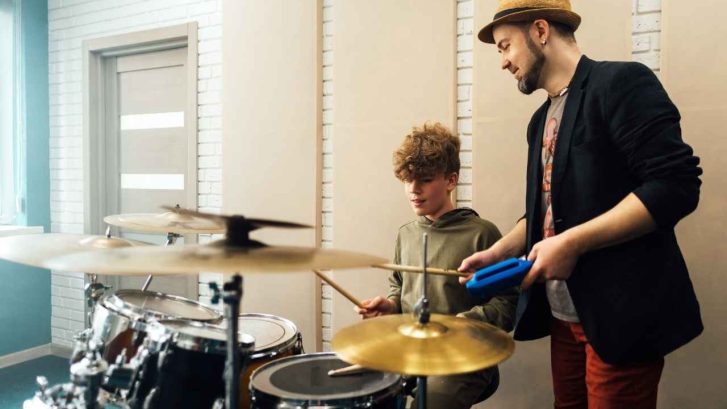
drum lessons being given to child by brother

How Drumming Helps Kids Learn and Grow

There’s something magical about the way a child’s face lights up when they pick up a pair of drumsticks. That first tap on a drum, the reverberation through the air, the immediate cause-and-effect—it’s more than just noise. It’s learning in action.

Drumming taps into a child’s natural curiosity and energy, transforming what might seem like simple play into a full-body learning experience. Without realizing it, kids develop essential life skills, from coordination and focus to creativity and confidence.

Boosting Brain Power Through Rhythm

Drumming activates both hemispheres of the brain, creating strong neural connections that support learning. The combination of movement, sound, and timing makes it an excellent activity for cognitive development. Children who engage in rhythmic activities often show improved performance in math, reading, and problem-solving.

Math and Counting Skills

Rhythm is built on patterns, timing, and sequencing—all essential components of mathematics. When kids play the drums, they count beats, recognize subdivisions, and maintain a steady tempo. This helps develop an intuitive understanding of numbers and fractions. Many teachers use rhythm-based exercises to reinforce mathematical concepts because they make abstract ideas more tangible.

Drumming also teaches proportional reasoning, a skill necessary for understanding ratios, proportions, and equations. A child learning to play in 4/4 time, for instance, begins to grasp how quarter notes, eighth notes, and sixteenth notes fit together in a structured way. This direct, hands-on experience with numerical relationships makes it easier to apply similar logic in math class.

Language Development and Memory

Music and language share many similarities, particularly in how they rely on patterns and structure. Drumming helps strengthen auditory processing skills, which are crucial for learning to read and comprehend spoken language.

When kids play drums, they learn to anticipate changes in rhythm and adjust their playing accordingly. This ability to recognize and predict patterns translates to better reading fluency and comprehension. Studies show that children who participate in music programs tend to have a larger vocabulary and stronger verbal memory compared to those who don’t.

Enhancing Coordination and Motor Skills

Drumming is a full-body activity. It requires hands and feet to move independently while staying in sync with the beat. This improves coordination and strengthens both fine and gross motor skills.

Hand-Eye Coordination and Dexterity

Holding drumsticks, striking different parts of the drum kit, and keeping a steady rhythm all require precision and control. For younger children, these actions help refine motor skills that are necessary for everyday tasks like writing, buttoning a shirt, or using scissors.

Over time, drumming builds strength in the fingers, wrists, and arms, improving overall dexterity. This is especially beneficial for children who struggle with handwriting or other fine motor challenges.

Balance and Bilateral Coordination

Drumming engages both sides of the body simultaneously, helping children develop better balance and coordination. Unlike some activities that favor one dominant hand, drumming requires equal participation from both hands and sometimes even both feet. This strengthens bilateral coordination, which is essential for activities like tying shoes, playing sports, and even basic movement skills.

Encouraging Focus and Patience

Drumming demands concentration. A child must listen carefully, count beats, and maintain a consistent tempo—all while using multiple limbs to create rhythm. This level of focus trains the brain to stay engaged, an important skill for schoolwork and daily responsibilities.

Building Attention Span

In a world filled with distractions, maintaining focus can be a challenge. Drumming provides structured practice in sustaining attention. Kids must stay mentally engaged to follow rhythms, anticipate changes, and synchronize with other musicians. This strengthens their ability to concentrate, which carries over into reading, writing, and other academic tasks.

Developing Discipline and Perseverance

Mastering a new rhythm or drum pattern takes time and repetition. Children must practice, make mistakes, and refine their technique. This process teaches perseverance and patience—important life skills that help with everything from solving math problems to handling setbacks in sports or social situations.

At Ballet Centre Dubai, students experience a supportive environment where they can practice drumming at their own pace. Whether they’re beginners or more advanced, they receive guidance that encourages progress without pressure.

Building Confidence and Self-Expression

Drumming is one of the most expressive forms of music. It allows kids to channel their emotions into rhythm, whether they’re feeling excited, frustrated, or joyful.

Emotional Regulation

For children who have difficulty expressing themselves verbally, drumming provides a healthy outlet for emotions. The physical act of hitting a drum can be both energizing and calming, helping to release tension and reduce stress.

Studies have shown that rhythmic drumming can have a soothing effect on the nervous system, lowering stress hormones and promoting relaxation. Many music therapists use drumming exercises to help children with anxiety, ADHD, and other emotional challenges.

Overcoming Stage Fright

Performing in front of others—whether in a group setting or during a recital—builds confidence. At first, playing for an audience might feel intimidating, but over time, children become more comfortable showcasing their skills. This boost in self-esteem extends beyond music, helping kids feel more confident in school presentations, social interactions, and other areas of life.

Encouraging Teamwork and Social Skills

Drumming is often a group activity, requiring children to listen to one another, keep time together, and adjust their playing in response to others. This fosters important social skills like cooperation, patience, and adaptability.

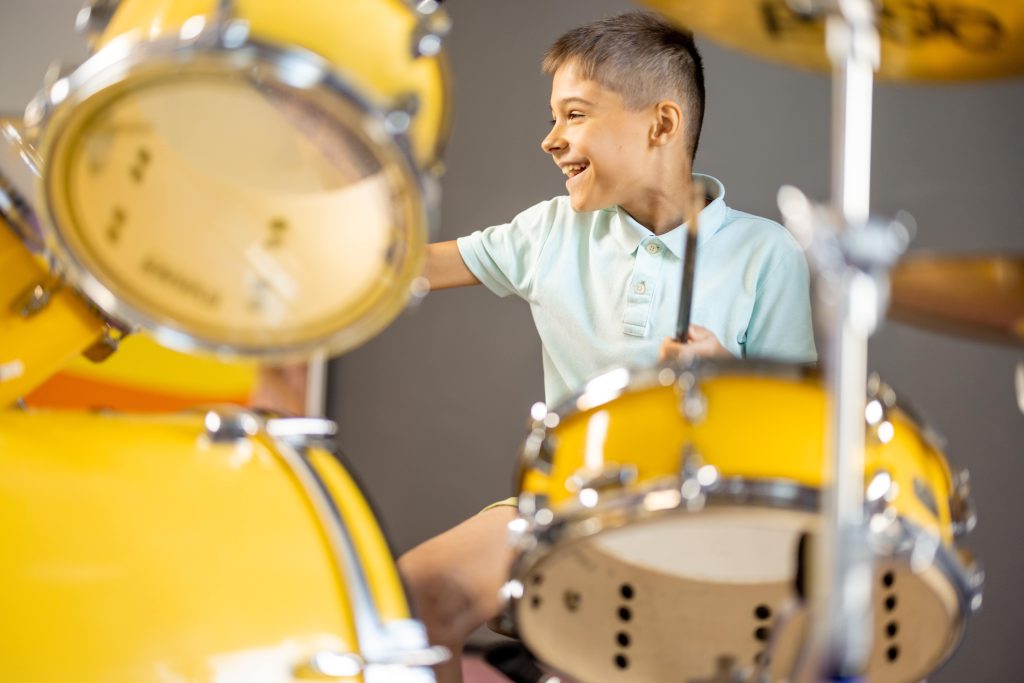
young boy with a big smile while playing yellow drums

Playing in Sync with Others

In a drumming class or ensemble, each child plays a role in creating the overall rhythm. They must listen carefully, follow cues, and stay in harmony with their peers. This teaches teamwork and helps develop a sense of belonging.

At Ballet Centre Dubai, students have the opportunity to participate in group music lessons that encourage collaboration. These classes create a supportive space where kids can learn, grow, and make friends while developing their musical abilities.

Drumming as a Stress Reliever

Even young children experience stress, whether from schoolwork, social dynamics, or daily routines. Drumming offers a natural way to relieve tension. The repetitive motion, combined with the physical exertion, provides an outlet for energy and emotion.

Studies suggest that drumming can lower cortisol levels—the hormone associated with stress—while increasing dopamine and endorphins, which promote happiness and relaxation. This makes drumming not only a fun activity but also a therapeutic one.

A Fun and Engaging Way to Learn

One of the greatest advantages of drumming is that kids genuinely enjoy it. Unlike some traditional learning methods, which can feel rigid or repetitive, drumming provides immediate feedback and a sense of accomplishment. Every beat, every pattern, and every song mastered brings a tangible sense of progress.

Drumming isn’t just about playing an instrument—it’s about developing skills that last a lifetime. Whether improving focus, enhancing coordination, or building confidence, the benefits go far beyond the drum kit. Parents looking for an engaging way to support their child’s growth will find that drumming provides the perfect mix of learning and play.

vocal coach dubai

What Makes a Great Vocal Coaching Program for Kids

For children with a budding interest in singing, a quality vocal coaching program can shape their talent while fostering creativity, confidence, and discipline. But what sets an exceptional program apart from the rest? The answer lies in a few key elements that ensure both technical growth and personal enjoyment.

At Ballet Centre Dubai, our music lessons, including Trinity-certified vocal classes, cater to children of all skill levels. From playful beginners to young performers pursuing serious goals, our approach focuses on skill-building in an engaging and supportive environment. Let’s explore the elements that make a vocal coaching program truly stand out for children.

Engaging Teaching Techniques

Children are naturally curious, and a great vocal program taps into that curiosity. Teachers who incorporate fun exercises, age-appropriate methods, and relatable examples ensure lessons remain engaging. Whether it’s using familiar songs to practice scales or incorporating movement to teach rhythm, these creative approaches keep young learners interested.

At Ballet Centre Dubai, our vocal coaching for kids balances formal training with fun, making each class a joyful experience. Lessons are tailored to the child’s age and ability, which helps build excitement around learning music.

Qualified and Caring Instructors

A warm, knowledgeable teacher can make all the difference. Children need guidance from professionals who not only have strong musical backgrounds but also excel at connecting with young learners. This ensures kids feel comfortable expressing themselves while being challenged to improve.

Our Trinity-certified vocal coaches bring years of experience to their lessons, offering a structured yet approachable style that encourages children to experiment, make mistakes, and grow. A positive student-teacher bond fosters trust and confidence, which is crucial for vocal training.

Focus on Vocal Health

Teaching children proper vocal techniques early on protects their voices for years to come. A strong program prioritizes the fundamentals: breath control, posture, and safe vocal practices. This foundation prevents strain while enabling students to explore different vocal styles as they grow.

During lessons, our coaches emphasize safe practices, showing children how to warm up, project their voice, and manage their breathing. These techniques are not only essential for singing but also enhance their overall communication skills.

Opportunities to Perform

Performance experience is vital for developing stage presence, confidence, and a sense of accomplishment. Children thrive when given opportunities to showcase their progress, whether through small recitals, talent shows, or auditions.

Ballet Centre Dubai organizes regular performances, giving young singers the chance to shine in front of an audience. These events celebrate their growth and provide valuable experience that builds resilience and poise.

A Focus on Building Confidence

Singing in front of others can be daunting, but a supportive environment can transform shyness into confidence. The right program nurtures a child’s self-esteem by celebrating progress and encouraging individual expression.

We ensure every child feels valued, celebrating achievements—big and small—to foster a sense of pride. By balancing constructive feedback with encouragement, we create an uplifting atmosphere that empowers children to step out of their comfort zones.

A Versatile Curriculum

Children’s interests can vary widely, and a versatile curriculum accommodates their preferences. From classical pieces to contemporary hits, a great program introduces students to a wide range of music. This variety not only keeps lessons exciting but also broadens their musical appreciation.

Our vocal classes cover diverse genres, from pop and jazz to classical. By exposing children to different styles, we help them discover their unique voice and preferences while developing versatility as performers.

Support for Exams and Certifications

For families seeking structured progress, exams and certifications provide a tangible way to measure skill development. Reputable programs offer guidance for these milestones, ensuring students are well-prepared and confident.

At Ballet Centre Dubai, our vocal lessons align with Trinity and ABRSM syllabi, giving students the option to pursue internationally recognized qualifications. These certifications are not only an achievement but also a stepping stone for future opportunities in music.

Encouraging Creativity

An excellent vocal program isn’t just about hitting the right notes—it’s also about fostering creativity. Children should be encouraged to improvise, experiment with dynamics, and even write their own songs. This freedom allows them to explore music as a form of personal expression.

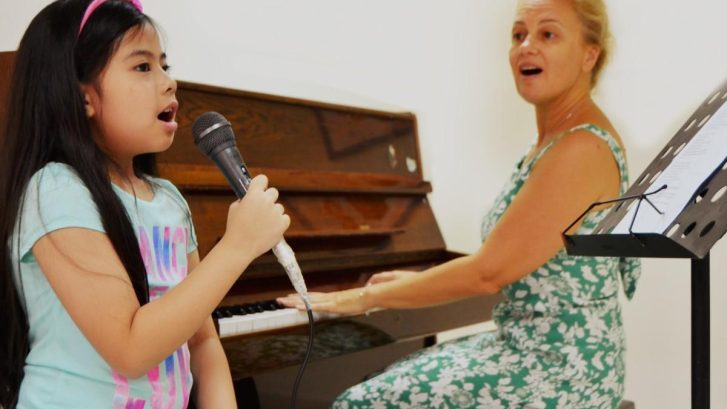
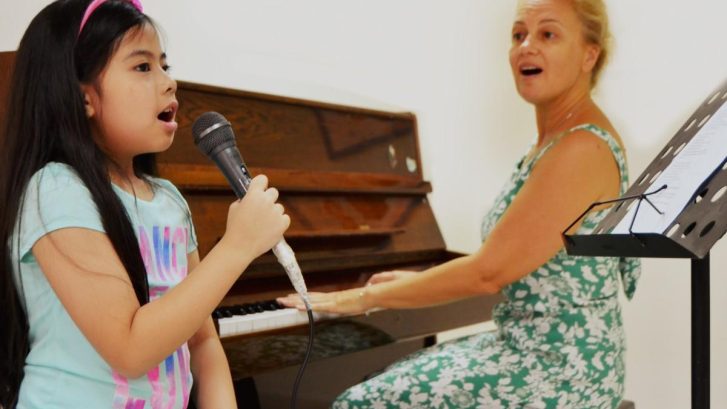
Portrait of a young girl and her mother practicing singing song during a piano lesson at home.

In our classes, children are given room to bring their creativity to life. Whether through collaborative group activities or solo projects, we encourage them to think outside the box and embrace their individuality.

A Warm and Welcoming Atmosphere

Above all, the environment must feel safe and welcoming. Children thrive when they feel supported, and a nurturing atmosphere allows them to take risks and learn without fear of judgment.

At Ballet Centre Dubai, our music classes are designed to be inclusive and encouraging. From the moment families walk through our doors, they are met with a sense of belonging and warmth, making each lesson a positive and enriching experience.

Flexible Options for Families

Parents appreciate flexibility, especially when juggling busy schedules. Programs that offer a range of class times and payment plans make it easier for families to commit to their child’s music education.

We provide flexible payment plans and free trial classes to ensure parents can find the right fit for their child without stress. It’s all part of our effort to make high-quality vocal training accessible to as many families as possible.

A great vocal coaching program for kids combines expert instruction, engaging methods, and a supportive environment to nurture both technical ability and personal growth. At Ballet Centre Dubai, we take pride in offering all of these elements through our Trinity-certified vocal lessons. If you’re ready to help your child discover the joy of singing, contact us today to schedule a free trial class and begin their musical journey.

a child holding a certificate in front of a piano with teacher beside them

A Parent’s Guide to Teaching Piano Basics

Teaching your child the basics of piano can seem like a daunting task, especially if you’re not musically trained yourself. However, with a little preparation and some basic knowledge, you can effectively introduce the wonderful world of music to your child at home. Let’s start by getting to know the instrument itself, setting up a learning environment, and discussing some foundational piano skills.

Understanding the Piano

The piano is a fascinating instrument, both in terms of its design and the beautiful sounds it can produce. Begin by introducing your child to the main components of the piano. The keyboard, made up of black and white keys, is the most interactive part of the piano. Explain that the black keys are used to play what are called sharp and flat notes, while the white keys play natural notes.

The pedals at the bottom of the piano add depth to the piano’s sound. The most commonly used pedal, the sustain pedal on the right, helps to blend the notes together by lifting all the dampers off the strings, allowing them to vibrate freely. Middle pedals can vary in function depending on the piano, but they generally soften the sound, and the left pedal, or soft pedal, changes the timbre by shifting the hammers so they strike fewer strings.

Also, let them see inside the piano if possible, showing the hammers and strings, explaining briefly how pressing a key causes a hammer to strike a string, producing sound. This simple demonstration can demystify the instrument and spark curiosity about the mechanics of music.

Preparing to Teach Piano

Before diving into lessons, setting up an inviting and distraction-free learning space is crucial. This doesn’t need to be a soundproof studio but having a quiet corner with good lighting and a properly sized stool can make a big difference. Ensure the piano is tuned and in good working condition, so the experience is always pleasing to the ear.

Choosing the right piano might involve deciding between an acoustic or a digital piano. Acoustic pianos, while traditional, require more maintenance and space, but they offer authentic sound and feel. Digital pianos, however, can be more budget-friendly and have volume control and headphone options, making them ideal for apartment living. They also often feature a variety of instrument sounds and built-in metronomes, which can be beneficial for practice.

Basic Piano Skills

Now, it’s time to teach some basic skills. Start with the correct sitting posture; sitting up straight but relaxed, at a height where the forearms are parallel to the floor when the fingers are on the keys. Proper finger placement is also essential. Encourage your child to curve their fingers slightly, using the fingertips to press the keys.

Next, introduce the concept of musical notes and scales. You might start with the C Major scale, which consists only of white keys and is relatively easy to memorize. Show them how to play a scale with proper fingering, which is crucial for developing agility and speed later on. Keep the mood light and playful – try singing along to the notes to help them remember the sounds.

Developing a Practice Routine

Establishing a consistent practice schedule is vital to any new skill, especially when it comes to learning an instrument like the piano. It’s not just about finding the time each day; it’s about making practice a fun and rewarding part of your child’s routine.

Start by setting aside a regular time each day for practice, which can help make playing the piano a natural part of your child’s activities. Young children might thrive with shorter, 15-minute sessions, possibly increasing as they grow and their attention span expands. What’s important is that this time is free from interruptions, where your child can focus on playing and enjoying the instrument.

Encouraging consistency doesn’t mean demanding perfection. The goal of regular practice is to build comfort and familiarity with the piano. Celebrate small victories and progress, whether it’s mastering a new note, playing a scale more smoothly, or simply showing up to the piano every day without a fuss.

Introduction to Reading Music

Reading music is like learning a new language. Start with the basics: the musical staff, which is the five lines on which music notes sit. Each line and space represents a different note. Teaching your child to recognize these notes can start with simple mnemonics, like “Every Good Boy Does Fine” for the lines of the treble clef, which represents notes E, G, B, D, and F.

Begin with simple, clear exercises that introduce these concepts slowly. You can use clear, visual materials like flashcards or beginner’s music books. Apps and online games that teach music reading can also be engaging for young learners, making use of interactive elements to reinforce these lessons.

Practicing reading music should be a playful exploration. Try calling out a note and having your child find and play it on the piano, or vice versa. These kinds of interactive games make learning less of a chore and more of a delightful challenge.

Using Teaching Aids and Apps

In today’s digital age, a variety of teaching aids and apps can make learning piano more interactive and enjoyable for children. Apps like Simply Piano or Flowkey provide interactive lessons that cater to different levels and include real-time feedback, which can be incredibly motivating. They often have a wide range of songs and exercises that can keep the practice fresh and engaging.

Physical teaching aids are also invaluable. A metronome, for example, is essential for teaching children about timing and rhythm. Starting slow and increasing the tempo as they become more comfortable can help build their confidence and precision. Music books tailored to children can also be beneficial, as they often include colorful illustrations and songs that are engaging to young learners.

Flashcards are another simple yet effective tool. They can be used to reinforce note reading, recognition of musical symbols, and even basic music theory. Incorporating these into a daily practice session can enhance learning and retention, and make the whole process more interactive.

Tips for Parents as First-Time Instructors

Stepping into the role of a piano teacher for your child can feel a bit overwhelming at first. The key is to remain patient and to provide continuous encouragement. Remember, your primary role is to support and motivate, not to demand perfection on every note. Children will inevitably have days where they struggle or don’t feel like practicing. On these days, it’s important to be especially supportive, acknowledging their effort rather than focusing solely on accuracy.

One effective strategy is to join in during practice times, even if you’re not musically inclined yourself. Showing your own willingness to engage with the music can be a huge motivator. You might even discuss what songs they like and why, which helps you understand their musical preferences and encourages a deeper connection to the learning material.

Dealing with frustration is another aspect of teaching piano that you’ll need to manage. When children get frustrated, they might want to quit. Here, the key is to help them break down the music into smaller, manageable sections, ensuring they succeed step by step. Celebrating these small successes can boost their confidence and encourage persistence.

Monitoring Progress

Keeping track of your child’s progress is important, not just for measuring their success, but for maintaining their motivation. Setting small, achievable goals can help them see their progress and feel proud of their achievements. This might be mastering a particular piece, playing a scale without mistakes, or simply being able to sit through a longer session at the piano.

young girl playing the piano

It’s also important to be flexible with these goals. If a particular piece is too challenging, it’s okay to switch it up with something else that keeps the learning experience enjoyable. Regular, positive feedback on their progress can make a huge difference in how they perceive their piano practice and overall musical journey.

As your child progresses, make a point of listening to them play and offering specific, positive feedback. For instance, you might say, “I love how smoothly you played those notes,” or “You’ve really mastered that song!” It’s these moments of acknowledgment that often keep kids engaged and eager to improve.

Excel At Piano

Teaching your child by yourself can be a rewarding experience but if you truly want them to excel to advanced stages the Ballet Centre Dubai is the ultimate destination for aspiring pianists seeking to elevate their skills and achieve musical excellence. With highly qualified instructors and a comprehensive curriculum, the centre provides personalized lessons that nurture both technical precision and artistic expression. Whether your child is just beginning or ready to master complex compositions, the Ballet Centre Dubai offers the ideal environment to unlock their full musical potential and inspire a lifelong passion for piano.

Conclusion

Starting your child on their musical journey with piano can be a deeply rewarding experience. As you embark on this path together, remember to keep the atmosphere light and enjoyable. Encourage curiosity and resilience, and be there to support them through the ups and downs. With a bit of patience and a lot of encouragement, you’ll be amazed at how much your child can learn and grow.

If you don’t have the patience or want the hassle of teaching your child yourself, why not schedule the first practice session today with The Ballet Centre Dubai? It could be the beginning of a lifelong love of music for your child. Just imagine the beautiful music that will fill your home as your child explores the piano, one note at a time. Let the music play, and enjoy every moment of this musical adventure together.

An old grandmother smiles as she's talking beside her grandmother

Music Therapy for Mental, Emotional, and Physical Well-Being

Music therapy, a therapeutic approach that harnesses the power of music to address various health issues, has gained recognition for its effectiveness across mental, emotional, and physical domains. At its core, music therapy uses music-based interventions to improve an individual’s health and well-being. Managed by qualified therapists, these interventions can vary widely but are all aimed at achieving personalized care goals.

Understanding Music Therapy

Music therapy involves structured sessions where music is the medium of therapeutic interaction. These sessions might include creating, singing, moving to, or simply listening to music, depending on the objectives set by the therapist and the client’s needs. This therapeutic form is recognized as an allied health profession and has been rigorously developed to cater to various patient needs, whether in hospitals, schools, residential treatment facilities, or community centers.

There are two primary forms of music therapy: active and passive. Active music therapy invites the client to partake in creating music, like playing instruments or using their voice, facilitating a hands-on engagement with the therapy. Passive music therapy, on the other hand, involves the client in listening experiences where the therapist plays or selects music to provoke a psychological, emotional, or physical response that is beneficial to the client’s condition.

The role of a music therapist is multifaceted, requiring a deep understanding of music’s psychological impacts and proficient skills in therapeutic practices. These professionals are trained to tailor their musical interventions to align closely with their clients’ personal health goals, which could range from managing stress, enhancing communication skills, to promoting physical rehabilitation.

Music Therapy and Mental Well-being

Mental well-being is perhaps the most recognized benefit of music therapy. Through targeted interventions, music therapy can significantly alleviate symptoms of stress and anxiety. Listening to soothing music, for instance, has been shown to lower cortisol levels, a hormone closely linked to stress. Similarly, engaging in active music creation can serve as a healthy outlet for expressing feelings and reducing overall anxiety.

The role of music therapy in combating depression is another area where its benefits are highly visible. By fostering an environment of safety and encouragement, music therapy sessions help individuals explore and express their emotions, which can be particularly therapeutic for those feeling isolated or withdrawn due to depression. Furthermore, the structured yet flexible nature of music therapy allows it to be adapted to individual needs, making it an effective support alongside more traditional treatments like medication and psychotherapy.

Music therapy also offers significant benefits to other mental health conditions, providing a unique source of support for people dealing with emotional challenges. Whether it’s helping children with developmental delays enhance their communication skills or assisting adults in managing acute mental health episodes, the adaptability of music therapy makes it a valuable tool in mental health care.

Music Therapy and Emotional Well-being

Music therapy uniquely supports emotional health by facilitating the expression and processing of complex feelings. The act of engaging with music, whether by playing an instrument or listening, can help individuals articulate feelings they might find difficult to express otherwise. This process can lead to significant breakthroughs in therapy, where clients find new ways to articulate their emotional experiences and insights.

Furthermore, music therapy can bolster self-esteem and confidence. For many, mastering a musical instrument or vocal performance within the therapeutic setting can provide a profound sense of accomplishment and self-worth. These experiences are especially beneficial for individuals struggling with self-image or confidence issues, providing them with tangible successes and positive feedback in a supportive environment.

Lastly, music therapy aids in building emotional resilience, equipping individuals to better handle life’s ups and downs. Through repeated exposure to therapeutic music experiences, individuals can learn coping strategies that help moderate emotional responses to stressors. This aspect of music therapy is crucial in building a more emotionally resilient and balanced life.

Music Therapy and Physical Well-being

The benefits of music therapy extend beyond mental and emotional health, touching on physical wellness too. Many people are surprised to learn that music can play a significant role in managing physical pain and aiding bodily healing. The soothing qualities of music help to distract from pain, lower stress levels, and induce a meditative state, which can all contribute to a higher pain threshold.

One notable area where music therapy has made strides is in the management of chronic pain. Patients dealing with long-term pain from conditions like arthritis or back problems have reported significant reductions in their pain levels during and after music therapy sessions. The rhythm and melody can help redirect the patient’s focus away from the pain, offering a form of escape that painkillers might not always provide.

Music therapy also supports physical rehabilitation efforts. For those recovering from strokes or traumatic injuries, music can stimulate neural pathways involved in muscle coordination and mobility. Engaging with music—especially playing instruments—can improve fine motor skills and coordination in a way that feels more like play and less like therapy, which can boost motivation and engagement.

Additionally, the influence of music on physiological factors like blood pressure and heart rate is well-documented. Slow, calming music can help to slow the heartbeat and lower blood pressure, creating physical conditions conducive to healing and recovery. This physiological response also supports better sleep patterns and reduced anxiety, further aiding physical health.

Integrating Music Therapy in Everyday Life

Bringing music therapy into everyday life doesn’t necessarily require a music therapist. For those interested in the benefits but unable to access professional services, there are ways to incorporate elements of music therapy at home. It starts with choosing the right type of music. Not all music works equally well for everyone; what soothes one person might energize another. It’s important to experiment with different genres and styles to discover what works best for your specific needs.

For relaxation and stress relief, many find slow, lyrical pieces effective, especially classical, jazz, or soft pop. On the other hand, if you’re using music to boost your mood or energy levels, something with a faster tempo might be more appropriate. Creating playlists for different purposes—relaxation, concentration, mood enhancement—can help you use music intentionally throughout your day.

Practicing DIY music therapy techniques can also be simple. Engaging in regular, mindful listening sessions—paying close attention to the different instruments and lyrics—can be a meditative and therapeutic exercise. For those who are more hands-on, trying out instruments like the keyboard, guitar, or even digital music software can be both therapeutic and enriching.

Lastly, consider the environment in which you listen to music. A quiet, comfortable space can enhance the therapeutic effects of music. Whether it’s a dedicated corner of your home with a comfy chair and headphones or a more communal space where you can share the experience with family, setting matters. The goal is to create a setting that supports relaxation and reflection, maximizing the therapeutic benefits of your music listening experience.

Enhancing Communication Through Music

Music therapy can play a pivotal role in improving communication skills, especially for those who find verbal communication challenging. This is particularly evident in working with children and adults with developmental disabilities, where music acts as a universal language. By engaging in singing or music-making activities, individuals may experience improvements in articulation, rhythm, and vocal expression, which directly translate to better verbal communication.

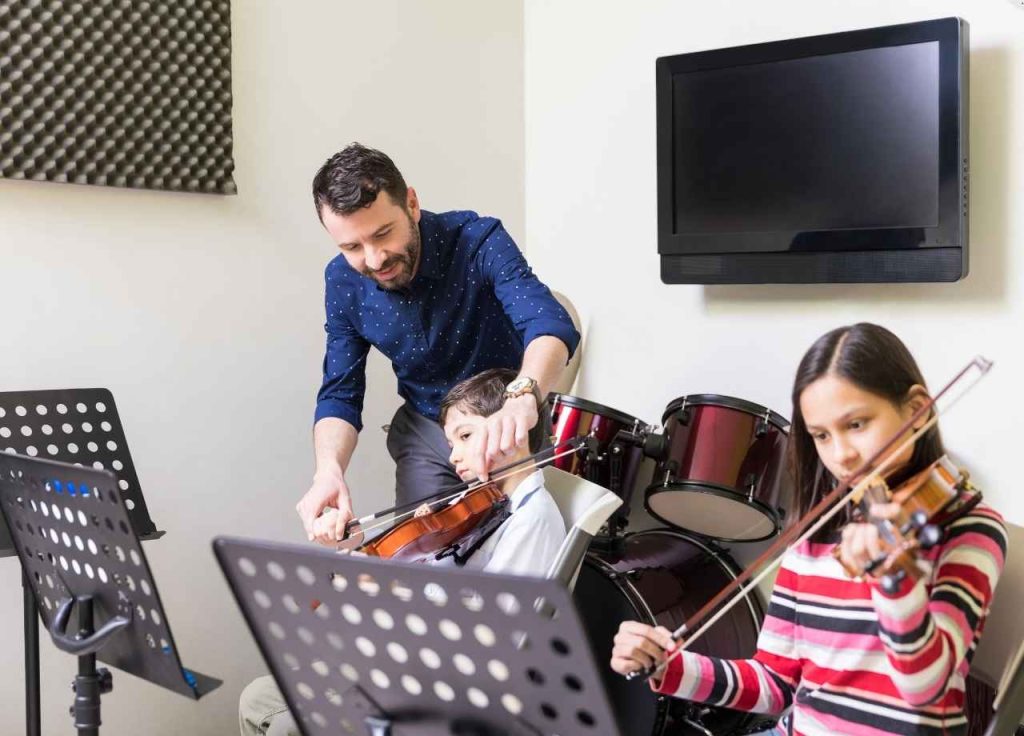
music instuments being played by children in lesson

Moreover, music can encourage social interaction, which is essential for building relationships and community ties. Group music therapy sessions provide a safe environment for people to connect with others, share experiences, and express themselves in ways that words sometimes cannot capture. This social aspect of music therapy not only enhances communication skills but also fosters a sense of belonging and community among participants.

Coping with Life’s Challenges

Life throws various challenges our way, and music therapy can equip us with the emotional resilience to face them. Regular engagement with music can help manage stress, provide emotional release, and maintain a positive outlook. The therapeutic process of creating or listening to music can make it easier to navigate life’s ups and downs, offering a stable and comforting presence in times of change or uncertainty.

For those going through significant life transitions, such as moving to a new city, starting a new job, or dealing with loss, music therapy can be a supportive resource. It offers a creative outlet for processing emotions and adapting to new circumstances, helping individuals to move forward with confidence and strength.

Music Therapy By Professionals

At the Ballet Centre Dubai, music therapy sessions are thoughtfully crafted by skilled professionals to harness the power of music for holistic well-being. These sessions blend therapeutic techniques with engaging musical activities, offering benefits that range from reducing stress to improving communication and emotional resilience. Whether through active participation or calming listening exercises, the Centre provides a nurturing environment where individuals can heal, grow, and thrive through the transformative power of music.

Conclusion

Music therapy is more than just a way to pass the time; it’s a profound therapeutic tool that offers wide-ranging benefits for people of all ages and backgrounds. Whether you’re looking to improve your mental and emotional well-being, enhance your physical health, or simply find new ways to communicate and express yourself, music therapy provides a unique and effective solution.

Why not give music therapy a try in your own life? Start by exploring different genres and styles to find what resonates with you, or consider joining a community music group to experience the benefits of shared musical interaction. The simple act of integrating more music into your daily routine can be a significant step toward enhanced well-being and happiness. Remember, in music therapy, there’s no right or wrong music—there’s only your music, your journey, and your healing.

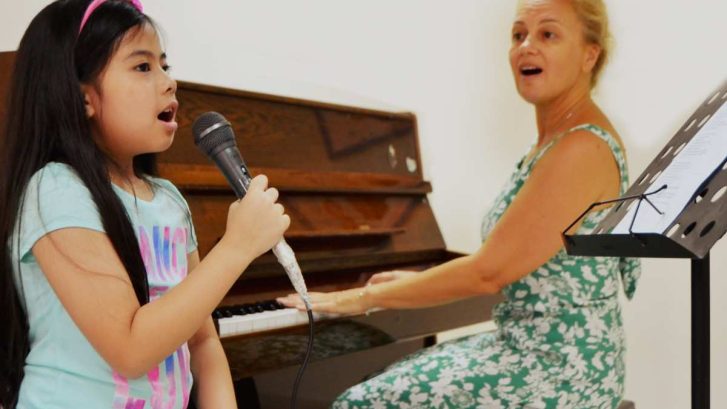
Child holding mic and singing while teacher plays piano

Nurturing Young Talent Through Singing Lessons

Music plays a vital role in the development of children, offering not just a form of expression but also a means to enhance their cognitive, emotional, and social abilities. Singing lessons, in particular, can be a powerful tool to cultivate these skills from a young age. By starting early, children can grow their talents in a way that feels both natural and enjoyable.

The Cognitive, Emotional, and Social Benefits of Singing

Singing is much more than just a musical skill. For young learners, it acts as a multi-faceted educational experience that touches on several aspects of personal development. On the cognitive front, engaging with music helps children improve their memory and concentration skills. Learning lyrics, melodies, and rhythms requires a level of focus that is transferable to academic settings. Furthermore, singing involves language skills, which aids in the development of communication abilities and linguistic diversity.

Emotionally, singing can be profoundly impactful. It provides a safe space for children to express their feelings and can be a great outlet for emotions. This form of expression helps children understand and manage their feelings better, building emotional intelligence that will serve them throughout their lives. The act of performing can also boost self-esteem and confidence, teaching youngsters to trust their abilities and appreciate their own voices.

Socially, singing lessons often involve group activities that require cooperation and interaction. Children learn to work as part of a team, listen to each other, and share the spotlight. Such interactions can enhance empathy and understanding, as they recognize and appreciate the diverse abilities and contributions of their peers. Group performances can also forge strong bonds among participants, creating a community of young musicians who support and motivate one another.

Adapting Techniques for Different Age Groups

The approach to teaching singing varies significantly with the age of the learners. For toddlers, the focus should be on making music fun and engaging. Simple songs, repetitive patterns, and lots of movement help keep young children captivated. Teachers should encourage them to enjoy the sound of their voices without worrying about precision or technique.

As children grow older, more structured lessons come into play. For those in the primary school range, it’s about building a foundation. Teachers can introduce basic musical concepts such as pitch, rhythm, and scales. Children at this stage are more capable of handling structured activities and can begin to practice more consistently. This is also an ideal time to encourage practice at home, integrating music into their daily routines.

Teenagers, on the other hand, might be interested in refining their skills and perhaps even pursuing music more seriously. For them, singing lessons can be tailored to include advanced techniques, such as breath control and vibrato, as well as opportunities to choose their pieces and explore different musical styles. This age group can handle more direct feedback and take on personal responsibility for their musical growth.

Choosing the Right Instructor

Finding the right singing teacher is crucial. The instructor’s qualifications are important, but so is their ability to connect with children. Each teacher has a unique style, and it’s important that their approach matches the learning style of the student. For instance, a very young child might need a teacher who is playful and energetic, whereas a teenager might benefit from someone who is more technically focused and detail-oriented.

The personality fit is just as essential as teaching style. A good rapport between teacher and student can make the difference in how engaged and motivated the student is. Trust, respect, and communication are key components of a productive teacher-student relationship.

Structuring Singing Lessons for Optimal Engagement

When planning singing lessons for children, the structure of each session can make a big difference in how much they enjoy and benefit from the experience. The length and frequency of lessons should be carefully considered based on the child’s age. Young children often do best with shorter, more frequent lessons that keep their attention without overwhelming them. As kids get older, they can handle longer sessions where more complex skills are developed.

It’s important to strike the right balance between theory and practice in these lessons. While it’s essential for young singers to understand musical concepts, too much theory can become tedious. Practical, hands-on experience is what really fuels their passion for music. Engaging them with interactive singing activities, playful competitions, and even digital tools like apps or games that teach music theory can help maintain their interest.

Technology has become a great ally in modern music education. Apps that provide real-time feedback on pitch and rhythm, or software that allows students to record and listen to themselves, can be incredibly beneficial. These tools make learning more interactive and fun, and they’re something kids can use outside of lessons, deepening their engagement with singing.

Handling Challenges and Setbacks

Learning to sing isn’t always smooth sailing, and it’s normal for children to face challenges along the way. One common issue is performance anxiety. Many children feel nervous about singing in front of others, especially in a recital or competition setting. To help them manage these fears, it’s crucial to create a supportive environment where they feel safe and encouraged. Simple techniques like deep breathing exercises or visualization can also be taught to help them calm their nerves.

Keeping children motivated over the long term is another challenge. The novelty of learning to sing can wear off, especially if they feel they aren’t progressing or if lessons become repetitive. To combat this, teachers and parents need to keep things lively and engaging. This might mean changing up the song selections, incorporating games into lessons, or setting up small, informal performances where children can show off what they’ve learned without the pressure of a big audience.

Vocal health is another important area that sometimes gets overlooked. Young voices are delicate, and it’s easy for kids to strain them by singing too loudly or for too long. Educating children on how to use their voices safely is crucial. This includes teaching proper breathing techniques, how to warm up their voices, and recognizing when they need to take a break.

Measuring Progress and Success

For children, seeing that they are making progress in their singing can be a big boost to their confidence and motivation. It’s important for teachers and parents to set clear, achievable goals for them, whether it’s mastering a new song, improving their pitch accuracy, or performing in front of an audience. These goals should be tailored to the child’s age and skill level so they feel attainable.

Four children of various ages on singing stage

Feedback is a vital part of learning to sing. It needs to be constructive and focused on specific areas for improvement. For example, rather than saying a performance was just “good” or “bad,” a teacher might point out how the child has improved their breath control since their last lesson, and suggest focusing next on enunciation.

Celebrating milestones is just as important as setting them. When a child achieves a goal, no matter how small, taking the time to celebrate that achievement can make them feel valued and proud of their efforts. This doesn’t always mean big rewards; often, simple recognition and praise from their teacher or parents are enough to reinforce their desire to continue and succeed in their singing journey.

Learn With The Best

The Ballet Centre Dubai, with its decades of experience in arts education, is an excellent choice for children interested in learning music. Their music programs, including singing lessons, are thoughtfully designed to foster both talent and confidence in young learners. Combining professional instructors with a nurturing environment, the Ballet Centre provides a foundation for children to explore and develop their musical abilities while building essential life skills.

Conclusion

Singing lessons offer more than just musical training for children. They are a gateway to developing valuable life skills like confidence, self-expression, and perseverance. For parents considering this enriching activity for their children, it’s important to choose the right program that focuses not only on musical growth but also on personal development. With the right instructor and a supportive environment, your child can truly flourish both as a singer and an individual.

If you’re looking to nurture your child’s talent and see them grow in confidence and skill, why not explore local singing lessons? It could be the start of a rewarding journey that goes far beyond the music.

1 2 3 4