Cello Lessons: How to Play, & Is It Easy to Learn?
Discover how cello lessons shape behavior and focus in children! Learn what a cello is, how to play, and whether it's easy to learn for young musicians.
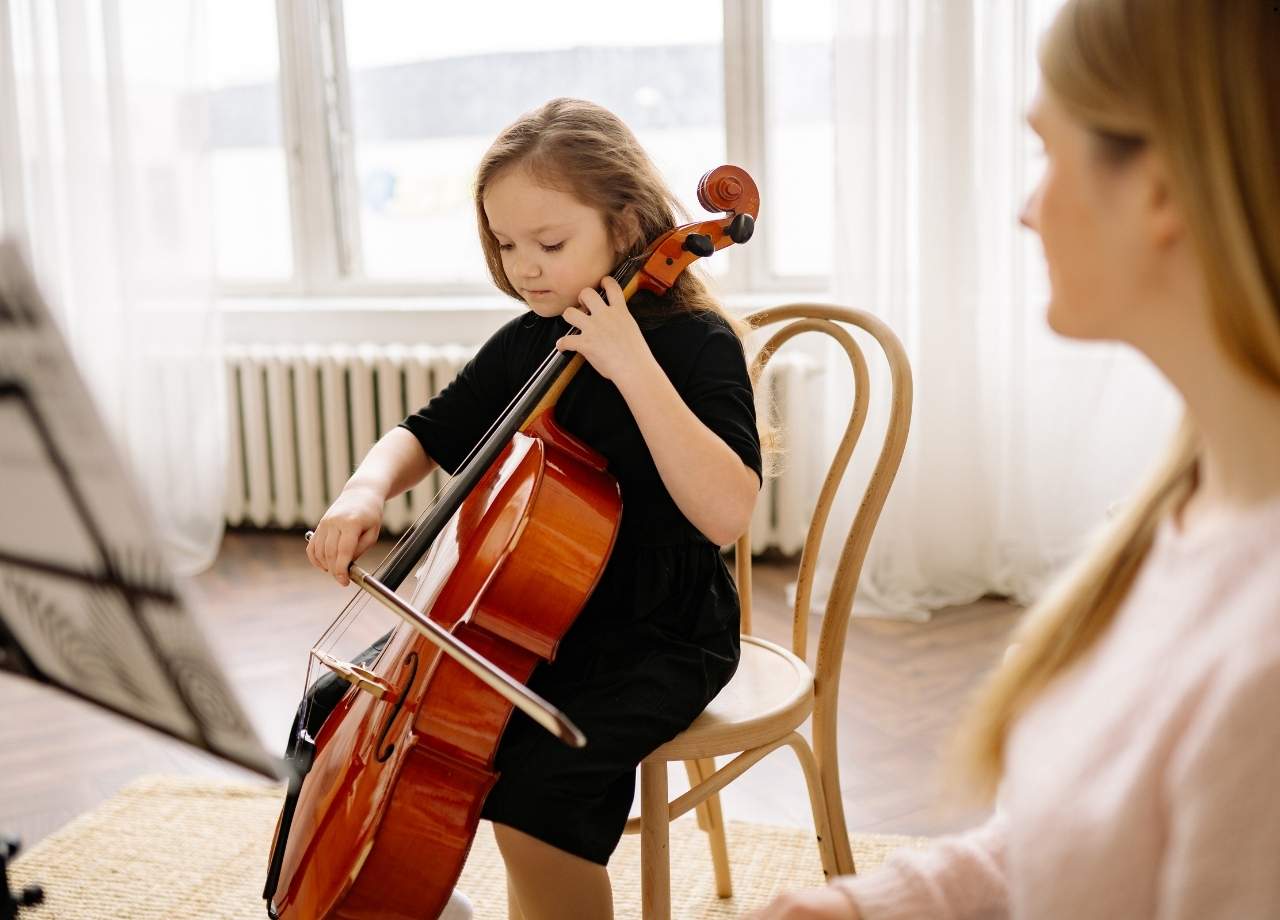
Exploring the gentle strings and deep resonances of the cello can do more than just teach a child to play music-it can transform them. This blog delves into how cello lessons can profoundly shape a child’s focus, behavior, and overall development, opening up a world of possibilities for their future.
Understanding the Cello’s Complexity And Appeal
The cello, with its deep, resonant tones and elegant form, is more than just a musical instrument; it’s a gateway to a rich learning experience for children. Unlike smaller string instruments, the cello demands a certain physicality that can be both challenging and rewarding for young players. This challenge is part of what makes the cello so appealing to children and their parents alike. Its sound, capable of producing everything from powerful, bold pitches to soft, melodic whispers, captures the imagination and encourages emotional expression in ways few other instruments can.
Playing the cello requires understanding its unique mechanics and learning to interpret musical notation, which can significantly boost cognitive skills such as critical thinking and spatial awareness. As children navigate through these complex tasks, they not only learn music; they learn how to learn, setting a foundation for all future educational endeavors.
Cognitive Benefits of Learning The Cello
The process of mastering the cello offers profound cognitive benefits. Studies have shown that children who engage in music education tend to perform better in areas requiring high levels of concentration and detailed analysis. Learning to play the cello involves both hemispheres of the brain, which enhances memory and problem-solving skills. It also improves children’s ability to process multiple types of information simultaneously, a skill that translates well beyond the music room.
Moreover, the discipline of regular practice and the need to focus during lessons can heighten children’s overall attention span and their ability to concentrate on tasks in more academic settings. These skills are often visible in improved performance in subjects like math and reading, where attention to detail and systematic thinking are crucial.
Emotional and Behavioral Advantages
The emotional benefits of cello lessons are equally significant. Learning any musical instrument can be a deeply emotional experience, but the cello, known for its closeness to the human voice in tone, can particularly help children express and manage their feelings. Playing music can serve as an outlet for emotions, which is crucial during the often tumultuous years of childhood and adolescence. This emotional release can lead to better mood regulation, reduced stress, and a healthier mental state overall.
Discipline is another critical aspect that music education fosters. Regular practice sessions require commitment and patience, qualities that, once developed, are likely to spill over into other areas of life. Teachers and parents often report noticeable improvements in behavior and increased responsibility in children who take music lessons. This discipline can lead to better habits at home, such as regular homework completion and chores, demonstrating how musical training can reinforce positive behavior.
Physical Development Through Cello Lessons
Playing the cello is not just an art; it’s also a physical workout that involves the whole body. From maintaining the right posture to managing precise finger movements on the strings, cello playing helps enhance children’s physical coordination and strength. Such physical engagement promotes overall motor skills that are beneficial in many other activities and sports.
Furthermore, the act of holding the bow and drawing it across the strings develops fine motor skills and hand-eye coordination. These are critical developmental areas for children, impacting everything from writing to sports and other instruments. The physical demands of playing the cello can also contribute to better overall physical health and encourage a lifelong habit of good posture.
Social Skills Enhancement
Group settings in music education, such as ensemble playing and public performances, provide rich soil for nurturing social skills. When children participate in cello lessons, they often have opportunities to engage with peers through recitals or even small group practices. This engagement requires communication and cooperation, which are crucial components in any collaborative effort.
Children learn to listen to each other’s parts, time their own entries, and adjust their playing in response to the group’s needs. These activities foster a sense of community and support among young musicians, encouraging them to work together harmoniously. Performing in front of an audience also boosts children’s confidence and helps them manage anxiety related to public speaking and performance, skills that are valuable throughout life.
Impact on Academic Performance
The discipline and focus required to learn the cello have positive repercussions in the classroom as well. There’s a well-documented link between musical training and academic success, particularly in disciplines like mathematics and language arts. Music education emphasizes patterns, fractions, and rhythm, which directly correlate with mathematical concepts. Reading music also enhances language skills, as it involves decoding symbols and interpreting them to create meaning, much like reading text.
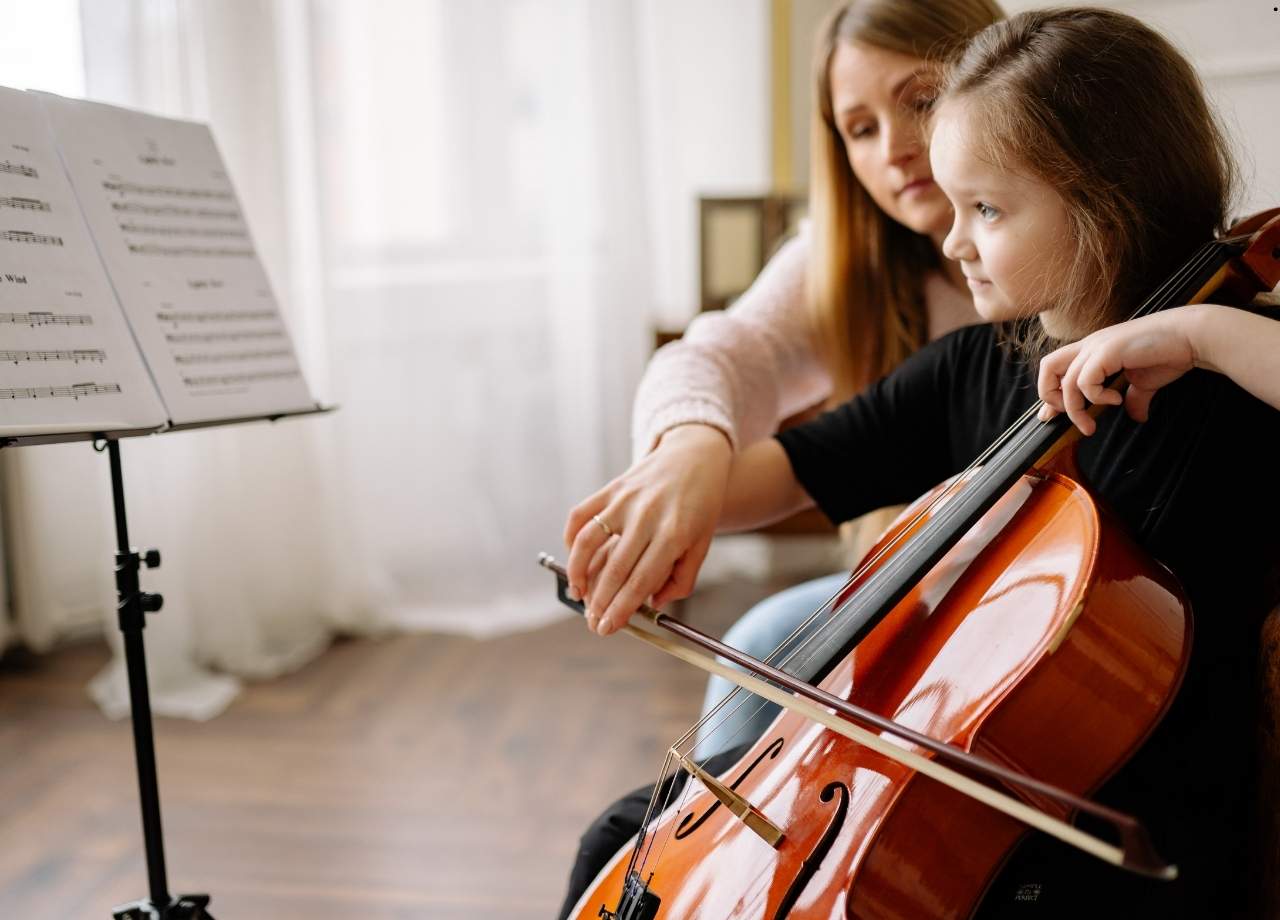
Additionally, the concentration that music demands can lead to improved attention spans in children. This enhanced ability to focus is a significant advantage in any academic setting, where children need to absorb and process new information, participate in discussions, and complete exams. Teachers often notice more diligent and attentive behavior in students who are involved in music lessons, showing how these skills transfer to academic achievements.
Long-term Effects Of Cello Instruction
The benefits of learning the cello extend far beyond childhood, influencing a person’s life and career well into adulthood. Early musical training shapes traits such as resilience and perseverance. The effort required to master challenging pieces or improve technique through repetitive practice teaches children that persistence pays off. These are the same traits that stand individuals in good stead in their professional lives, promoting a work ethic that is likely to lead to success in various fields.
Moreover, the self-expression and emotional intelligence developed through music can enhance interpersonal skills and empathy, qualities that are increasingly recognized as important in any career. Many adults who took cello lessons as children speak of music as a lifelong companion that provides stress relief, joy, and a creative outlet.
Conclusion
Cello lessons offer far more than just music education. They shape young minds and bodies, preparing them for the challenges of life with skills that extend well into adulthood. From enhancing academic performance to boosting social skills and emotional intelligence, the benefits of learning this profound instrument are comprehensive and impactful.
For parents thinking about enriching their child’s life with music, starting cello lessons could be a key step towards fostering not just a talented musician but a well-rounded, thoughtful individual. If you’re interested, why not explore local music schools or independent instructors? It could be the beginning of a beautiful journey for your child, filled with growth, discovery, and the joy of music. Let’s give our children the tools they need to build a confident, capable future, starting with the enriching power of the cello.