9 Amazing Benefits of Children's Ballet Lessons
Inspire grace with children’s ballet lessons designed for all skill levels. Enroll now and let your child discover the joy of movement and rhythm.
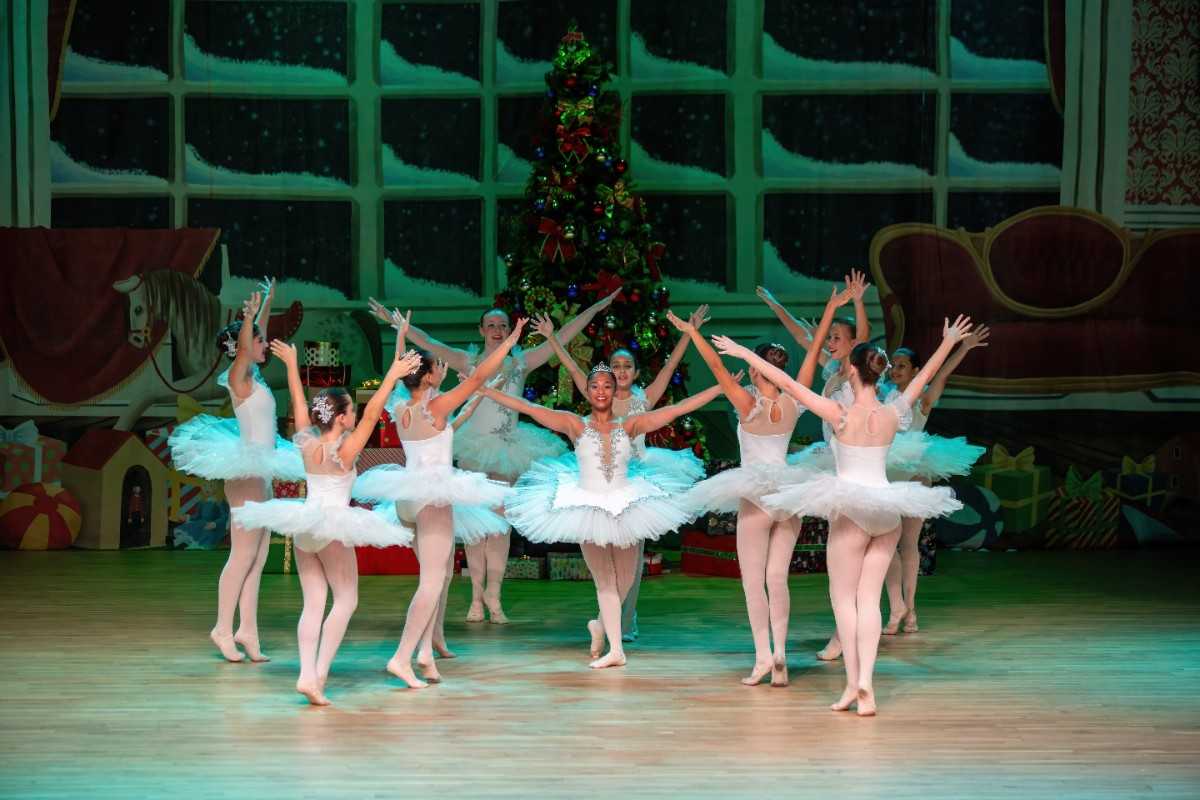
Children don’t need a packed schedule or the latest tech to thrive-they need movement, focus, expression, and community. Ballet offers all of that in a way that feels like magic to a child. The discipline and elegance of ballet aren’t just for the stage-they shape who a child becomes. Whether your child is tiptoeing into their first plié or dreaming of grand jetés across the stage, ballet opens up far more than dance steps.
Here’s how ballet becomes a foundation-not only for graceful movement but for lifelong growth.
Confidence That Stays With Them
A young dancer might begin their first class hiding behind a parent’s leg, but week by week, they start to stand a little taller. They remember their movements, they listen to cues, and they begin to realize, “I can do this.” That feeling becomes internalized. Ballet doesn’t just teach children to perform-it teaches them to believe in their ability to overcome discomfort, improve, and show up fully.
That quiet pride after a class well done, especially when they’ve pushed through a tough rehearsal-is something many parents mention when they see their children grow in ballet.
Physical Strength and Coordination
Ballet strengthens muscles in a way that’s balanced and safe. From strong ankles to stable cores, children develop a keen sense of their physical ability through precise, age-appropriate exercises. It’s not just about posture or turnout-it’s about learning how their body moves through space and how to control that movement with intention.
At Ballet Centre Dubai, instructors trained in the Royal Academy of Dance (RAD) curriculum ensure that every plié and tendu is both technically correct and developmentally sound. This builds strength without pressure, allowing children to grow naturally into their physical power.
Focus and Discipline (Without Pressure)
One of the quiet wonders of ballet is the way it teaches discipline without harshness. Children learn to wait their turn, to listen for musical cues, to adjust their arms just so-all without ever feeling like they’re being disciplined. The structure of a ballet class does this work gently and consistently.
Kids begin to understand that progress comes from repetition. They start to crave the precision of a well-done combination. That focus often spills over into their schoolwork, helping them stay attentive and calm when it counts.
A Safe Outlet for Big Feelings
Children don’t always have the words for what they feel-but they do have their bodies. Ballet becomes an emotional outlet without ever needing to label it as such. The act of dancing, even within structured choreography, gives children the space to express, to release energy, and to embody feelings they might not understand.
Some parents say they see a shift in their child’s mood after class, lighter, more open, more centered. That’s no accident. Movement clears emotional clutter. And in a welcoming studio with trusted instructors, kids feel safe doing just that.
Artistic Appreciation Begins Early
Children who study ballet begin to recognize beauty in small details-a curved arm, a graceful leap, a soft finish. Their artistic sensibility sharpens, not just through watching professional performances but through participating in the art themselves. They learn to appreciate music, rhythm, costume design, and storytelling through movement.
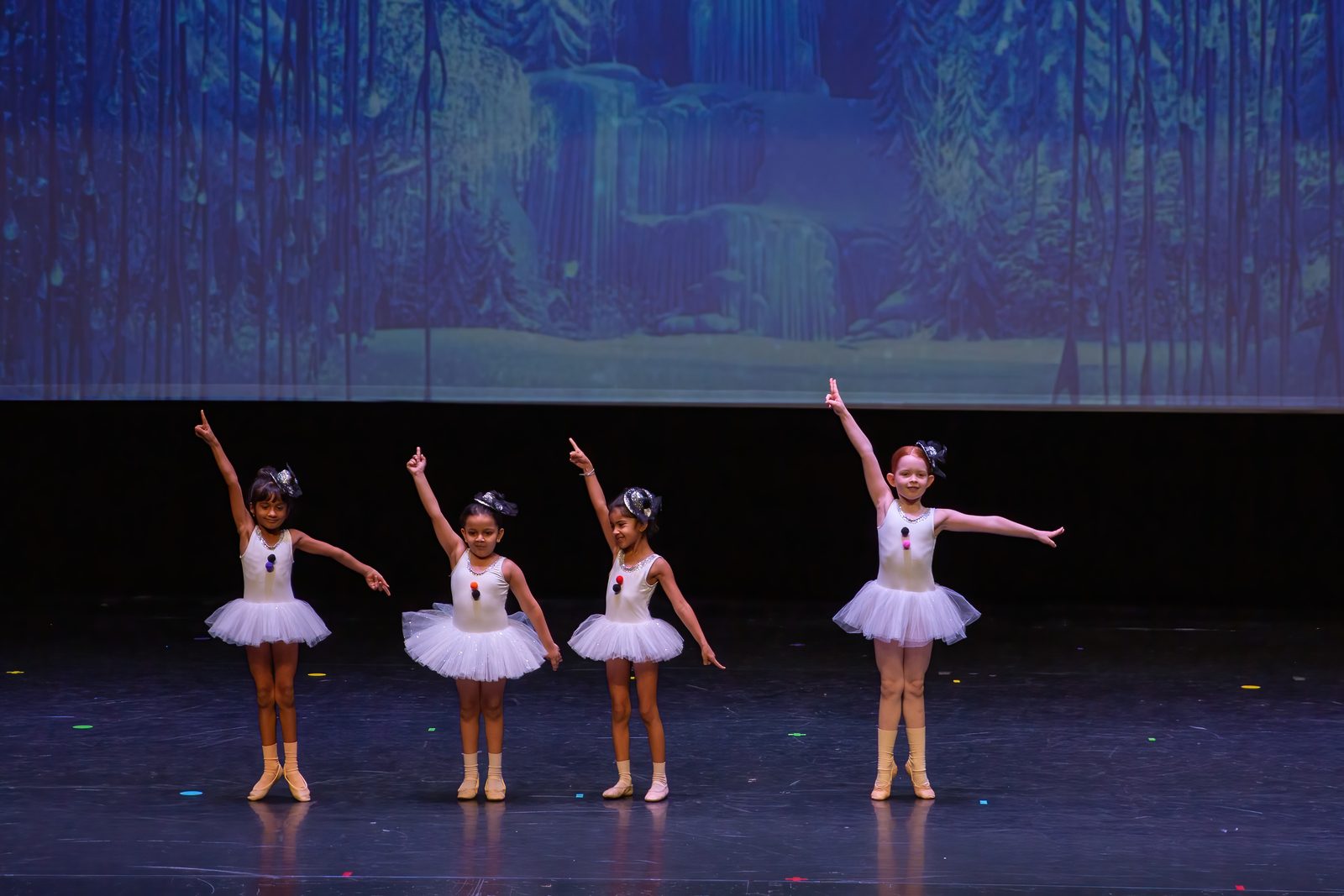
Drama, music, and visual arts often go hand in hand with ballet. At centres that offer interdisciplinary classes, including Trinity drama and ABRSM music programs, young dancers can explore their full creative range.
Friendship and Social Skills
Ballet brings children together in ways that encourage cooperation rather than competition. They stand in lines, hold formations, and learn to move in harmony. That physical collaboration builds an unspoken bond. Over time, students begin to cheer one another on, offering help and encouragement without prompting.
Friendships formed in ballet are often rooted in shared goals and mutual respect. Especially in multi-level studios, younger dancers often look up to older students, creating a kind of quiet mentorship that’s heartening to watch unfold.
Resilience Through Routine
Ballet isn’t learned in a day. Children get used to not mastering something the first-or even tenth-time. They stumble, they reset, they try again. That pattern becomes familiar, and eventually, reassuring. Mistakes aren’t humiliations-they’re just part of how ballet works.
Children who embrace this rhythm of effort and improvement tend to build emotional resilience without realizing it. They stop fearing failure. They begin to see themselves as capable learners, not perfect performers. That mindset sticks, long after the leotards are folded away.
Healthy Habits for a Lifetime
Regular ballet classes create structure in a child’s week. They begin to associate movement with enjoyment. They stretch, hydrate, eat well before class-and these habits, introduced early, often grow into adult patterns.
Because ballet develops the body evenly, with attention to posture, balance, and strength, it reduces the risk of early sports injuries. Kids stay active in a way that feels purposeful and gentle, avoiding the burnout that can come from more aggressive programs.
Parents at Ballet Centre Dubai often mention how their children develop a natural awareness of how they feel physically, whether it’s tension in their shoulders or the energy they gain from a good class. That awareness lays the groundwork for body respect, not just body image.
A Quiet Sense of Joy
Ask a child after their first ballet class what they liked best, and the answers are rarely what you’d expect. “I liked the way my feet made that brushing sound.” “I liked the music.” “I liked when we flew with our arms.” It’s in these tiny details that the joy of ballet lives for children.
It’s not about performance or approval. It’s about the pleasure of movement, the comfort of repetition, and the thrill of doing something beautiful with their own bodies.
Ballet may be structured, but within that structure, there’s space for magic. The giggles in warm-up, the moment a student finally nails a balance, the quiet clapping after a class dance-they all add up to something deeply joyful.
Ballet doesn’t promise perfection. What it offers is far better: a graceful foundation for growth. From discipline to creativity, physical health to emotional expression, ballet meets children where they are and guides them gently toward who they’re becoming.
At Ballet Centre Dubai, programs in RAD ballet, ISTD Modern, drama, and music lessons are taught with care and expertise in a warm, KHDA-approved setting. Whether you’re exploring a free trial class or looking for a long-term path, there’s room to begin beautifully.