Children's Vocal Lessons: Know Your Vocal Range & Type
Nurture your child's talent with children's vocal lessons. Learn how to know your vocal range, vocal type, and how to test vocal range effectively.
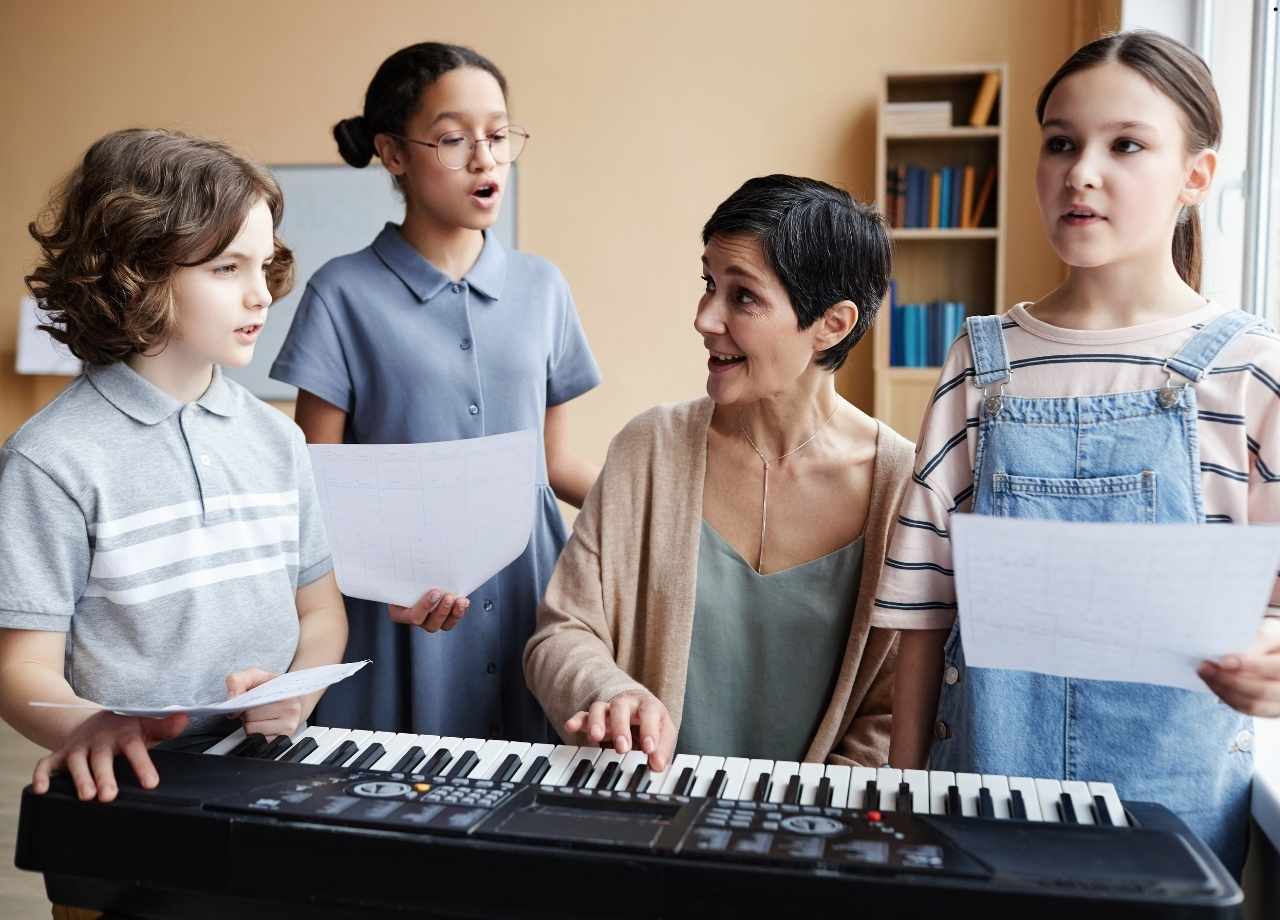
Music has a magical way of enhancing our lives, and for children, it opens up a world of creativity and expression. As a parent, you might notice your child humming along to songs or being unusually attentive whenever music plays. This early interest can be the first hint that they have a leaning towards music, and more specifically, singing. Recognizing and nurturing this talent early on can set the stage for a lifelong appreciation and perhaps a career in music.
Understanding Your Child’s Musical Interests
The first step is simple: observe. Pay attention to what kind of music your child enjoys. Do they perk up at the sound of classical tunes or do they rock out when the radio plays pop hits? Each child is unique, and their musical preferences can guide you in choosing the right path for their vocal training. It’s crucial not just to enroll them in any music class but to find one that resonates with their personal taste and interest.
Encouragement plays a big role here. If your child shows an interest in music, talk to them about it. Discuss what they like about the songs or artists they prefer. This not only strengthens your bond with them but also boosts their confidence and reassures them that their interests are valuable and worth pursuing.
Choosing The Right Vocal Lessons
Selecting the right vocal coach is more about alignment than prestige. The ideal teacher for your child is someone who can connect with them at their level and inspire them to grow. Look for a teacher with a background in teaching children and a gentle, encouraging teaching style. It’s not just about the notes your child hits; it’s about the joy and growth they experience in the process.
Consider also the format of the lessons. While private lessons offer tailored guidance and direct feedback, group lessons can be wonderful for building social skills and learning in a less pressured environment. Some children might thrive in a private setting initially to gain confidence before joining a group lesson where they can sing with peers.
A trial lesson is a smart move before making any commitments. It gives your child a chance to interact with the teacher and can help you gauge whether the teacher’s approach fits your child’s personality and learning style.
Setting Up For Success
Success in any field requires the right environment, and music is no different. Help your child by setting up a dedicated practice area in your home where they can sing and practice without interruptions. This area should be a comfortable space that invites creativity and concentration.
Routine is also vital. Regular practice is key to mastering vocal skills, but it’s important to balance this with other responsibilities like schoolwork and play. Help your child develop a practice schedule that feels rewarding rather than burdensome. Remember, the goal is to make musical growth a joyful part of their daily life, not a chore.
Developmental Milestones In Vocal Training
Just like any other skill, vocal training comes with its own set of milestones, which can serve as checkpoints for your child’s progress. In the early stages, these might include mastering basic pitch control, developing a clear and steady tone, or learning simple songs from memory. As they advance, you can look forward to more complex achievements like enhancing their vocal range, gaining control over their breathing, and expressing emotion through their singing.
It’s important to keep expectations realistic based on your child’s age and development stage. Younger children, for instance, are unlikely to belt out tunes like seasoned singers, and that’s perfectly okay. Vocal abilities develop with age, and what is crucial is that they enjoy the process and gradually improve.
Setting long-term goals can be motivating, but the focus should always be on incremental progress and the joy of learning. Celebrate small wins with your child, whether it’s a successful recital or mastering a challenging note, as these successes boost their confidence and eagerness to learn.
Overcoming Challenges
Challenges are inevitable in any learning process, and vocal training is no exception. One common issue many young singers face is vocal strain, which can occur from trying too hard to hit notes that are out of their natural range or from incorrect singing techniques. It’s essential for your child to learn how to sing properly to avoid strain, which a good vocal coach can teach them.
Another significant challenge is performance anxiety. It’s natural for young performers to feel nervous about singing in front of others. Help your child understand that nerves are a normal part of performing and can be managed. Techniques such as deep breathing, visualization, and positive self-talk can help them feel more relaxed and confident on stage.
If challenges persist, don’t hesitate to seek advice from your child’s vocal teacher or even a pediatrician, especially when it concerns physical issues like vocal strain. Sometimes, a little professional guidance is all it takes to get back on track.
The Role Of Performance And Feedback
Performing is a crucial part of musical training. It not only allows children to showcase their skills but also teaches them how to handle attention, applause, and sometimes, criticism. Encourage your child to participate in school talent shows, choir performances, or any other public singing opportunities. These experiences can be thrilling and incredibly rewarding.
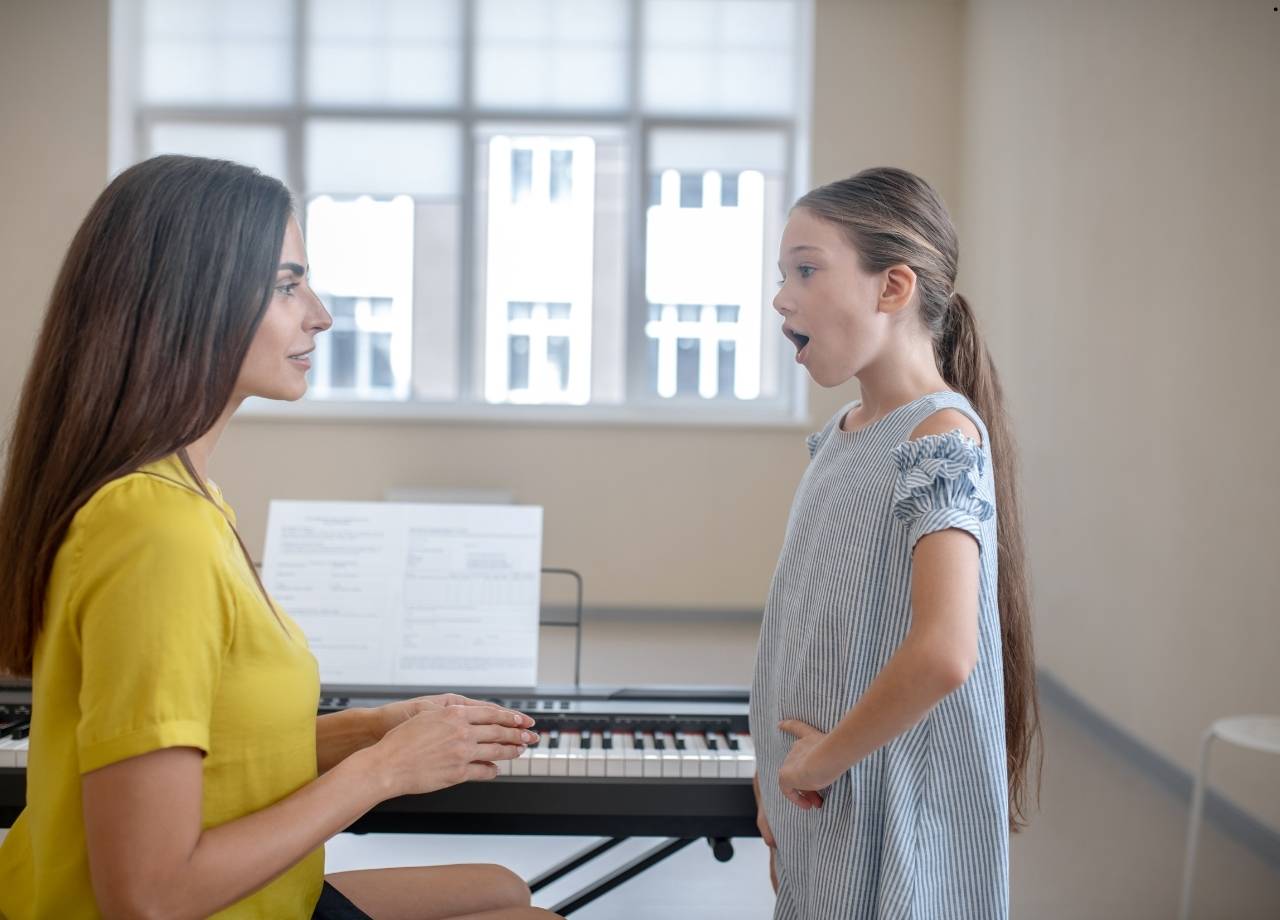
Feedback is equally important. Constructive feedback from both you and their vocal coach can help your child understand their strengths and areas for improvement. It’s important to keep this feedback positive and encouraging, focusing on their effort and what they did well, while gently guiding them on how to improve.
Encourage your child to self-reflect after performances, asking them what they felt went well and what could be better next time. This self-assessment makes them an active participant in their learning process and helps them grow not just as singers, but as individuals who can assess, adjust, and advance in various situations.
Fostering A Lifelong Love For Music
Encouraging your child to explore various musical activities can keep their interest alive and kicking. Beyond regular vocal lessons, consider introducing them to music theory classes, instrument playing, or even songwriting workshops if they show an interest. This variety can deepen their understanding of music and provide new avenues of creativity and expression.
Participation in music clubs or community groups can also be beneficial. These groups provide a social aspect to music that solo singing lessons might not offer. Engaging with peers who share the same interests can be incredibly motivating and fun for your child, and these experiences can foster teamwork and leadership skills as well.
As your child’s musical journey evolves, keep revisiting their goals and aspirations in music. What started as a fun activity could turn into a serious passion or even a career path. By having open discussions about their goals, you’re showing that you take their interests seriously and support their growth.
Conclusion
Remember, every child’s musical path is unique. Whether your child pursues music professionally or simply enjoys singing in the shower, what matters most is that they continue to find joy in it. Keep the atmosphere around music positive, light, and fun, and you’ll likely see a budding musician flourish before your eyes.
So, why not start today? Grab that karaoke mic, download some new tunes for the next car ride, or simply ask your child to teach you a song they learned. It’s a wonderful journey you can share together.