
Learn Drum Lessons in Dubai, Master Your Rhythm
Join expert drum lessons in Dubai for kids and develop your drumming skills with professional instructors. Perfect for all levels, start your musical journey today!
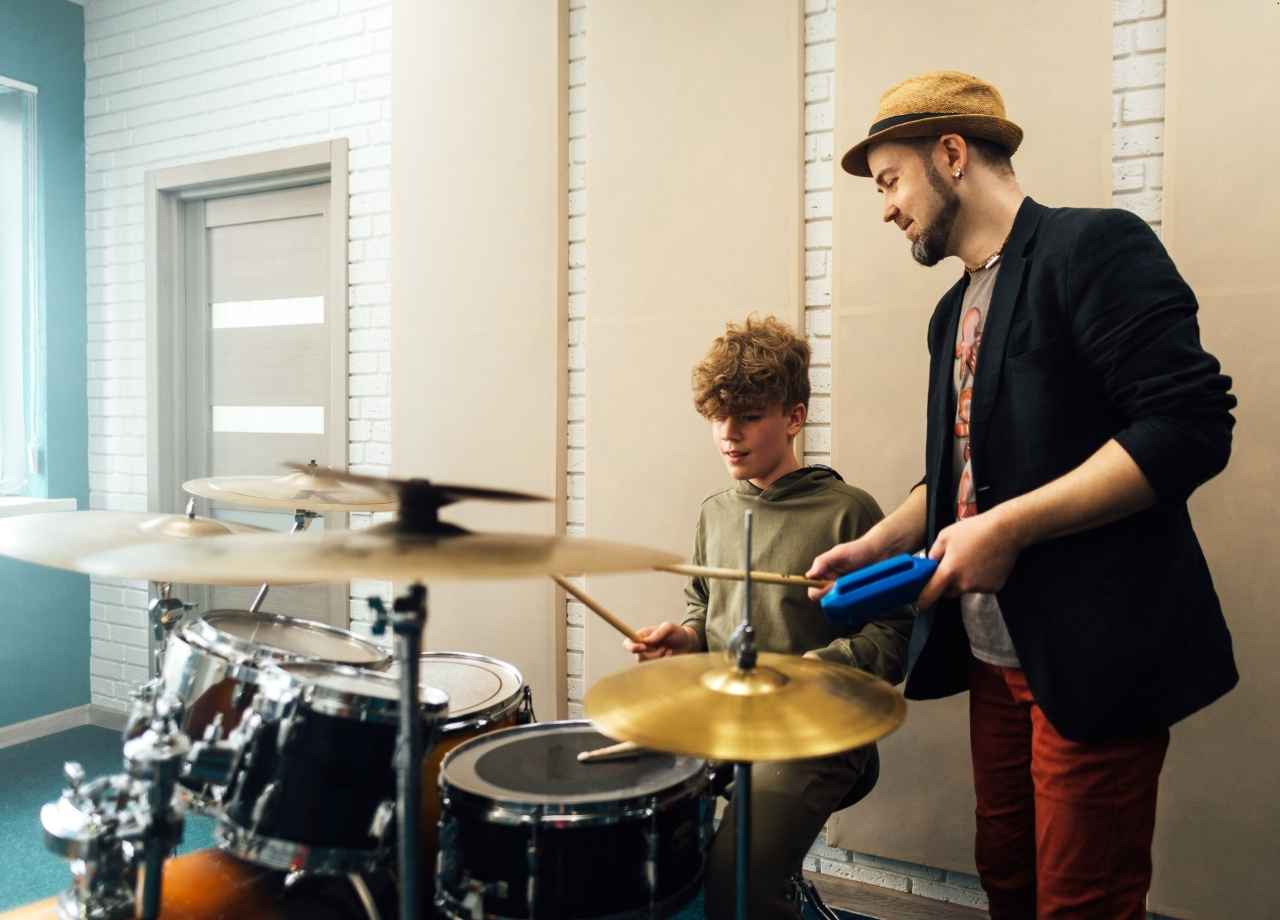
There’s something magical about the way a child’s face lights up when they pick up a pair of drumsticks. That first tap on a drum, the reverberation through the air, the immediate cause-and-effect-it’s more than just noise. It’s learning in action.
Drumming taps into a child’s natural curiosity and energy, transforming what might seem like simple play into a full-body learning experience. Without realizing it, kids develop essential life skills, from coordination and focus to creativity and confidence.
Boosting Brain Power Through Rhythm
Drumming activates both hemispheres of the brain, creating strong neural connections that support learning. The combination of movement, sound, and timing makes it an excellent activity for cognitive development. Children who engage in rhythmic activities often show improved performance in math, reading, and problem-solving.
Math and Counting Skills
Rhythm is built on patterns, timing, and sequencing-all essential components of mathematics. When kids play the drums, they count beats, recognize subdivisions, and maintain a steady tempo. This helps develop an intuitive understanding of numbers and fractions. Many teachers use rhythm-based exercises to reinforce mathematical concepts because they make abstract ideas more tangible.
Drumming also teaches proportional reasoning, a skill necessary for understanding ratios, proportions, and equations. A child learning to play in 4/4 time, for instance, begins to grasp how quarter notes, eighth notes, and sixteenth notes fit together in a structured way. This direct, hands-on experience with numerical relationships makes it easier to apply similar logic in math class.
Language Development and Memory
Music and language share many similarities, particularly in how they rely on patterns and structure. Drumming helps strengthen auditory processing skills, which are crucial for learning to read and comprehend spoken language.
When kids play drums, they learn to anticipate changes in rhythm and adjust their playing accordingly. This ability to recognize and predict patterns translates to better reading fluency and comprehension. Studies show that children who participate in music programs tend to have a larger vocabulary and stronger verbal memory compared to those who don’t.
Enhancing Coordination and Motor Skills
Drumming is a full-body activity. It requires hands and feet to move independently while staying in sync with the beat. This improves coordination and strengthens both fine and gross motor skills.
Hand-Eye Coordination and Dexterity
Holding drumsticks, striking different parts of the drum kit, and keeping a steady rhythm all require precision and control. For younger children, these actions help refine motor skills that are necessary for everyday tasks like writing, buttoning a shirt, or using scissors.
Over time, drumming builds strength in the fingers, wrists, and arms, improving overall dexterity. This is especially beneficial for children who struggle with handwriting or other fine motor challenges.
Balance and Bilateral Coordination
Drumming engages both sides of the body simultaneously, helping children develop better balance and coordination. Unlike some activities that favor one dominant hand, drumming requires equal participation from both hands and sometimes even both feet. This strengthens bilateral coordination, which is essential for activities like tying shoes, playing sports, and even basic movement skills.
Encouraging Focus and Patience
Drumming demands concentration. A child must listen carefully, count beats, and maintain a consistent tempo-all while using multiple limbs to create rhythm. This level of focus trains the brain to stay engaged, an important skill for schoolwork and daily responsibilities.
Building Attention Span
In a world filled with distractions, maintaining focus can be a challenge. Drumming provides structured practice in sustaining attention. Kids must stay mentally engaged to follow rhythms, anticipate changes, and synchronize with other musicians. This strengthens their ability to concentrate, which carries over into reading, writing, and other academic tasks.
Developing Discipline and Perseverance
Mastering a new rhythm or drum pattern takes time and repetition. Children must practice, make mistakes, and refine their technique. This process teaches perseverance and patience, important life skills that help with everything from solving math problems to handling setbacks in sports or social situations.
At Ballet Centre Dubai, students experience a supportive environment where they can practice drumming at their own pace. Whether they’re beginners or more advanced, they receive guidance that encourages progress without pressure.
Building Confidence and Self-Expression
Drumming is one of the most expressive forms of music. It allows kids to channel their emotions into rhythm, whether they’re feeling excited, frustrated, or joyful.
Emotional Regulation
For children who have difficulty expressing themselves verbally, drumming provides a healthy outlet for emotions. The physical act of hitting a drum can be both energizing and calming, helping to release tension and reduce stress.
Studies have shown that rhythmic drumming can have a soothing effect on the nervous system, lowering stress hormones and promoting relaxation. Many music therapists use drumming exercises to help children with anxiety, ADHD, and other emotional challenges.
Overcoming Stage Fright
Performing in front of others, whether in a group setting or during a recital, builds confidence. At first, playing for an audience might feel intimidating, but over time, children become more comfortable showcasing their skills. This boost in self-esteem extends beyond music, helping kids feel more confident in school presentations, social interactions, and other areas of life.
Encouraging Teamwork and Social Skills
Drumming is often a group activity, requiring children to listen to one another, keep time together, and adjust their playing in response to others. This fosters important social skills like cooperation, patience, and adaptability.
Playing in Sync with Others
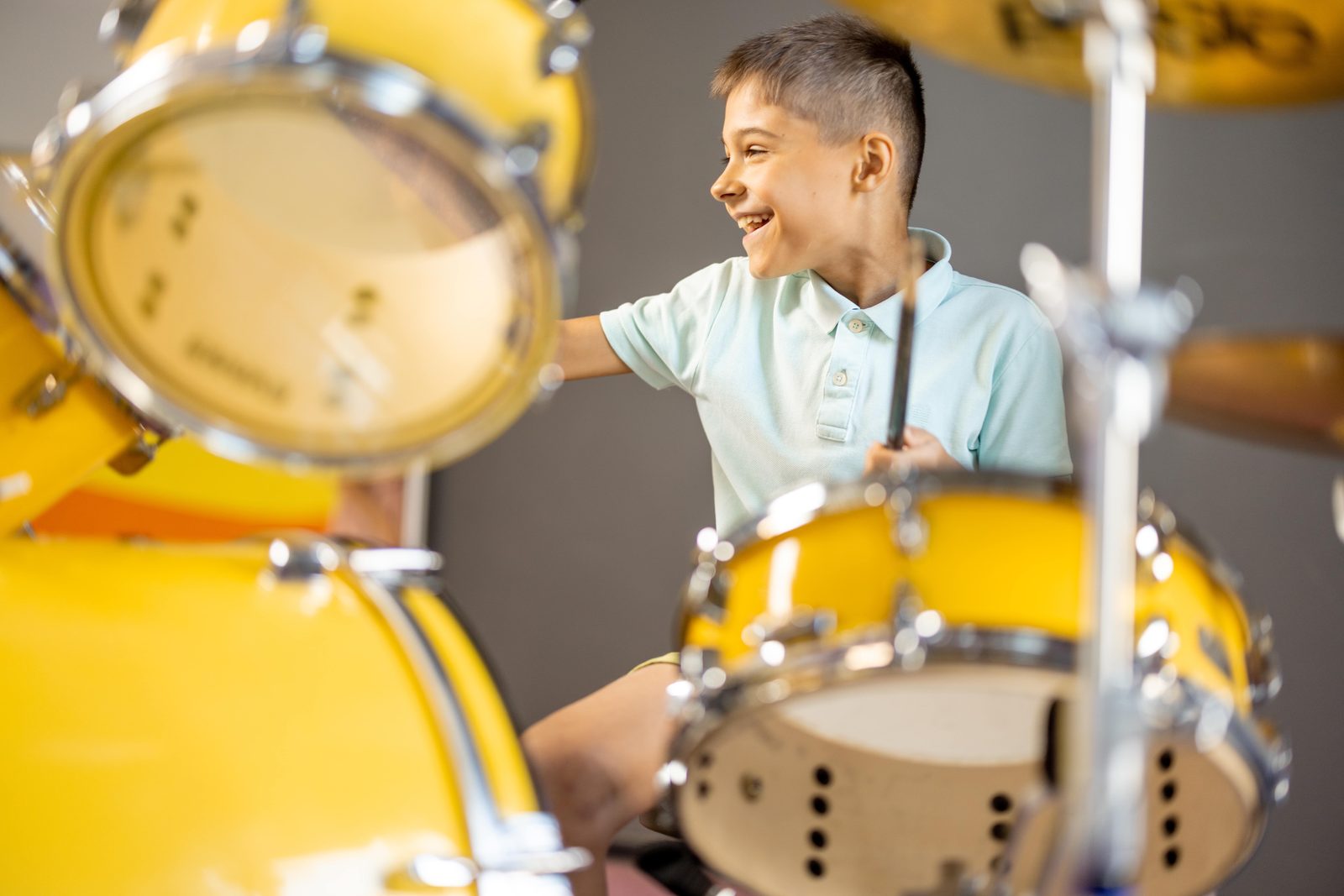
In a drumming class or ensemble, each child plays a role in creating the overall rhythm. They must listen carefully, follow cues, and stay in harmony with their peers. This teaches teamwork and helps develop a sense of belonging.
At Ballet Centre Dubai, students have the opportunity to participate in group music lessons that encourage collaboration. These classes create a supportive space where kids can learn, grow, and make friends while developing their musical abilities.
Drumming as a Stress Reliever
Even young children experience stress, whether from schoolwork, social dynamics, or daily routines. Drumming offers a natural way to relieve tension. The repetitive motion, combined with the physical exertion, provides an outlet for energy and emotion.
Studies suggest that drumming can lower cortisol levels-the hormone associated with stress, while increasing dopamine and endorphins, which promote happiness and relaxation. This makes drumming not only a fun activity but also a therapeutic one.
A Fun and Engaging Way to Learn
One of the greatest advantages of drumming is that kids genuinely enjoy it. Unlike some traditional learning methods, which can feel rigid or repetitive, drumming provides immediate feedback and a sense of accomplishment. Every beat, every pattern, and every song mastered brings a tangible sense of progress.
Drumming isn’t just about playing an instrument-it’s about developing skills that last a lifetime. Whether improving focus, enhancing coordination, or building confidence, the benefits go far beyond the drum kit. Parents looking for an engaging way to support their child’s growth will find that drumming provides the perfect mix of learning and play.