Dubai Performing Arts Academy: Focus and Growth for Kids
Unlock fun and growth at Dubai Performing Arts Academy! Explore diverse performing arts training for kids and help them develop focus and creativity.
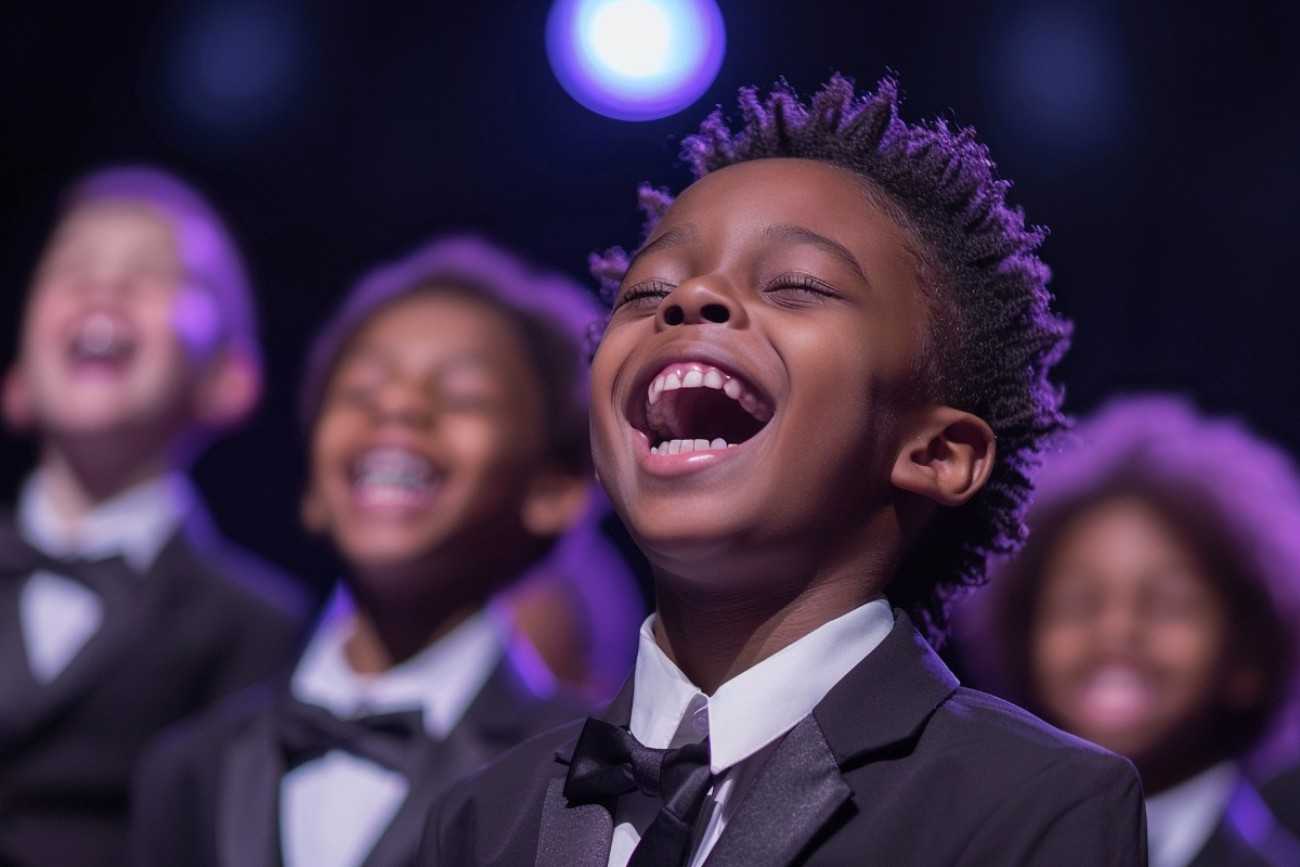
The performing arts offer more than just a chance to play dress-up and learn lines. For children, these activities serve as a foundation for personal development across multiple areas of their lives. From the school stage to the dance studio, kids who engage in these forms of expression often find themselves equipped with skills that extend far beyond the basic ability to entertain. This exploration looks into how acting, dancing, and musical performance can shape a child’s capacity for fun, focus, and growth.
The Fun Element: Engaging Children Through Performing Arts
One of the most visible aspects of performing arts is the sheer joy it brings to children. Whether it’s the thrill of nailing a dance routine or the excitement of taking on a new persona on stage, these activities are naturally designed to be enjoyable. This enjoyment is critical as it serves as the initial hook that draws children into the world of arts. What begins as play, often develops into a passionate pursuit, making performing arts an ideal avenue for exploration and self-discovery.
The engagement doesn’t stop at the individual level. Group performances and ensembles create a sense of community among young participants. This community aspect helps sustain interest as children enjoy not only the activities themselves but also the social interactions they foster. When kids work together to put on a show or concert, they share moments of success and challenge, creating memories that enhance the fun of participating.
Cultivating Focus: The Discipline Behind the Performance
While performing arts are fun, they are not without structure. The discipline required to learn lines, master dance moves, or perfect musical pieces teaches children an important life skill: focus. This focus is cultivated through regular practices where children must pay attention to detail, from their physical movements to their emotional expressions.
The benefits of this disciplined approach are far-reaching. It instills a work ethic that can help in academic and personal life. The repetitive nature of rehearsals encourages a mindset where persistence and dedication lead to improvement and eventually, success. This is a valuable lesson in an age where instant gratification is the norm. Kids learn that real achievement takes time and effort, and the pride they feel in their performance is directly linked to the work they put in.
These structured activities also teach children how to manage their time efficiently. Balancing school, homework, and other extracurriculars with rehearsals and performances can help children develop time-management skills from an early age. This is particularly beneficial as they grow and face more complex challenges.
Growth and Development Through Performing Arts
Participating in the performing arts serves as a catalyst for comprehensive personal development in children. Emotional growth is particularly evident, as children learn to understand and express a range of emotions through their performances. Whether portraying a character in a play or expressing a theme through dance, children explore new emotional landscapes, which can lead to a greater understanding of themselves and others. This emotional exploration helps develop empathy, as they put themselves in someone else’s shoes, so to speak, understanding different perspectives and feelings.
Social benefits are equally significant. Performing arts require collaboration; children must work closely with others, whether they are fellow actors, dancers, or musicians. This teaches them the importance of teamwork and communication. They learn to listen to others, share their ideas, and resolve conflicts. These social skills are vital and transfer well into other areas of life, including school and family interactions.
Cognitively, the performing arts encourage children to use their memory, attention to detail, and problem-solving skills. Learning lines, choreography, or musical scores boosts memory capacity and attention to detail. Meanwhile, interpreting a role or a piece of music can be a complex problem-solving activity, challenging children to find the best way to express artistic ideas. This enhances creative thinking, which is critical not only in academic settings but in everyday life decisions.
Performing Arts and Academic Performance
The skills gained through performing arts often translate into improved academic performance. Research suggests a correlation between arts involvement and higher academic achievement; children engaged in the arts tend to have better grades and are more likely to achieve academic honors. The reasons are multifaceted but clear. The focus and discipline learned through performing arts help children in their studies. The ability to sit and concentrate for long periods during rehearsals can make homework sessions more productive.
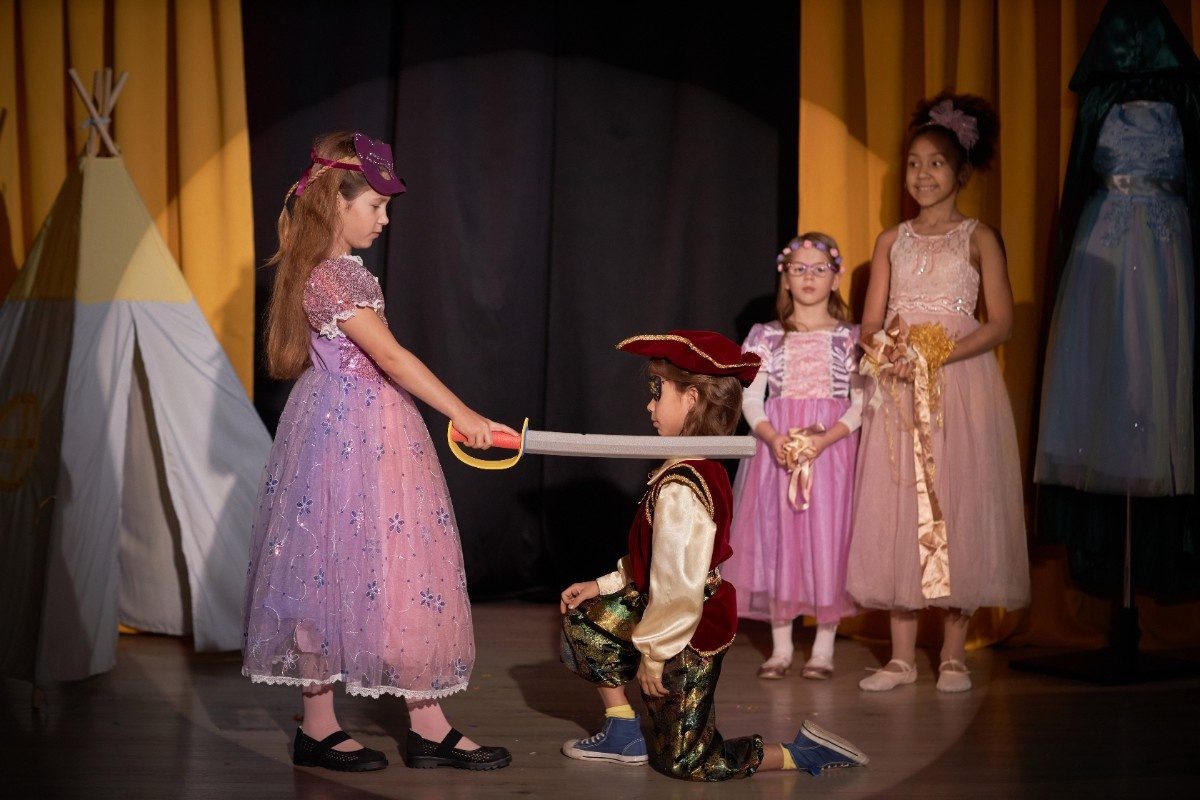
Additionally, the creative thinking skills developed in the arts can enhance problem-solving abilities in math and science. The interpretative skills used in determining how to play a character or perform a dance can be used in interpreting literature and historical events. Not to mention, the improved memory skills help with vocabulary and fact retention across subjects.
Building Confidence and Self-Expression
One of the most profound benefits of performing arts is the growth in confidence and self-expression that it fosters in young participants. Standing up on stage, a child is not just performing; they are also putting themselves and their abilities on display. This can be daunting, but with positive feedback and the support of peers and mentors, children learn to overcome their fears and embrace their talents.
The applause that follows a well-delivered performance can be incredibly affirming for a child. It confirms their ability and hard work, boosting their self-esteem. Over time, the confidence gained from performing can influence every aspect of a child’s life, making them more willing to raise their hand in class, take on leadership roles, and express their opinions.
Moreover, performing arts provide a platform for personal expression that might not otherwise be available in the typical school curriculum. Through the roles they play, the dances they perform, and the songs they sing, children explore various aspects of their identity. They have the opportunity to express thoughts and emotions that might be difficult to articulate in other formats. This form of expression is vital for emotional health and develops a sense of individuality.
Inclusivity in Performing Arts
Performing arts programs offer unique opportunities to embrace inclusivity, making them accessible to children from all walks of life, including those with different abilities and cultural backgrounds. These programs can be especially empowering for children who might feel marginalized in other settings. By adapting performances to include various languages, themes from different cultures, or modified roles that accommodate physical or developmental challenges, organizers can foster a welcoming environment for all participants.
This inclusive approach not only enriches the program with diverse perspectives but also teaches all participants valuable lessons about acceptance and respect. Children learn that everyone, regardless of their background or abilities, has something valuable to contribute. This can be a powerful antidote to the exclusion they might encounter elsewhere, reinforcing the idea that the arts are a realm where everyone can shine.
How to Get Your Child Involved in Performing Arts
Getting your child involved in performing arts can begin with something as simple as attending a school play or visiting a local theater performance. For parents looking to encourage an interest in the arts, start by exploring what your child is most drawn to-be it music, dance, or drama-and then look for classes or workshops in your area. Many community centers, schools, and independent studios offer a range of options that cater to different age groups and skill levels.
It’s also important to encourage regular practice and to be a supportive audience. Regular practice at home can reinforce the skills learned in classes, while your presence at performances shows your child that you value their efforts and are proud of their progress. If your child is nervous about performing, reassure them that it’s natural to feel a bit anxious and that every performer goes through it.
Conclusion
The performing arts are more than just an extracurricular activity. They are a vibrant avenue for fun, focus, and growth that can significantly impact a child’s development. From boosting cognitive and social skills to enhancing emotional expression and confidence, the benefits are profound and lasting. So why not see what a class or workshop could do for your child? Whether they’re stealing the spotlight or working magic behind the scenes, the skills and memories they develop will last them a lifetime. Let’s give our kids the stage and watch them shine.