The Easiest Instrument to Learn for Music Beginners
Discover the easiest instrument to learn when starting music. From ukulele to piano, find your perfect match. Start your musical journey today
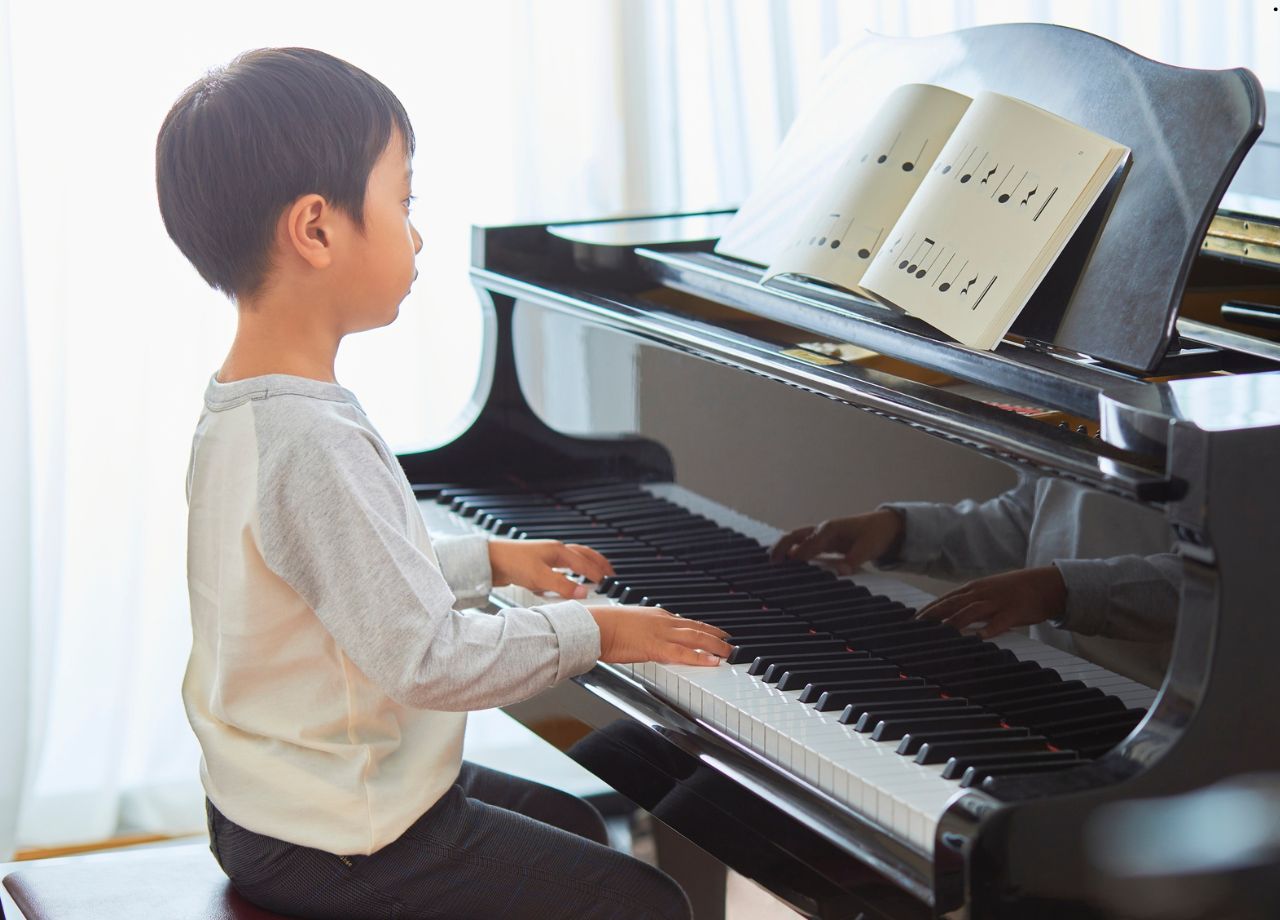
When eight-year-old Mira sat at the piano for the first time, she didn’t think much would happen. Her fingers fumbled over the keys, barely managing to play a tune. Three months later, she surprised her parents with a soft, well-paced version of Twinkle Twinkle Little Star. The pride on her face was unforgettable. That’s often how music begins, quietly, with a simple instrument, and a child trying to make sense of sound.
Getting started in music doesn’t have to feel overwhelming. Parents often worry about choosing the “right” instrument, especially when their child shows an early interest but isn’t quite ready for a major commitment. The truth is, some instruments are naturally more approachable and rewarding for beginners. These are the ones that let children build confidence early, discover rhythm and melody in a fun, intuitive way, and develop a real connection with music.
Here are a few that consistently prove to be gentle yet rewarding entry points into the world of music.
Keyboard/Piano: A Visual Introduction to Music
The piano gives immediate feedback. Press a key, and there’s a note. No need to worry about embouchure, bow grip, or finger calluses. The layout is linear and easy to understand, making it ideal for understanding scales, chords, and rhythm.
For beginners, digital keyboards can be an affordable and space-saving alternative to traditional pianos. They often come with lighted keys and built-in lesson modes that encourage practice. What makes the piano especially useful for children is how it develops coordination between both hands, and introduces them to musical theory without being abstract.
One mother shared that her son, Adam, who struggled with focus in school, found his rhythm at the piano. “He would sit and play just five minutes at first, then ten. Now he disappears for an hour, completely absorbed. It taught him how to listen-to the music and to himself.”
Recorder: Simple, Portable, and Surprisingly Musical
The recorder has an unfortunate reputation in some circles, likely due to classroom chaos and mass-distributed plastic versions. But don’t underestimate its potential. For children around five to seven, it’s often the first wind instrument they can manage.
It teaches breath control, pitch awareness, and fingering techniques that transfer later to instruments like the flute or clarinet. A wooden or higher-quality plastic recorder can make a world of difference in tone and experience.
A music teacher at the Ballet Centre Dubai once described the recorder as “a bridge to real musical thinking.” It’s light, easy to clean, and can travel anywhere. More than a few students who began here later transitioned smoothly into more advanced instruments, thanks to the foundation it built.
Violin: Challenging but Rewarding for the Patient Beginner
The violin does take a bit more effort at first, there’s no frets or keys to guide pitch, and holding the instrument properly requires practice. But the learning curve has a payoff. It builds strong ear training from the beginning, and fosters discipline and perseverance.
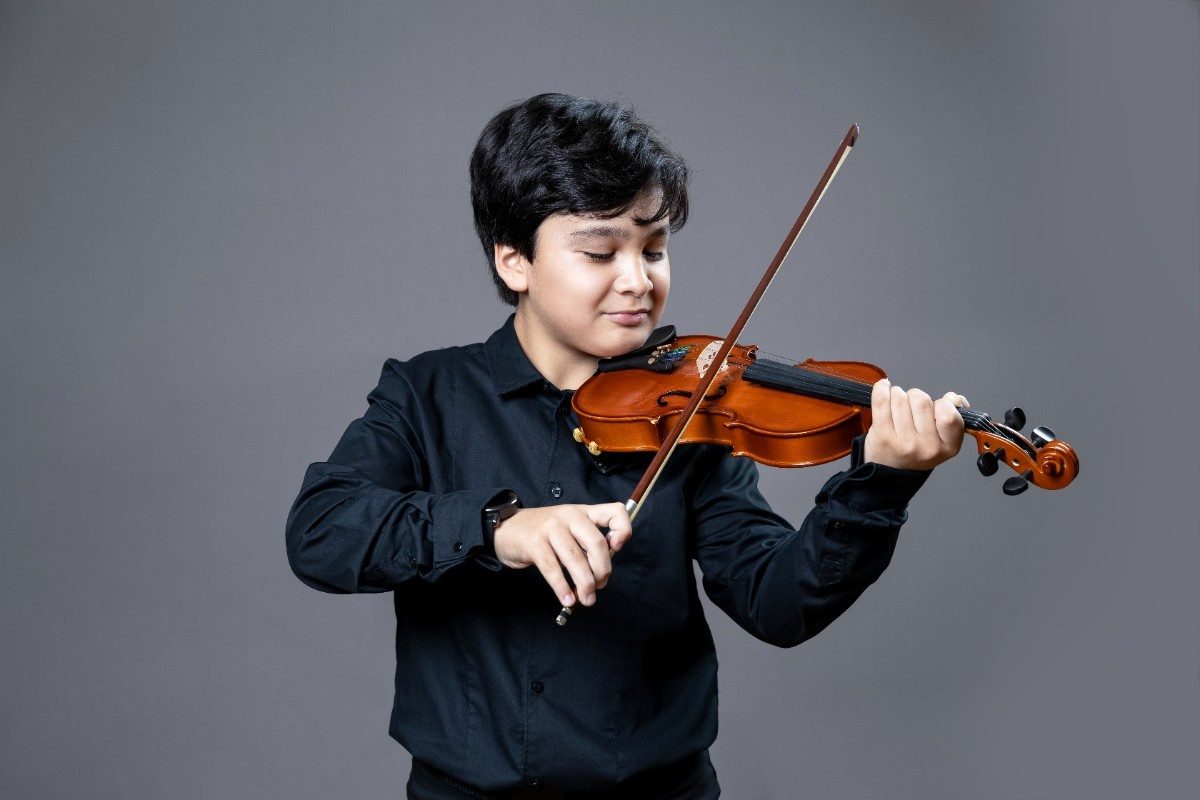
Children as young as four can begin with smaller-sized violins. Early lessons tend to focus on posture, bowing, and open-string exercises that slowly ease students into more technical pieces. Families who invest in consistent practice usually see noticeable progress within the first year.
One teenage student who started violin at six said, “It was hard, but when I played my first song without help, I felt like I could do anything.” That kind of growth, personal as well as musical-is one of the quiet gifts this instrument offers.
Ukulele: Instant Gratification and Joy
Few instruments feel as welcoming as the ukulele. It’s light, affordable, and easy to learn. With just a few chords, students can strum along to popular songs in no time. That sense of early success is key, especially for children who may be nervous or shy about performing.
The soft nylon strings are gentle on young fingers, and the small body makes it a great fit for smaller hands. Because tuning and chord shapes are simple, children can focus more on rhythm, singing along, and enjoying music-making socially.
Parents have noticed that ukulele practice often doesn’t feel like “practice.” It’s play. And that’s important. Music shouldn’t be a chore-it should be something that pulls a child in because it’s fun.
Voice: The Instrument We All Carry
Singing is often overlooked as a formal entry point into music, but it shouldn’t be. It develops ear training, timing, breath control, and emotional expression-all without needing to buy anything. For many children, especially those who hum constantly or mimic melodies they hear on TV, voice lessons can shape natural talent into skill.
Trained vocal coaches understand how to guide young singers without straining their developing voices. They help build technique while keeping sessions fun and supportive. Singing in groups also builds confidence and collaboration, skills that reach far beyond music.
Parents are often surprised by how much children can learn through vocal training. It’s not just about pitch or tone, but about storytelling, breathing with intention, and connecting with others.
Supporting Your Child’s Musical Journey
Music isn’t just a hobby-it becomes part of how a child experiences the world. It teaches patience, focus, creativity, and joy. The right starting instrument can help that journey begin with confidence and clarity.
At Ballet Centre Dubai, music classes are thoughtfully designed for beginners, with experienced teachers who understand how to meet each child where they are. Whether your child wants to sing, try the violin, or explore the keyboard, our supportive environment encourages both discipline and delight. Parents can also explore free trial classes to see what suits their child best.
One student’s father said, “We tried a free piano class just to see if it would click. Now, every Wednesday, it’s the best part of her week.”
When music starts off simple and engaging, it has room to grow. The right first step can make all the difference in turning interest into love-and love into lifelong learning.