
Electric Piano vs Keyboard Piano: Key Differences
Electric piano vs keyboard piano: learn the key differences in feel, sound, and features to choose the right instrument for your musical journey.
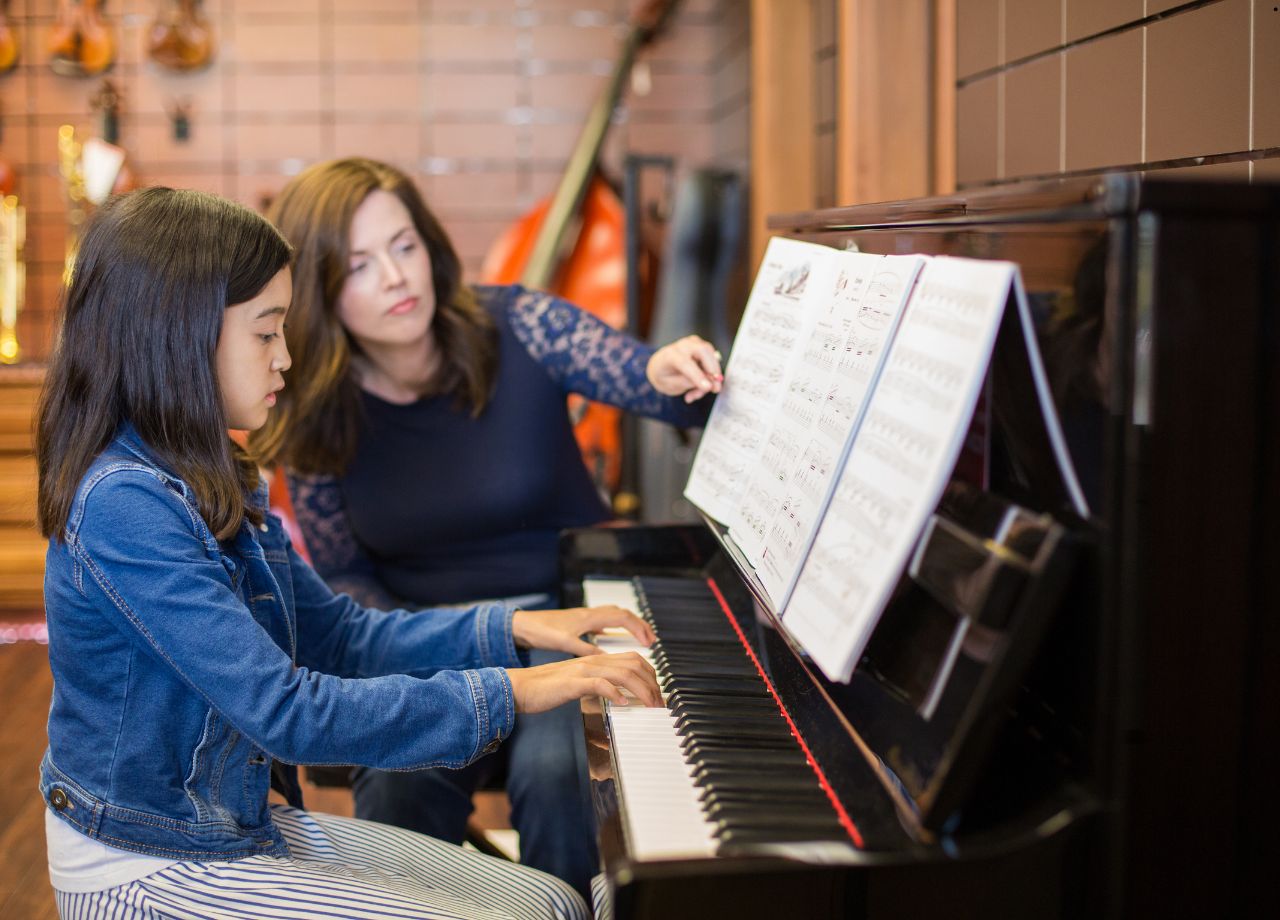
It’s a common question, especially among families just beginning their child’s musical journey. At first glance, these instruments can seem interchangeable. They both have keys. They both plug in. And they both can play music. But the experience they offer-how they sound, feel, and support learning-isn’t the same.
Let’s explore the differences in a way that helps you decide which one is right for your home, and more importantly, for your child’s growth as a musician.
The Feel Beneath the Fingers
One of the most noticeable differences lies in the keys themselves. Electric pianos are built to mimic the feel of an acoustic piano. The keys are weighted, often with a mechanism that simulates the resistance and balance of traditional hammers and strings. When a child presses a key, there’s a subtle pushback, teaching their fingers to build strength and control. That tactile response is crucial for developing proper technique.
Keyboards, on the other hand, often use spring-loaded keys. They’re lighter and require less pressure. For very young beginners, that can feel easier at first, but it may create habits that are harder to adjust later if the student transitions to a real piano or takes formal exams. Playing lightly on an electric piano feels different than pressing down on plastic keys that bounce back instantly.
If your child is enrolled in structured piano classes-like the ABRSM or Trinity programmes taught at Ballet Centre Dubai-they’ll be preparing to perform pieces written for classical pianos. A keyboard may not help them develop the necessary hand posture, articulation, or dynamics that the examiners expect to hear.
Sound Quality and Expression
Ask any piano teacher and they’ll tell you: the way a student hears their own playing shapes how they learn. Electric pianos use samples of real grand pianos recorded in professional studios. This allows the student to play with a range of tones-from soft, delicate notes to bold, dramatic chords. Many models are also “touch-sensitive,” meaning the volume and tone change depending on how hard or softly the keys are pressed.
Keyboards often offer a different kind of sound experience. They come with dozens (sometimes hundreds) of tones, everything from flutes to electric guitars. That’s fun, especially for children who enjoy experimenting. But if the goal is to develop an ear for classical music or understand dynamics in a structured way, a keyboard’s sound system may fall short.
Of course, not every child is aiming for concert halls. But even beginners benefit from learning how to express emotion through sound. A well-built electric piano supports that kind of musical storytelling from the very first lesson.
Size, Portability, and Space at Home
There’s no denying the practicality of a keyboard. It’s lightweight, easy to move, and doesn’t take up much room. If your family travels often or lives in a smaller space, a compact keyboard can be a convenient starting point.
Electric pianos are usually heavier. Many are designed with a stand or cabinet that makes them look and feel more like traditional upright pianos. They become part of the home. There’s something special about walking into the living room and seeing a proper piano set up, ready to play. It signals that music matters in that space.
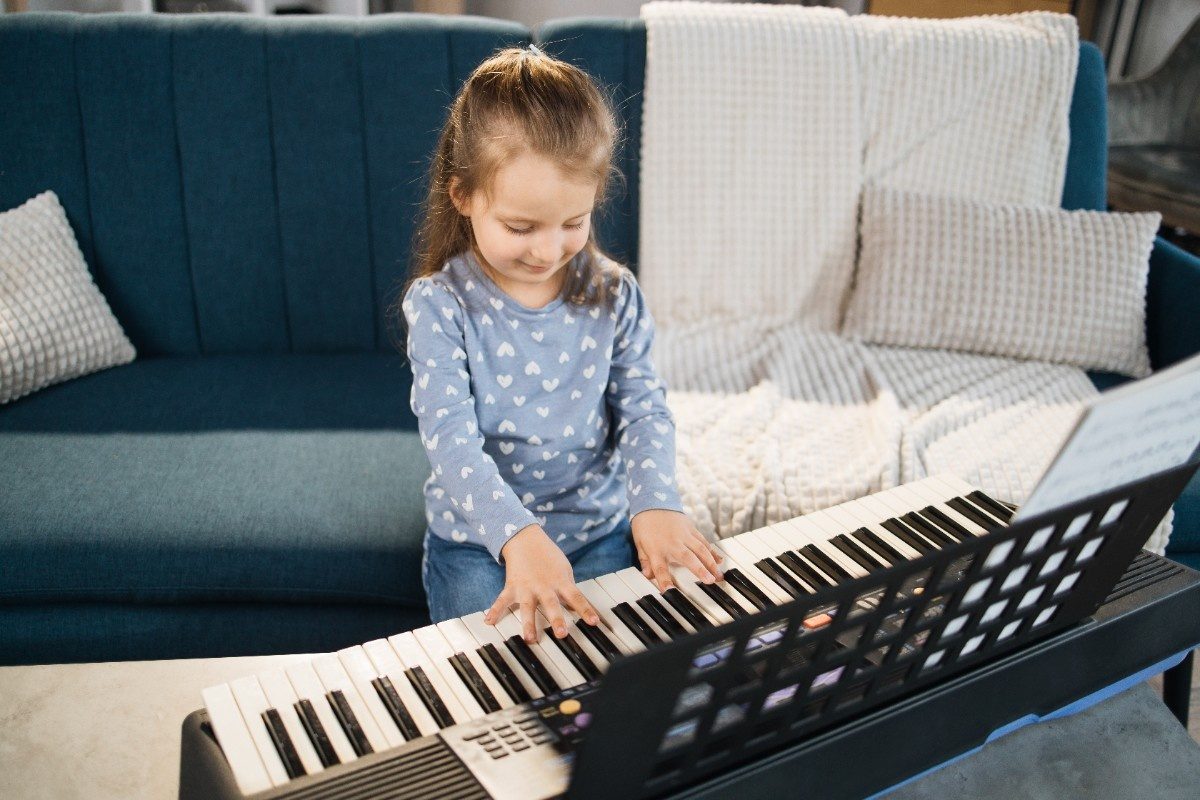
Still, not every home can accommodate a full digital piano. If space is limited but you want something closer to the real thing, look for an electric piano with a detachable stand. That gives you flexibility without giving up on quality.
Learning Tools and Technology
This is where keyboards tend to shine. Many entry-level models come packed with built-in songs, rhythm tracks, and demo modes. Some even light up the keys to guide beginners through simple melodies. For kids who learn best through play and repetition, those features can make practice more enjoyable.
Electric pianos usually take a more minimalist approach. They may offer metronome functions or USB connectivity for recording, but they don’t try to entertain the player. They’re designed for focus and musical accuracy.
In our experience, younger students often start with keyboards and then move up to electric pianos as they get more serious. That’s a natural path. But it’s also important to match the instrument with the teacher’s approach. If your child is taking private lessons, ask their instructor what they recommend. At Ballet Centre Dubai, we encourage families to use instruments at home that support the same techniques taught in class. That helps students stay consistent and feel more confident when they practice.
Durability and Longevity
Not all instruments are built to last. Entry-level keyboards can be a great way to test a child’s interest in music without a big investment. But after a year or two of use, they often start to wear down-keys may become loose, buttons can stop responding, and the sound may degrade.
Electric pianos, especially those from reputable brands, are built to stay in the family for years. They’re designed with durability in mind, and they often include pedals, which are essential for students once they start playing more advanced pieces.
Think of it this way: if your child is serious about learning, or if you plan to support their musical education long-term, investing in an electric piano early on can save you money and frustration later.
Which One Should You Choose?
There’s no universal answer here, only what suits your child, your budget, and your goals. Some families begin with a mid-range keyboard and upgrade once their child shows commitment. Others choose an electric piano from the start to set a strong foundation.
If your child is enrolled in formal lessons or working toward exams, an electric piano will give them a learning experience that mirrors what they’ll encounter in class. It supports better posture, encourages musical expression, and prepares them for performances. If your goal is casual exposure to music or a fun after-school activity, a keyboard can be a lighthearted way to start.
Above all, it’s about nurturing their connection to music. Instruments are tools-but when chosen thoughtfully, they become part of a child’s growth. Whether that growth happens through ABRSM piano lessons, drama workshops, ballet classes, or tap routines, the environment matters. A well-tuned instrument, just like a well-structured class, helps students feel inspired, encouraged, and proud of what they’re creating.
The right instrument can make practice feel like play and turn short lessons into lifelong skills. If you’re unsure which option fits your family best, visit a music store with your child and try both. Let them explore the sounds, touch the keys, and listen to their own curiosity. You’ll know when it clicks.
And when it does, there’s a whole world waiting-full of melody, rhythm, and the joy of learning.