
Flamenco vs Classical Guitar: Key Differences Explained
Discover the key differences in flamenco vs classical guitar. Learn about flamenco guitar vs classical guitar techniques and their unique playing styles.
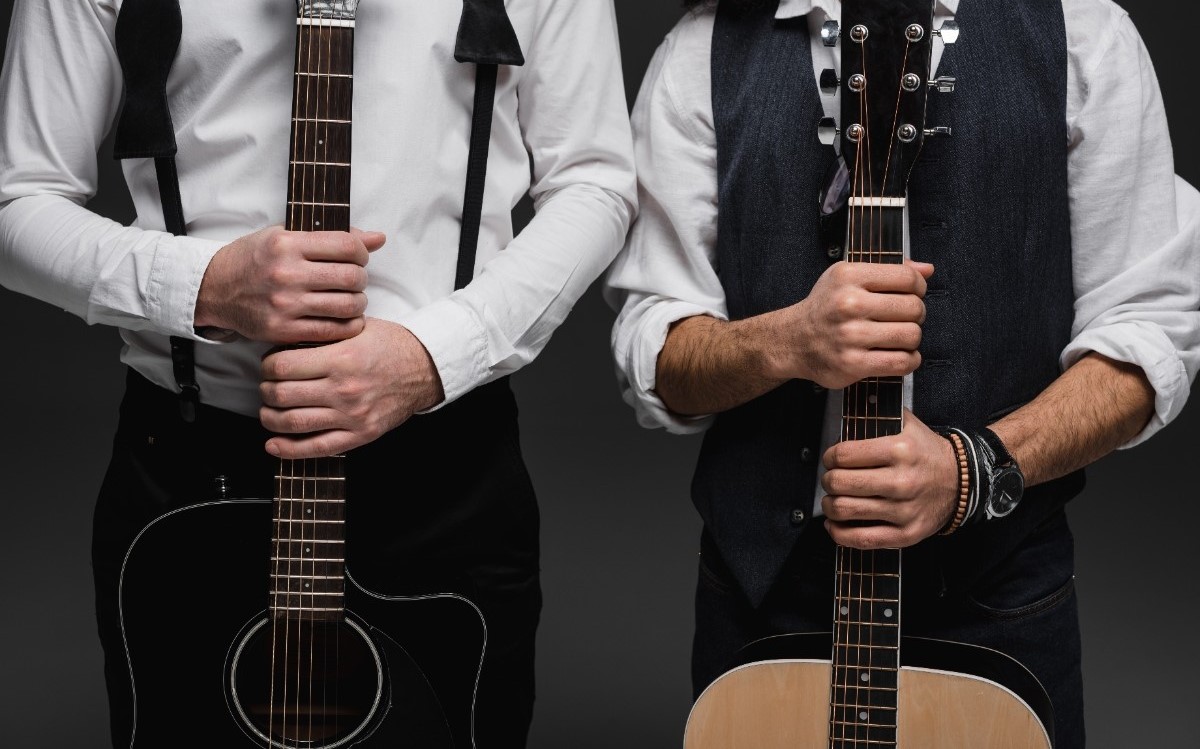
When you step into the world of guitars, the distinction between flamenco and classical guitars is as stark as the musical styles they are each associated with. Both types of guitars hold a rich history, deeply embedded in distinct musical traditions that reflect their unique origins and development. This post aims to shed light on these differences, helping musicians make an informed choice based on their personal style and the specific nuances of each guitar.
Origins and Historical Context
The flamenco guitar traces its roots back to the Andalusian region of Spain, an area rich with a blend of cultural influences, including that of the Romani people. This guitar style developed hand-in-hand with flamenco music, which itself is a powerful expression of life’s struggles and joys, characterized by its deep emotional impact and rhythmic complexity. The flamenco guitar was crafted to complement the percussive footwork and intricate dances typical of flamenco performances, making it not just an instrument, but a partner in the dance.
In contrast, the classical guitar has a lineage that spans across Europe, with its development significantly shaped during the Renaissance period. It became prominent in classical music-a genre known for its structured compositions and expansive range. The classical guitar was designed to produce a clear, resonant sound that could convey the nuanced expressions required by solo performances and complex orchestral pieces. Unlike the flamenco guitar, which was built for the fiery spontaneity of folk music, the classical guitar was developed to meet the demands of composed music, requiring both precision and versatility.
Design and Construction
The design and construction of the flamenco and classical guitars reveal significant differences that contribute to their distinctive sounds. Flamenco guitars typically use lighter woods like cypress or sycamore, which help produce their bright and sharp tonal quality. They feature a thinner top and less internal bracing to allow for a more responsive sound that reacts quickly to the player’s touch, suitable for the lively rhythms of flamenco music.
Classical guitars, on the other hand, often use woods such as cedar or spruce for the top, and rosewood for the back and sides, creating a warmer and richer sound. The top is usually thicker with more robust bracing, which supports the sustain and volume needed for the melodic and harmonic complexity of classical compositions. These guitars are built to offer a wide dynamic range, from soft, intimate notes to powerful, room-filling sounds.
Sound and Musicality
The sound produced by flamenco and classical guitars aligns closely with their roles in performance settings. Flamenco guitars are known for their crisp, bright, and somewhat percussive sound, which cuts through the stomps and claps of flamenco dance. The setup of a flamenco guitar also often includes a tap plate, or golpeador, to protect its surface from rhythmic finger taps and other percussive effects that are integral to the flamenco style.
Classical guitars, with their deeper, mellower tones, are ideal for the broad tonal palette required in classical music. The sound is designed to sustain and smoothly transition through long melodic lines, providing a stark contrast to the staccato feel of flamenco music. This makes them particularly suited for solo performances where the clarity and richness of each note need to resonate fully within a concert hall.
Techniques and Playability
Talking about playing techniques, both flamenco and classical guitars support specific styles that are crucial for the genres they serve. Flamenco guitar players often utilize techniques like golpe, rasgueado, and alzapúa. Golpe involves tapping the guitar’s top with the fingertips or the side of the thumb, adding a percussive element that complements the rhythmic footwork of flamenco dancers. Rasgueado is another energetic technique where the guitarist fans out the fingers in a quick, sweeping motion across the strings, creating a loud, vibrant strum that fills the air with rhythm and intensity. Alzapúa, a thumb technique, involves a powerful plucking that can carry the melody while maintaining the rhythmic undercurrent essential to flamenco.
In contrast, classical guitarists employ methods such as arpeggio, where the notes of a chord are played in sequence rather than simultaneously, adding a ripple effect that enhances the melody’s clarity. The tremolo technique, where a single note is played rapidly to create a sustained, shimmering sound, is another hallmark of classical guitar playing. These techniques require precise finger control and a smooth, flowing style, reflecting the classical music’s structured and expressive nature.
Setup and Action
The setup of the guitar, particularly the action-the height of the strings above the fretboard-also differs significantly between the two styles. Flamenco guitars typically have a lower action to facilitate faster, more percussive playing. This setup makes it easier for the guitarist to execute quick finger movements and allows for the aggressive tapping that characterizes many flamenco techniques. However, the lower action can also lead to more string buzz, which, while generally avoided in classical music, can add to the gritty, lively sound desired in flamenco performances.
Classical guitars usually feature higher action. This not only reduces string buzz but also enhances the instrument’s overall tonal quality, making it richer and more resonant. The higher action requires more force to press the strings against the fretboard, which can be a factor in the expressive control over dynamics that classical guitar music demands. This setup supports the long, fluid melodic lines and the dynamic variations from soft to loud, which are typical in classical compositions.
Usage and Application
When it comes to where and how these guitars are played, both find their places in very different settings. Flamenco guitars are often seen and heard in intimate settings like small bars or outdoor patios, accompanying dancers or solo performers who captivate audiences with their energetic displays. The guitar’s loud, penetrating sound cuts through the noise of clapping and stomping, ensuring that the music remains front and center. Flamenco guitarists often play seated, using their instrument not just as a source of music but also as an integral part of the performance, interacting closely with the dancers and other musicians.
Classical guitars, on the other hand, are staples in concert halls and theaters, where their rich, voluminous sound can fill the space without being overwhelmed by other instruments. The classical guitarist typically performs solo or as part of a small ensemble, focusing on a repertoire that can range from Bach to modern compositions. The setting is usually more formal, with the audience’s full attention on the nuances of the performance. This environment allows the subtleties of the classical guitar’s sound to be fully appreciated, from the delicate plucking of individual strings to the grand swells of a full chord progression.
Genres and Repertoires
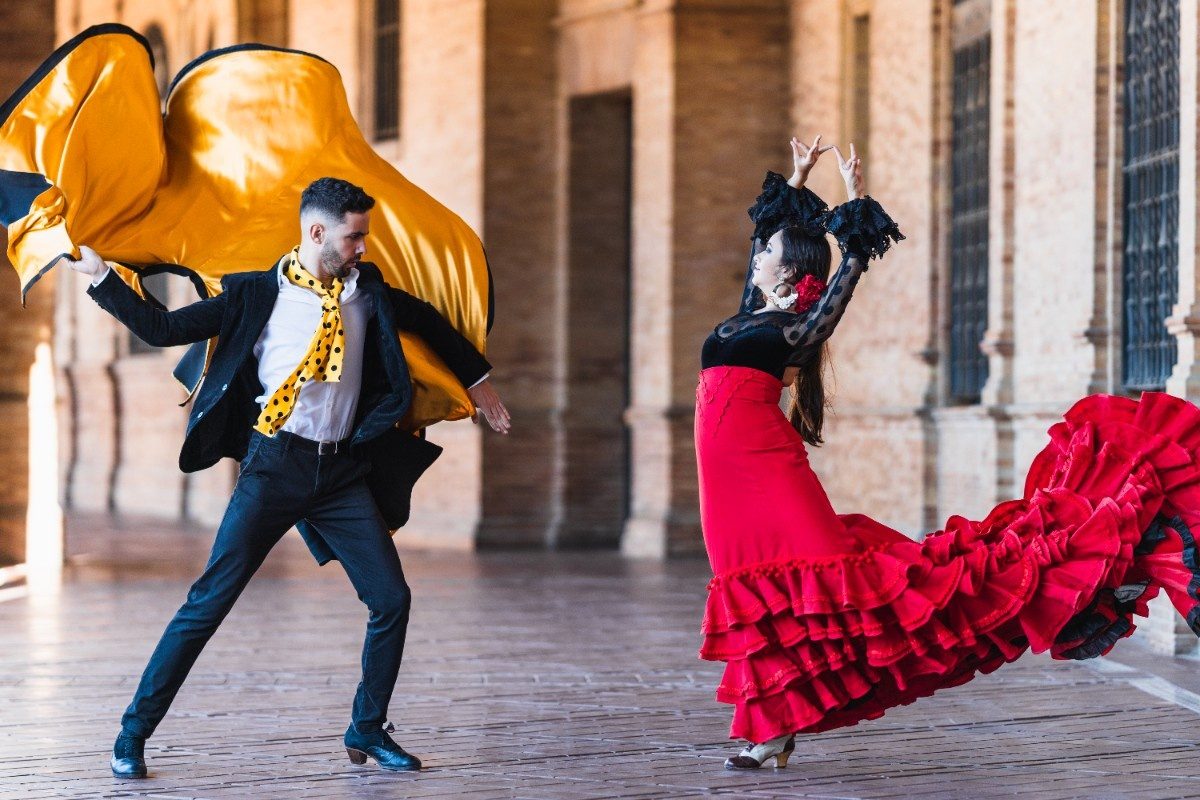
The genres and repertoires for each guitar type further illustrate their distinct musical roles. Flamenco guitars are synonymous with the passionate sounds of flamenco music, which includes traditional forms like soleá, alegrías, and bulerías. These forms are deeply rooted in Spanish culture and are characterized by fast-paced rhythms and a high degree of emotional intensity. The repertoire for flamenco guitars is designed to complement the dynamic nature of flamenco dance, providing both rhythm and melody that drive the performance.
Classical guitars, however, have a broad repertoire that encompasses a range of styles from Renaissance lute music to contemporary classical compositions. The repertoire includes works by famous composers such as Fernando Sor, Francisco Tárrega, and Joaquín Rodrigo, whose compositions are staples in the classical guitar canon. These pieces showcase the guitar’s ability to express a wide array of emotions, from melancholy to exuberance, making it a versatile instrument suited for both intricate solo performances and ensemble playing.
Performing Contexts
Flamenco guitars thrive in live performance settings where the interaction between musician, dancer, and audience creates a lively atmosphere. These performances are often impromptu, reflecting the spontaneous spirit of flamenco music, where performers feed off the audience’s energy. This environment emphasizes the flamenco guitar’s role not just as a musical instrument but as a part of the overall spectacle that includes dance, song, and rhythm.
In contrast, classical guitars are often featured in more structured concert settings where the focus is on the music’s technical and expressive qualities. Performances may be solo recitals or part of larger musical ensembles. The classical guitar’s role in these settings is to convey the intricate details and emotional depth of the compositions, demanding a high level of technical proficiency and expressive capability from the performer.
Choosing Between The Two
For aspiring guitarists in Dubai, the Ballet Centre Dubai is the ultimate destination to master both guitar and flamenco guitar. With experienced instructors and tailored lessons, they provide a supportive environment for beginners and advanced learners alike. The centre’s holistic approach ensures you not only learn the technical skills but also embrace the cultural richness of flamenco, setting you on a path to musical excellence.
Conclusion
In sum, choosing between a flamenco and a classical guitar largely depends on the musician’s personal style, the type of music they wish to play, and the performance context they envision themselves in. Understanding the unique characteristics and applications of each guitar type allows musicians to align their instrument with their artistic goals, ensuring a harmonious match between player and instrument.