Can Kids Master Irish Tap Dancing Easily?
Wondering if Irish tap dancing is easy for kids? Discover how children can learn quickly with fun routines and expert tips.
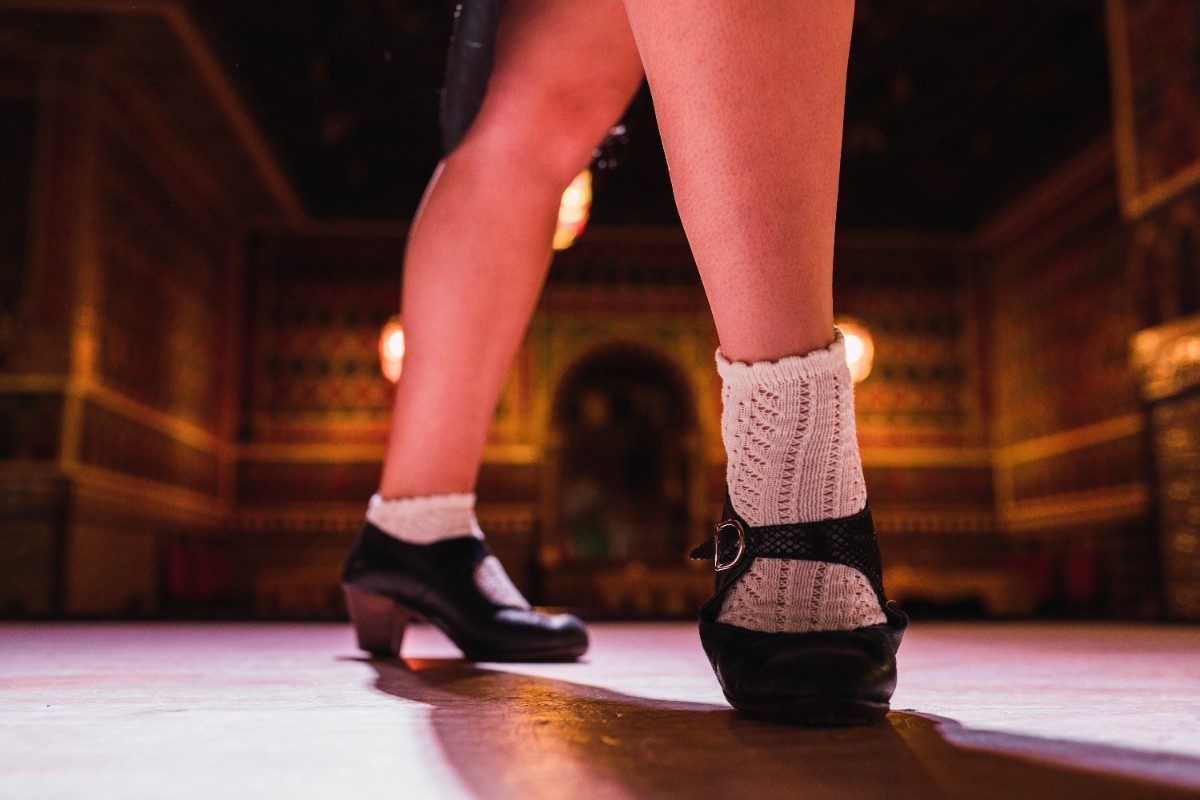
There’s a certain magic in watching a child discover they can create music with their feet. The sound is their own, immediate, rewarding, and, in many cases, surprisingly precise.
That’s one of the most overlooked truths about tap dance: it’s more accessible for children than people often assume. With the right instruction, structure, and encouragement, children can learn tap dancing more easily than adults imagine. Not because the technique is simple, but because kids are naturally wired to pick up rhythmic patterns, imitate movement, and enjoy repetition when it feels like play.
Tap Dancing Meets Childhood Curiosity
Children are curious movers. They stomp when they’re excited, they shuffle when they’re bored, and they leap and twist before they even know what to call the motions. Tap dancing turns those instincts into something focused. Instead of asking a child to suppress their natural energy, tap channels it. Each step offers a sense of cause and effect-they move, and sound follows.
That immediate feedback builds confidence. Unlike other dance styles where precision may take longer to become visible, tap rewards effort quickly. A well-placed heel dig or toe tap makes a sound that confirms, “Yes, I did that right.” The small victories pile up. Children are more likely to keep coming back to something that makes them feel successful early on.
Rhythm is a Superpower
Ask any tap teacher who’s worked with children, and they’ll tell you: rhythm is not something you always have to teach-it’s something you help uncover. Children often respond to rhythm before they fully understand it. You can watch a five-year-old internalize a beat pattern just by listening to it a few times. They might not get every shuffle or cramp roll correct at first, but they understand the musicality, and that gives them a strong foundation.
Tap also teaches listening in a way few other activities do. Students have to hear the rhythm before they can make it themselves. That kind of active listening spills into other parts of life. In classrooms, it can help with following directions and language learning. In music lessons, it supports timing. It’s not uncommon for children who take tap to develop stronger coordination in both gross and fine motor areas because of this built-in awareness.
Starting Young Can Make a Difference
A child who starts tap at five or six doesn’t just learn steps-they learn timing, balance, and spatial control. Their muscles are still learning how to move, which means they build tap technique alongside their natural development. Younger dancers are often more flexible, both physically and mentally. They’re less afraid of mistakes, more open to trying things differently, and more willing to laugh when things go wrong.
Parents sometimes worry that a class like tap might be too complicated for their child, especially if the child is shy or less coordinated. But classes are structured specifically to build those very skills. Good tap instructors know how to break things down into pieces. A class might focus on just two steps, flaps and shuffles-for several weeks, but by the end of the term, those steps will be second nature.
The Role of Play and Structure
The easiest way to get a child to learn something new is to make it feel like a game. Tap is full of opportunities for this. One week it might be a rhythm relay. Another, it’s a “follow the sound” challenge. The idea is to connect movement to memory through playful repetition. Children remember better when they associate learning with fun.
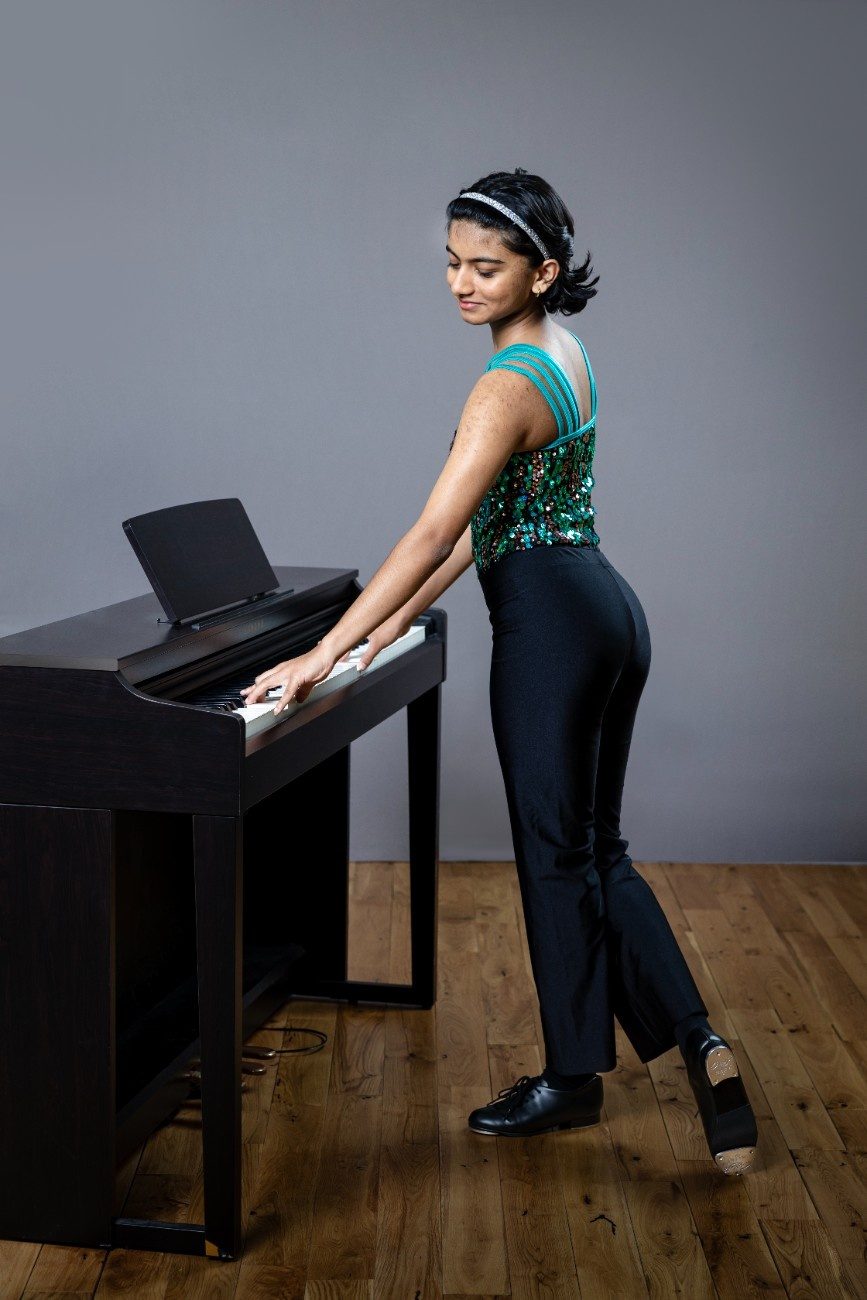
At the same time, tap also introduces structure in a non-intimidating way. There’s a warm-up, center practice, across-the-floor combinations, and sometimes even time to create their own mini routines. This format gives children a sense of predictability and routine, which helps with confidence. It also mirrors the discipline of other dance forms, giving tap a unique position: fun with purpose.
Why Some Kids Take to Tap More Quickly
Every child learns differently. Some children are more auditory-they hear and replicate sounds quickly. Others are visual and learn better by watching a teacher’s feet. Kinesthetic learners feel rhythm in their bodies and understand movement through sensation. Tap appeals to all these styles. That’s why it often “clicks” faster than other technical dance forms. Children don’t have to master long phrases or memorise extensive choreography right away. They can start with sound patterns and gradually build toward more complex sequences.
It also helps that tap is expressive without being theatrical. Children who are not drawn to storytelling or performing in front of others can still enjoy tap because the satisfaction is internal. They feel good when they make the right sound. It becomes a puzzle they want to solve.
Support from Home Helps, But Isn’t Complicated
Parents often ask how they can support their child’s tap practice. The good news is that it doesn’t require special equipment or large spaces. A small piece of plywood in a corner of the room can serve as a makeshift tap board. Five minutes a day of practice is enough for young learners-just enough to reinforce what they’ve done in class without overwhelming them.
Encouragement matters more than perfection. Watching your child tap and saying, “I can hear how much better that sounds this week,” can mean more than any formal critique. When a child feels noticed, they feel motivated to keep improving.
Choosing the Right Class Makes All the Difference
Tap instruction for children should be structured, joyful, and progress-oriented. Not every class meets that standard. It’s worth looking for programs that follow accredited syllabi, use age-appropriate teaching methods, and provide consistent feedback.
At Ballet Centre Dubai, tap is offered under the ISTD syllabus-a respected system that ensures steady progression through practical technique and musicality. Children are grouped by age and level, and parents have the option to enrol them in graded exams when ready. This kind of structure helps both the child and parent track progress without pressure. There’s also the added benefit of free trial classes, so families can explore the style before committing.
Learning Tap is Learning Discipline Through Joy
There’s something wonderfully paradoxical about tap. It teaches discipline through joy, structure through play, and performance through self-discovery. Children often don’t realise they’re learning something challenging, because it feels so natural. They come for the sound, stay for the rhythm, and leave with new confidence in what their bodies can do.
If your child taps around the house already-or even if they don’t-a beginner class might be the start of something special. It’s not about perfection. It’s about giving them a space to move, to listen, to make a little noise, and to grow.
And sometimes, the quietest child in the room becomes the loudest tapper on the floor.