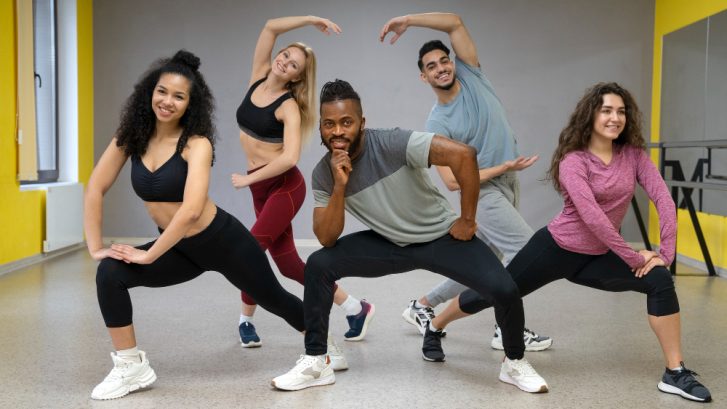
Modern dance training offers children an incredible opportunity to grow in ways that go far beyond the physical aspects of dancing. While the joy of moving to the rhythm is undeniable, the benefits stretch into areas that impact emotional, social, and cognitive development. For parents looking to provide a strong foundation for their child’s growth, modern dance can be a transformative experience.
Building Confidence Through Movement
Children who participate in modern dance training often show a significant increase in self-confidence. The dance environment encourages kids to express themselves, overcome stage fright, and connect with others through shared movements. Learning to perform in front of a group, remembering choreography, and synchronizing with music are powerful tools that help break down shyness and boost a child’s self-esteem. The process of mastering a dance routine, even if it takes a few tries, can give them a sense of accomplishment that translates into other areas of their life.
Developing Physical Strength and Flexibility
Modern dance is not just about artistic expression; it’s also a rigorous physical activity that improves strength, flexibility, and overall fitness. The various dance movements require coordination, balance, and muscle control, which help in developing fine motor skills and body awareness. This type of training builds core strength, enhances posture, and increases flexibility, laying the groundwork for a healthy, active lifestyle. Children who engage in modern dance from a young age often carry these physical benefits with them as they grow, promoting long-term health and well-being.
Enhancing Creativity and Imagination
One of the unique elements of modern dance is its emphasis on creativity. Unlike more structured dance forms, modern dance encourages improvisation and self-expression. This freedom allows children to use their imaginations, invent their own movements, and explore how their bodies can express different emotions and stories. By engaging in this creative process, kids learn to think outside the box, which can enhance their problem-solving skills and encourage a more innovative mindset.
Improving Focus and Discipline
Modern dance classes require concentration and discipline. Learning and memorizing routines demand attention to detail and the ability to stay focused on the task at hand. Children learn to listen carefully to instructions, pay attention to timing, and synchronize their movements with the music and their peers. This type of disciplined practice helps improve their ability to concentrate, which can be especially beneficial in academic settings. Over time, these skills become ingrained, aiding in their overall development.
Social Skills and Teamwork
Participating in dance classes also provides children with a sense of community and belonging. Dance is often a group activity, requiring coordination and collaboration with others. Kids learn the importance of teamwork as they work together to perform routines and dances. They develop empathy by understanding the needs and movements of their peers, building stronger social bonds and communication skills. This collaborative environment helps children learn how to express themselves openly while respecting the space and creativity of others.
Emotional Expression and Stress Relief
Dance is a powerful medium for emotional expression, allowing children to channel their feelings in a constructive way. For many kids, the dance studio becomes a safe space where they can release pent-up energy and emotions through movement. Whether it’s joy, sadness, excitement, or frustration, modern dance provides a physical outlet that helps in managing emotions. The rhythmic movement and the music together create a therapeutic environment that can reduce stress and anxiety, promoting mental and emotional well-being.
Preparing for Future Opportunities
Engaging in modern dance can open up various opportunities for children, both in dance and in other fields. The discipline, creativity, and confidence gained from dance training can be invaluable in pursuing future interests, whether they be in the arts, sports, public speaking, or any other area that requires self-assurance and creativity. Children who have a background in dance often excel in environments that demand presentation skills, creativity, and the ability to perform under pressure.
Developing a Sense of Rhythm and Musicality
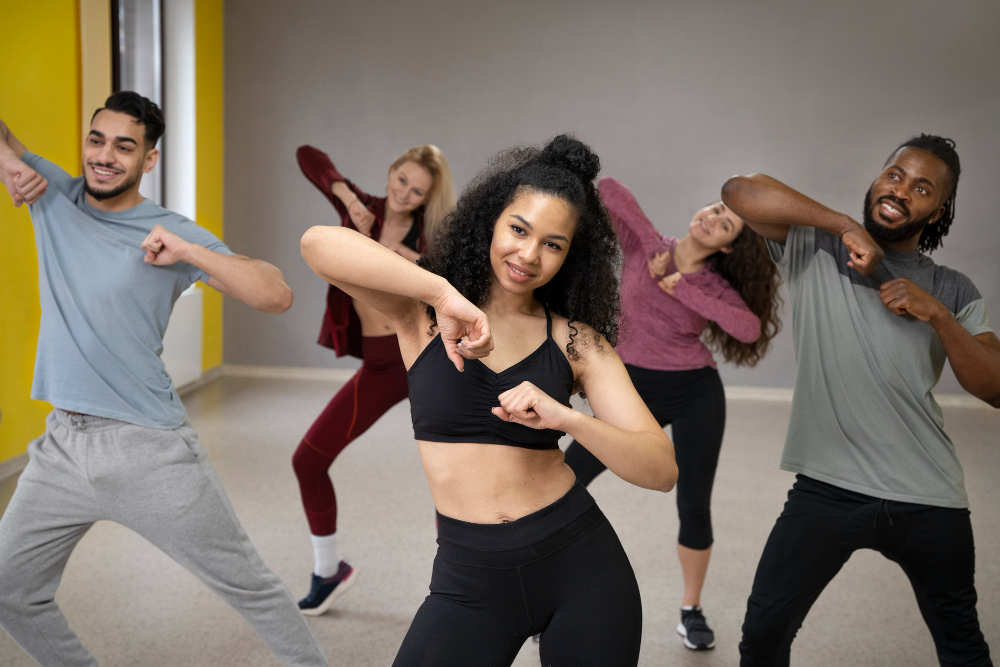
Modern dance training also enhances a child’s sense of rhythm and musicality. Learning to move in sync with the beat, understanding the flow of music, and interpreting it through dance help children develop a deep appreciation for music. This understanding goes beyond the dance studio and enriches their ability to enjoy, analyze, and engage with different forms of music throughout their lives.
Building a Healthy Relationship with the Body
One of the most important aspects of modern dance is that it helps children develop a positive and healthy relationship with their bodies. Through dance, they learn to appreciate what their bodies can do, rather than how they look. This positive body image is crucial in a world where young children are often exposed to unrealistic standards. Dance encourages them to focus on strength, flexibility, and expression, promoting a balanced and healthy outlook.
Conclusion: A Well-Rounded Development Path
Modern dance training offers more than just an activity for children; it provides a comprehensive approach to their development, touching on physical, emotional, social, and cognitive growth. With each dance step, children learn discipline, express their creativity, build confidence, and develop valuable life skills. For parents seeking a holistic approach to their child’s growth, modern dance is a path worth exploring.