Music and Ballet: Beginner Ballet Songs and Recital Music
Explore how music affects your ballet performance! Discover beginner ballet songs, good songs for ballet dance, and perfect music for your ballet recital.
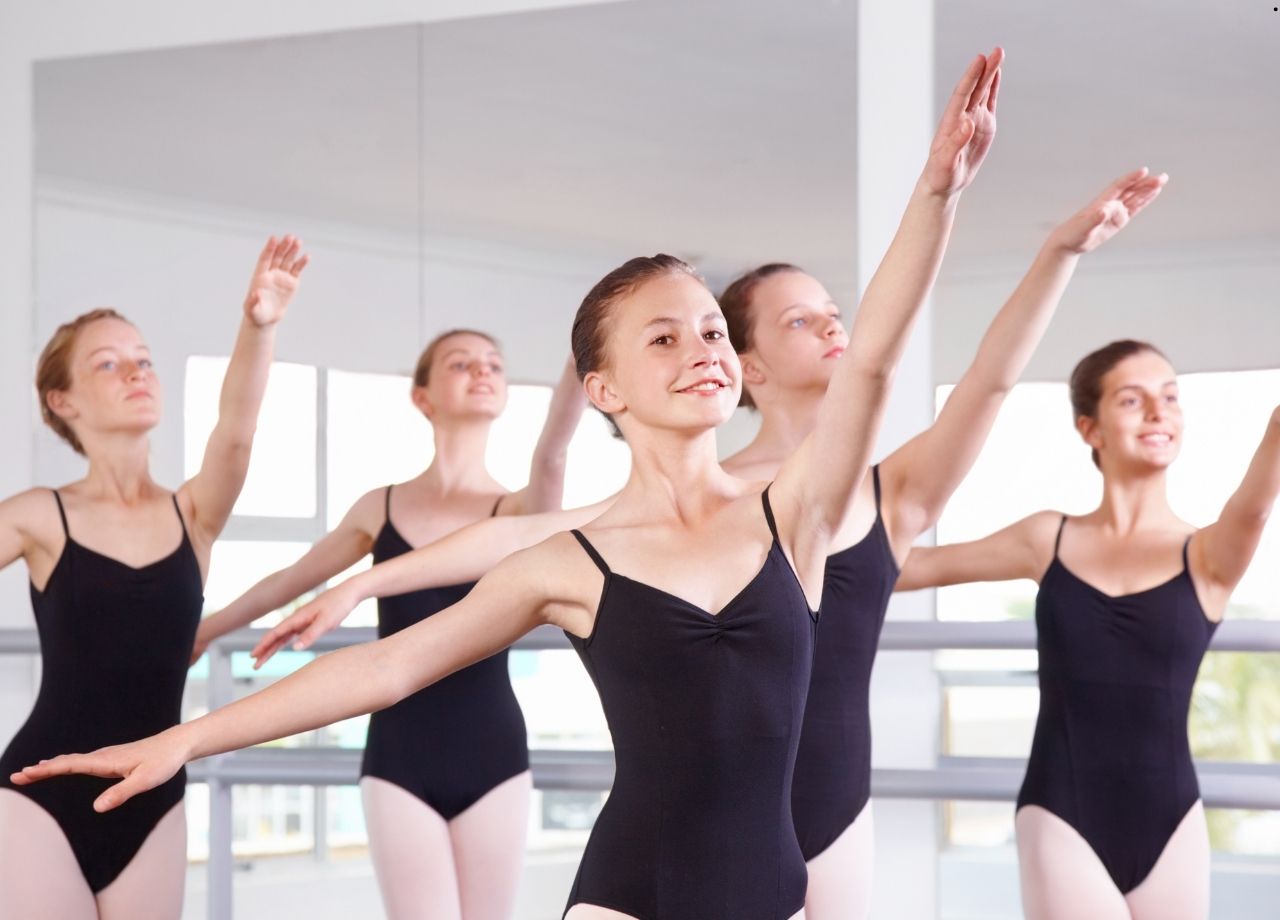
Ballet and music are like two sides of the same coin, with their partnership tracing back centuries. At its heart, ballet is a physical expression of music, telling a story or portraying emotions through fluid movement, all guided by a musical score. Understanding this connection can dramatically enhance a dancer’s performance.
The Role Of Music In Ballet
Music isn’t just background noise for ballet; it’s a driving force that shapes the narrative and sets the pace. The right piece can transform a sequence of steps into a powerful story. Consider a ballet like “Swan Lake,” where Tchaikovsky’s score complements the dancers’ movements to convey the drama and emotion of the story. The tempo, rhythm, and mood of the music dictate the movements and expressions the dancers perform. Faster music might encourage quick, sharp movements, while a slower, somber piece would see dancers moving with deliberate, flowing motions.
This synchronization between music and dance is crucial. It ensures that the ballet isn’t just a visual spectacle but an immersive experience. The audience, whether they’re ballet novices or aficionados, feels the music through the dancers’ movements. This connection is why seasoned choreographers spend considerable time selecting the perfect score for a piece, understanding that music will guide the audience’s emotional journey through the performance.
Psychological Effects Of Music On Dancers
The impact of music on dancers extends beyond the physical performance. It plays a significant role in how dancers interpret their roles and convey the ballet’s emotional depth. Music influences mood and can enhance a dancer’s ability to express complex emotions during a performance. A haunting melody might draw out a poignant sense of longing, while a lively allegro can bring out a sense of joy or excitement.
Moreover, music aids in concentration and memory. Dancers often use the music’s structure to memorize complex sequences and cues, which is essential during rehearsals and performances. The familiarity of a musical piece can provide a mental map, helping dancers navigate through their routines more fluidly and with greater confidence.
Physical Impact Of Music On Ballet Performance
Musically, ballet demands that dancers not only hear the beat but also anticipate and interpret it physically. The rhythm helps dancers time their movements with precision, crucial for the synchronization seen in ensemble pieces. When dancers align their movements to the music’s rhythm, the performance looks more cohesive and polished.
Tempo is another critical factor. It affects the energy and intensity of the dance. A sudden increase in tempo can signal a shift in the narrative, prompting dancers to adjust their energy and movements accordingly. This adaptation requires dancers to be acutely aware of the music, using its tempo as a cue for their physical exertion and emotional output.
Music As A Tool For Choreography In Ballet
Choreography in ballet is much more than arranging dance steps; it involves an intricate dialogue between movement and music. The choreographer’s task starts with selecting a piece of music that not only inspires movement but also complements the narrative of the ballet. This music sets the stage for the entire choreographic process, guiding the creation of sequences that reflect the tempo and mood of the score.
When choreographers choose music, they think about how it will frame the story they want to tell. The music’s rises and falls, its crescendos and diminuendos, can dictate the climax and resolution of the story being told through dance. It’s not just about matching beats to steps; it’s about using music to enhance the storytelling, making the audience feel the tension or relief dictated by the score.
This careful selection and integration of music are why certain ballets remain timeless. The music isn’t just played in the background; it’s a central character that dances along with the performers, equally responsible for conveying the ballet’s emotional weight and narrative depth.
Interpreting Music In Ballet
From a dancer’s point of view, interpreting music through ballet is a unique challenge. Each piece of music evokes different emotions and images, which dancers must translate into physical expression. This requires a deep understanding of the music’s every nuance, from the overt melodies to the subtlest harmonies.
Dancers learn to listen to music not just for the beat but for the story it tells and the feelings it evokes. This musical interpretation is what makes each performance unique, as each dancer brings their own emotional response and expressive style to the music. It’s about more than executing choreography; it’s about embodying the music, making it visible through their movements.
Techniques for expressing musical nuances include varying the intensity of movements, using facial expressions to reflect the mood of the music, and even adjusting the timing of gestures to align with musical phrases. This deep, responsive connection between dancer and music can elevate a performance, making it a truly immersive experience for both the performer and the audience.
Training And Rehearsals
Effective training in ballet involves more than repetitive practice of steps; it also includes learning how to work with different types of music. During rehearsals, dancers practice with the music repeatedly, which helps them internalize the tempo and emotional tone of the piece. This repeated exposure allows dancers to experiment with how they can best express the music through their movements.
Instructors often emphasize the importance of musicality in dance, encouraging students to listen actively to the music as they rehearse. This training helps dancers develop a rhythmical intuition, an instinct for how their movements can best reflect the music’s character. By rehearsing with a variety of musical styles, dancers become more versatile in their performances, able to adapt their dancing to the demands of different musical contexts.
The rehearsal space is where music and dance truly begin to weave together, forming the tight bond seen in performances. It’s where dancers refine their ability to not just dance to the music but to interpret it, using their bodies to make the music’s emotional and narrative content clear. This preparation is crucial, as it ensures that once on stage, the dancers can fully embody the music, delivering a performance that resonates with clarity and emotion.
Performance And Audience Perception
The magic of a ballet performance is not just in the steps and the physical prowess of the dancers; it’s also in how the music enhances the connection between the performers and the audience. Music has a profound impact on how the audience perceives and experiences a ballet. It sets the emotional tone and enriches the visual storytelling, making the narrative more accessible and engaging.
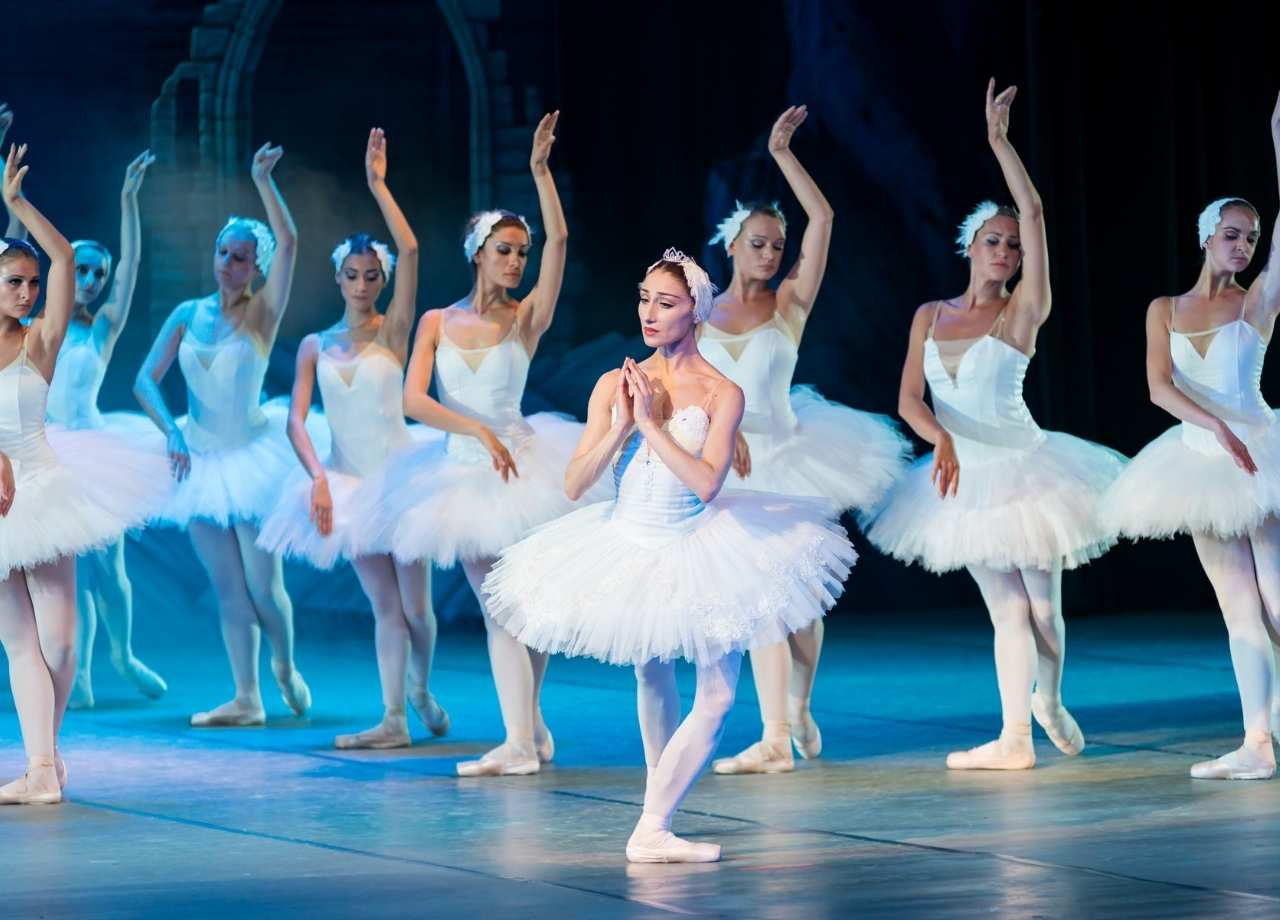
An audience might not remember every step, but they will recall the overall feeling conveyed by the performance-how it made them feel at the moment, driven largely by the interplay of music and movement. When dancers are in sync with the music, their performances seem more vivid and expressive, often leaving a lasting impression on those watching.
Challenges And Considerations
Working with music in ballet isn’t always straightforward. One challenge dancers often face is adapting to complex musical scores that require highly precise timing. Mastering such scores can be demanding, as it requires an impeccable sense of rhythm and timing to ensure the dance aligns seamlessly with the music.
Another consideration is the choice between live and recorded music. Live music can elevate a performance, offering a vibrant and dynamic accompaniment that adapts to the dancers’ movements. However, it also requires dancers to be more adaptable and responsive to slight variations in tempo and expression that a live orchestra might bring.
Conclusion
In ballet, music is far more than a backdrop; it’s a vital component that transforms dance into a richer, more expressive art form. Whether you’re a dancer, choreographer, or someone who simply loves ballet, appreciating the role of music can offer deeper insights into this beautiful performance art. So next time you watch a ballet, pay close attention to the music-not just as a separate element, but as a part of the whole experience that shapes everything you see on stage. And if you’re a dancer, remember, every rehearsal with music is an opportunity to deepen your connection to your art. Why not dive into your next practice session with a fresh appreciation for the music that moves with you?