
Piano Classes in Dubai: Teach Kids Piano with Confidence
Discover how to play piano for kids with tips on how to teach kids piano. Find the best piano classes in Dubai.
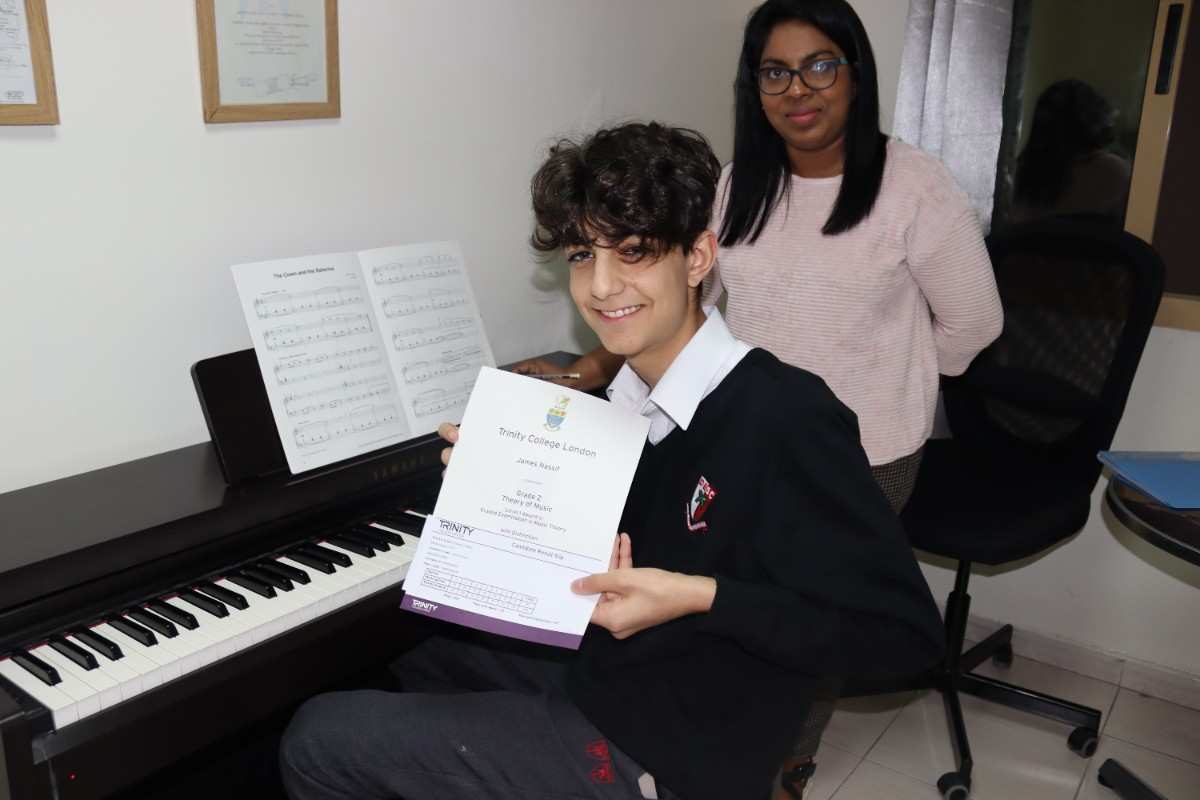
Teaching your child the basics of piano can seem like a daunting task, especially if you’re not musically trained yourself. However, with a little preparation and some basic knowledge, you can effectively introduce the wonderful world of music to your child at home. Let’s start by getting to know the instrument itself, setting up a learning environment, and discussing some foundational piano skills.
Understanding the Piano
The piano is a fascinating instrument, both in terms of its design and the beautiful sounds it can produce. Begin by introducing your child to the main components of the piano. The keyboard, made up of black and white keys, is the most interactive part of the piano. Explain that the black keys are used to play what are called sharp and flat notes, while the white keys play natural notes.
The pedals at the bottom of the piano add depth to the piano’s sound. The most commonly used pedal, the sustain pedal on the right, helps to blend the notes together by lifting all the dampers off the strings, allowing them to vibrate freely. Middle pedals can vary in function depending on the piano, but they generally soften the sound, and the left pedal, or soft pedal, changes the timbre by shifting the hammers so they strike fewer strings.
Also, let them see inside the piano if possible, showing the hammers and strings, explaining briefly how pressing a key causes a hammer to strike a string, producing sound. This simple demonstration can demystify the instrument and spark curiosity about the mechanics of music.
Preparing to Teach Piano
Before diving into lessons, setting up an inviting and distraction-free learning space is crucial. This doesn’t need to be a soundproof studio but having a quiet corner with good lighting and a properly sized stool can make a big difference. Ensure the piano is tuned and in good working condition, so the experience is always pleasing to the ear.
Choosing the right piano might involve deciding between an acoustic or a digital piano. Acoustic pianos, while traditional, require more maintenance and space, but they offer authentic sound and feel. Digital pianos, however, can be more budget-friendly and have volume control and headphone options, making them ideal for apartment living. They also often feature a variety of instrument sounds and built-in metronomes, which can be beneficial for practice.
Basic Piano Skills
Now, it’s time to teach some basic skills. Start with the correct sitting posture; sitting up straight but relaxed, at a height where the forearms are parallel to the floor when the fingers are on the keys. Proper finger placement is also essential. Encourage your child to curve their fingers slightly, using the fingertips to press the keys.
Next, introduce the concept of musical notes and scales. You might start with the C Major scale, which consists only of white keys and is relatively easy to memorize. Show them how to play a scale with proper fingering, which is crucial for developing agility and speed later on. Keep the mood light and playful-try singing along to the notes to help them remember the sounds.
Developing a Practice Routine
Establishing a consistent practice schedule is vital to any new skill, especially when it comes to learning an instrument like the piano. It’s not just about finding the time each day; it’s about making practice a fun and rewarding part of your child’s routine.
Start by setting aside a regular time each day for practice, which can help make playing the piano a natural part of your child’s activities. Young children might thrive with shorter, 15-minute sessions, possibly increasing as they grow and their attention span expands. What’s important is that this time is free from interruptions, where your child can focus on playing and enjoying the instrument.
Encouraging consistency doesn’t mean demanding perfection. The goal of regular practice is to build comfort and familiarity with the piano. Celebrate small victories and progress, whether it’s mastering a new note, playing a scale more smoothly, or simply showing up to the piano every day without a fuss.
Introduction to Reading Music
Reading music is like learning a new language. Start with the basics: the musical staff, which is the five lines on which music notes sit. Each line and space represents a different note. Teaching your child to recognize these notes can start with simple mnemonics, like “Every Good Boy Does Fine” for the lines of the treble clef, which represents notes E, G, B, D, and F.
Begin with simple, clear exercises that introduce these concepts slowly. You can use clear, visual materials like flashcards or beginner’s music books. Apps and online games that teach music reading can also be engaging for young learners, making use of interactive elements to reinforce these lessons.
Practicing reading music should be a playful exploration. Try calling out a note and having your child find and play it on the piano, or vice versa. These kinds of interactive games make learning less of a chore and more of a delightful challenge.
Using Teaching Aids and Apps
In today’s digital age, a variety of teaching aids and apps can make learning piano more interactive and enjoyable for children. Apps like Simply Piano or Flowkey provide interactive lessons that cater to different levels and include real-time feedback, which can be incredibly motivating. They often have a wide range of songs and exercises that can keep the practice fresh and engaging.
Physical teaching aids are also invaluable. A metronome, for example, is essential for teaching children about timing and rhythm. Starting slow and increasing the tempo as they become more comfortable can help build their confidence and precision. Music books tailored to children can also be beneficial, as they often include colorful illustrations and songs that are engaging to young learners.
Flashcards are another simple yet effective tool. They can be used to reinforce note reading, recognition of musical symbols, and even basic music theory. Incorporating these into a daily practice session can enhance learning and retention, and make the whole process more interactive.
Tips for Parents as First-Time Instructors
Stepping into the role of a piano teacher for your child can feel a bit overwhelming at first. The key is to remain patient and to provide continuous encouragement. Remember, your primary role is to support and motivate, not to demand perfection on every note. Children will inevitably have days where they struggle or don’t feel like practicing. On these days, it’s important to be especially supportive, acknowledging their effort rather than focusing solely on accuracy.
One effective strategy is to join in during practice times, even if you’re not musically inclined yourself. Showing your own willingness to engage with the music can be a huge motivator. You might even discuss what songs they like and why, which helps you understand their musical preferences and encourages a deeper connection to the learning material.
Dealing with frustration is another aspect of teaching piano that you’ll need to manage. When children get frustrated, they might want to quit. Here, the key is to help them break down the music into smaller, manageable sections, ensuring they succeed step by step. Celebrating these small successes can boost their confidence and encourage persistence.
Monitoring Progress
Keeping track of your child’s progress is important, not just for measuring their success, but for maintaining their motivation. Setting small, achievable goals can help them see their progress and feel proud of their achievements. This might be mastering a particular piece, playing a scale without mistakes, or simply being able to sit through a longer session at the piano.
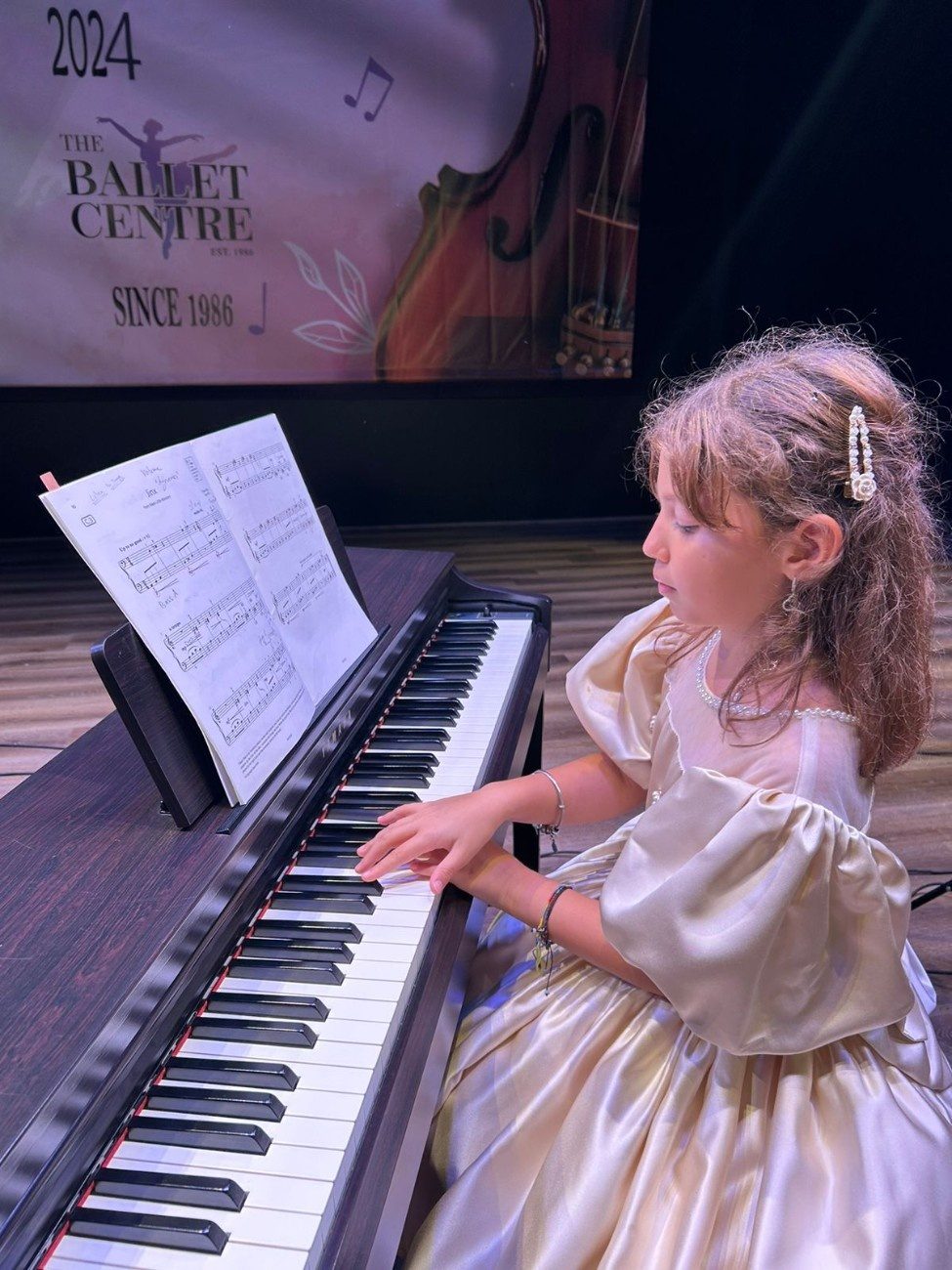
It’s also important to be flexible with these goals. If a particular piece is too challenging, it’s okay to switch it up with something else that keeps the learning experience enjoyable. Regular, positive feedback on their progress can make a huge difference in how they perceive their piano practice and overall musical journey.
As your child progresses, make a point of listening to them play and offering specific, positive feedback. For instance, you might say, “I love how smoothly you played those notes,” or “You’ve really mastered that song!” It’s these moments of acknowledgment that often keep kids engaged and eager to improve.
Excel At Piano
Teaching your child by yourself can be a rewarding experience but if you truly want them to excel to advanced stages the Ballet Centre Dubai is the ultimate destination for aspiring pianists seeking to elevate their skills and achieve musical excellence. With highly qualified instructors and a comprehensive curriculum, the centre provides personalized lessons that nurture both technical precision and artistic expression. Whether your child is just beginning or ready to master complex compositions, the Ballet Centre Dubai offers the ideal environment to unlock their full musical potential and inspire a lifelong passion for piano.
Conclusion
Starting your child on their musical journey with piano can be a deeply rewarding experience. As you embark on this path together, remember to keep the atmosphere light and enjoyable. Encourage curiosity and resilience, and be there to support them through the ups and downs. With a bit of patience and a lot of encouragement, you’ll be amazed at how much your child can learn and grow.
If you don’t have the patience or want the hassle of teaching your child yourself, why not schedule the first practice session today with The Ballet Centre Dubai? It could be the beginning of a lifelong love of music for your child. Just imagine the beautiful music that will fill your home as your child explores the piano, one note at a time. Let the music play, and enjoy every moment of this musical adventure together.