Inside Schools for Music Therapy: Class Expectations
Wondering what schools for music therapy classes are like? Get a detailed look at lessons, skills & career prep. Find your perfect program now!
A quiet room, a small drum in the corner, and a child softly swaying to the rhythm of a song they’ve heard a hundred times at home-this is often how music therapy begins. There’s no rush, no pressure to perform. What unfolds in the space between notes is where the real work happens.
Music therapy offers something unique to children: a chance to express emotions, reduce stress, and build confidence without needing to say a single word. It’s not about musical talent. It’s about connection, between therapist and child, between movement and sound, between inner feelings and the outside world.
Sessions That Feel Safe, Not Structured
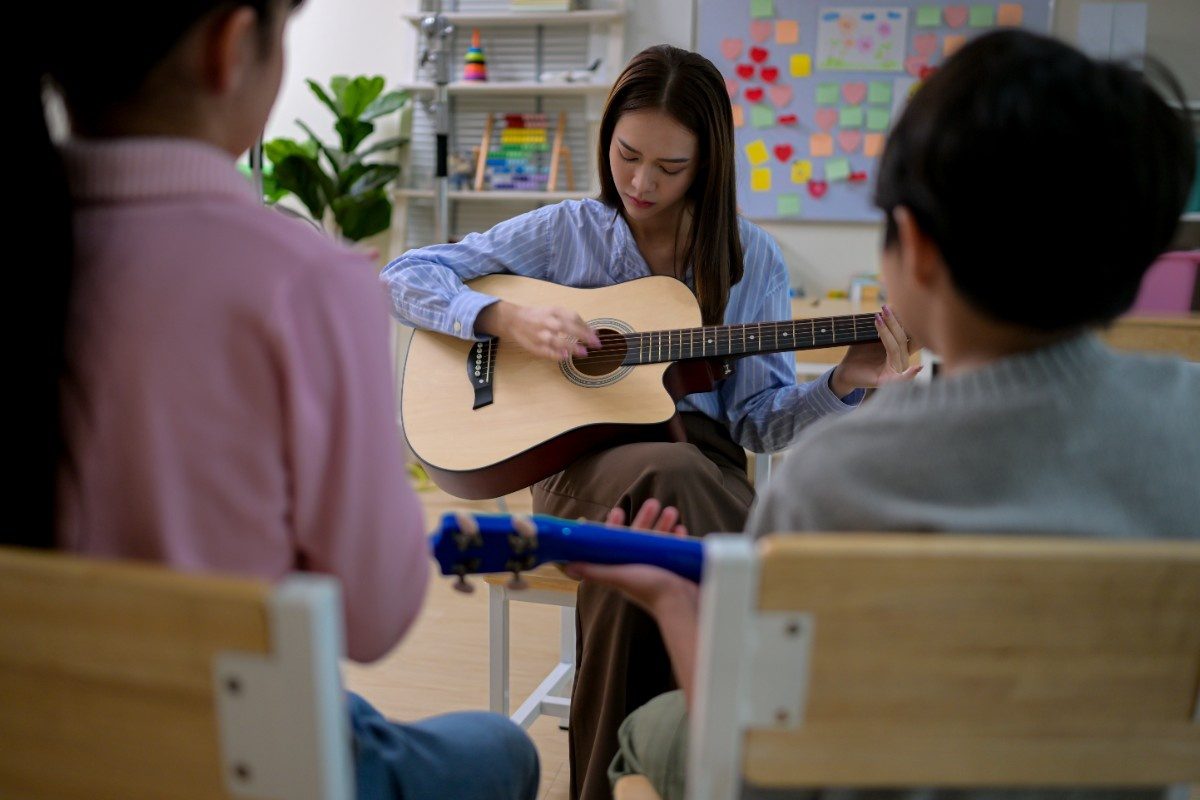
A common misconception is that music therapy resembles a music lesson. Parents sometimes arrive expecting their child to learn chords or practice songs. But the focus is not on mastering technique. Sessions are flexible and built around the child’s needs and responses. Some days are more active-full of rhythm games or dance-like movement. Others are quiet, with soft piano chords or improvised lullabies guiding the mood.
Children are encouraged to explore instruments freely. There’s no right or wrong note. What matters is the response: a drumbeat that matches a child’s breathing, a familiar melody that soothes frustration, a shaker that brings a smile. The therapist adjusts based on these cues. One child may clap to match a beat; another may curl up on a beanbag and just listen. Both are participating fully in their own way.
Why Music Works When Words Don’t
Many children who join music therapy have difficulties expressing themselves verbally. Some are on the autism spectrum. Others are working through trauma, anxiety, or delayed speech. Music offers an alternate path. It bypasses the part of the brain that processes language and reaches the emotional centers directly.
You might see a child who hasn’t spoken much suddenly hum along with a song. Or one who struggles with coordination keep time with a tambourine. These moments are powerful. Over time, repetition and rhythm help regulate attention, reduce anxiety, and create a predictable pattern the child can rely on.
It’s not uncommon for therapists to use the same song for weeks, making tiny changes to the lyrics or tempo. This consistency helps build trust, while the variations encourage flexibility and listening. In many cases, children who felt overwhelmed in group settings begin to look forward to the routine.
What Does a Music Therapist Do?
A music therapist is a board-certified healthcare professional who uses music intentionally within a therapeutic relationship to address physical, emotional, cognitive, and social needs of individuals. Unlike a music teacher who focuses on technical skill, the therapist uses musical experiences-like improvisation, songwriting, listening, and movement to music-as clinical tools to achieve non-musical goals.
They are trained observers who assess a client’s needs, develop a treatment plan, and use their musical skills to facilitate engagement, expression, and growth. Their core role is to guide the session based on the client’s immediate responses, using music to support developmental milestones, manage anxiety, improve communication, and process complex emotions in a safe and supportive environment.
Individual and Group Sessions
Some children thrive in one-on-one sessions, where the environment is calm and the attention is undivided. Here, the therapist and child build a bond slowly, using instruments, voice, or even silence to establish comfort. Others benefit from small group classes, where interaction with peers is gently encouraged.
In group settings, children can work on sharing, turn-taking, and responding to others in a structured yet playful way. If one child begins a rhythm, another might echo it back. This kind of call-and-response isn’t just musical-it’s social learning through sound. Therapists often facilitate small musical games that feel like play, but serve important developmental goals.
The Therapist’s Role: Observer and Guide
Music therapists are trained not just in music, but in psychology and child development. They’re always watching, adjusting, and interpreting subtle signs. If a child flinches at a loud sound, the volume drops. If a child gravitates to the xylophone, the therapist might build a session around that tone range.
Therapists often document each session closely, tracking patterns, noting behaviors, and setting small goals. These goals might relate to emotional regulation, speech development, or physical coordination. They don’t replace other types of therapy but can complement them. For many families, music therapy is part of a larger plan of care.
What Parents Can Expect Over Time
The changes aren’t always immediate. Some children spend the first few sessions just observing. But even that is meaningful. By being present, by listening, and by making small choices (even choosing not to play), the child is already engaging with the process.
Over time, parents often notice differences outside of the sessions. A child may start humming favorite songs at home, or use rhythm to manage big emotions. Others may begin to imitate phrases from songs as a first step toward speech. These moments are quiet wins. They don’t always come with fanfare, but they add up.
Communication between therapists and families is important. Most centers provide regular updates or check-ins. Parents are encouraged to ask questions, share observations, and be part of the process.
Instruments That Support Growth
Many parents ask what kind of instruments are used in music therapy. The answer depends on the child, but some tools are used often: hand drums, maracas, rain sticks, bells, keyboards, and ukuleles. Each serves a purpose. Drums are grounding and help with regulation. Bells encourage fine motor skills. Ukuleles are small and easy to strum, even for little hands.
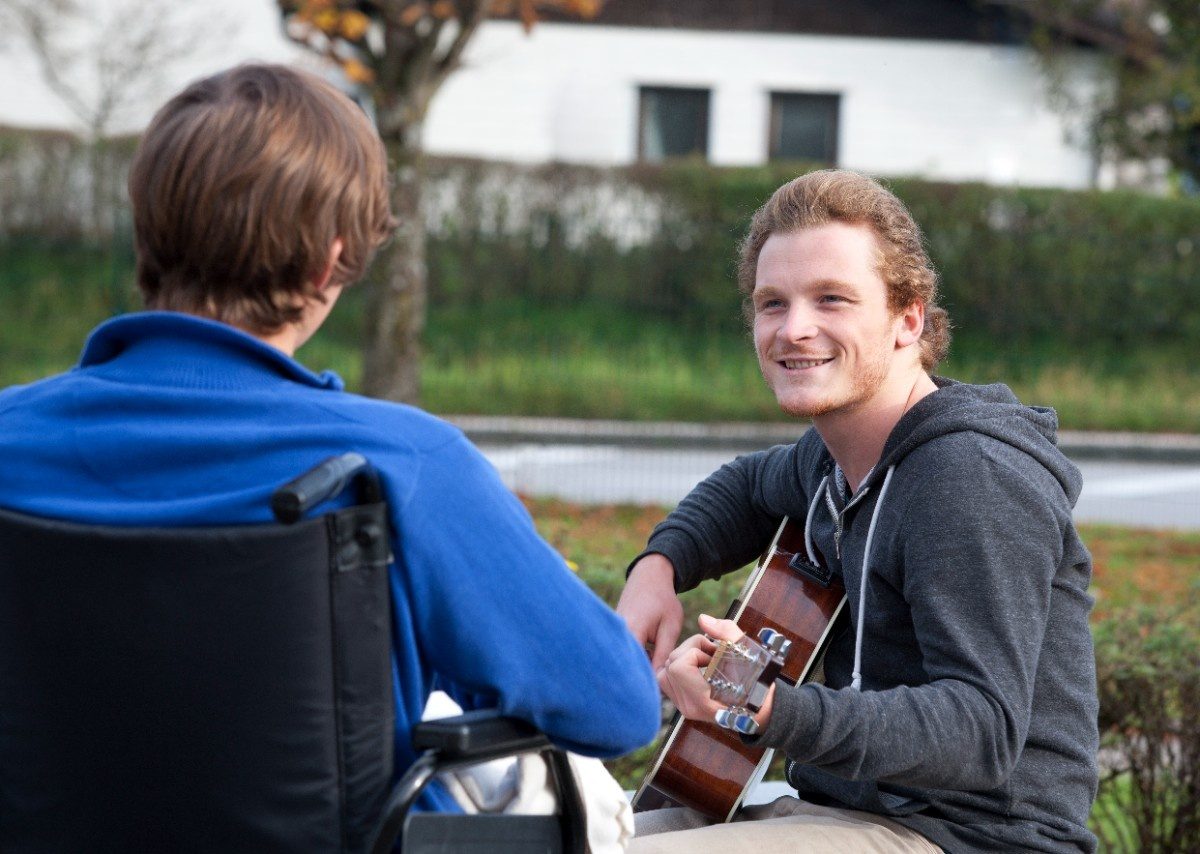
In some sessions, therapists use digital tools as well-like music apps that allow children to compose simple tunes or control sounds with touch. This can be especially helpful for kids who are drawn to technology or who have mobility limitations.
Where to Start If You’re Considering Music Therapy
Many parents discover music therapy through a recommendation-from a teacher, pediatrician, or speech therapist. Others seek it out after noticing their child responds strongly to music at home. If you’re curious whether it’s a good fit, trial classes are a helpful place to begin.
Ballet Centre Dubai offers music classes that support early development, emotional awareness, and self-expression, making it a practical option for families looking to encourage their child’s growth through creative methods. With trained professionals, KHDA-approved programs, and flexible trial options, it provides a supportive environment for children of all abilities to explore the power of music in a way that feels safe and joyful.
Small Sounds, Big Changes
It’s easy to underestimate the effect of a few soft notes or a repetitive beat. But when those sounds are used with intention, they can reach places that traditional communication struggles to touch. A child who begins to smile more, sleep better, or connect more easily with others after a few months of music therapy is proof of that.
The progress may not always show up on a chart, but it shows up in the way a child carries themselves. In their willingness to try something new. In the way they light up when they hear their favorite song. And for many families, those are the milestones that matter most.