
Taekwondo Training: Build Discipline, Strength & Skill
Elevate your skills with expert taekwondo training! Join a top taekwondo training center and experience a structured taekwondo training program today.
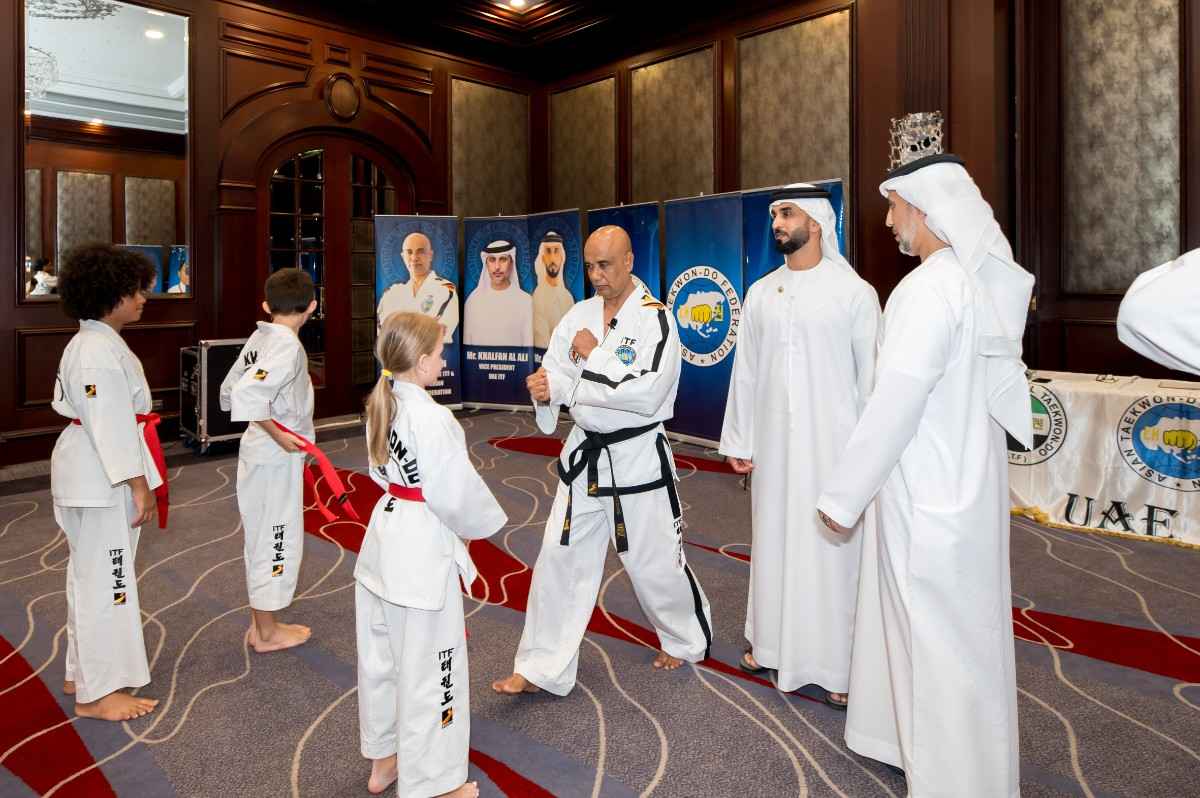
The sight of a young martial artist executing precise movements with unwavering focus is always impressive. Every block, strike, and kick is a reflection of countless hours of practice, discipline, and determination. Taekwondo isn’t just about physical skill-it’s a training ground for the mind and body, shaping students into strong, confident individuals.
The Foundation of Discipline
One of the first lessons a Taekwondo student learns has nothing to do with physical movement. It starts with respect, respect for the instructor, the training space, and the discipline itself. Before stepping onto the mat, students bow, signaling their readiness to learn. This simple act introduces them to the structure and discipline that will guide their progress.
For young learners, this environment provides a much-needed balance between freedom and responsibility. They have the space to challenge themselves, but they also understand that improvement comes through consistent effort. The training requires full attention, listening to instructions, following proper form, and practicing repeatedly until movements become second nature.
Over time, these habits extend beyond the class. Children who struggle with focus often find that Taekwondo helps them develop better concentration. They learn to complete tasks with greater attention to detail, whether it’s finishing homework, tidying their space, or following instructions at school.
Strength Through Technique
Taekwondo is famous for its powerful kicks, but true strength in this martial art isn’t just about force. It’s about control, balance, and precision. A well-executed kick requires more than just lifting the leg and striking-it involves core stability, proper hip rotation, and an understanding of timing.
Young students start with basic movements that help build coordination. Simple drills, such as holding a stance or repeating a kicking motion, train their muscles to work efficiently. Over time, they gain greater flexibility, endurance, and strength. What starts as a challenge becomes second nature, and their physical abilities improve without them even realizing it.
Beyond the physical benefits, mastering these techniques teaches patience. A child may struggle with a particular kick for weeks before finally getting it right. That moment of success reinforces the idea that hard work leads to progress.
The Role of Routine in Building Character
Consistency is key in Taekwondo. The structured nature of training helps children develop a sense of responsibility. Attending class regularly, practicing at home, and striving toward new belt levels teach them the value of commitment.
Many parents notice a shift in their child’s mindset after just a few months of training. The same child who once resisted routines now understands the importance of practice and effort. This shift often translates into other areas of life, from completing school assignments on time to approaching new challenges with a problem-solving attitude.
Confidence Through Progress
One of the most rewarding aspects of Taekwondo is the belt system. Earning a new belt isn’t just about demonstrating physical ability; it’s about showing readiness to take on more responsibility. This structured progression keeps students motivated, giving them clear goals to work toward.
For a child who struggles with self-confidence, this process is incredibly valuable. Each class presents an opportunity to push past personal limits. Whether it’s improving a stance, kicking higher, or successfully breaking a board, every achievement builds confidence.
Parents often find that Taekwondo helps their children overcome shyness or hesitation. The structured yet supportive environment encourages students to step outside their comfort zones, knowing that effort and persistence will lead to improvement.
Self-Control in Action
Martial arts teach self-defense, but one of the most important lessons is knowing when not to use it. Taekwondo emphasizes control-of movement, of reactions, and of emotions. Students learn that strength is not about aggression but about measured response.
In class, this is reinforced through sparring exercises. Rather than reckless fighting, students practice controlled movements, maintaining composure under pressure. This ability to stay calm and think before acting is a skill that carries into daily life. Whether dealing with a disagreement at school or handling frustration in a challenging situation, children who train in Taekwondo develop a sense of self-control that helps them navigate social interactions more effectively.
Respect as a Core Value
Respect is woven into every aspect of Taekwondo training. From the way students address their instructors to the way they interact with classmates, the importance of treating others with consideration is constantly reinforced.
This respect extends beyond class. Many parents notice a positive shift in their child’s behavior at home and school. Simple acts-like listening without interrupting, waiting their turn, and showing appreciation, become second nature.
For children who struggle with impulsiveness or difficulty following rules, Taekwondo provides a clear structure that helps them develop better habits. Instead of feeling restricted, they learn that following guidelines allows them to grow and improve.
A Safe and Encouraging Learning Space
The environment in which a child learns Taekwondo matters. A well-structured program ensures that students receive the right balance of discipline and encouragement. At Ballet Centre Dubai, the ITF Taekwondo classes provide a safe, supportive setting where students of all skill levels can thrive.
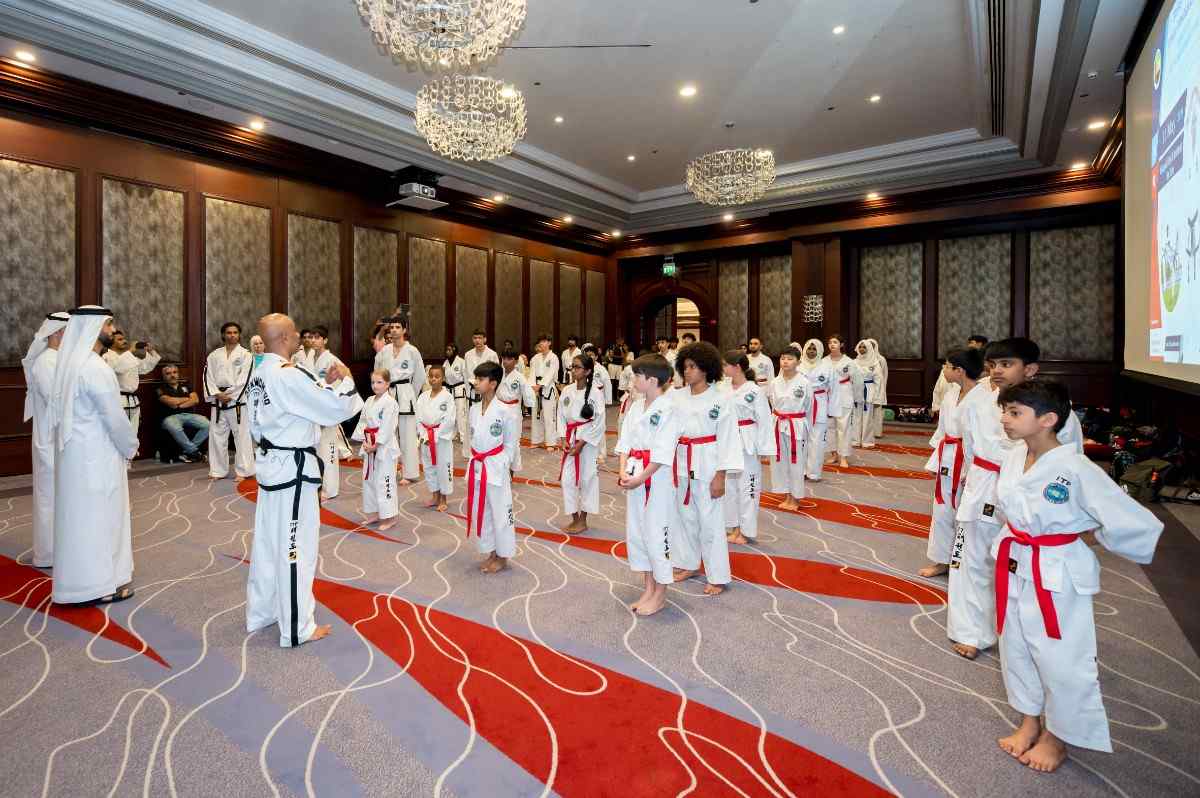
With experienced instructors guiding them, students build confidence at their own pace. The structured curriculum, which includes KHDA-approved exams, helps parents track their child’s progress while ensuring they are receiving quality training. The centre also offers flexible payment plans and free trial classes, making it easier for families to explore whether Taekwondo is the right fit for their child.
A well-rounded approach to training means that students are not only learning physical techniques but also developing mental resilience. The goal is not just to build strong athletes but to shape individuals who carry the values of discipline, respect, and perseverance into every aspect of their lives.
A Lifelong Skill Set
Taekwondo offers much more than just a way to stay active. It provides children with tools they will use throughout their lives. The discipline they develop in class translates into better study habits. The confidence they gain helps them approach new situations with courage. The respect they learn fosters healthier relationships with peers and adults.
Parents looking for an activity that goes beyond entertainment, something that truly shapes character-will find that Taekwondo is one of the most rewarding choices they can make for their child. Whether a student continues training for years or simply carries the lessons learned into other pursuits, the skills gained through this martial art remain long after the final bow on the mat.