
What Is the Best Instrument for Brain Development?
Learn how playing the best instrument boosts kids' IQ and brain development. Find out the best instrument for beginners and cognitive growth.
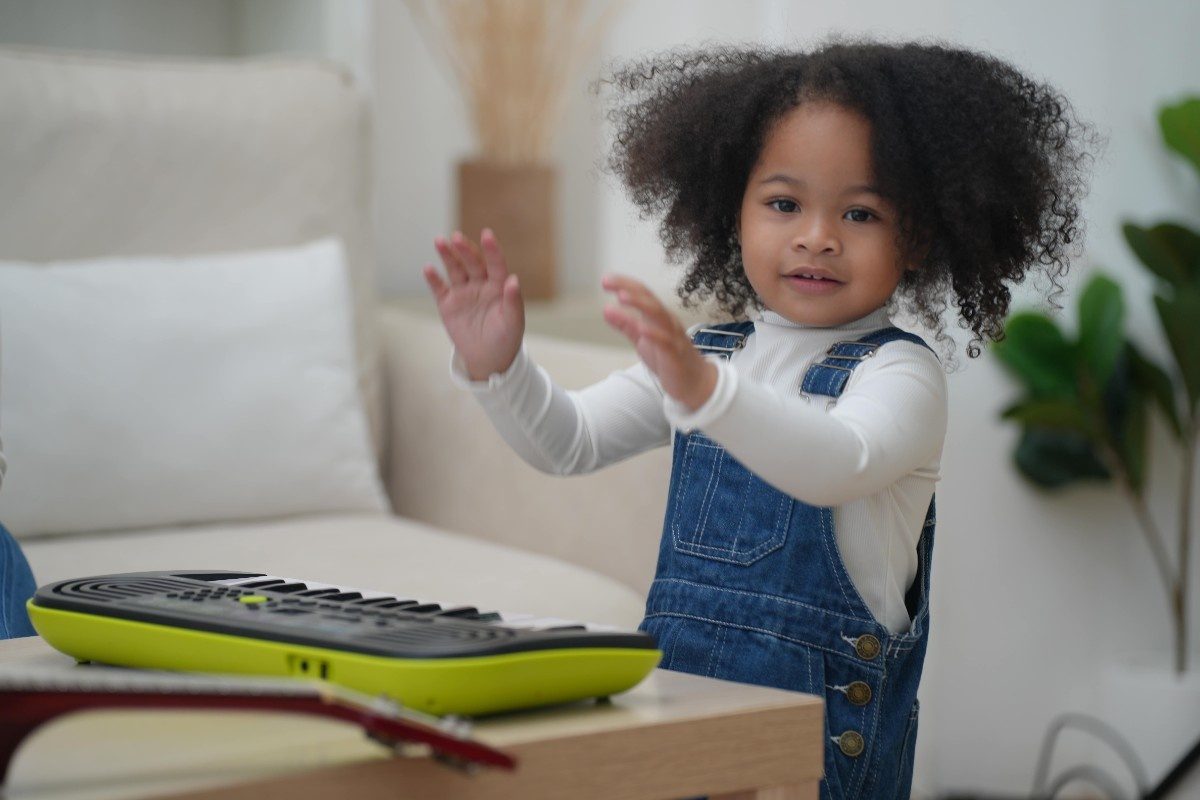
Music isn’t just a way to fill a quiet room. It’s a bridge to better brainpower, especially for children learning to play an instrument. Let’s explore how this artistic endeavor can shape a young mind, enhancing everything from memory to math skills.
The Science of Music and Brain Development
When children learn to play a musical instrument, they’re not just mastering scales and notes-they’re also giving their brains a full workout. Research shows that engaging with music activates diverse areas of the brain. For instance, when kids work on timing and rhythm, they’re tapping into the same brain regions involved in mathematical thinking and reasoning. This overlap suggests why kids who study music often excel in math and logic tasks.
It’s about more than just numbers, though. Music sways its way into the centers of the brain responsible for emotional processing and creativity. Early musical training can help strengthen these neural networks, making them more adaptable and resilient. This isn’t just about building a more efficient brain in childhood; these benefits extend well into adulthood. Musical experiences in early life can pave the way for a sharper, more alert mind later on.
Cognitive Benefits of Learning an Instrument
Let’s break down the cognitive perks of picking up an instrument. First off, there’s memory. Learning music improves both working and long-term memory. Children need to remember chords, music readings, and hand positions, which exercises their memory muscles regularly.
Then there’s the boost to concentration skills. Music practice requires focus (no texting or video games in the background). This concentration can spill over into other academic areas, helping kids stay on task during homework or exams. Plus, the analytical skills gained from interpreting musical pieces can make problem-solving in other subjects seem like less of a chore.
Emotional and Social Benefits
Switching gears to emotional skills, playing an instrument can be a powerful outlet for expression. It allows children to communicate feelings they might not be able to put into words, from the highs of a fast-paced number to the poignant lows of a minor key. This emotional engagement can lead to deeper empathy and a better understanding of others’ emotions, key components of social intelligence.

Moreover, music can be a solo act or a group effort. Participating in a band or orchestra teaches children about teamwork and collaboration. These are not just musical skills; they’re life skills. Playing with others also helps build a sense of community and belonging, important factors in emotional well-being.
Educational Outcomes
There’s a strong tie between musical education and better grades. This link isn’t just about the direct cognitive benefits of music; it’s about the broader habits and skills that musical training instills. For instance, studies have shown that children who learn an instrument often perform better on standardized tests. This improvement is especially notable in subjects like math and reading. The discipline of regular practice translates into more disciplined study and work habits.
Music also teaches patience and persistence. Learning an instrument isn’t a quick or easy feat-it takes years to master. This long-term commitment to a goal is a valuable mindset for academic success. Kids learn early on that persistence pays off, not just in music but in their studies and future careers as well.
Personal Stories
Consider Maya, a nine-year-old who started playing the violin at the age of five. Initially, she struggled with the basics, which was frustrating for a child accustomed to instant gratification. However, as she progressed, not only did her violin skills improve, but her parents and teachers also noticed a significant boost in her focus and determination in school. Her ability to stick with challenging math problems increased, and her reading comprehension scores shot up. Maya’s story is just one of many where music education plays a key role in broader academic achievements.
Then there’s Ethan, a student who had trouble fitting in and cooperating in group activities. Joining the school band changed that. The experience of working towards common goals in band practice helped him feel part of a team. His teachers reported that his improved cooperation skills were evident in other classroom activities too.
These stories reflect common outcomes reported by educators across various settings. They see students who are engaged in music becoming more resilient, cooperative, and motivated in their general education.
Tips for Integrating Music Into Everyday Learning
If you’re a parent thinking about how to integrate music into your child’s life, it doesn’t have to mean private lessons right away, which can be expensive and time-consuming. Start simple. Encourage your kids to sing along to songs on the radio, introduce them to different types of music, or enroll them in a school music program.
For those with the means and interest to invest further, consider instruments that align with your child’s interests and temperament. A child who loves to be the center of attention might thrive with a trumpet, while a more introspective child might connect with the piano or guitar.
Schools can also play a critical role. By providing robust music programs, they can offer all children, regardless of background, the opportunity to explore music. These programs can be incorporated into the regular school day, making music an integral part of the curriculum rather than an extracurricular activity. This accessibility ensures that every child gets the chance to experience the benefits of music education.
Encouragement for Wider Adoption
The value of music education extends beyond the individual to enrich our broader educational system. Schools with strong music programs often report a more engaged student body and a positive school culture. This positive atmosphere can decrease absenteeism and disciplinary issues, showcasing how music education contributes to a more dynamic and supportive learning environment.
Parents and educators alike can advocate for greater inclusion of music in the curriculum, not as a luxury but as a vital component of well-rounded education. By pushing for policies that support music programs in schools, we can ensure that these benefits reach as many children as possible.
The evidence is clear: learning an instrument can significantly boost a child’s IQ and overall educational experience. If you’re a parent, consider the lasting impact music could have on your child’s life. Why not explore local music classes or start with some fun, music-related activities at home? And if you’re involved in education, think about how you can support or expand music programs at your school.