
Yoga Classes in Dubai: Refreshing Yoga Therapy in Dubai
Refresh your body and mind with yoga classes in Dubai. Experience relaxing yoga therapy in Dubai for improved wellness and balance.
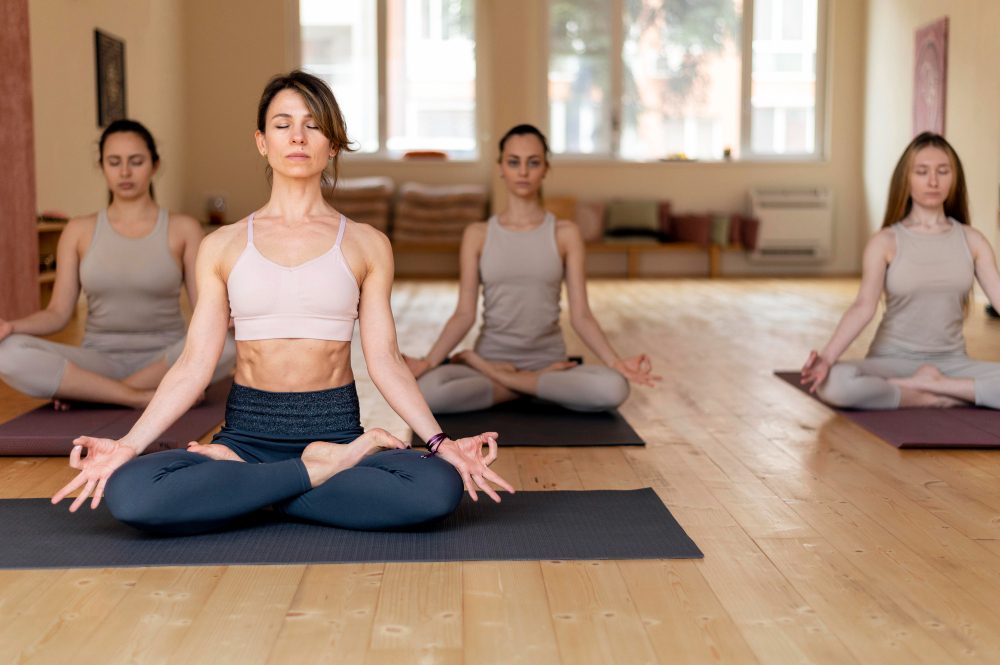
In the fast-paced city of Dubai, finding moments of relaxation and renewal can be a challenge. Between bustling work schedules, social commitments, and daily life responsibilities, stress can easily build up. This is where yoga comes in. With its combination of physical movement, breath control, and mindfulness, yoga offers a pathway to relaxation and a refreshed state of mind. The beauty of yoga lies in its adaptability, whether someone is a seasoned practitioner or a beginner, there is always something new to discover.
Releasing Stress Through Movement And Breath
One of the core benefits of yoga is its ability to reduce stress. The practice focuses on connecting the breath with movement, which helps calm the mind and bring awareness to the present moment. Deep breathing exercises, known as pranayama, are integral to most yoga classes and have been shown to lower cortisol levels, the hormone associated with stress. By focusing on breathwork, participants learn to release tension that accumulates in the body and mind, making it easier to manage daily stressors.
In a city like Dubai, where the hustle and bustle can be overwhelming, attending a yoga class can be a sanctuary from the noise. The peaceful environment, guided by experienced instructors, allows participants to leave their worries at the door and focus on finding inner peace. Over time, this practice helps in developing a calmer, more centered approach to life.
Building Physical Strength And Flexibility
Yoga is not only about mental relaxation; it also offers significant physical benefits. The various poses, or asanas, work on different muscle groups, helping to build strength, flexibility, and balance. Many yoga styles, such as Vinyasa and Power Yoga, incorporate dynamic sequences that can provide a full-body workout, while other forms like Hatha and Yin Yoga focus more on slow, deliberate movements and deep stretching.
The diversity of yoga classes available in Dubai caters to different fitness levels and preferences. Some studios offer beginner-friendly classes that emphasize alignment and technique, while others provide advanced sessions for those looking to deepen their practice. With regular practice, muscles become more toned, joints become more flexible, and the body becomes more resilient, reducing the risk of injuries in daily activities or other sports.
Enhancing Mental Clarity And Focus
Yoga’s emphasis on mindfulness and meditation also plays a crucial role in enhancing mental clarity and focus. Many yoga practices include meditation techniques that help clear the mind of distractions, improve concentration, and increase awareness. This heightened state of awareness extends beyond the mat, helping individuals to remain present and focused in their daily tasks.
The regular practice of yoga and meditation in Dubai’s serene yoga studios offers a break from digital distractions and constant notifications. It provides a mental reset, allowing participants to return to their routines with a clearer mind and better decision-making abilities. Over time, this clarity can lead to improved productivity, enhanced creativity, and a greater sense of purpose.
Connecting With A Like-Minded Community
Yoga classes in Dubai provide more than just a personal wellness journey; they also offer a sense of community. Practicing in a group setting can be incredibly motivating and uplifting. The shared experience of moving and breathing together creates a strong sense of connection and camaraderie among participants. Many yoga studios host workshops, retreats, and social events that foster friendships and create a supportive network.
Being part of such a community helps individuals stay committed to their wellness goals. It also provides an opportunity to learn from others, share experiences, and grow together. The encouragement and support from fellow practitioners often inspire individuals to explore different aspects of yoga, deepening their practice and understanding of this ancient discipline.
Promoting Better Sleep And Relaxation
Sleep is essential for overall health, and yoga has been shown to help improve sleep quality. Certain styles of yoga, such as Restorative Yoga and Yoga Nidra, are particularly effective in promoting relaxation and reducing insomnia. These classes often include gentle stretches, breathwork, and guided relaxation techniques that help calm the nervous system.
In a vibrant city like Dubai, where the nightlife is active and work-life balance can be a challenge, many people struggle with sleep-related issues. Incorporating yoga into a weekly routine can create a calming bedtime ritual that prepares the body and mind for rest. By releasing physical tension and calming the mind, yoga can lead to deeper and more restful sleep, making it easier to wake up feeling refreshed and energized.
Exploring Different Yoga Styles
Dubai’s yoga scene is diverse and offers a wide range of styles, each with its unique focus and benefits. From the flowing sequences of Vinyasa and the deep stretches of Yin Yoga to the heart-pumping intensity of Hot Yoga, there is something for everyone. For those looking to combine the benefits of yoga with cardio, some studios even offer fusion classes that mix yoga with Pilates or dance.
This variety allows individuals to experiment with different styles and find what resonates best with their bodies and wellness goals. Some may prefer a slow, meditative practice, while others might enjoy a more dynamic and vigorous session. The ability to choose from different styles keeps the practice fresh and engaging, making it easier to stay committed to regular practice.
Encouraging Mind-Body Awareness
Yoga promotes a deep connection between the mind and body, fostering awareness that helps individuals better understand their physical and emotional states. This awareness encourages healthier lifestyle choices, such as mindful eating, better posture, and more conscious breathing. It also makes it easier to notice when the body is out of balance and take proactive steps to address it, whether through rest, diet, or exercise.
Practicing yoga in Dubai, where diverse cultural influences converge, allows participants to explore different wellness philosophies and integrate them into their daily lives. This integration can lead to a more balanced, harmonious approach to health and well-being.
Finding Inner Peace In The City
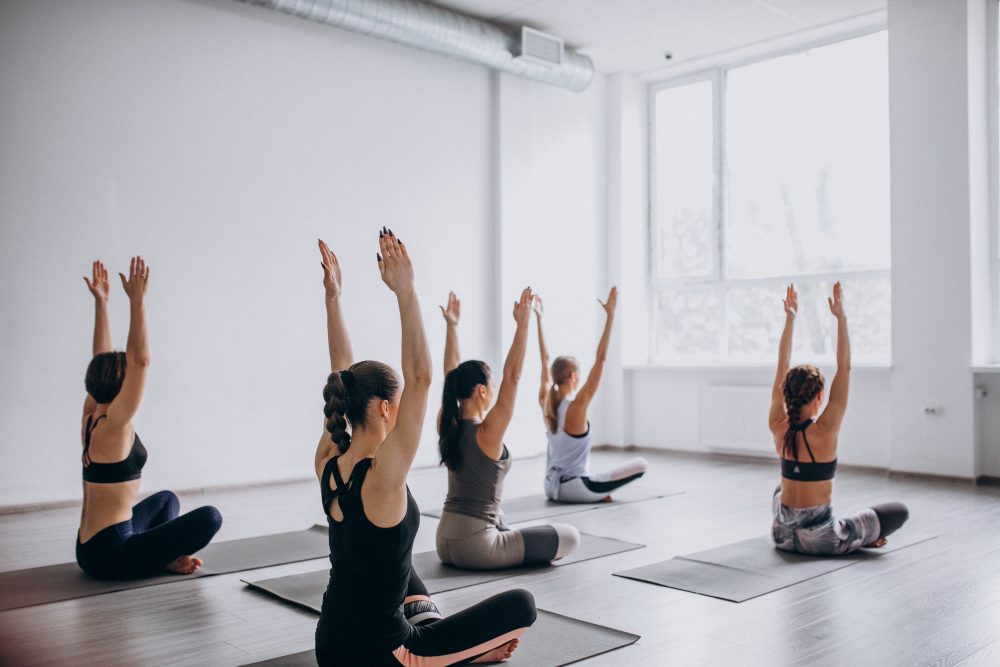
Despite the city’s fast-paced nature, Dubai offers several tranquil spots for yoga practice, from beachfront studios to rooftop sessions overlooking the skyline. These unique locations add an extra layer of serenity to the yoga experience, combining the benefits of nature and movement. Practicing yoga in such serene environments can deepen relaxation, making it easier to connect with the inner self.
The combination of expert guidance, a supportive community, and beautiful settings creates the perfect environment for anyone looking to relax, refresh, and rejuvenate through yoga in Dubai.
Conclusion: A Journey Of Wellness
Yoga classes in Dubai offer a valuable opportunity for relaxation, renewal, and self-discovery. With benefits ranging from improved physical fitness and mental clarity to better sleep and community connection, yoga provides a well-rounded approach to wellness. For those seeking a way to unwind and recharge, yoga presents a fulfilling path that enriches both body and mind.