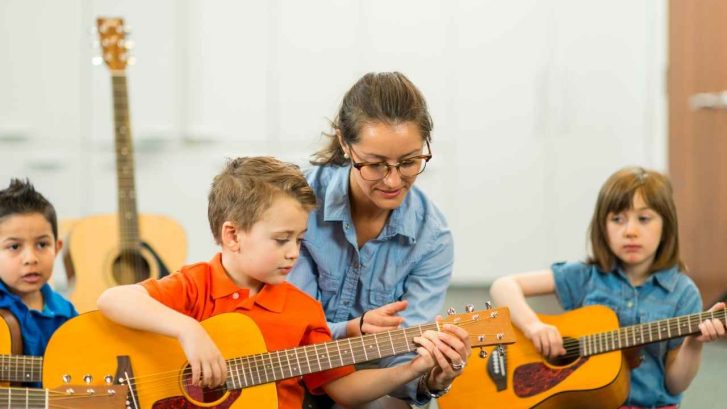
little children teaching each other to play guitar

Why Learning Guitar Sets Kids Up for Success

Introducing a child to the world of music, especially through learning the guitar, opens up a host of developmental benefits that extend well beyond the initial thrill of strumming their first chord. The journey of learning to play the guitar can profoundly impact a child’s cognitive abilities, social skills, and academic performance.

Cognitive Development

When children begin to learn guitar, they’re not just memorizing tablature or chords; they’re also enhancing their cognitive functions. Engaging with music requires a level of attention and memory that is comparably higher than many other activities. For instance, reading music involves translating written notes and rhythms into hand movements and sounds, a complex process that exercises the brain extensively. This musical training sharpens the mind, improving a child’s ability to concentrate and enhancing their memory retention over time.

Moreover, guitar playing nurtures problem-solving skills. Each new song or piece presents its own set of challenges, from mastering difficult finger placements to interpreting musical expression. Kids learn to overcome these hurdles by thinking critically and creatively, skills that are transferable to academic and real-world scenarios. Creativity especially gets a boost as children experiment with different sounds and styles, exploring their musical tastes and expressive capabilities.

Social Benefits

Beyond the cognitive leaps, learning the guitar can significantly bolster a child’s social skills. Music is inherently collaborative, and playing the guitar often involves group practice and performances. This environment encourages children to work cooperatively, listening to others and playing in sync, which fosters effective teamwork and communication skills.

Moreover, performing in front of an audience, whether at a school recital, family gathering, or on a larger stage, provides a unique platform for kids. It teaches them to handle visibility and pressure, boosting their confidence. The applause following a performance is a great morale booster too. As they express themselves through music, children not only gain confidence in their musical abilities but also in their personal voice and identity, which is crucial during the formative years.

Academic Achievement

Parents and educators might wonder how music relates to better performance in non-musical subjects. Studies have shown that children who engage in music education tend to achieve higher in areas like mathematics, reading, and languages. The discipline of learning and practicing guitar can translate into improved academic discipline. Music involves rhythm and structure, which can parallel mathematical skills, while reading music can enhance literacy as it involves decoding and comprehension.

Additionally, the disciplined practice required to learn guitar teaches children invaluable life skills like time management and patience. They learn to set practice schedules, stick to them and slowly improve over time. This routine and persistence pay off in academic settings as well. A child accustomed to regular practice may find it easier to set aside time for homework and study, approaching it with the same diligence as their music practice.

Emotional and Psychological Benefits

The emotional advantages of playing guitar can’t be overstated, especially for young minds developing their sense of identity and place in the world. One of the immediate benefits children experience is stress relief. Strumming a guitar after a long school day provides a soothing outlet, offering a way to unwind and express emotions in a safe and controlled environment. It’s a personal space where kids can explore their feelings through the music they play, whether they’re crafting joyful tunes or channeling more somber tones.

This emotional exploration through music also promotes better mental health. By expressing themselves, children can communicate feelings they might not otherwise articulate, reducing anxiety and improving their overall emotional well-being. Moreover, achieving musical milestones—such as mastering a difficult song—builds a sense of accomplishment. This feeling of success is a powerful motivator and can elevate a child’s mood and self-esteem, reinforcing their belief in their abilities and potential.

Furthermore, playing the guitar can be a grounding activity. It requires present moment awareness, similar to mindfulness exercises, which can help children decrease symptoms of stress and increase their emotional resilience. As they focus on their playing, they learn to stay connected with the moment, a skill that’s valuable throughout life.

Long-term Advantages

Looking toward the future, the benefits of guitar playing extend far into adulthood. For many, guitar skills can become more than just a hobby; they develop into lifelong passions or even careers in music. But even for those who don’t pursue music professionally, the guitar remains a valuable companion, offering personal fulfillment and a creative outlet throughout life.

Another significant long-term advantage is the development of cultural appreciation and awareness. Guitar music spans a variety of styles and cultures—from classical and jazz to rock and folk. As children explore these genres, they gain an appreciation for the rich diversity of global music traditions, which fosters a broader understanding and respect for different cultures. This cultural literacy is an essential component of being well-rounded in today’s global society.

Moreover, the discipline and persistence required in learning to play the guitar instill habits that are beneficial in all areas of life. Regular practice teaches children how to manage their time effectively and pursue long-term goals, traits that are directly transferable to educational pursuits and future careers. They learn that persistence pays off, a lesson that can make all the difference in their personal and professional lives.

Learning to play the guitar also offers networking opportunities. Musicians often find themselves part of communities that can provide support and open doors in various aspects of life, including career opportunities. Being connected to a community of like-minded individuals can be incredibly rewarding and lead to lifelong friendships and collaborations.

Building Life Skills

Learning guitar does more than just teach children music; it equips them with essential life skills that have far-reaching implications. Time management is a critical skill that young guitarists develop early on. Balancing school, homework, and guitar practice teaches them how to prioritize tasks and manage their time effectively. This skill alone can make a significant difference in all areas of their lives, ensuring they can handle the pressures of daily tasks with ease.

Little girl holding a guitar and looking at music sheet

Furthermore, the resilience developed through mastering a musical instrument like the guitar cannot be overstated. Every musician faces challenges, whether it’s a difficult piece or a performance that didn’t go as planned. Learning to bounce back from these setbacks builds a strong sense of resilience that children carry into adulthood. This resilience becomes a backbone for facing life’s challenges head-on, with the confidence that they can overcome them.

A Tool for Lifelong Joy

Finally, the joy of playing guitar often turns into a lifelong passion that provides a continuous source of happiness and fulfillment. Many guitarists continue to play well into their later years, finding solace and enjoyment in their music. The guitar becomes a constant companion, a source of comfort and expression that enhances quality of life.

Moreover, the skills and experiences gained from playing the guitar often inspire other creative and professional pursuits. The confidence, discipline, and creativity fostered by musical training can lead to success in nearly any field, from arts and sciences to business and education.

Children Guitar Lessons From The Pro’s

The Ballet Centre Dubai offers exceptional guitar lessons for children, combining a nurturing environment with expert instruction to foster musical growth. Their comprehensive curriculum is designed to develop both technical skills and a deep appreciation for music, ensuring a well-rounded learning experience. With a commitment to personalized attention, the Ballet Centre Dubai stands out as the premier destination for young aspiring guitarists.

Conclusion

So, if you’re considering a meaningful activity for your child, think about guitar lessons. Not only will they gain a skill that brings joy and music into their lives, but they’ll also develop a strong foundation of cognitive, social, and emotional skills. The guitar can be a powerful tool in shaping a successful, resilient, and fulfilled individual. Why not let your child strum their way to success? It might just be the tune they were destined to play.

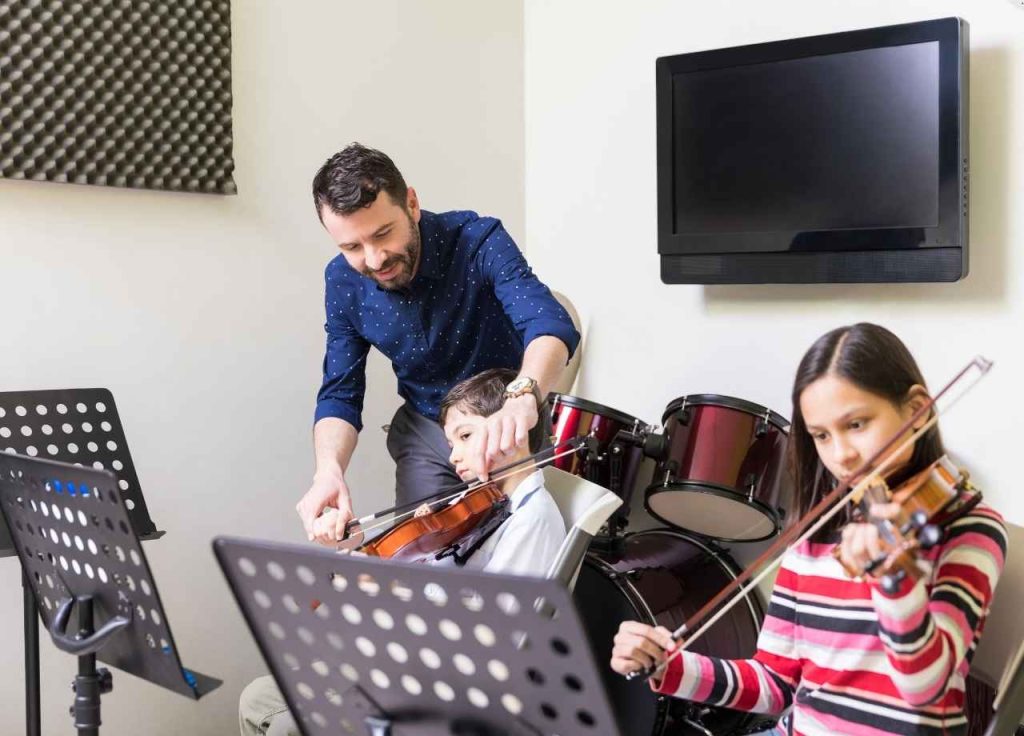
An old grandmother smiles as she's talking beside her grandmother

Music Therapy for Mental, Emotional, and Physical Well-Being

Music therapy, a therapeutic approach that harnesses the power of music to address various health issues, has gained recognition for its effectiveness across mental, emotional, and physical domains. At its core, music therapy uses music-based interventions to improve an individual’s health and well-being. Managed by qualified therapists, these interventions can vary widely but are all aimed at achieving personalized care goals.

Understanding Music Therapy

Music therapy involves structured sessions where music is the medium of therapeutic interaction. These sessions might include creating, singing, moving to, or simply listening to music, depending on the objectives set by the therapist and the client’s needs. This therapeutic form is recognized as an allied health profession and has been rigorously developed to cater to various patient needs, whether in hospitals, schools, residential treatment facilities, or community centers.

There are two primary forms of music therapy: active and passive. Active music therapy invites the client to partake in creating music, like playing instruments or using their voice, facilitating a hands-on engagement with the therapy. Passive music therapy, on the other hand, involves the client in listening experiences where the therapist plays or selects music to provoke a psychological, emotional, or physical response that is beneficial to the client’s condition.

The role of a music therapist is multifaceted, requiring a deep understanding of music’s psychological impacts and proficient skills in therapeutic practices. These professionals are trained to tailor their musical interventions to align closely with their clients’ personal health goals, which could range from managing stress, enhancing communication skills, to promoting physical rehabilitation.

Music Therapy and Mental Well-being

Mental well-being is perhaps the most recognized benefit of music therapy. Through targeted interventions, music therapy can significantly alleviate symptoms of stress and anxiety. Listening to soothing music, for instance, has been shown to lower cortisol levels, a hormone closely linked to stress. Similarly, engaging in active music creation can serve as a healthy outlet for expressing feelings and reducing overall anxiety.

The role of music therapy in combating depression is another area where its benefits are highly visible. By fostering an environment of safety and encouragement, music therapy sessions help individuals explore and express their emotions, which can be particularly therapeutic for those feeling isolated or withdrawn due to depression. Furthermore, the structured yet flexible nature of music therapy allows it to be adapted to individual needs, making it an effective support alongside more traditional treatments like medication and psychotherapy.

Music therapy also offers significant benefits to other mental health conditions, providing a unique source of support for people dealing with emotional challenges. Whether it’s helping children with developmental delays enhance their communication skills or assisting adults in managing acute mental health episodes, the adaptability of music therapy makes it a valuable tool in mental health care.

Music Therapy and Emotional Well-being

Music therapy uniquely supports emotional health by facilitating the expression and processing of complex feelings. The act of engaging with music, whether by playing an instrument or listening, can help individuals articulate feelings they might find difficult to express otherwise. This process can lead to significant breakthroughs in therapy, where clients find new ways to articulate their emotional experiences and insights.

Furthermore, music therapy can bolster self-esteem and confidence. For many, mastering a musical instrument or vocal performance within the therapeutic setting can provide a profound sense of accomplishment and self-worth. These experiences are especially beneficial for individuals struggling with self-image or confidence issues, providing them with tangible successes and positive feedback in a supportive environment.

Lastly, music therapy aids in building emotional resilience, equipping individuals to better handle life’s ups and downs. Through repeated exposure to therapeutic music experiences, individuals can learn coping strategies that help moderate emotional responses to stressors. This aspect of music therapy is crucial in building a more emotionally resilient and balanced life.

Music Therapy and Physical Well-being

The benefits of music therapy extend beyond mental and emotional health, touching on physical wellness too. Many people are surprised to learn that music can play a significant role in managing physical pain and aiding bodily healing. The soothing qualities of music help to distract from pain, lower stress levels, and induce a meditative state, which can all contribute to a higher pain threshold.

One notable area where music therapy has made strides is in the management of chronic pain. Patients dealing with long-term pain from conditions like arthritis or back problems have reported significant reductions in their pain levels during and after music therapy sessions. The rhythm and melody can help redirect the patient’s focus away from the pain, offering a form of escape that painkillers might not always provide.

Music therapy also supports physical rehabilitation efforts. For those recovering from strokes or traumatic injuries, music can stimulate neural pathways involved in muscle coordination and mobility. Engaging with music—especially playing instruments—can improve fine motor skills and coordination in a way that feels more like play and less like therapy, which can boost motivation and engagement.

Additionally, the influence of music on physiological factors like blood pressure and heart rate is well-documented. Slow, calming music can help to slow the heartbeat and lower blood pressure, creating physical conditions conducive to healing and recovery. This physiological response also supports better sleep patterns and reduced anxiety, further aiding physical health.

Integrating Music Therapy in Everyday Life

Bringing music therapy into everyday life doesn’t necessarily require a music therapist. For those interested in the benefits but unable to access professional services, there are ways to incorporate elements of music therapy at home. It starts with choosing the right type of music. Not all music works equally well for everyone; what soothes one person might energize another. It’s important to experiment with different genres and styles to discover what works best for your specific needs.

For relaxation and stress relief, many find slow, lyrical pieces effective, especially classical, jazz, or soft pop. On the other hand, if you’re using music to boost your mood or energy levels, something with a faster tempo might be more appropriate. Creating playlists for different purposes—relaxation, concentration, mood enhancement—can help you use music intentionally throughout your day.

Practicing DIY music therapy techniques can also be simple. Engaging in regular, mindful listening sessions—paying close attention to the different instruments and lyrics—can be a meditative and therapeutic exercise. For those who are more hands-on, trying out instruments like the keyboard, guitar, or even digital music software can be both therapeutic and enriching.

Lastly, consider the environment in which you listen to music. A quiet, comfortable space can enhance the therapeutic effects of music. Whether it’s a dedicated corner of your home with a comfy chair and headphones or a more communal space where you can share the experience with family, setting matters. The goal is to create a setting that supports relaxation and reflection, maximizing the therapeutic benefits of your music listening experience.

Enhancing Communication Through Music

Music therapy can play a pivotal role in improving communication skills, especially for those who find verbal communication challenging. This is particularly evident in working with children and adults with developmental disabilities, where music acts as a universal language. By engaging in singing or music-making activities, individuals may experience improvements in articulation, rhythm, and vocal expression, which directly translate to better verbal communication.

music instuments being played by children in lesson

Moreover, music can encourage social interaction, which is essential for building relationships and community ties. Group music therapy sessions provide a safe environment for people to connect with others, share experiences, and express themselves in ways that words sometimes cannot capture. This social aspect of music therapy not only enhances communication skills but also fosters a sense of belonging and community among participants.

Coping with Life’s Challenges

Life throws various challenges our way, and music therapy can equip us with the emotional resilience to face them. Regular engagement with music can help manage stress, provide emotional release, and maintain a positive outlook. The therapeutic process of creating or listening to music can make it easier to navigate life’s ups and downs, offering a stable and comforting presence in times of change or uncertainty.

For those going through significant life transitions, such as moving to a new city, starting a new job, or dealing with loss, music therapy can be a supportive resource. It offers a creative outlet for processing emotions and adapting to new circumstances, helping individuals to move forward with confidence and strength.

Music Therapy By Professionals

At the Ballet Centre Dubai, music therapy sessions are thoughtfully crafted by skilled professionals to harness the power of music for holistic well-being. These sessions blend therapeutic techniques with engaging musical activities, offering benefits that range from reducing stress to improving communication and emotional resilience. Whether through active participation or calming listening exercises, the Centre provides a nurturing environment where individuals can heal, grow, and thrive through the transformative power of music.

Conclusion

Music therapy is more than just a way to pass the time; it’s a profound therapeutic tool that offers wide-ranging benefits for people of all ages and backgrounds. Whether you’re looking to improve your mental and emotional well-being, enhance your physical health, or simply find new ways to communicate and express yourself, music therapy provides a unique and effective solution.

Why not give music therapy a try in your own life? Start by exploring different genres and styles to find what resonates with you, or consider joining a community music group to experience the benefits of shared musical interaction. The simple act of integrating more music into your daily routine can be a significant step toward enhanced well-being and happiness. Remember, in music therapy, there’s no right or wrong music—there’s only your music, your journey, and your healing.

yoga instructor conducting class with audience mimicking behaviour

Yoga Benefits for Urban Lifestyles: Finding Balance in Chaos

City life, with its non-stop pace and often towering expectations, can take a toll on even the most resilient among us. From congested commutes and endless emails to the pressure cooker environment of the corporate world, urban living presents a unique set of challenges. Enter yoga, a practice steeped in ancient traditions, which offers modern city dwellers tools for navigating their hectic lives with a bit more ease.

Understanding Yoga

At its heart, yoga is more than just a series of stretches and poses; it’s a comprehensive system for wellness that harmonizes body, mind, and spirit. Originating thousands of years ago, yoga has evolved from a spiritual practice into a popular physical exercise that is praised for its benefits to mental health and physical stamina. But yoga’s true depth lies in its ability to foster an internal quietude amidst the external chaos, making it perfect for the urbanite’s lifestyle.

Yoga comprises primarily of three elements: asanas (physical postures), pranayama (breathing techniques), and dhyana (meditation). Each component serves to guide the practitioner to a state of deeper awareness and relaxation, helping to temper the physical stress of sitting at a desk, as well as the mental strain of constant digital connectivity.

Core Benefits of Yoga for Urban Dwellers

When it comes to physical health, yoga offers numerous benefits that are particularly beneficial for those living and working in cities. Engaging in regular practice boosts flexibility and improves posture, counteracting the hours spent in office chairs or slouched over smartphones. It also enhances strength and stamina, which can make the daily rush more manageable and less exhausting.

For respiratory and cardiovascular health, the benefits are equally impressive. Yoga’s breathing exercises can increase lung capacity and improve breath control, which not only helps in high stress situations but also brings a greater sense of calm and control. Cardiovascular function also benefits from regular yoga practice, with studies showing a reduction in heart rate and blood pressure, key indicators of a healthy heart.

Transitioning to mental wellness, yoga stands out as a powerful tool for stress reduction. The practice’s meditative aspects, like mindfulness and focused breathing, help quiet the mind and reduce stress. This can be a game-changer for urban professionals whose brains are continually buzzing with deadlines and worries. Moreover, yoga can alleviate symptoms of anxiety and depression by promoting a general sense of well-being. This isn’t just about feeling less stressed; it’s about enhancing overall mental clarity and emotional resilience.

The benefits for emotional well-being are notable as yoga encourages practitioners to tune in to their bodies and breath, fostering a state of mindful awareness. This can lead to better emotional stability and reduced feelings of anxiety. Regular practice helps cultivate a calm center from which one can handle the ups and downs of city life with equanimity.

Integrating Yoga with Modern Pain and Spine Care

For urban professionals, the physical toll of city life often manifests as chronic back pain, neck stiffness, and spinal issues exacerbated by long hours at a desk. A modern pain and spine approach recognizes yoga not just as exercise, but as a vital component of a holistic treatment plan. The targeted asanas (postures) in styles like Iyengar or restorative yoga gently strengthen the core muscles that support the spine, improve posture, and release tension in the lower back and shoulders.

This mindful movement increases blood flow to compressed discs and promotes spinal flexibility, complementing traditional medical interventions. For many, a consistent yoga practice becomes a powerful, proactive strategy for managing discomfort and supporting long-term spinal health, reducing reliance on passive treatments.

Yoga and Work-Life Balance

Incorporating yoga into a bustling urban routine might seem daunting at first, but it can be surprisingly doable and beneficial. For the busy professional, yoga offers a refreshing break from the demands of work and technology, providing a quiet space to recharge mentally and physically. Short yoga breaks during the workday can help reset your focus and boost productivity. Even just a few minutes spent on a few stretches or mindful breathing can significantly decrease stress levels and increase energy.

Many find that morning yoga sessions help set a positive tone for the day ahead. It’s a time when you can clear your mind before the emails start flooding in and meetings stack up. Alternatively, practicing yoga after work can be a great way to transition from professional responsibilities to personal time, helping to leave work stress at the office and not carry it into the evening.

Practical Tips to Get Started with Yoga

Getting started with yoga doesn’t require turning your schedule upside down. Here are some tips to weave yoga into your day without it feeling like a chore:

Select the Right Yoga Style:

With various styles available, from the slow-paced Hatha yoga, which focuses on basic postures at a comfortable pace, to the more intense Vinyasa yoga, which links breath and movement, there’s a style to suit every need and interest.

Find Classes That Fit Your Schedule:

Many yoga studios offer classes early in the morning, during lunch breaks, or late in the evening, specifically catering to working professionals. Additionally, online yoga classes can be a flexible option to practice at home whenever you find some free time.

Start Small:

If you’re new to yoga, begin with short, beginner-friendly sessions. Even 10 to 15 minutes can make a difference without overwhelming you or your schedule.

Maintaining Consistency

The key to gaining the benefits of yoga is regular practice, but this doesn’t mean you need to practice every day or stick to a rigid schedule. Here’s how you can stay consistent:

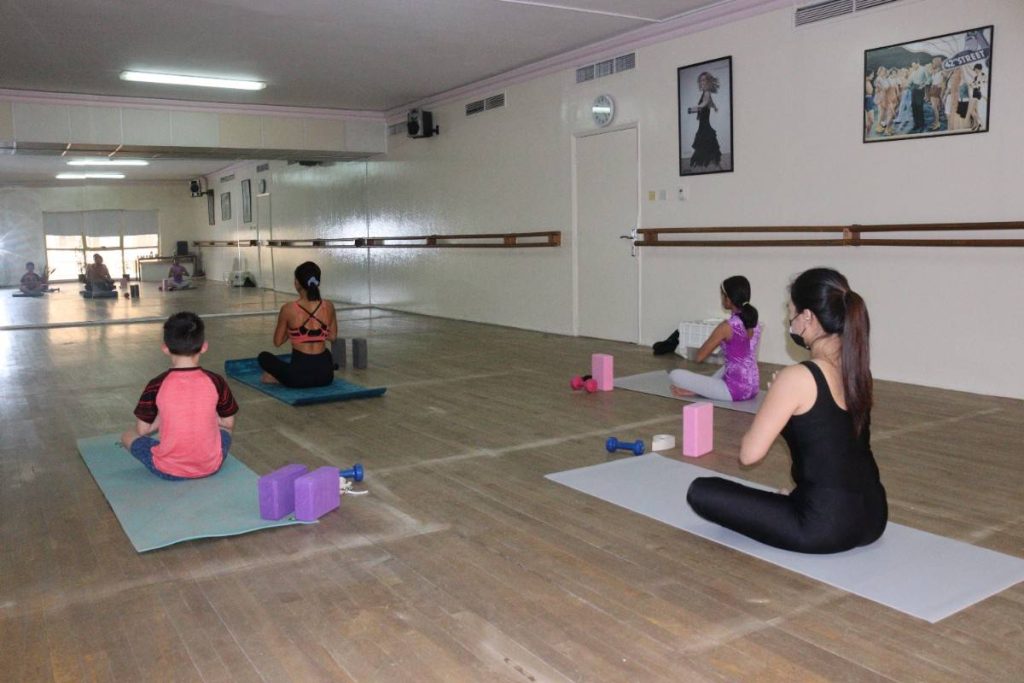
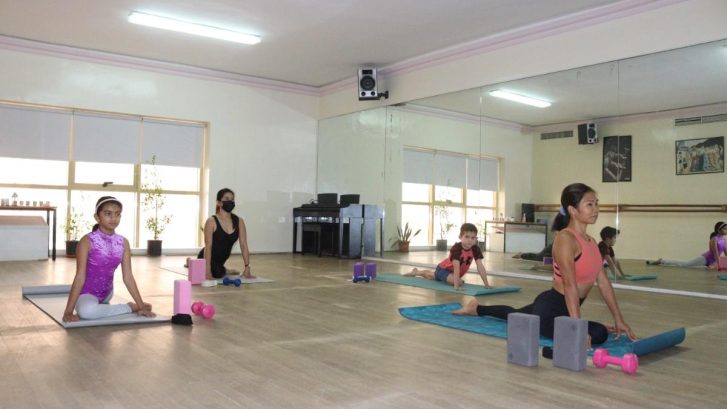
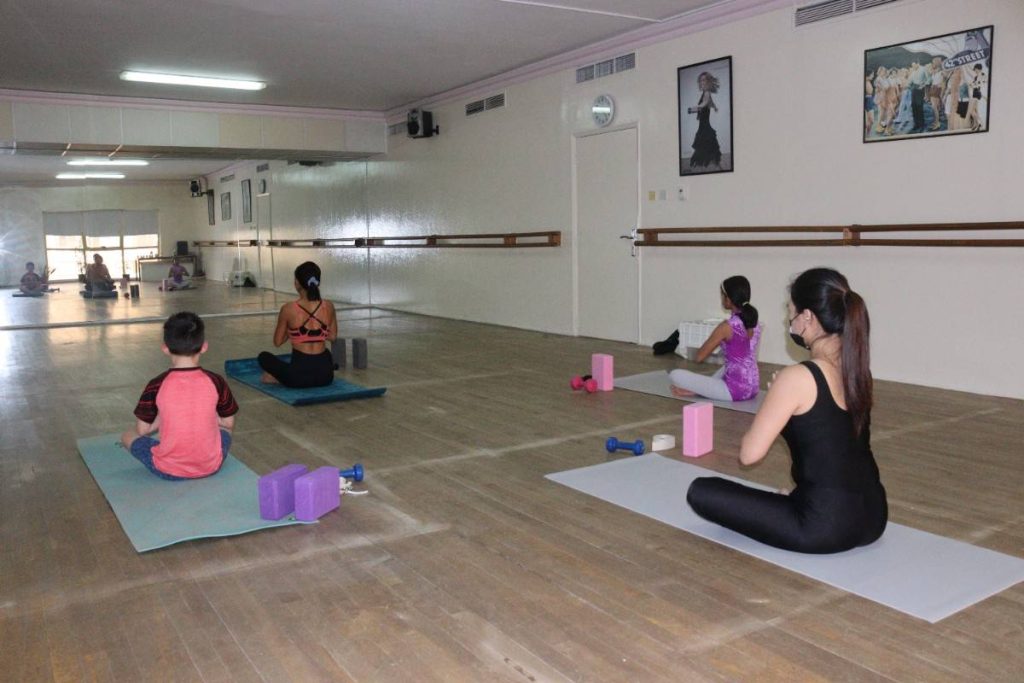
four people sitting in yoga poses

Set Realistic Goals:

Start with achievable goals like attending a yoga class twice a week or doing a 10-minute home practice every other day. As yoga becomes a habit, you can adjust your goals.

Create a Personal Yoga Space:

If possible, set up a dedicated yoga space in your home. It doesn’t have to be big—a corner of your living room or your bedroom can work just as well. Having a designated space can motivate you to practice regularly.

Be Patient and Persistent:

Progress in yoga can be subtle and gradual. Acknowledge small victories along the way, such as feeling more relaxed, sleeping better, or just becoming more aware of your breathing.

With these approaches, integrating yoga into your urban lifestyle can become less of a task and more of a welcome relief from daily pressures.

Yoga Instructors

At the Ballet Centre Dubai, yoga classes are conducted by seasoned professionals who ensure a holistic approach to wellness. With sessions designed to cater to all levels of experience, their expert instructors guide participants through postures, breathing techniques, and meditation practices that enhance physical strength, mental clarity, and emotional balance. Combining a serene environment with personalized attention, the Ballet Centre Dubai makes yoga an accessible and transformative experience for urbanites seeking harmony amidst the city’s fast-paced life.

Conclusion

Embarking on a yoga journey might just be the game-changer you need to handle the stresses of urban life. Whether it’s finding a moment of calm in a hectic day or building physical strength and flexibility, yoga offers a multitude of benefits that fit right into the busy cityscape. Why not roll out a mat and give it a try? Start small, stay consistent, and watch how yoga can transform your daily routine into something more balanced and fulfilling. Remember, every little step counts towards a healthier, more centered you. Why wait? Your journey to a calmer, more balanced life could start today!

Children in drawing class

Art Education: Patience and Focus for Young Minds

Art education is often celebrated for its ability to boost creativity and expression among young learners. Yet, beyond the vibrant colors and the messy fun, art offers unique advantages in developing essential life skills—particularly, patience and focus. In a fast-paced world where instant gratification is the norm, teaching children to engage deeply and persistently with tasks is invaluable. This blog explores how art education not only enhances cognitive development but also trains young minds in the art of patience and sustained concentration.

The Connection Between Art and Cognitive Development

Children are natural explorers. From the moment they can grasp an object, they begin to learn about their world. Cognitive development involves not just acquiring knowledge but also the ability to think critically, solve problems, and make decisions. Art plays a significant role in this arena. When children create, they decide which materials to use, determine how to make their ideas come to life, and solve problems when things don’t go as planned.

Engaging in art boosts memory and decision-making skills. For instance, recalling the steps for mixing paints to get the perfect shade of green for a tree involves both memory and analytical thinking. These skills are transferable and influence a child’s ability to perform academically in other subjects that require critical thinking and creative problem-solving.

Art as a Tool for Developing Patience

In today’s world of quick clicks and instant outcomes, art provides a valuable counterbalance. It teaches that some things cannot be hurried. The drying of paint, the setting of clay, and the layering of materials—all these require waiting and patience. For a child, the waiting process in art can be a gentle introduction to managing their expectations and developing the ability to delay gratification.

Creating a piece of art also often involves trial and error, and children learn to navigate frustration and setbacks. This learning process is critical as it teaches them that not all tasks yield immediate results and that perseverance is essential. This aspect of art education is vital, as it builds resilience and helps children learn to apply themselves, even when rewards are not instantaneous.

Art and Focus: Training the Mind to Concentrate

Art demands attention to detail. Whether it’s carefully drawing the petals of a flower or applying just the right amount of pressure to a charcoal pencil, children learn to focus on the task at hand. This concentration is crucial in a world where distractions are plentiful. By engaging in art, children practice tuning out interruptions and dedicating their energies to completing the task before them.

This focus has broader implications. When children learn to concentrate while painting or sculpting, they are better equipped to apply similar levels of concentration to math problems, reading comprehension, and other academic tasks. The focus learned through art can also improve their ability to stay engaged in conversations, follow directions, and persist in solving complex problems, which are essential skills in both academic and social settings.

Techniques in Art That Enhance Patience and Focus

Different art techniques require different levels of engagement and patience, making them great tools for teaching these qualities. For instance, consider the meticulous nature of watercolor painting where one must wait for each layer to dry before applying the next to avoid unwanted mixing of colors. This waiting teaches children that some steps cannot be rushed and that their final outcome will be worth the wait.

Similarly, detailed drawing or sculpting can absorb a child’s complete attention, as they must focus on fine details to achieve the desired effect. Through these activities, children learn the value of seeing a task through to the end, which in turn teaches them about setting and achieving long-term goals. These art activities help children understand that detail-oriented and often repetitive work can lead to a rewarding outcome—a lesson that is applicable in many other areas of life.

Psychological Benefits of Art for Children

Art is not just beneficial for cognitive and skill development; it also plays a significant role in mental health. Engaging in artistic activities can serve as an emotional outlet for children, allowing them to express feelings that they might not be able to verbalize. This can be particularly beneficial for children who are shy or have difficulties expressing themselves, as it provides a safe space for them to explore and convey their emotions.

Moreover, the patience and focus required in art can reduce feelings of anxiety and stress. The act of focusing intensely on an artwork can be a form of mindfulness, which is known to reduce stress and improve overall mental health. As children learn to channel their emotions into their artwork, they develop healthier coping mechanisms, fostering both emotional intelligence and resilience.

Implementing Art Education Effectively

Integrating art education in a manner that maximizes its cognitive and psychological benefits requires thoughtful planning. Educators and parents can start by providing a variety of materials and opportunities for children to engage in different forms of art. It’s important to create an environment where children feel free to experiment and express their creativity without fear of criticism. This encourages them to take risks, try new things, and learn from their mistakes.

children holding up art paintings in class

Teachers can also design art projects that are both age-appropriate and challenging, which can help maintain students’ interest and encourage them to develop their skills. For instance, younger children might start with simple finger painting, which can evolve into more complex painting techniques as they grow older. Regularly introducing new tools and methods can keep the learning process exciting and engaging.

Additionally, art should be integrated with other subjects to enhance overall learning. For example, drawing maps in geography can help with spatial thinking, while building models in science classes can aid in understanding complex concepts. By linking art to everyday learning, educators can help children see how art applies to other areas of their lives and the world around them.

Art Lessons From Professionals

The Ballet Centre Dubai offers exceptional drawing and art lessons designed to nurture creativity in students of all ages. Their experienced instructors provide personalized guidance, ensuring each student develops their artistic skills in a supportive environment. With a comprehensive curriculum that covers various techniques and mediums, the Ballet Centre Dubai stands out as a premier destination for aspiring artists.

Conclusion

Art education is a powerful tool that goes beyond mere artistic skill development. It shapes patient, focused, and emotionally aware individuals who are better equipped to handle the complexities of everyday life. As we continue to navigate a world where these skills are increasingly valuable, it’s essential to advocate for and support the integration of more comprehensive art programs in educational systems.

Let’s champion the cause of art education. Encourage your local schools to enhance their art programs and consider allocating time at home for your children to explore different forms of artistic expression. Together, we can prepare our children not just to succeed academically but to thrive emotionally and mentally in their future endeavors.

Set of guitars on the floor against white brick wall

Kids and Guitars: Acoustic-Electric or Electric for Beginners

Choosing the right guitar for a child starting out can feel overwhelming, especially with the variety of options available. Parents often grapple with deciding between acoustic-electric and electric guitars, wondering which is more suitable for young beginners. While both types have their strengths, understanding their features and how they align with a child’s needs can make the decision easier.

Understanding the Basics

When we talk about guitars for kids, it’s important to clarify what acoustic-electric and electric guitars actually are. Acoustic-electric guitars are essentially acoustic guitars with built-in electronics. They can be played unplugged, like any standard acoustic, or amplified when connected to an amp. This dual functionality makes them versatile, but it also means they’re slightly bulkier than standard electrics.

Electric guitars, on the other hand, are designed specifically to be played with an amplifier. They typically have solid bodies, which means they don’t produce much sound on their own. What they lack in natural volume, they make up for in ease of play and tonal flexibility. Unlike acoustic-electric guitars, electric guitars are lightweight and often feature thinner necks, making them easier for small hands to navigate.

Both options come with their own learning curves, but the real deciding factors often boil down to the child’s preferences, physical readiness, and the practicality of each type.

Key Factors to Consider

Age and Size of the Child

Younger children, especially those under 10, will need a guitar that fits their smaller hands and bodies. Short-scale guitars, which have smaller necks and reduced string tension, are ideal for this age group. Acoustic-electric guitars are often bulkier, which might make them harder for smaller kids to hold and play comfortably. Electric guitars, with their compact and lightweight designs, tend to be more manageable for younger beginners.

Musical Preferences

If a child loves the sound of rock, blues, or pop, an electric guitar might be the natural choice. It offers the versatility to explore different tones using pedals or amps. However, if the child’s interest leans more toward singer-songwriter styles or acoustic ballads, the acoustic-electric might be a better match. The option to play unplugged is particularly appealing for those who want a more organic sound.

Budget and Long-term Use

Parents often focus on initial costs, but it’s worth considering long-term value. Electric guitars require additional gear like amps and cables, which can increase the overall expense. Acoustic-electric guitars can be a bit pricier upfront compared to regular acoustics, but they don’t necessarily need extra equipment to get started. For parents who want to avoid frequent upgrades, investing in a quality instrument that grows with the child’s skills is a wise choice.

Why Ease of Use Matters

One of the most overlooked factors in choosing a beginner guitar is how easy it is for a child to learn and play. Electric guitars typically have softer strings and lower action (the distance between the strings and the fretboard), which can make fretting notes and chords less physically demanding. Acoustic-electric guitars, while versatile, often have higher string tension, which could be discouraging for a child with small, inexperienced fingers.

This ease of use can have a direct impact on the child’s learning curve and motivation. A guitar that feels too challenging to play might lead to frustration, whereas an easier-to-handle option can keep them engaged and excited about learning.

Acoustic-Electric Guitar for Beginners: Pros and Cons

Advantages

Starting with acoustic-electric guitars, these instruments offer a great deal of flexibility. They can be played anywhere, anytime without any setup, just like an acoustic guitar. When your child is ready to perform, whether at a school talent show or a family gathering, the built-in electronics make it easy to connect to an amplifier and fill the room with music. This type is particularly good for kids who might want to experiment with both classic and amplified sounds as they grow.

The natural tone of acoustic-electric guitars is warm and vibrant, ideal for strumming and fingerpicking. This can be a big draw for children who enjoy a variety of music styles, from country to folk to pop. Additionally, if they decide to switch to a fully electric guitar later on, they’ll already be familiar with the basics of handling an amplified instrument.

Disadvantages

However, there are downsides. Acoustic-electric guitars can be more expensive than their purely acoustic counterparts. They’re also a bit bulkier, which might not suit smaller children. And while they do offer electric capabilities, the sound might not fully satisfy kids fascinated by the electric guitar heroes of rock and pop.

Electric Guitar for Beginners: Pros and Cons

Advantages

Electric guitars, in contrast, are generally lighter and smaller, designed for comfort and easy handling. This makes them a fantastic choice for young rock stars in the making. The thinner necks and lower string action help small fingers move across the fretboard more effortlessly, reducing the likelihood of sore fingertips—a common complaint among new players.

One of the coolest parts of starting with an electric guitar is the variety of sounds it can produce. With the help of an amplifier and effects pedals, a child can explore everything from crunchy rock tones to smooth blues, keeping their practice sessions exciting and diverse. It’s this type of experimentation that often keeps kids engaged with their instrument longer.

Disadvantages

But electric guitars aren’t without their challenges. They require an amplifier to produce sound, which means additional equipment and setup. This can be cumbersome for parents who prefer a simpler, more straightforward musical setup at home. Plus, the initial investment is typically higher once you include the cost of all the necessary accessories.

Practical Considerations

Noise Levels

One thing to consider is the living environment. Electric guitars can be loud, particularly with an amplifier turned up to rock concert levels. However, most modern amplifiers come with headphone jacks, allowing for quiet practice sessions that don’t disrupt the household or neighbors.

Portability

When it comes to taking music on the go, acoustic-electric guitars have the upper hand. They can be played anywhere, without needing power. Electric guitars, while portable, always need an amplifier and power source for performance, which can be limiting.

Maintenance

Maintenance is another important aspect. Both types of guitars require care, but electric guitars can be more demanding due to their electronic components. Regular cleaning and proper storage are crucial to keep them in good working condition. Acoustic-electric guitars, meanwhile, need to be kept in a humidity-controlled environment to prevent warping and other damage.

Accessories Needed for Each Type

Acoustic-Electric Guitar

For those leaning towards an acoustic-electric, the good news is that you can start simple. Many come ready to play out of the box, and you can always add an amplifier later to enhance the sound for performances.

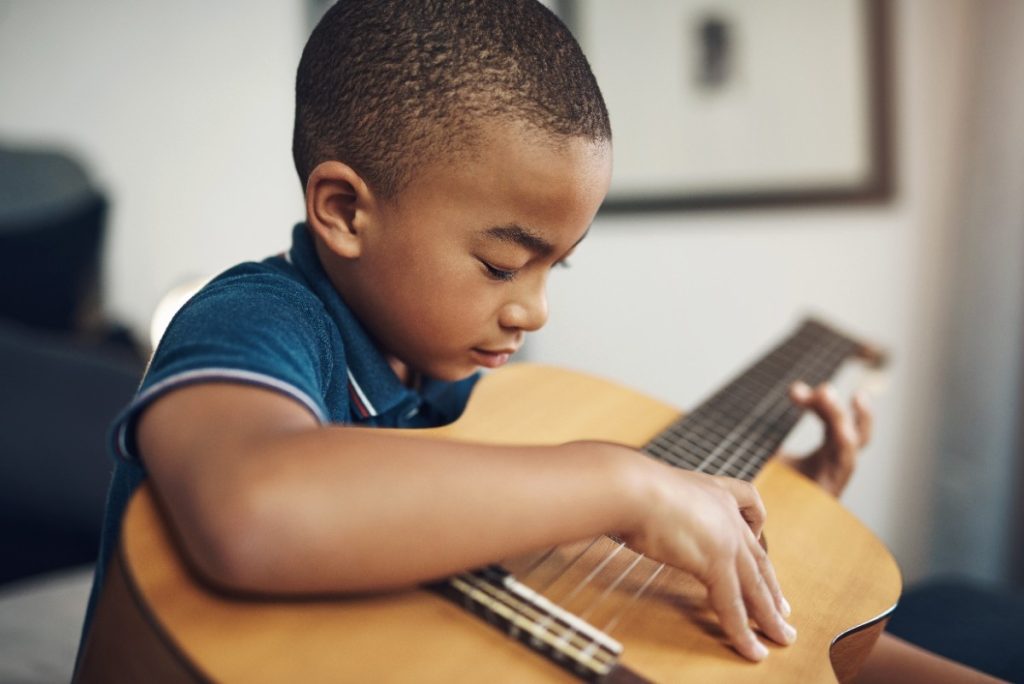
Young boy trying to play acuostic brown guitar

Essential accessories include a good quality tuner to keep the guitar sounding its best, a capo for changing the guitar’s key without needing to adjust much technically, and perhaps a set of spare strings to keep handy in case of a snap.

Electric Guitar

Electric guitars require a bit more gear from the get-go. At the very minimum, you’ll need an amplifier and a cable to connect the guitar. Investing in a decent amp can make a huge difference in sound quality and enjoyment. Other accessories to consider are a sturdy guitar strap, a selection of picks of various thicknesses for different styles of playing, and some might suggest getting headphones for silent practice sessions.

Recommendations Based on Scenarios

Best Option for Younger Beginners

For younger kids, especially those with smaller hands and shorter attention spans, an electric guitar can be ideal. Its ease of playing and the excitement of producing various sounds make it engaging right from the start.

Best Option for Budget-Conscious Parents

If budget is a major consideration, starting with a basic acoustic-electric guitar can be economical. It avoids the need for immediate additional purchases like amplifiers, making it a practical choice.

Best Option for Long-term Versatility

For children and families looking for an instrument that offers flexibility through various stages of learning and performing, an acoustic-electric guitar is a great investment. It allows for both casual and performance play, adapting to different sound settings.

Closing Remarks

The journey to finding the perfect guitar for your child involves a mix of practical considerations and matching the instrument to their personal interests. Whether you go for an acoustic-electric or an electric guitar, the goal is to fuel their passion for music in a way that feels fun and rewarding. Encourage them to try out different guitars in a store if possible—this can be an exciting outing that helps them feel involved in the choice.

The Ballet Centre Dubai offers one of the most sought after guitar lessons from its experienced teachers with decades of experience. Making it an ideal place for young learners to start their music journey.

Don’t hesitate to start your child’s musical journey. The right guitar can open up a world of creativity and joy. Grab one, tune it up, and let them strum their way into a lifelong love of music.

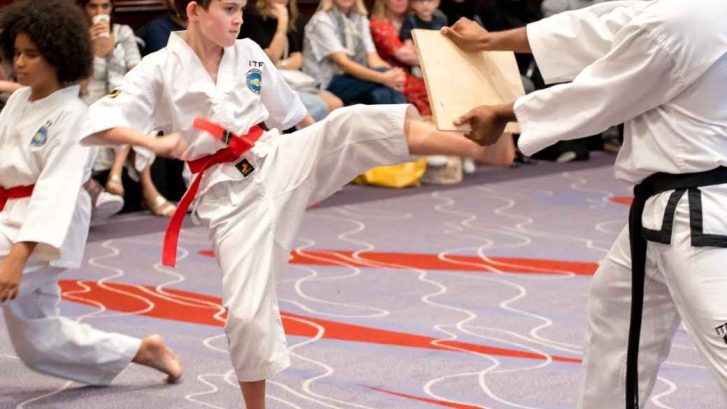
Young Taekwondo red belt kicking a board held up by his instructor

Martial Arts for All: Why Taekwondo Leads the Way

Martial arts, renowned for their ability to foster physical fitness, mental clarity, and self-defense skills, come in various styles and forms. Among these, Taekwondo stands out as a particularly accessible and beneficial practice. This Korean martial art, now practiced worldwide, offers unique advantages that make it appealing to a diverse audience.

The Origins and Evolution of Taekwondo

Taekwondo’s roots can be traced back to Korea, where it began as a blend of fighting techniques, philosophy, and military strategy several centuries ago. It evolved over time, influenced by various Korean kingdoms’ combat styles and philosophies. The name itself, Taekwondo, translates to “the way of foot and fist,” which highlights its emphasis on head-height kicks, jumping and spinning kicks, and fast kicking techniques. It gained significant global attention when it was demonstrated at the 1988 Seoul Olympic Games and later became an official Olympic sport in 2000. This inclusion marked a significant milestone, reflecting its widespread acceptance and the global respect it commands.

Core Principles of Taekwondo

Unlike some martial arts that focus solely on physical prowess, Taekwondo places a heavy emphasis on personal development through its five tenets: courtesy, integrity, perseverance, self-control, and indomitable spirit. These principles guide practitioners not just in their physical training but in their everyday lives, shaping their interactions and personal growth.

  • Courtesy involves respecting fellow practitioners, instructors, and the traditions of Taekwondo.
  • Integrity refers to the honesty and straightforwardness expected in all actions, inside and outside the dojo.
  • Perseverance is about the relentless pursuit of personal and martial excellence.
  • Self-control ties into the mental discipline required to practice Taekwondo, ensuring that emotions and physical actions remain regulated.
  • Indomitable spirit represents the resilience needed to overcome obstacles, not giving in to fear or adversity.

Physical and Mental Health Benefits of Taekwondo

Taekwondo is more than just a sport; it’s a full-body workout that enhances physical and mental health. Regular practice improves flexibility through dynamic movements and stretching, which is vital for maintaining muscle health and preventing injuries. It also builds strength, not just through typical muscle-building exercises, but through the repetition of moves that require power and precision. Endurance is another key benefit, as sessions involve sustained exertion, which helps improve cardiovascular health and stamina.

The mental health benefits are equally impressive. Regular training fosters a unique blend of focus and calm, which can help reduce stress and increase overall life satisfaction. The discipline learned in Taekwondo, such as mastering complex patterns and sparring, sharpens the mind and teaches practitioners how to manage their emotions effectively. This mental discipline often leads to increased self-esteem and confidence, as students achieve new belts and master new techniques.

Taekwondo for Different Ages and Abilities

One of Taekwondo’s greatest strengths is its accessibility. Children as young as five can start learning, benefiting from improved coordination, better focus in school, and the values of respect and discipline taught through the sport. Adults find in Taekwondo a great way to stay active and relieve stress. It’s also a fantastic way to meet new people who share a common interest in staying healthy and active.

For seniors, Taekwondo offers a chance to keep physically active in a less impactful manner. Many schools offer modified programs that focus less on high kicks and rapid movements and more on balance, flexibility, and strength training, which are crucial for maintaining mobility and health in older age.

Taekwondo as a Tool for Self-Defense

Self-defense is a significant aspect of Taekwondo that attracts many to the sport. The techniques taught are practical and effective in real-world scenarios, empowering students to protect themselves if necessary. The focus on quick, sharp movements allows for developing the ability to react swiftly and decisively. This aspect of training can be particularly empowering, as students learn not just to defend themselves but also to carry themselves in a way that projects confidence, potentially deterring threats.

The skills developed go beyond physical defense; they include the ability to assess situations quickly and react appropriately, which can help in various aspects of life, from personal confrontations to professional standoffs. Learning and practicing these skills in a controlled environment allows Taekwondo practitioners to feel more secure in their daily lives.

Competitive Taekwondo

For those who thrive on competition, Taekwondo offers plenty of opportunities to test skills against others. It’s not just about local tournaments; there are regional, national, and international competitions that cater to various skill levels. Competitors can engage in sparring, where they face off against opponents in matches that test speed, accuracy, and strategic thinking. There are also patterns, or poomsae, competitions, where precision and control in performing complex movements are judged. For those who enjoy a display of power, board breaking tests strength and technique in a dynamic setting.

Taekwondo Culture and Community

Joining a Taekwondo class means more than learning kicks and punches; it’s about becoming part of a community. This martial art fosters a sense of belonging and camaraderie among practitioners, who often describe their training groups as a second family.

taekwondo group of students sitting and posing for photo

The respect shared between students and instructors creates a supportive environment that enhances the learning experience. Furthermore, the global reach of Taekwondo allows practitioners to connect with a diverse group of people, sharing techniques, experiences, and cultures.

How to Get Started with Taekwondo

Getting started with Taekwondo is straightforward. Look for a local dojang that has certified instructors and a welcoming atmosphere. Beginners should expect their first classes to focus on basic movements and etiquette, gradually increasing in complexity as they become more skilled. The progression through different belt levels offers continual learning and a visible track of achievement, which can be incredibly satisfying.

Choosing A Reputable Institution For Learning

The Ballet Centre Dubai, established in 1986, offers Taekwondo classes led by professional black belt instructors. Their programs cater to children as young as four, emphasizing foundational techniques and the spiritual aspects of Taekwondo. With a longstanding reputation in the performing arts and martial arts community, the Ballet Centre ensures high-quality instruction that meets international standards

Conclusion

Taekwondo is more than just martial arts; it’s a pathway to improved physical health, mental clarity, and personal growth. Whether you’re looking for a new hobby, a way to stay fit, or a supportive community, Taekwondo has something to offer. Why not take the first step and sign up for a class near you? Discover the benefits this dynamic sport can bring into your life.

Child holding mic and singing while teacher plays piano

Nurturing Young Talent Through Singing Lessons

Music plays a vital role in the development of children, offering not just a form of expression but also a means to enhance their cognitive, emotional, and social abilities. Singing lessons, in particular, can be a powerful tool to cultivate these skills from a young age. By starting early, children can grow their talents in a way that feels both natural and enjoyable.

The Cognitive, Emotional, and Social Benefits of Singing

Singing is much more than just a musical skill. For young learners, it acts as a multi-faceted educational experience that touches on several aspects of personal development. On the cognitive front, engaging with music helps children improve their memory and concentration skills. Learning lyrics, melodies, and rhythms requires a level of focus that is transferable to academic settings. Furthermore, singing involves language skills, which aids in the development of communication abilities and linguistic diversity.

Emotionally, singing can be profoundly impactful. It provides a safe space for children to express their feelings and can be a great outlet for emotions. This form of expression helps children understand and manage their feelings better, building emotional intelligence that will serve them throughout their lives. The act of performing can also boost self-esteem and confidence, teaching youngsters to trust their abilities and appreciate their own voices.

Socially, singing lessons often involve group activities that require cooperation and interaction. Children learn to work as part of a team, listen to each other, and share the spotlight. Such interactions can enhance empathy and understanding, as they recognize and appreciate the diverse abilities and contributions of their peers. Group performances can also forge strong bonds among participants, creating a community of young musicians who support and motivate one another.

Adapting Techniques for Different Age Groups

The approach to teaching singing varies significantly with the age of the learners. For toddlers, the focus should be on making music fun and engaging. Simple songs, repetitive patterns, and lots of movement help keep young children captivated. Teachers should encourage them to enjoy the sound of their voices without worrying about precision or technique.

As children grow older, more structured lessons come into play. For those in the primary school range, it’s about building a foundation. Teachers can introduce basic musical concepts such as pitch, rhythm, and scales. Children at this stage are more capable of handling structured activities and can begin to practice more consistently. This is also an ideal time to encourage practice at home, integrating music into their daily routines.

Teenagers, on the other hand, might be interested in refining their skills and perhaps even pursuing music more seriously. For them, singing lessons can be tailored to include advanced techniques, such as breath control and vibrato, as well as opportunities to choose their pieces and explore different musical styles. This age group can handle more direct feedback and take on personal responsibility for their musical growth.

Choosing the Right Instructor

Finding the right singing teacher is crucial. The instructor’s qualifications are important, but so is their ability to connect with children. Each teacher has a unique style, and it’s important that their approach matches the learning style of the student. For instance, a very young child might need a teacher who is playful and energetic, whereas a teenager might benefit from someone who is more technically focused and detail-oriented.

The personality fit is just as essential as teaching style. A good rapport between teacher and student can make the difference in how engaged and motivated the student is. Trust, respect, and communication are key components of a productive teacher-student relationship.

Structuring Singing Lessons for Optimal Engagement

When planning singing lessons for children, the structure of each session can make a big difference in how much they enjoy and benefit from the experience. The length and frequency of lessons should be carefully considered based on the child’s age. Young children often do best with shorter, more frequent lessons that keep their attention without overwhelming them. As kids get older, they can handle longer sessions where more complex skills are developed.

It’s important to strike the right balance between theory and practice in these lessons. While it’s essential for young singers to understand musical concepts, too much theory can become tedious. Practical, hands-on experience is what really fuels their passion for music. Engaging them with interactive singing activities, playful competitions, and even digital tools like apps or games that teach music theory can help maintain their interest.

Technology has become a great ally in modern music education. Apps that provide real-time feedback on pitch and rhythm, or software that allows students to record and listen to themselves, can be incredibly beneficial. These tools make learning more interactive and fun, and they’re something kids can use outside of lessons, deepening their engagement with singing.

Handling Challenges and Setbacks

Learning to sing isn’t always smooth sailing, and it’s normal for children to face challenges along the way. One common issue is performance anxiety. Many children feel nervous about singing in front of others, especially in a recital or competition setting. To help them manage these fears, it’s crucial to create a supportive environment where they feel safe and encouraged. Simple techniques like deep breathing exercises or visualization can also be taught to help them calm their nerves.

Keeping children motivated over the long term is another challenge. The novelty of learning to sing can wear off, especially if they feel they aren’t progressing or if lessons become repetitive. To combat this, teachers and parents need to keep things lively and engaging. This might mean changing up the song selections, incorporating games into lessons, or setting up small, informal performances where children can show off what they’ve learned without the pressure of a big audience.

Vocal health is another important area that sometimes gets overlooked. Young voices are delicate, and it’s easy for kids to strain them by singing too loudly or for too long. Educating children on how to use their voices safely is crucial. This includes teaching proper breathing techniques, how to warm up their voices, and recognizing when they need to take a break.

Measuring Progress and Success

For children, seeing that they are making progress in their singing can be a big boost to their confidence and motivation. It’s important for teachers and parents to set clear, achievable goals for them, whether it’s mastering a new song, improving their pitch accuracy, or performing in front of an audience. These goals should be tailored to the child’s age and skill level so they feel attainable.

Four children of various ages on singing stage

Feedback is a vital part of learning to sing. It needs to be constructive and focused on specific areas for improvement. For example, rather than saying a performance was just “good” or “bad,” a teacher might point out how the child has improved their breath control since their last lesson, and suggest focusing next on enunciation.

Celebrating milestones is just as important as setting them. When a child achieves a goal, no matter how small, taking the time to celebrate that achievement can make them feel valued and proud of their efforts. This doesn’t always mean big rewards; often, simple recognition and praise from their teacher or parents are enough to reinforce their desire to continue and succeed in their singing journey.

Learn With The Best

The Ballet Centre Dubai, with its decades of experience in arts education, is an excellent choice for children interested in learning music. Their music programs, including singing lessons, are thoughtfully designed to foster both talent and confidence in young learners. Combining professional instructors with a nurturing environment, the Ballet Centre provides a foundation for children to explore and develop their musical abilities while building essential life skills.

Conclusion

Singing lessons offer more than just musical training for children. They are a gateway to developing valuable life skills like confidence, self-expression, and perseverance. For parents considering this enriching activity for their children, it’s important to choose the right program that focuses not only on musical growth but also on personal development. With the right instructor and a supportive environment, your child can truly flourish both as a singer and an individual.

If you’re looking to nurture your child’s talent and see them grow in confidence and skill, why not explore local singing lessons? It could be the start of a rewarding journey that goes far beyond the music.

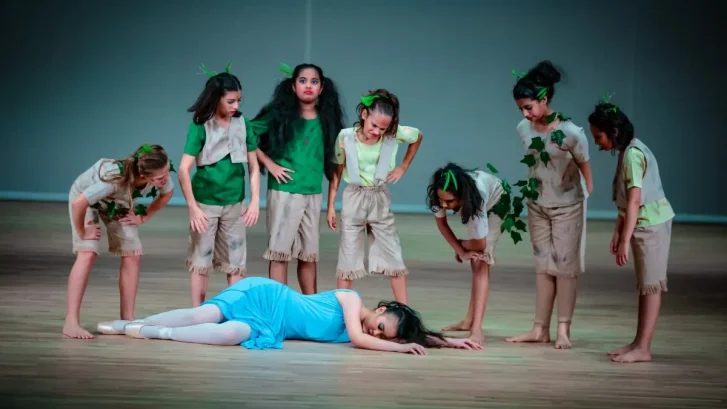
Children surrounding a fellow actress who has fallen asleep on the ground

The Magic of Drama: Why Kids Should Take Acting Classes

Introducing children to the arts, particularly acting classes, can significantly shape their development in ways that extend far beyond the stage. Acting isn’t just about learning lines or wearing costumes; it’s a gateway to developing essential life skills, from effective communication to deep empathy. Here, we explore how drama classes can be a crucial tool in a child’s growth, laying a foundation that benefits them across all areas of life.

Developing Communication Skills

One of the first and most obvious benefits of acting classes is the enhancement of a child’s communication skills. Engaging with scripts and performing dialogue requires children to express themselves clearly and confidently. This practice isn’t just about projecting their voice across a room but also involves mastering the art of nuanced expression, where tone, pause, and facial expressions play critical roles. As they learn to communicate their lines, they also learn to listen and respond to cues from others, which are vital skills in everyday interactions.

Moreover, acting classes encourage children to articulate their thoughts and emotions in front of an audience, a practice that significantly diminishes the fear of public speaking. Early exposure to these scenarios can ease the anxiety associated with speaking in public, a common obstacle for many, and can foster a level of eloquence and poise that will benefit them throughout their lives.

Boosting Self-Confidence

Standing on stage can be a nerve-wracking experience, but regular exposure through acting classes teaches children to navigate these nerves and channel them into a compelling performance. Each applause and curtain call serves as a confidence booster that reinforces their self-esteem. As children repeatedly step into different roles, they also discover aspects of their own personality and capabilities, which might have remained untapped otherwise. This growing self-awareness and confidence can translate into a more assertive presence in school, in social situations, and eventually in professional settings.

Enhancing Empathy and Emotional Intelligence

Acting naturally cultivates empathy. To portray a character effectively, a child must step into their shoes and view the world from their perspective. This process of exploration helps children understand diverse emotions and situations that are outside their immediate life experiences. By embodying characters with varied backgrounds and emotional landscapes, children develop a deeper understanding and sensitivity towards others’ feelings and viewpoints.

This empathetic engagement goes beyond mere role-play; it fosters a genuine ability to relate to others’ emotions in real life. Such skills are crucial as they grow and navigate complex social environments, making them more adept at handling interpersonal relationships sensitively and thoughtfully.

Promoting Teamwork and Social Skills

Drama classes are inherently collaborative. They often involve group exercises, ensemble productions, and constant interaction with peers and instructors. Through these collaborative efforts, children learn the importance of teamwork and the skills necessary to negotiate, cooperate, and compromise with others. These are fundamental skills that apply directly to group projects at school, collaborative work environments, and various team-based extracurricular activities.

Furthermore, the social environment of acting classes encourages children to break out of their shells and forge new friendships. The shared experience of preparing for a performance can create bonds that may last a lifetime, providing a social outlet that combines fun, creativity, and emotional support.

Stimulating Creativity and Imagination

The heart of acting lies in creativity and the power of imagination. When kids participate in acting classes, they are encouraged to think outside the box and bring unique interpretations to their roles. This freedom to create and reimagine characters or scenarios helps cultivate a fertile imagination, allowing children to view problems and situations in a multitude of ways. This ability to think creatively is not only beneficial in artistic pursuits but is also increasingly valued in academic and professional arenas where innovation drives success.

Creativity in acting extends to improvisation exercises, which are common in drama classes. These activities require quick thinking and adaptability, as children must come up with ideas and responses on the spot. This kind of creative exercise helps children develop the ability to think on their feet, a skill that is particularly useful in dynamic social and professional settings. The confidence to contribute spontaneously and creatively in discussions or problem-solving situations is an invaluable skill that acting classes nurture from a young age.

Improving Memory and Concentration

The process of memorizing lines is a core component of acting that has beneficial side effects on a child’s cognitive abilities. Learning lines and remembering cues require focus and mental discipline, skills that are transferable to academic learning. Children who engage in acting often find it easier to memorize school material and have generally better concentration in class. This discipline of memory and attention is crucial not only for academic success but also for personal development in any field of work.

Moreover, acting requires a deep level of concentration as children must stay in character and react appropriately to their co-actors throughout a performance. This sustained focus enhances their ability to concentrate in other areas of life, where multitasking and maintaining attention are required. As children practice these skills regularly, they become more adept at handling tasks with precision and detail, making them more effective in their academic and later professional lives.

Physical Benefits

Acting is often perceived as a primarily emotional and intellectual activity, but it also has significant physical components that benefit children. Physical expression is a big part of bringing a character to life. Children learn about body language and how to use their body effectively to convey emotions or actions. This not only helps in developing better control and coordination but also in understanding the importance of non-verbal communication.

Child sitting on moon made of foil on pitch black stage

Classes often include warm-up exercises, stage movements, and sometimes even dance routines, which help in improving physical fitness and flexibility. These activities encourage a healthy level of physical fitness and can instill a love for active living. Additionally, the physical aspects of acting help children improve their spatial awareness and body control, which are beneficial in sports and other physical activities.

Emotional Outlet and Stress Relief

Drama classes provide a structured yet flexible space for emotional expression. Children often face stressful situations, whether from academic pressures, social dynamics, or personal challenges at home. Acting provides an outlet for safely exploring a wide range of emotions, from joy and excitement to anger and sadness. Through characters and scripts, children learn to express their feelings in a controlled environment, which can be incredibly therapeutic.

The act of engaging with different emotions on stage can also help children manage their own emotions better in real life. They become more aware of how they feel and are better equipped to deal with complex emotions. This emotional training can reduce anxiety and stress, as children learn to channel their feelings into their performances, turning potential negative energy into creative output.

Preparation for Future Opportunities

One of the most significant advantages of participating in acting classes is the broad range of skills children develop that are applicable in many future scenarios. It’s not just about acting; the abilities they hone—such as public speaking, teamwork, creative thinking, and emotional intelligence—position them well for a variety of career paths. Whether they end up in arts, law, education, or business, the confidence and communication skills gained through acting can give them a distinct advantage.

In today’s world, where adaptability and soft skills are as crucial as technical knowledge, the diverse experiences provided by acting classes help prepare children for the complexities of modern careers. They learn to present themselves and their ideas effectively, a key component in any professional environment. Furthermore, the ability to empathize and collaborate seamlessly with others is often what sets apart successful individuals.

Conclusion

So, if you’re considering extracurricular activities for your child, drama classes are definitely worth exploring. They offer more than just an artistic outlet; they equip children with essential life skills that contribute to their personal and professional growth. Encourage your child to step into the world of drama. Who knows? It might open doors to new possibilities and adventures. Let their creativity flourish and watch as they transform not just on stage but in every aspect of their life. Ready to give it a try? Look for local acting classes today and let your child’s journey into the arts begin!

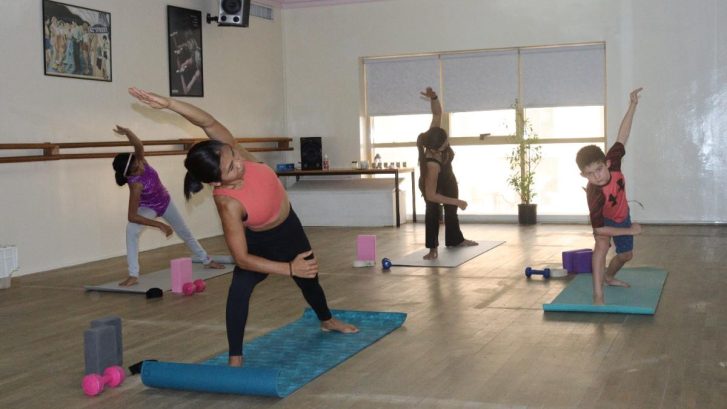
students in yoga class in a stretching pose

A Beginner’s Guide to Popular Yoga Practices

Yoga, with its deep roots in ancient tradition, has blossomed across the world as a revered art and science of living. This practice offers more than just physical benefits; it enhances mental health and fosters an inner sense of peace. This guide is tailored for those new to yoga, outlining various forms and offering advice on embarking on this enriching journey.

Understanding the Fundamentals of Yoga

At its core, yoga is about balance. The term ‘yoga’ itself, derived from the Sanskrit root ‘yuj’, means to join or unite, symbolizing the union of body and consciousness. Beyond its physical postures, yoga integrates breathing techniques and meditation to improve one’s mental well-being and physical health. Regular practice can lead to enhanced flexibility, strength, balance, and stamina, but the benefits extend beyond the physical. Many find that yoga provides relief from stress and anxiety, contributing to an overall sense of well-being.

Yoga teaches patience and mindfulness, encouraging practitioners to live in the present moment. These principles can be particularly beneficial in our fast-paced world, where stress and disconnection can be prevalent. Whether you’re looking to yoga for a workout, a way to relax, or a method to connect with yourself, it offers something for everyone.

Types of Yoga: An Overview

For those beginning their yoga journey, understanding the different styles can help in choosing the right path that aligns with personal wellness goals.

Hatha Yoga:

This is often considered an ideal starting point for beginners due to its slower pace and focus on basic poses. Hatha yoga helps in tuning into your body and breath, which is crucial for building a strong foundation in any yoga practice.

Vinyasa Yoga:

Known for its fluid, movement-intensive practices, Vinyasa yoga appeals to those who prefer a more dynamic workout. Each pose is synchronized with the breath, and the sequences are almost dance-like, which helps in building cardiovascular fitness alongside flexibility and strength.

Ashtanga Yoga:

This style is more demanding, as it follows a specific sequence of poses in the exact same order. It’s great for building core strength and toning the body. Due to its fast pace and the need for stamina, it might be challenging for absolute beginners but rewarding for those who stick with it.

Iyengar Yoga:

If you’re keen on getting the poses just right and appreciate attention to detail, Iyengar yoga might be for you. This practice uses props like belts, blocks, and bolsters to perform asanas (poses) with precise alignment. It’s especially beneficial for those with injuries or conditions that require special consideration.

Kundalini Yoga:

This is a more spiritually oriented practice, focusing on the release of kundalini energy. It includes dynamic breathing techniques, chanting, meditation, and poses; its goal is to build physical vitality and increase consciousness.

Bikram/Hot Yoga:

Practiced in a heated room, this form of yoga aims to loosen tight muscles and induce sweating, which is thought to be detoxifying. The heat adds an extra level of difficulty, which some find enhances the yoga experience.

Getting Started with Yoga: Tips for Beginners

Starting yoga can feel a bit intimidating, especially if you’re not familiar with the poses or the terminology. But you don’t need to worry about being perfect right away. Yoga is a personal practice, and it’s all about progression, not perfection.

When choosing a yoga style, think about what feels right for you. If you’re looking for something gentle to start with, Hatha or Iyengar yoga might be a good choice. On the other hand, if you want a more intense workout with a focus on breath and movement, try Vinyasa or Ashtanga. If you’re unsure, many yoga studios offer beginner classes, so it’s a good idea to ask the instructor for recommendations based on your needs and fitness levels.

Your first class might seem a bit awkward, and that’s completely normal. Yoga teachers are there to guide you, but they’re also focused on creating an environment where you feel comfortable asking questions. Don’t hesitate to tell your instructor if you’re new, so they can provide extra guidance on the poses. They might suggest modifications if a pose feels too intense or uncomfortable.

As for gear, all you really need to start is a yoga mat. Many studios provide mats, but having your own can make you feel more at ease. Comfortable clothes that allow for movement are also essential, though you don’t need to spend a lot on high-end gear to get started. Just make sure whatever you wear lets you move freely, whether you’re stretching, twisting, or bending.

If you’re practicing at home, find a quiet, spacious area where you won’t be distracted. It doesn’t need to be fancy, just a spot where you feel calm and can concentrate. It’s easy to get caught up in perfecting the setting, but remember that your focus should be on your practice, not the environment around you.

Learning and Practicing Yoga Safely

One of the best things about yoga is that it’s adaptable to your body’s needs. But it’s important to practice safely, especially as a beginner. While it’s tempting to push yourself to get deeper into a stretch or hold a pose for longer, listen to your body. If something doesn’t feel right, stop, adjust, or ask for guidance.

Proper warm-ups and cool-downs are key to avoiding injury. Before diving into more intense poses, take time to gently stretch and loosen up. After your practice, cooling down with slower, grounding poses helps relax the muscles and prevents stiffness. Breathwork, or pranayama, is also a crucial part of your practice—it helps you stay connected to your body, promotes relaxation, and aids in recovery.

Yoga is about listening to your body and understanding its limits. You may find that some poses feel easy for you, while others might be challenging. This is normal. Don’t worry about “keeping up” with others in class or trying to achieve the “perfect” pose. Yoga is not a competition. Focus on your breath, your alignment, and how your body feels in the moment.

Common injuries in yoga often happen when people try to do too much too soon or overexert themselves in certain poses. Back pain, knee strain, and wrist issues are among the most common injuries beginners experience. To avoid these, it’s helpful to learn the proper alignment for each pose. Teachers are usually very attentive to alignment, so make sure to ask for adjustments if something feels off. And remember, yoga isn’t about pushing past discomfort—it’s about finding a balance of effort and ease.

Incorporating Yoga into Your Daily Routine

One of the keys to reaping the benefits of yoga is consistency. While one or two classes a week can certainly make a difference, incorporating yoga into your daily routine will allow you to build strength, flexibility, and mindfulness over time. Starting with shorter practices is a good way to ease into it. You don’t need to commit to an hour-long session every day. Even 15-20 minutes of yoga can be enough to start feeling the benefits.

young students sitting in Yoga Class meditating

If you’re pressed for time, there are plenty of short practices you can follow, whether it’s a morning stretch to start your day or a calming evening flow before bed. A consistent practice doesn’t have to be complicated. If mornings are tough, try a quick evening routine. Just a few simple poses like downward dog, cat-cow, or child’s pose can help your body wind down after a busy day.

Yoga doesn’t always need to be practiced in isolation. If you’re already doing other forms of exercise, yoga can complement those activities. Whether you run, lift weights, or swim, yoga can improve your flexibility, boost recovery, and prevent injury by keeping your muscles limber and balanced.

Progressing in Yoga Practice

As you continue practicing yoga, you’ll notice gradual improvements in your strength, flexibility, and mental clarity. At this stage, it’s natural to want to explore more challenging poses or advanced practices. But remember, yoga isn’t about how advanced your poses look; it’s about how connected you feel to your mind and body. Progressing in yoga is more about deepening your understanding and consistency rather than rushing into complex postures.

Pay attention to when your body feels ready to move beyond beginner-level classes. You might find yourself holding poses longer or exploring sequences that once felt overwhelming. When you’re ready, intermediate or advanced classes can introduce you to new postures and techniques, such as inversions or arm balances. These classes also place a stronger emphasis on breath control and meditation, helping you take your practice to a deeper level.

Workshops and retreats are another great way to advance your practice. These often provide more focused instruction on specific techniques or themes. They’re also a great opportunity to learn from experienced teachers and connect with a community of like-minded individuals.

One of the biggest challenges as you progress is staying motivated and avoiding frustration when things don’t go as planned. Some days your body may feel tight, or your balance might feel off. That’s okay. Yoga is about showing up for yourself, even on the days when it’s hard. Be patient with the process, and celebrate the small wins along the way.

Professional Yoga Instructors

Ballet Centre Dubai is renowned for its serene and welcoming environment, making it an ideal space for yoga enthusiasts of all levels. Their yoga classes are led by experienced instructors who tailor sessions to accommodate beginners while also challenging more advanced practitioners. With a focus on holistic wellness, their approach combines physical postures, breathwork, and mindfulness to help participants cultivate balance, flexibility, and inner peace, offering a truly transformative experience for both body and mind.

Conclusion

Yoga is a journey that evolves at your own pace. It’s not about perfecting the poses but about connecting with yourself and finding what feels good for your body and mind. Start small, stay consistent, and keep exploring. Whether you’re looking for physical strength, mental clarity, or just a way to unwind, there’s a practice out there for you.

Why not roll out your mat today and give it a try? Your yoga journey is waiting, one breath at a time.

Male student wearing taekwondo uniform with a red belt being tied around his waist by instructor

Step by Step: Mastering Taekwondo Progression Levels

Taekwondo, a martial art known for its high kicks and swift movements, offers more than just physical training—it’s a journey of self-discovery and discipline. Understanding the belt system is crucial for any practitioner committed to mastering the art. Each belt color not only represents a certain skill level but also encapsulates the knowledge and growth accumulated along the way.

Understanding Taekwondo Belts and Progression Levels

The journey in Taekwondo is marked by the belt system, each color offering a new level of skill and understanding. Starting from the white belt, seen as the blank slate, to the prestigious black belt, each step is significant. A practitioner moves through yellow, green, blue, and red belts before reaching black, with each belt requiring dedication and mastery of specific techniques. The time it takes to progress can vary widely among students, depending on their training intensity and personal growth.

Starting Your Journey: White Belt

For beginners, the white belt is their introduction to the fundamentals of Taekwondo. It’s about building a solid foundation in basic stances, blocks, punches, and kicks. Newcomers learn the importance of balance, form, and technique—elements that are crucial throughout all levels of Taekwondo. Practicing these basics repeatedly helps embed the muscle memory needed for more advanced techniques later on. Setting realistic goals, such as mastering a new stance or improving flexibility, can make the learning process rewarding and measurable.

Yellow Belt: Building the Foundation

After mastering the basics, practitioners earn the yellow belt, which introduces them to forms and more complex techniques. This level focuses on the first pattern, or ‘poomsae,’ which teaches students how to move fluidly from one technique to another while maintaining balance and precision. Challenges like remembering the sequence of moves and executing them with the correct technique are common. Overcoming these challenges requires consistent practice and a focus on the details of each movement.

Green Belt: Enhancing Skills

Reaching the green belt signifies that a student is ready to deepen their skill set with increased physical and mental challenges. This level involves more dynamic kicking techniques and the introduction of sparring. Sparring allows students to apply their skills in a controlled combat setting, which is essential for understanding practical application and improving reflexes. Students also start to learn how to manage and channel their energy efficiently during a fight. The green belt is a transitional phase where students begin to see the connection between the discipline they’ve been learning and its application in realistic scenarios.

Blue Belt: Intermediate Techniques

Achieving a blue belt is a significant milestone in Taekwondo. At this stage, students are expected to have a strong grasp of the basics and a readiness to tackle more complex techniques. The focus shifts to mastering higher-level Poomsae, which are patterns that require a combination of movements demonstrating control, power, and precision. This is also the stage where students begin to engage in more competitive sparring, learning to anticipate and counteract their opponents’ moves effectively.

Training becomes more rigorous as emphasis is placed on perfecting each movement. The blue belt curriculum includes jumping and spinning kicks, which not only look impressive but also test a student’s balance and coordination. Strength and conditioning training becomes more important than ever, as these physical attributes will significantly enhance a student’s performance in both forms and sparring sessions. Students are encouraged to develop a routine that supports their physical development, such as regular cardiovascular exercises and strength training, to build endurance and power.

Red Belt: Advanced Refinement

The red belt is often seen as the precursor to the coveted black belt and represents an advanced level of skill. At this point, students refine their techniques to achieve a level of finesse that distinguishes advanced practitioners from intermediates. The training focuses intensely on improving the speed, accuracy, and power of each technique. Additionally, psychological preparation becomes crucial as students begin to prepare for the black belt test, which is as much a mental challenge as it is a physical one.

Leadership and teaching also become key components of a red belt’s responsibilities. Many dojangs (training halls) encourage red belts to assist in teaching lower belts, which helps to reinforce their own knowledge and skills while fostering a sense of responsibility and leadership within the community. This stage is about fine-tuning skills and preparing for the responsibilities that come with being a black belt holder.

Black Belt: Mastery and Beyond

Earning a black belt in Taekwondo is not the end of the journey but rather a new beginning. This level signifies a deep understanding of the art, mastery of the techniques, and a commitment to ongoing learning. Black belts continue to refine their skills and may choose to specialize in specific areas such as sparring, forms, self-defense tactics, or even delve into teaching.

The role of a black belt in the Taekwondo community is multifaceted. They are often looked up to as mentors and role models, expected to lead by example both in and out of the dojang. Continuing education is crucial at this stage, as martial arts evolve and new techniques or refinements to existing ones emerge. Advanced black belts can pursue further dan (degree) levels, each requiring years of dedicated practice and contribution to the art.

Preparing for Testing and Advancement

Testing for each belt level in Taekwondo is a rigorous process that evaluates a student’s skills, knowledge, and readiness to move to the next level. Preparation for these tests involves more than just physical training; it requires mental preparation and a strategic approach to mastering the required techniques and forms.

Yound woman wearing taekwondo uniform getting a green belt tied around her waist by instructor

One common mistake during testing is focusing too much on just one aspect of Taekwondo, such as forms or sparring. A well-rounded preparation strategy should include equal attention to all components of the test, including Poomsae, sparring, self-defense routines, and even the oral test on Taekwondo theory. Practitioners should practice under simulated testing conditions to get accustomed to the pressure and formalities of the actual test. Additionally, learning to manage nerves and maintaining focus during the test are essential skills that can be developed through meditation and visualization techniques.

Maintaining Progress and Staying Motivated

One of the key elements in sustaining progress in Taekwondo is setting long-term goals. These goals should go beyond just achieving the next belt; they might include mastering a particularly difficult technique, competing in tournaments, or even teaching others. Each goal serves as a milestone that keeps practitioners focused and motivated.

Life’s other responsibilities can sometimes interfere with training schedules, but it’s important to find a balance. Effective time management can help ensure that Taekwondo practice remains a priority. This might mean scheduling specific times for training each week and sticking to them as one would with any important appointment.

The community aspect of Taekwondo is also vital for motivation. Training with peers who share the same goals and challenges provides a support system that can boost morale and inspire commitment. Being part of a Taekwondo community encourages accountability; it’s harder to skip practice when you know your peers are counting on you to show up.

Creating Family Connections Beyond the Mat

The Ballet Centre Dubai offers a unique opportunity for parents and children to bond through the shared journey of learning Taekwondo, despite having separate classes. While children and adults follow tailored programs suited to their skill levels, the shared discipline, values, and achievements create a common language of growth and mutual respect. This supportive environment encourages families to celebrate each other’s milestones, fostering connections that extend beyond the dojang and into everyday life.

Conclusion

Your journey through Taekwondo is unique, filled with its own challenges and triumphs. Remember, the progression through the belts isn’t just about physical skill; it’s about personal growth and becoming part of a larger community. Whether you’re a white belt just starting out or a seasoned black belt, there’s always more to learn and ways to improve.

So, lace up your belt, step onto the mat, and keep pushing forward. Every practice, every repetition, and every spar rounds out your experience and brings you one step closer to mastering not just Taekwondo, but also discipline and resilience in life. Keep going, keep growing, and most importantly, enjoy every kick of the journey!

1 4 5 6 7 8 16